
 EN
EN
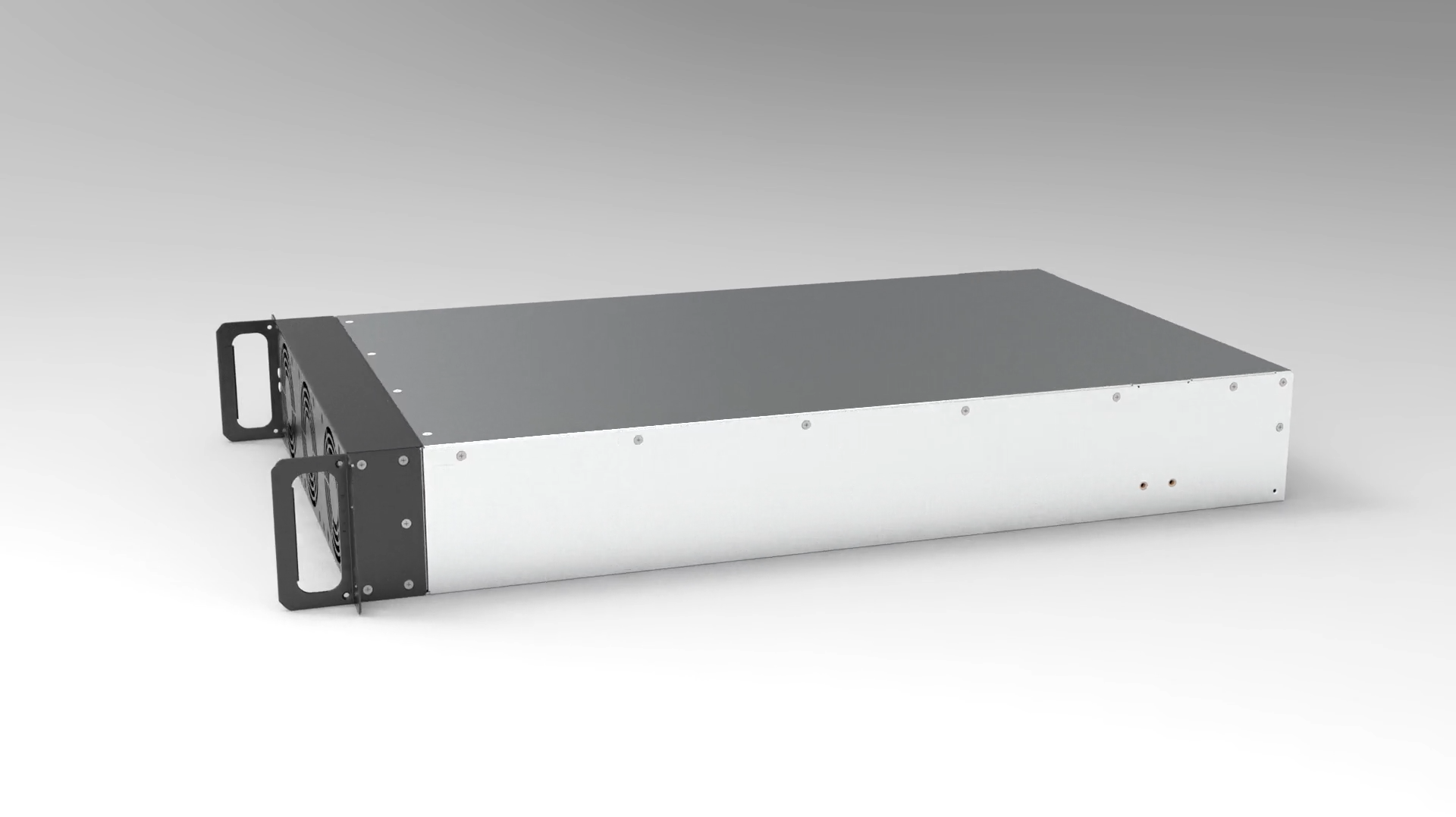
Industrial and high-performance computing environments increasingly demand power solutions that deliver both reliability and operational quietness. Traditional air-cooled power supply units often generate significant acoustic noise due to high-speed cooling fans, creating challenging work conditions in laboratory, medical, telecommunications, and precision manufacturing settings. Understanding the noise reduction benefits of liquid cooled power supply units has become essential for engineers and facility managers seeking to optimize both thermal performance and acoustic comfort in their installations.
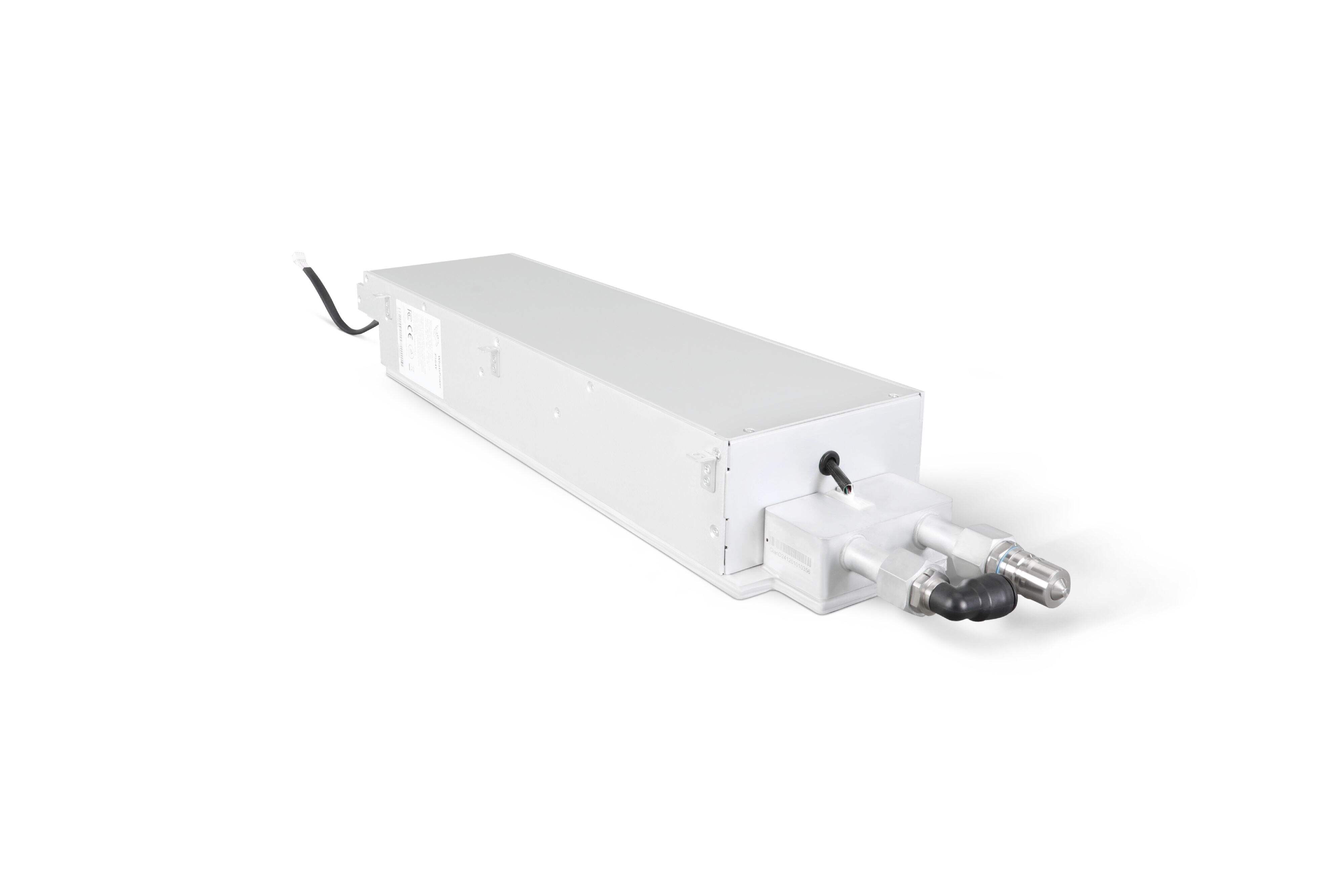
The acoustic advantages of liquid cooled power supply technology stem from fundamental differences in thermal management architecture. While conventional units rely on forced air convection through multiple high-RPM fans, liquid cooling systems utilize closed-loop fluid circulation to transfer heat away from critical components with minimal mechanical noise generation. This article examines the specific noise reduction mechanisms, quantifiable acoustic benefits, operational contexts where silent operation matters most, and practical implementation considerations that make liquid cooled power supply units the preferred choice for noise-sensitive applications.
Fundamental Noise Sources in Traditional Power Supply Systems
Fan-Generated Acoustic Emissions in Air-Cooled Units
Conventional power supply units generate noise primarily through cooling fan operation, with acoustic output directly correlating to rotational speed and airflow volume requirements. High-wattage systems operating at full load typically require fan speeds exceeding 3000 RPM to maintain thermal stability, producing sound pressure levels between 45 and 65 decibels at one meter distance. The aerodynamic turbulence created as air passes through heat sink fins, component clusters, and chassis ventilation openings contributes additional broadband noise across the audible frequency spectrum.
The relationship between thermal load and acoustic output creates a challenging operational dynamic in air-cooled designs. As power demand increases, component temperatures rise proportionally, triggering thermal management systems to accelerate fan speeds exponentially rather than linearly. This response pattern results in sudden acoustic spikes during load transitions, creating particularly disruptive noise in otherwise quiet environments. The bearing mechanisms within cooling fans themselves generate additional tonal noise components, with frequencies ranging from 120 Hz fundamental rotation tones to higher-frequency bearing resonances that prove especially irritating to human perception.
Electromagnetic and Vibrational Noise Contributors
Beyond fan noise, traditional power supply units produce acoustic emissions through electromagnetic component vibration and mechanical resonance. Transformer cores operating at switching frequencies between 20 kHz and 100 kHz can generate audible harmonics when magnetostriction causes physical dimensional changes in ferrite or steel laminations. These high-frequency tones, though often below conscious hearing thresholds, contribute to listener fatigue and perceived environmental noise pollution in sensitive settings. Capacitor banks and inductor assemblies similarly exhibit mechanical vibration when subjected to high-frequency current ripple, transmitting structure-borne noise through mounting points into equipment chassis and surrounding infrastructure.
The cumulative acoustic signature of air-cooled power systems extends beyond simple decibel measurements to encompass frequency distribution and temporal variability. Sudden fan acceleration events create transient noise bursts that prove more disruptive than continuous steady-state operation at equivalent average sound levels. The broadband nature of aerodynamic turbulence noise makes acoustic treatment through passive absorption challenging, as effective mitigation requires addressing multiple octave bands simultaneously. These fundamental limitations of air-cooling architecture drive the search for alternative thermal management approaches that decouple heat dissipation capacity from acoustic output.
How Liquid Cooling Architecture Achieves Noise Reduction
Elimination of High-Speed Forced Air Movement
The primary noise reduction mechanism in liquid cooled power supply designs involves replacing high-velocity air streams with silent fluid circulation through sealed coolant channels. Water and specialized dielectric fluids possess thermal capacity approximately four times greater than air per unit volume, enabling equivalent heat transfer at substantially reduced flow velocities. This fundamental thermodynamic advantage allows liquid cooling systems to achieve necessary thermal dissipation with pump flow rates measured in liters per minute rather than the cubic meters per minute required for air cooling, drastically reducing turbulence and associated acoustic generation.
Modern liquid cooled power supply implementations utilize precision-engineered cold plates that establish direct thermal contact between heat-generating components and coolant pathways. Power semiconductors, transformer assemblies, and rectifier modules mount to machined aluminum or copper interfaces with optimized fin geometries that maximize convective heat transfer into the liquid medium. This direct coupling approach eliminates the thermal resistance layers inherent in air-cooled heat sinks, allowing lower temperature differentials and reduced overall cooling system capacity requirements. The resulting thermal efficiency translates directly to quieter operation through reduced coolant pump speeds and elimination of supplementary ventilation fans.
Acoustic Benefits of Low-Speed Pump Operation
While liquid cooled power supply systems do incorporate circulation pumps, these devices operate at significantly lower rotational speeds than equivalent-capacity cooling fans. Typical centrifugal coolant pumps for industrial power applications run between 1500 and 2500 RPM, generating sound pressure levels below 35 decibels at standard measurement distances. The enclosed nature of liquid circulation loops further contains pump noise within sealed components, preventing acoustic energy transmission into the surrounding environment. Advanced designs incorporate vibration isolation mounts that decouple pump assemblies from chassis structures, minimizing structure-borne noise propagation through equipment racks and facility infrastructure.
The consistent operational profile of liquid cooling pumps provides additional acoustic advantages compared to variable-speed fan systems. Because coolant thermal capacity remains relatively constant across varying load conditions, pump speed adjustments occur gradually and within narrow operational bands rather than the dramatic accelerations characteristic of thermal-response fan controllers. This operational stability produces a consistent low-level acoustic signature that human perception readily adapts to, reducing subjective annoyance compared to variable-frequency fan noise. In applications where liquid cooled power supply units integrate with facility chilled water systems, dedicated pumps may be eliminated entirely, achieving virtually silent power system operation.
Reduction of Electromagnetic Acoustic Emissions
The improved thermal management provided by liquid cooled power supply architecture enables secondary noise reduction through optimized electromagnetic component design. Lower operating temperatures permit higher flux densities in magnetic components without approaching saturation conditions that amplify magnetostriction effects. Transformer cores can utilize materials and geometries selected for minimal acoustic signature rather than maximum thermal dissipation, as the liquid cooling system independently addresses heat removal requirements. This design freedom allows implementation of acoustic damping techniques such as potting compounds, mechanical core clamping, and vibration-isolating mounting systems that would compromise thermal performance in air-cooled configurations.
The stable thermal environment within liquid cooled enclosures also permits closer component spacing and more compact power density without acoustic penalty. Reduced air gaps between heat-generating elements and the elimination of forced airflow pathways minimize acoustic cavity resonances that amplify electromagnetic noise in traditional designs. The result is a power supply architecture where electromagnetic components operate within their optimal acoustic performance envelope while maintaining superior electrical characteristics and conversion efficiency. This holistic approach to noise reduction addresses root causes rather than merely treating symptoms through acoustic insulation.
Quantifiable Acoustic Performance Improvements
Measured Sound Pressure Level Reductions
Comparative acoustic testing between equivalent-capacity air-cooled and liquid cooled power supply units consistently demonstrates sound pressure level reductions ranging from 15 to 30 decibels across typical operating conditions. A standard 10 kW air-cooled unit operating at seventy-five percent load typically produces sound pressure levels between 52 and 58 dBA at one meter distance, while a comparable liquid cooled power supply implementation measures between 32 and 38 dBA under identical conditions. This reduction represents a perceived loudness decrease of approximately four to eight times according to psychoacoustic scaling principles, transforming power supply operation from prominently audible to barely perceptible in most industrial environments.
The acoustic advantage of liquid cooled power supply technology becomes even more pronounced at maximum rated output where air-cooled systems experience greatest thermal stress. Full-load operation of high-capacity air-cooled units can produce sound pressure levels exceeding 65 dBA, approaching the threshold where hearing protection becomes advisable for extended exposure. Liquid cooled alternatives maintain acoustic output below 40 dBA even under sustained maximum load conditions, remaining well within comfortable conversational background noise levels. This consistent low-noise performance across the entire operational envelope eliminates the acoustic variability that characterizes fan-cooled systems and proves particularly valuable in applications with fluctuating power demands.
Frequency Spectrum and Subjective Noise Quality
Beyond overall sound pressure level measurements, the frequency distribution of acoustic emissions significantly influences subjective noise perception and environmental impact. Air-cooled power supply units generate broadband noise with substantial energy content between 500 Hz and 8 kHz, the frequency range where human hearing exhibits maximum sensitivity. This spectrum includes both the fundamental blade-pass frequencies of cooling fans and the aerodynamic turbulence noise that extends across multiple octave bands. In contrast, liquid cooled power supply systems produce minimal acoustic output above 1 kHz, with their limited noise signature concentrated in lower frequency bands below 500 Hz where human perception is less acute and architectural noise control proves more effective.
The tonal quality of residual noise from liquid cooled power supply implementations also differs markedly from fan-generated sounds. While cooling fans create discrete tonal components at blade-pass frequencies and their harmonics, pump-based liquid cooling systems generate primarily low-frequency hum with minimal tonal character. This acoustic signature blends more readily into ambient environmental noise and proves less likely to trigger attention or cause annoyance compared to the characteristic whine of high-speed fans. In occupied spaces such as laboratories, medical facilities, or telecommunications equipment rooms, this subjective noise quality difference translates to improved occupant comfort and reduced complaints even when absolute sound pressure levels might suggest marginal improvement.
Application Contexts Where Acoustic Performance Matters
Noise-Sensitive Industrial and Research Environments
Precision measurement laboratories, acoustic testing facilities, and research environments conducting vibration-sensitive experiments require power systems that contribute minimal acoustic or vibrational interference. Traditional air-cooled power supply units can compromise measurement accuracy through both airborne acoustic coupling and structure-borne vibration transmission into sensitive instrumentation. Liquid cooled power supply alternatives enable installation of high-capacity power systems directly adjacent to measurement equipment without acoustic contamination, eliminating the need for remote power equipment rooms and associated distribution losses. Medical imaging facilities, particularly those housing magnetic resonance systems, similarly benefit from silent power delivery that maintains the quiet environment essential for patient comfort and diagnostic procedure effectiveness.
Broadcast studios, audio post-production facilities, and professional recording environments represent another application category where liquid cooled power supply noise reduction proves essential. Background noise from equipment cooling systems can compromise recording quality, limit microphone placement options, and necessitate extensive acoustic treatment to maintain professional audio standards. The near-silent operation of liquid cooled power supply implementations allows high-capacity power systems to coexist with sensitive audio equipment in shared technical spaces, reducing facility footprint requirements and simplifying infrastructure design. The elimination of fan noise also reduces HVAC cooling loads by preventing the introduction of additional heat into conditioned spaces, providing secondary energy efficiency benefits.
Occupied Workspace Integration
The trend toward distributed computing and edge data processing increasingly places high-power equipment in occupied office environments, retail locations, and light industrial settings where acoustic comfort directly affects worker productivity and customer experience. Air-cooled power supply noise contributes to cumulative ambient sound levels that cause listener fatigue, reduce speech intelligibility, and decrease cognitive performance in knowledge workers. Liquid cooled power supply technology enables deployment of computing and industrial equipment in these sensitive locations without acoustic penalty, supporting modern infrastructure distribution strategies that prioritize reduced latency and improved reliability through equipment proximity to point of use.
Telecommunications equipment rooms within commercial buildings present particular acoustic challenges, as these spaces often occupy locations adjacent to occupied offices or public areas where noise transmission through walls and floors creates disturbance. The continuous operation of multiple air-cooled power systems generates persistent background noise that proves difficult to mitigate through architectural means alone. Retrofitting existing installations with liquid cooled power supply alternatives provides effective noise remediation without requiring expensive structural modifications or equipment relocation. The reduced acoustic output also facilitates compliance with increasingly stringent building codes and workplace noise exposure regulations that limit permissible sound pressure levels in occupied spaces.
Mobile and Portable Power Applications
Mobile broadcast vehicles, field research stations, and portable industrial power systems operate in contexts where acoustic emissions affect both operators and surrounding communities. Film production and outdoor broadcast applications particularly require silent power generation to prevent noise contamination of recorded audio and minimize disruption in residential or environmentally sensitive locations. Liquid cooled power supply technology adapted for mobile applications provides high-capacity electrical infrastructure with acoustic signatures compatible with location sound recording and community noise ordinances. The compact form factor enabled by liquid cooling's superior thermal density also reduces the physical footprint of mobile power systems, improving vehicle design flexibility and operational deployment options.
Emergency response and disaster recovery power systems increasingly incorporate liquid cooled power supply designs to support deployments in populated areas where noise restrictions apply even during crisis situations. Hospital emergency power augmentation, temporary telecommunications infrastructure, and emergency services command centers all benefit from silent power operation that maintains communication effectiveness and reduces stress in already challenging circumstances. The reliability advantages of liquid cooling, including reduced component thermal stress and elimination of dust-sensitive cooling fans, complement acoustic benefits to provide power systems optimized for demanding field deployment conditions.
Implementation Considerations and System Integration
Coolant System Architecture Options
Implementing liquid cooled power supply technology requires selection of appropriate coolant circulation architecture based on installation context and operational requirements. Self-contained closed-loop systems incorporate dedicated coolant reservoirs, circulation pumps, and heat exchangers within the power supply enclosure, providing complete thermal management independence without facility infrastructure dependencies. These systems typically employ compact radiators with low-speed fans that generate minimal noise while rejecting heat to ambient air, maintaining acoustic advantages over direct air cooling while simplifying installation. Closed-loop configurations prove particularly suitable for retrofit applications and installations where facility chilled water access is impractical or unavailable.
Facility-integrated liquid cooled power supply implementations connect directly to building chilled water systems, leveraging existing thermal infrastructure to achieve maximum efficiency and acoustic performance. This approach eliminates dedicated heat rejection equipment entirely, reducing power supply acoustic signature to only the minimal noise from internal coolant circulation. The integration with facility mechanical systems also improves overall energy efficiency by transferring heat directly into the building's thermal management infrastructure rather than rejecting it as waste heat in the equipment room. Design considerations for facility integration include coolant temperature requirements, flow rate specifications, and interface standardization to ensure compatibility across diverse building mechanical systems and power supply manufacturers.
Thermal Performance and Reliability Implications
The acoustic benefits of liquid cooled power supply technology accompany substantial thermal performance advantages that enhance component longevity and system reliability. Lower operating temperatures reduce thermal stress on power semiconductors, capacitors, and magnetic components, directly extending mean time between failures and reducing maintenance requirements. The elimination of high-velocity air circulation also prevents dust accumulation on critical components, a common failure mechanism in air-cooled systems deployed in industrial environments. These reliability improvements complement noise reduction benefits to provide comprehensive operational advantages that justify the incremental cost premium of liquid cooling implementation.
Temperature stability represents another performance dimension where liquid cooled power supply designs excel compared to air-cooled alternatives. The high thermal capacity of liquid coolants buffers against rapid temperature fluctuations during load transients, maintaining component temperatures within narrow operational bands. This thermal stability improves power supply electrical performance through reduced temperature-dependent parameter variation, enhancing output regulation and conversion efficiency. The predictable thermal environment also simplifies component derating calculations and accelerated life testing protocols, providing designers greater confidence in long-term reliability predictions and warranty coverage.
Economic Considerations and Total Cost of Ownership
While liquid cooled power supply units typically command price premiums of fifteen to thirty percent compared to equivalent-capacity air-cooled alternatives, comprehensive total cost of ownership analysis frequently demonstrates economic advantages over multi-year operational periods. Reduced component replacement frequency, lower HVAC cooling loads, and decreased acoustic treatment requirements contribute to lifecycle cost reductions that offset higher initial procurement expenses. In noise-sensitive applications where air-cooled systems would require extensive acoustic enclosures or remote installation with associated distribution losses, liquid cooled power supply technology often provides the most cost-effective solution when all factors are considered.
Energy efficiency advantages also contribute to favorable economic profiles for liquid cooled power supply implementations. The superior thermal management enables operation at higher ambient temperatures without derating, potentially eliminating the need for supplementary equipment room cooling in some applications. The reduced thermal resistance between heat-generating components and ultimate heat rejection pathways allows higher conversion efficiency through use of more efficient semiconductor devices that would overheat in air-cooled configurations. These incremental efficiency improvements accumulate to measurable energy cost reductions over the typical ten to fifteen year operational lifespan of industrial power systems.
FAQ
How much quieter are liquid cooled power supply units compared to air-cooled models?
Liquid cooled power supply units typically operate 15 to 30 decibels quieter than equivalent-capacity air-cooled models, representing a perceived loudness reduction of four to eight times. A typical 10 kW liquid cooled unit produces sound pressure levels below 40 dBA even at full load, compared to 55-65 dBA for air-cooled alternatives. This dramatic reduction stems from eliminating high-speed cooling fans and replacing them with low-speed pumps and silent coolant circulation. The acoustic advantage becomes even more pronounced in high-power applications where air-cooled systems require multiple high-velocity fans to maintain thermal stability.
Do liquid cooled power supply systems require special facility infrastructure?
Liquid cooled power supply implementations range from self-contained closed-loop systems requiring no special infrastructure to facility-integrated designs that connect to building chilled water systems. Self-contained units include dedicated coolant reservoirs, circulation pumps, and compact heat exchangers that reject heat to ambient air, functioning as drop-in replacements for air-cooled units with superior acoustic performance. Facility-integrated systems offer maximum efficiency and silence by leveraging existing chilled water infrastructure, but require coordination with building mechanical systems regarding coolant temperature, flow rate, and connection interfaces. The choice between approaches depends on installation context, noise reduction requirements, and available facility resources.
Are liquid cooled power supply units reliable for continuous industrial operation?
Liquid cooled power supply technology demonstrates superior reliability compared to air-cooled alternatives in demanding industrial applications. The lower operating temperatures reduce thermal stress on semiconductors and capacitors, directly extending component lifespan and mean time between failures. Elimination of high-speed cooling fans removes a common failure mechanism, while sealed coolant circulation prevents dust accumulation on critical components. Modern liquid cooled designs utilize proven pumps and heat exchanger technology from established industrial thermal management applications, with maintenance intervals typically exceeding five years. The improved thermal stability also enhances electrical performance consistency, reducing output voltage variation and improving load regulation across the entire operating temperature range.
What maintenance do liquid cooled power supply systems require?
Liquid cooled power supply maintenance requirements depend on system architecture but generally prove less demanding than air-cooled alternatives. Closed-loop systems require periodic coolant level inspection and potential fluid replacement at three to five year intervals, similar to automotive cooling system maintenance. Facility-integrated designs eliminate dedicated coolant system maintenance by utilizing building chilled water infrastructure maintained by facility operations teams. Both configurations avoid the frequent filter cleaning and fan replacement that characterize air-cooled system maintenance, particularly in dusty industrial environments. The absence of air filters and cooling fans exposed to environmental contaminants substantially reduces routine maintenance burden and associated downtime for service activities.
Table of Contents
- Fundamental Noise Sources in Traditional Power Supply Systems
- How Liquid Cooling Architecture Achieves Noise Reduction
- Quantifiable Acoustic Performance Improvements
- Application Contexts Where Acoustic Performance Matters
- Implementation Considerations and System Integration
-
FAQ
- How much quieter are liquid cooled power supply units compared to air-cooled models?
- Do liquid cooled power supply systems require special facility infrastructure?
- Are liquid cooled power supply units reliable for continuous industrial operation?
- What maintenance do liquid cooled power supply systems require?