
 EN
EN
Quick Links

Home > Products > Computing Server Power Supply > AI Computing Power Server Power Supply > CRPS Series
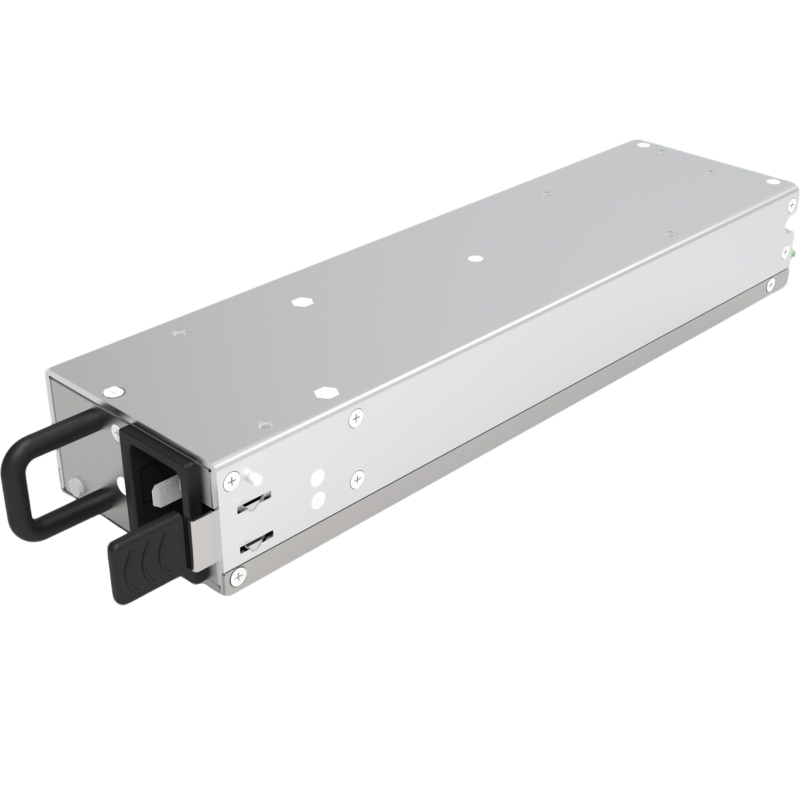
| Power | Main Output | Auxiliary | Input | Dimensions | Temp. Range | Cooling |
| (W) | Voltage (V) | Output | (VAC) | (mm³) | (°C) | Method |
| 3500 | 54 | 12V/36W | C20/100-240 | 265×73.5×40 | 0–45 | Conduction Cooling |
| Titanium-Level High-Efficiency Design | Based on a Titanium-level high-efficiency architecture, it comprehensively improves energy conversion efficiency, reduces system energy consumption and carbon emissions, and supports long-term cost optimization through greener energy savings. |
| Comprehensive Safety Protection | Built-in overcurrent, overvoltage, overtemperature, open-circuit and overload protection mechanisms ensure efficient and safe operation under extreme conditions, preventing equipment damage caused by power fluctuations or faults. |
| Online Hot-Swap Maintenance | Supports online hot-swap operation of power modules, enabling replacement without shutdown, shortening maintenance time and ensuring stable, continuous operation of critical systems. |
| Redundant Fault-Tolerant Operation | Provides N+1 and N+N redundancy modes to deliver stable power for critical high-load equipment, meeting high-reliability power requirements for key loads. |
| PMBus Intelligent Monitoring | Compatible with the PMBus protocol, supporting remote status monitoring, performance regulation and fault diagnosis to improve operation and maintenance efficiency and optimize energy management strategies. |
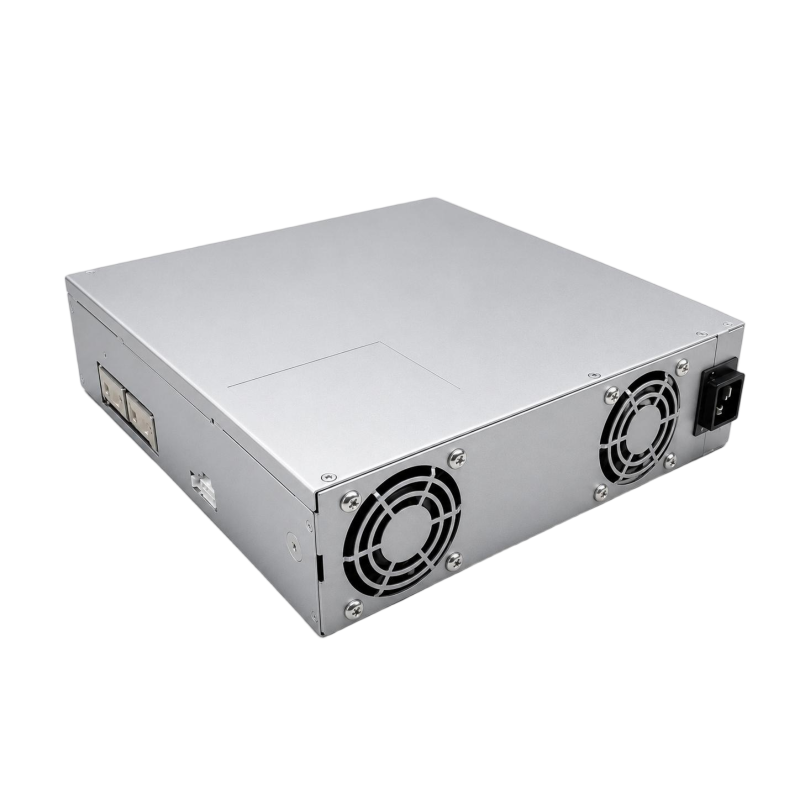
Air-Cooled Single-Phase Input Computing Server Power Supply
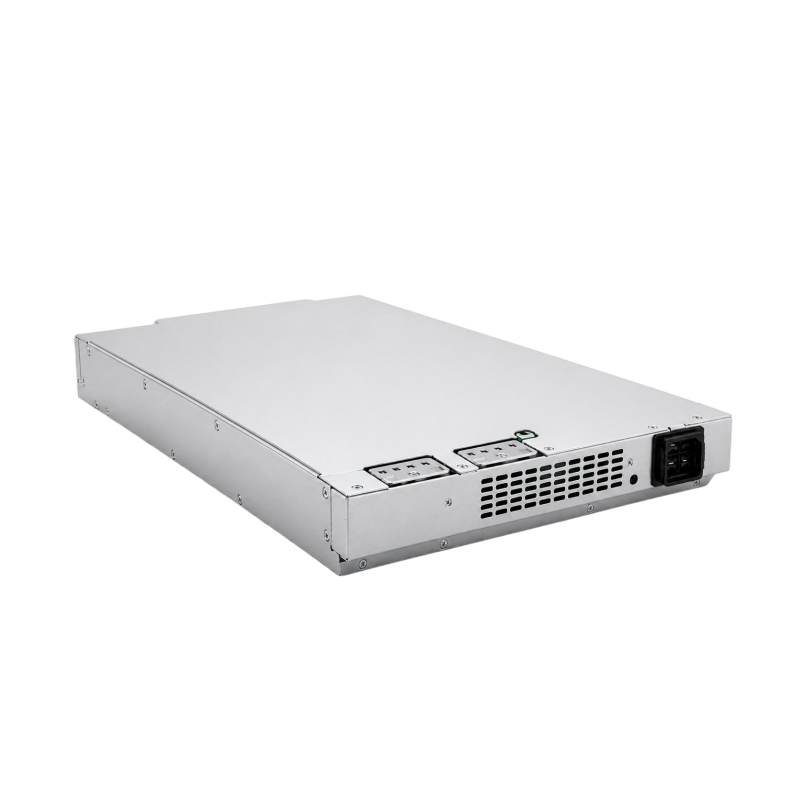
Cold Plate Liquid-Cooled Three-Phase Input Computing Server Power Supply
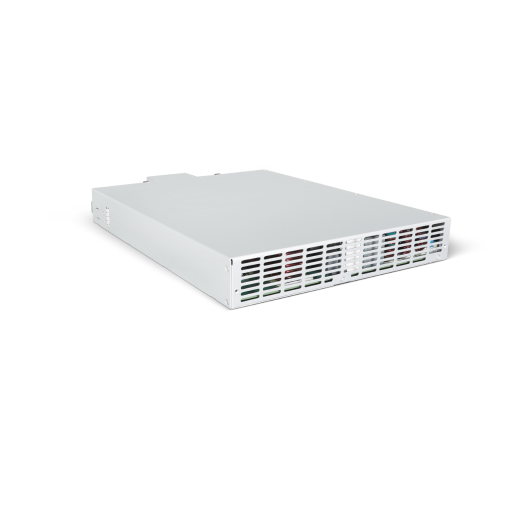
Immersion Liquid-Cooled Three-Phase Input Computing Server Power Supply
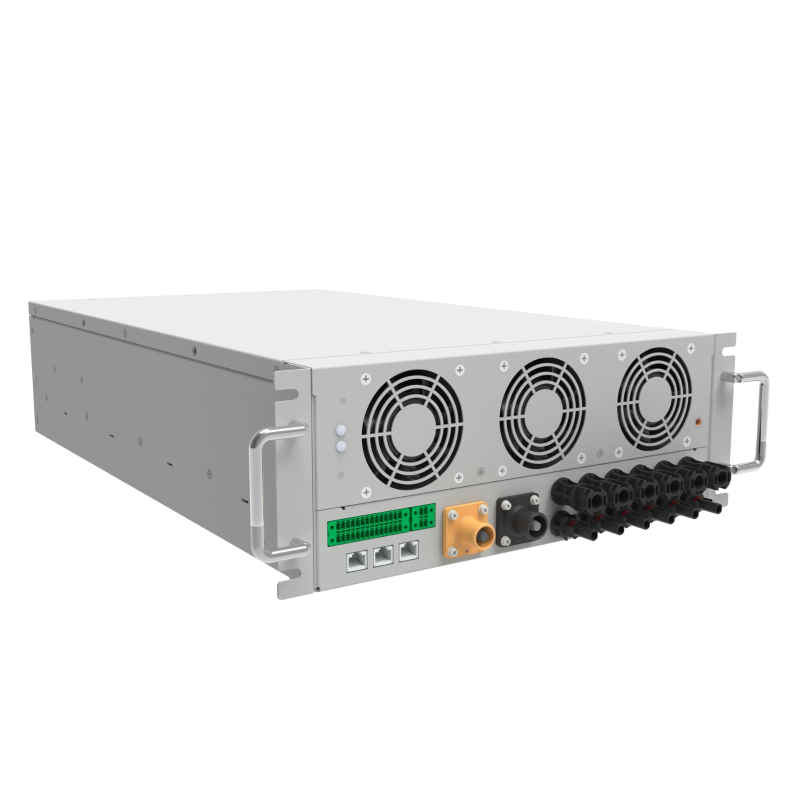
200kW MPPT Comet 200S