
 EN
EN
Quick Links
In Penglai, Shandong Province, there stands a power station that defies conventional definitions of energy infrastructure.
It does not generate electricity.
It does not burn coal.
It does not rely on government subsidies.
Yet every year, it processes 120 million kilowatt-hours of electricity, reduces carbon emissions by 45,600 tonnes, and generates approximately RMB 90,000 in daily revenue.

Developed by China Energy Investment Corporation (CHN Energy), the Penglai project is China’s first hybrid energy storage power station integrating four different storage technologies within a single system. In June 2025, the project officially entered commercial operation, marking a critical milestone in China’s transition from single-technology pilots to large-scale, integrated energy storage deployment.
For participating technology providers such as BOCO Electronics, the project represents a real-world validation of high-density, high-efficiency power conversion under the most demanding grid conditions.
Shandong is one of China’s largest renewable energy provinces. By 2024, installed renewable capacity had surpassed coal-fired power generation for the first time, driven by rapid expansion of solar and wind installations.
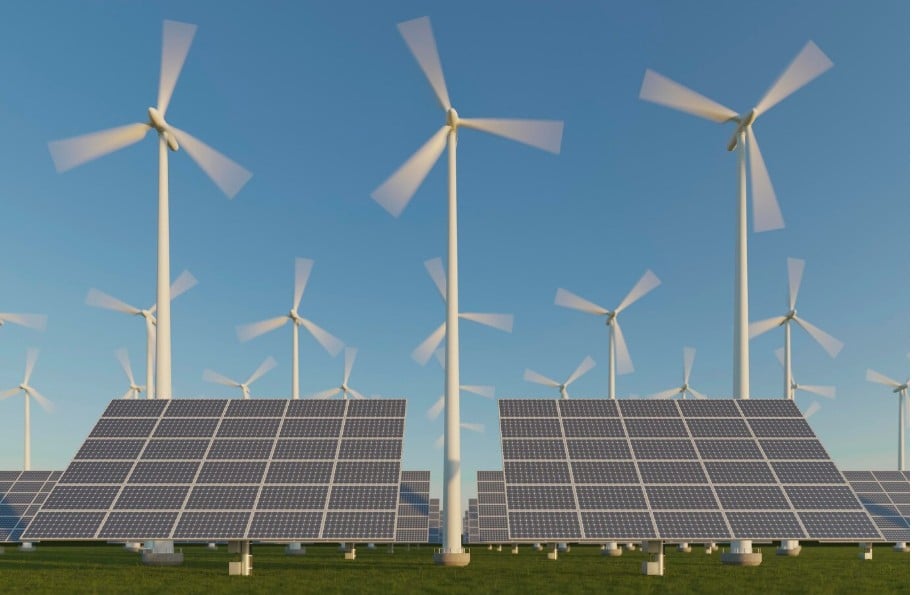
However, this progress also intensified a long-standing challenge: renewable curtailment.
As a result, clean electricity is often available but cannot be effectively utilized.
The Penglai hybrid storage station was designed as a system-level response to this imbalance. Acting as a large-scale energy buffer, the station absorbs surplus power during low-demand periods and releases it during peak hours. Beyond peak shaving and valley filling, it actively participates in frequency regulation, voltage support, and grid stability services, transforming energy storage from a passive asset into an active grid control resource.
Unlike conventional energy storage plants that rely on a single technology, the Penglai project integrates four distinct storage technologies, each selected for its specific operational strengths:
This multi-technology configuration allows the system to respond optimally across a wide range of operating scenarios—from rapid grid disturbances to long-duration energy shifting.
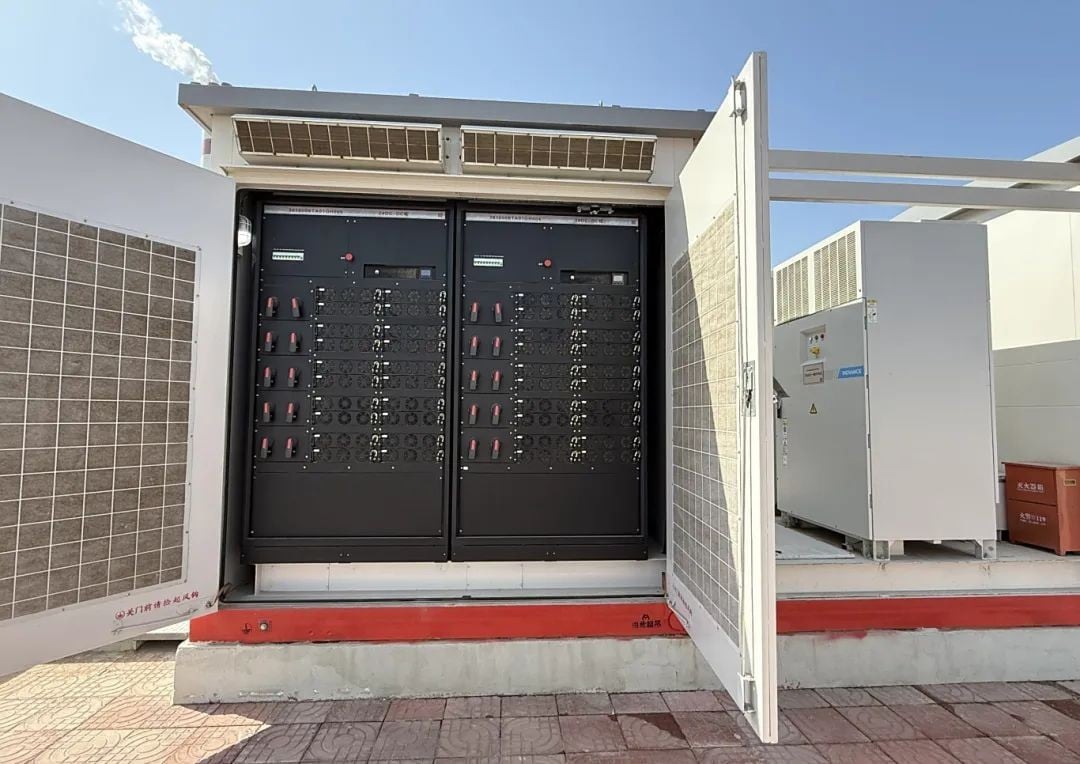
However, integrating such diverse technologies introduces major challenges in voltage compatibility, control stability, and real-time coordination. This is where BOCO Electronics’ Gemini 125 bidirectional buck-boost DC-DC converters play a critical role.
The Gemini 125 converter series serves as a key energy routing and regulation unit within the Penglai station. Designed for complex DC-coupled energy systems, the converter enables seamless interaction between batteries, renewable sources, and DC buses.
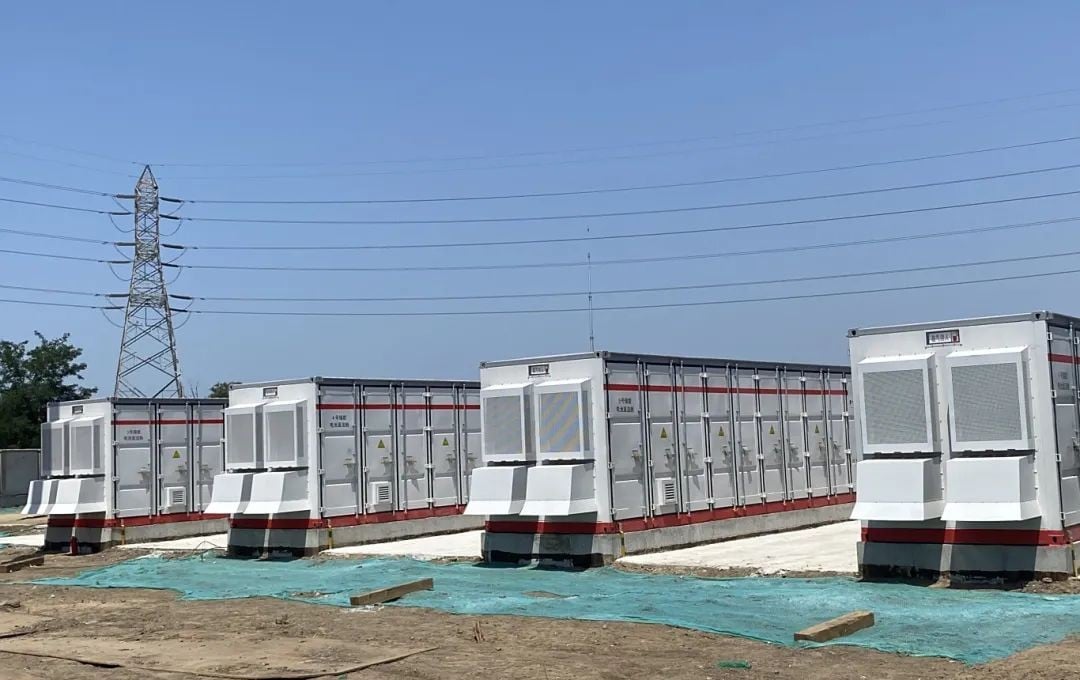
According to project engineers, system-level reliability was the top priority:
“When multiple storage technologies operate simultaneously, both the control system and the power conversion units must remain extremely stable. BOCO Electronics’ converters stood out for their compact design, flexible interfaces, and consistent operational reliability.”
The Gemini 125 supports a wide range of demanding application scenarios:
Historically, energy storage has often been perceived as a capital-intensive investment with long payback periods. The Penglai project challenges that perception with concrete performance data:
These results are not driven by subsidies, but by system efficiency, compatibility, and dispatch flexibility—areas where power conversion performance directly influences commercial returns.
The success of the Penglai hybrid storage station illustrates a broader shift in the energy industry: from technology demonstrations toward commercially viable, system-integrated solutions.
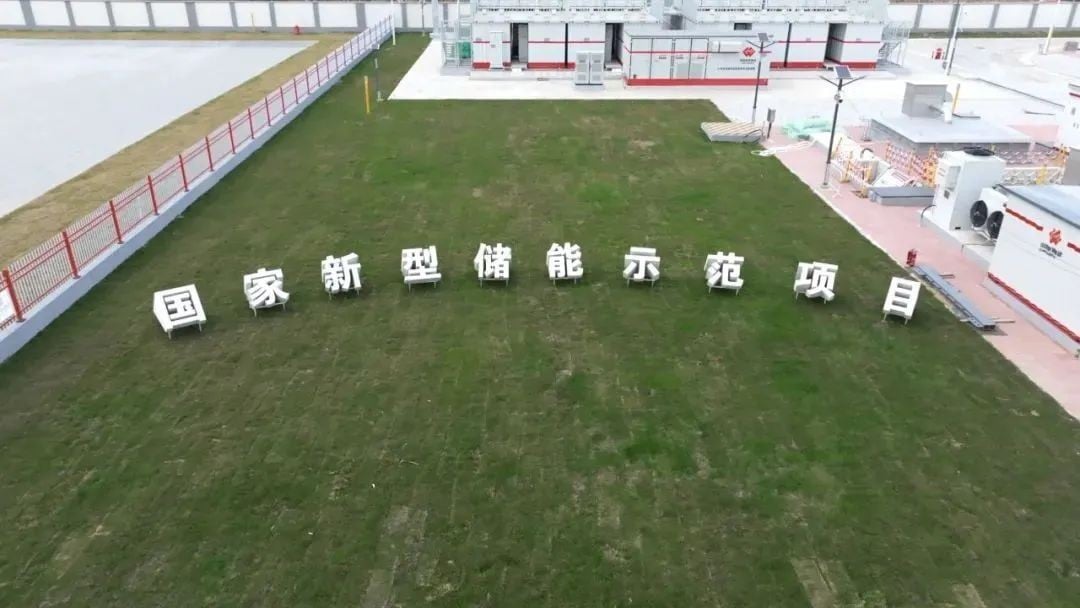
As China moves from thermal-dominated grid stabilization to storage-driven dispatch, the role of high-performance power conversion becomes increasingly central. BOCO Electronics continues to focus on engineering fundamentals—semiconductor selection, topology optimization, and system-level integration—to support this transition.
By enabling renewable energy to be stored reliably, released efficiently, and monetized effectively, BOCO Electronics aims to provide the “power conversion engine” behind the next generation of large-scale energy storage systems.
