
 EN
EN
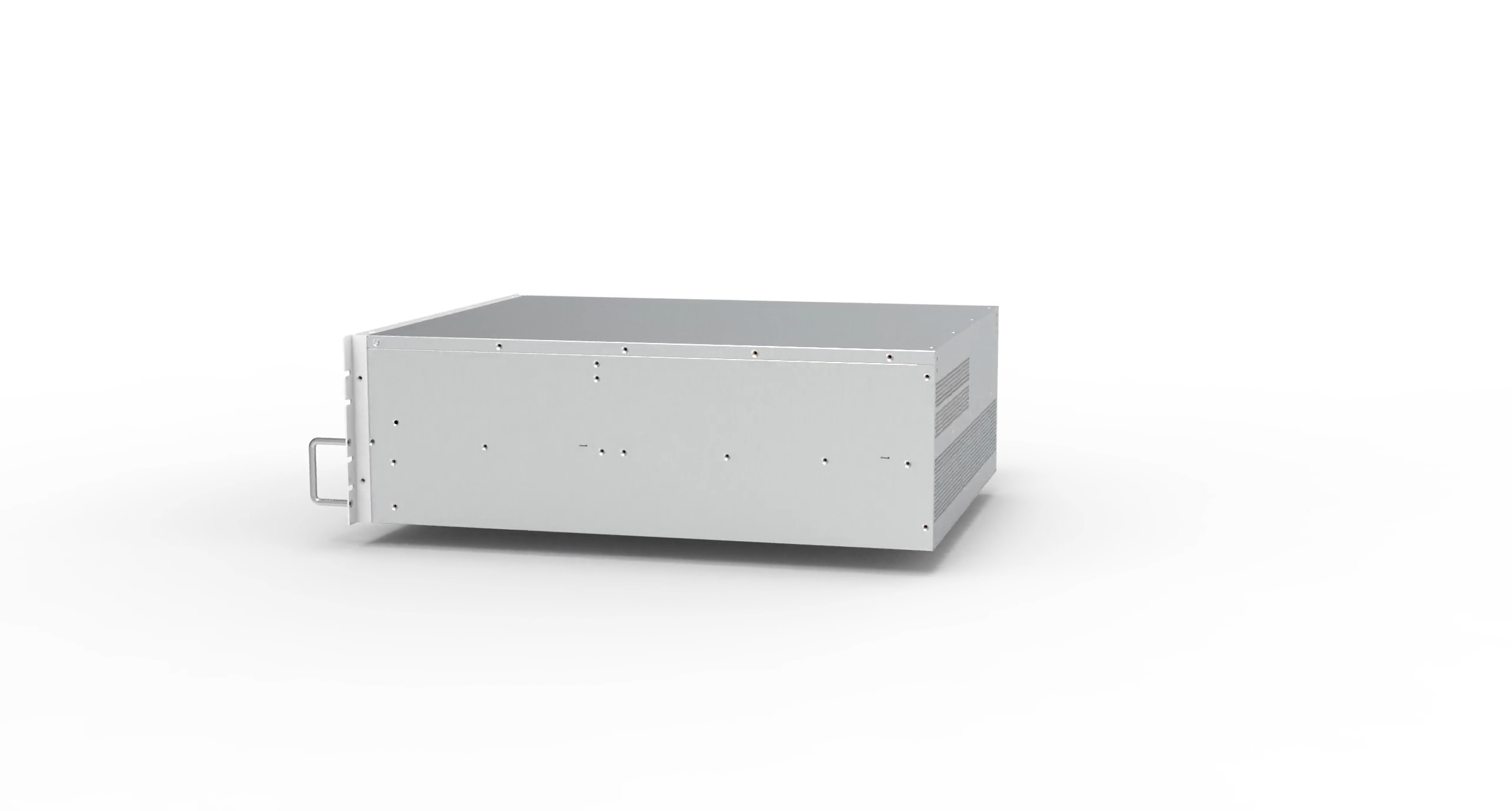
Server manufacturers across the globe increasingly recognize that thermal management stands as one of the most critical challenges in modern data center operations. The relentless demand for computational power, coupled with ever-shrinking physical footprints, has pushed thermal considerations to the forefront of server design. Among the various solutions available, implementing a high-efficiency PSU has emerged as the most effective strategy for controlling heat generation while maintaining optimal performance levels. This comprehensive approach addresses both immediate cooling requirements and long-term operational sustainability.
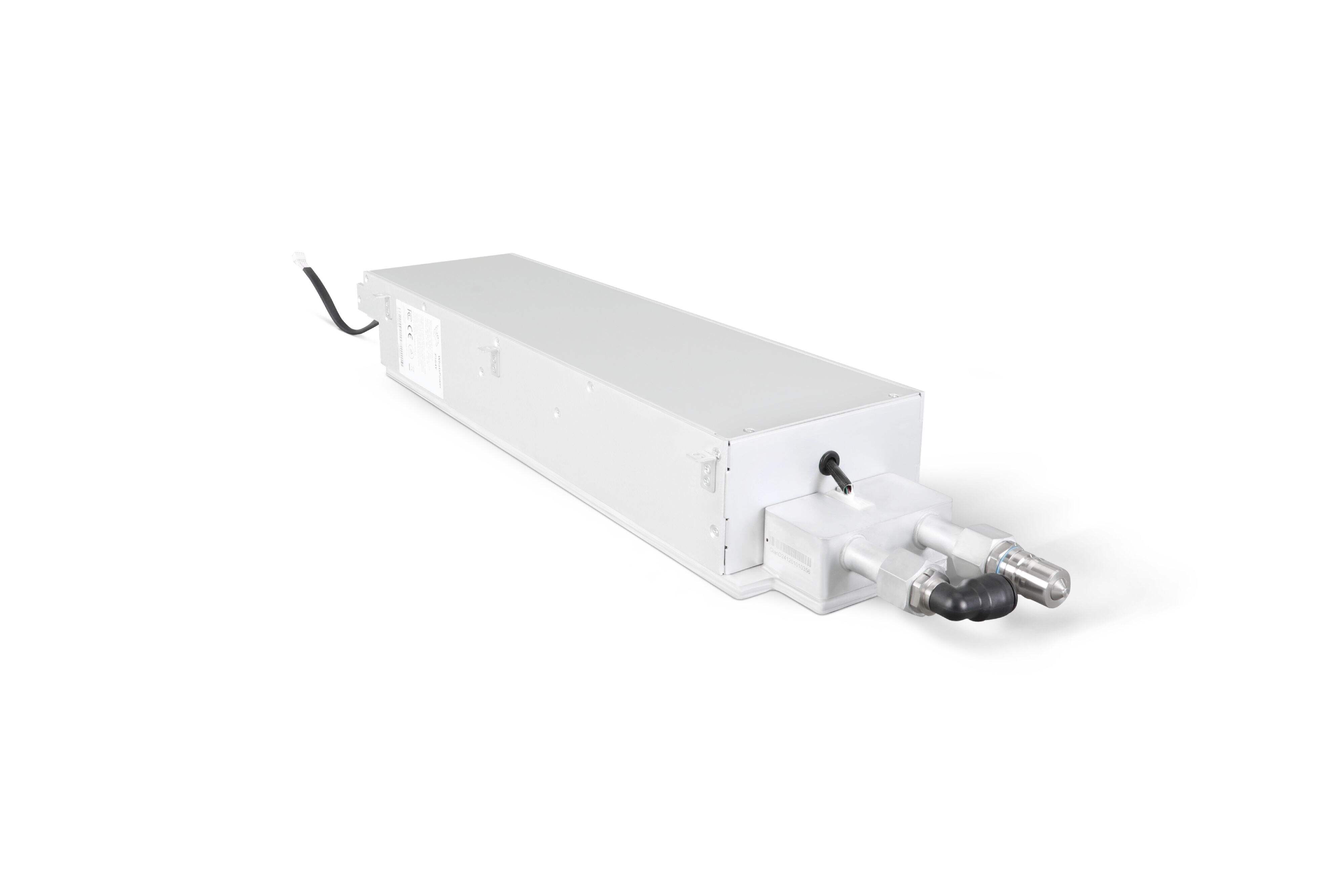
The fundamental relationship between power efficiency and thermal output creates a direct correlation that affects every aspect of server operation. When a high-efficiency PSU converts alternating current to direct current, it minimizes energy waste through reduced resistance and optimized switching mechanisms. This efficiency directly translates to lower heat generation, creating a cascading effect throughout the entire server ecosystem. Modern enterprise environments demand this level of thermal control to maintain consistent performance under varying load conditions.
Understanding Power Supply Efficiency in Server Environments
The Science Behind Efficiency Ratings
Power supply efficiency represents the ratio between useful output power and total input power, expressed as a percentage. A high-efficiency PSU typically achieves efficiency ratings between 90% and 96%, meaning only 4% to 10% of input energy converts to heat instead of useful power. This seemingly small percentage difference creates substantial thermal management advantages in large-scale server deployments. The 80 PLUS certification program establishes industry standards for measuring and validating these efficiency claims across different load conditions.
Advanced switching topologies, including resonant converters and synchronous rectification, enable modern power supplies to achieve these impressive efficiency levels. These technologies reduce switching losses and conduction losses that traditionally generate unwanted heat. The implementation of wide bandgap semiconductors like silicon carbide and gallium nitride further enhances efficiency by operating at higher frequencies with lower losses. These technological advances directly support superior thermal management in server applications.
Load Variation Impact on Thermal Performance
Server workloads rarely operate at constant power levels, creating dynamic thermal challenges that require sophisticated power management strategies. A high-efficiency PSU maintains consistent efficiency across varying load conditions, from light background processing to peak computational demands. This load-independent efficiency ensures predictable thermal behavior regardless of server utilization patterns. Traditional power supplies often exhibit significant efficiency drops at low loads, creating unnecessary heat generation during idle periods.
Dynamic load management becomes particularly critical in virtualized environments where multiple workloads share physical resources. The ability of a high-efficiency PSU to maintain optimal performance across these varying conditions directly impacts overall thermal stability. This consistency enables more accurate thermal modeling and allows cooling systems to operate more efficiently. The result is improved system reliability and reduced cooling infrastructure requirements.
Thermal Density Challenges in Modern Server Design
Heat Concentration in Compact Form Factors
Contemporary server architectures pack increasingly powerful processors, memory modules, and storage devices into progressively smaller chassis configurations. This miniaturization creates unprecedented thermal density challenges that traditional cooling methods struggle to address effectively. The concentrated heat generation within confined spaces can create hotspots that compromise component reliability and system performance. A high-efficiency PSU addresses this challenge by reducing one of the primary internal heat sources.
Blade server configurations exemplify these thermal density challenges, with multiple high-performance computing units sharing limited airflow pathways. The cumulative heat generation from inefficient power supplies can overwhelm cooling capacity and create thermal bottlenecks. By implementing high-efficiency PSU technology, manufacturers can significantly reduce the thermal burden on cooling systems. This reduction allows for higher component density without compromising thermal management effectiveness.
Airflow Optimization and Thermal Pathways
Effective thermal management requires carefully designed airflow patterns that efficiently remove heat from critical components. Power supplies generate both localized heat and contribute to ambient temperature increases within the server chassis. A high-efficiency PSU produces less waste heat, allowing cooling airflow to focus on other heat-generating components like processors and graphics cards. This optimization improves overall thermal management effectiveness across the entire system.
Strategic placement of high-efficiency power supplies within server chassis enables more effective thermal zoning and airflow distribution. The reduced heat output allows for more flexible component positioning without creating thermal interference between subsystems. This flexibility supports better overall system design and enables manufacturers to optimize performance while maintaining thermal stability. The synergistic effect of efficient power conversion and intelligent thermal design delivers superior operational characteristics.
Economic Benefits of Thermal Control Through Efficient Power Supplies
Cooling Infrastructure Cost Reduction
Data center cooling costs represent a substantial portion of total operational expenses, often accounting for 30% to 40% of facility power consumption. Implementing high-efficiency PSU technology directly reduces these cooling requirements by minimizing heat generation at the source. This reduction allows facilities to operate with smaller, less energy-intensive cooling systems while maintaining optimal environmental conditions. The compounding effect of reduced heat generation and lower cooling demand creates significant long-term operational savings.
The relationship between power supply efficiency and cooling costs extends beyond immediate energy consumption to include infrastructure sizing and capital expenditures. Facilities equipped with high-efficiency PSU systems can implement smaller cooling systems, reducing both initial investment and ongoing maintenance costs. This economic advantage becomes increasingly significant as facility scale increases and energy costs continue rising. The total cost of ownership benefits justify the initial investment in premium efficiency power supply technology.
Extended Component Lifespan Through Temperature Management
Electronic component reliability exhibits strong temperature dependence, with higher operating temperatures significantly reducing expected lifespan and increasing failure rates. Every 10-degree Celsius reduction in operating temperature can double the expected lifespan of semiconductor components. A high-efficiency PSU contributes to lower overall system temperatures, directly improving component reliability and reducing maintenance costs. This reliability improvement extends across all system components, not just the power supply itself.
The cascading reliability benefits of improved thermal management affect warranty costs, replacement part inventory, and system downtime expenses. Organizations experience fewer component failures, reduced maintenance interventions, and improved system availability. These operational improvements translate to measurable return on investment that justifies the premium cost of high-efficiency PSU technology. The long-term economic benefits often exceed the initial investment within the first few years of operation.
Performance Advantages in High-Density Computing Applications
Processor Thermal Throttling Prevention
Modern processors implement thermal throttling mechanisms to prevent damage from excessive heat, automatically reducing performance when temperature thresholds are exceeded. These protective measures maintain component safety but significantly impact computational performance during peak demand periods. A high-efficiency PSU reduces ambient temperatures within server chassis, providing additional thermal headroom that delays or prevents thermal throttling activation. This thermal margin translates directly to sustained high-performance operation.
High-performance computing applications, artificial intelligence workloads, and database operations particularly benefit from consistent thermal conditions that prevent performance degradation. The predictable thermal environment enabled by efficient power supplies allows system administrators to maintain consistent performance levels without unexpected slowdowns. This reliability becomes crucial for mission-critical applications where performance consistency directly affects business operations and user experience.
Memory and Storage Performance Optimization
Memory modules and solid-state storage devices exhibit temperature-sensitive performance characteristics that affect overall system responsiveness. Elevated temperatures can reduce memory access speeds, increase error rates, and shorten component lifespan. A high-efficiency PSU contributes to cooler operating environments that optimize memory and storage performance across all operating conditions. This optimization ensures consistent data access patterns and reliable storage operations.
The thermal stability provided by efficient power supplies enables more aggressive memory timings and higher storage throughput without compromising reliability. System designers can implement higher-performance configurations knowing that thermal management systems can maintain optimal operating conditions. This capability supports advanced server configurations that maximize computational density while preserving component reliability and performance consistency.
Environmental and Sustainability Considerations
Carbon Footprint Reduction Through Efficiency
The environmental impact of data center operations has become a significant concern for organizations worldwide, driving initiatives to reduce carbon footprints and improve sustainability metrics. A high-efficiency PSU directly contributes to these goals by reducing overall energy consumption and associated greenhouse gas emissions. The efficiency improvements translate to measurable reductions in facility power demand and corresponding environmental benefits. These improvements align with corporate sustainability goals and regulatory requirements for environmental responsibility.
Organizations pursuing carbon neutrality or net-zero emissions targets find that power supply efficiency represents one of the most effective strategies for reducing operational environmental impact. The combination of reduced energy consumption and lower cooling requirements creates multiplicative environmental benefits. These improvements support sustainability reporting requirements and demonstrate corporate commitment to environmental stewardship while delivering tangible operational benefits.
Regulatory Compliance and Energy Standards
Government regulations increasingly mandate energy efficiency standards for commercial and industrial equipment, including server power supplies. The European Union's Energy-related Products Directive and similar regulations in other jurisdictions establish minimum efficiency requirements that drive adoption of high-efficiency PSU technology. Compliance with these standards requires manufacturers to implement advanced power supply designs that inherently provide superior thermal management characteristics.
Future regulatory trends indicate continuing tightening of efficiency standards and expanding scope of covered equipment types. Organizations that proactively adopt high-efficiency PSU technology position themselves to meet evolving regulatory requirements without costly retrofits or equipment replacements. This forward-looking approach ensures long-term compliance while capturing immediate operational benefits from improved thermal management and reduced energy consumption.
Technical Implementation Strategies
System Integration Considerations
Successful implementation of high-efficiency PSU technology requires careful consideration of system integration factors including power distribution, thermal interfaces, and monitoring capabilities. The reduced heat output of efficient power supplies may require adjustment of cooling system controls and thermal management algorithms. System designers must account for these changes to optimize overall thermal performance and prevent overcooling that wastes energy. Proper integration ensures maximum benefit realization from efficiency improvements.
Monitoring and telemetry systems play crucial roles in maximizing the benefits of high-efficiency PSU implementations. Advanced power supplies provide detailed operational data including efficiency metrics, thermal performance, and load characteristics. This information enables proactive thermal management and allows administrators to optimize cooling systems based on actual rather than theoretical heat loads. The integration of power supply telemetry with facility management systems creates opportunities for additional efficiency improvements.
Selection Criteria for Optimal Performance
Selecting appropriate high-efficiency PSU solutions requires evaluation of multiple technical parameters including efficiency curves, thermal characteristics, reliability specifications, and compatibility requirements. The optimal choice depends on specific application requirements, environmental conditions, and performance expectations. Factors such as load profiles, operating temperature ranges, and reliability requirements influence the selection process and determine which efficiency technologies provide the greatest benefits.
Advanced features such as digital control, adaptive efficiency optimization, and predictive thermal management enhance the value proposition of premium high-efficiency PSU solutions. These capabilities enable dynamic optimization based on real-time operating conditions and support integration with intelligent facility management systems. The additional functionality justifies premium pricing through enhanced operational benefits and improved thermal management effectiveness.
FAQ
What efficiency rating should I look for in a server power supply for optimal thermal management
For optimal thermal management in server applications, look for power supplies with 80 PLUS Titanium certification or higher, which guarantees minimum 94% efficiency at 50% load. High-efficiency PSU units with 96% or higher efficiency provide the best thermal management benefits by minimizing waste heat generation. Consider the efficiency curve across different load conditions, as servers rarely operate at constant power levels.
How much heat reduction can I expect from upgrading to a high-efficiency power supply
Upgrading from an 85% efficient power supply to a 95% efficient unit can reduce heat generation by approximately 60% for the same power output. For example, a 1000W server load would generate 176W of waste heat with the standard unit versus only 53W with the high-efficiency PSU. This substantial reduction in heat generation directly translates to lower cooling requirements and improved thermal conditions.
Do high-efficiency power supplies require special cooling considerations
High-efficiency PSU units actually simplify cooling requirements due to their lower heat generation. However, they may require adjustment of facility cooling controls to prevent overcooling and wasted energy. The reduced thermal load allows for more flexible server placement and potentially higher rack densities. Monitoring systems should be updated to account for the lower heat output when calculating cooling requirements.
What is the typical return on investment for upgrading to high-efficiency server power supplies
The return on investment for high-efficiency PSU upgrades typically ranges from 18 to 36 months, depending on energy costs and facility cooling efficiency. The savings come from both reduced electricity consumption and lower cooling costs. In facilities with high energy costs or limited cooling capacity, the payback period can be as short as 12 months. Additional benefits include improved component reliability and extended equipment lifespan.
Table of Contents
- Understanding Power Supply Efficiency in Server Environments
- Thermal Density Challenges in Modern Server Design
- Economic Benefits of Thermal Control Through Efficient Power Supplies
- Performance Advantages in High-Density Computing Applications
- Environmental and Sustainability Considerations
- Technical Implementation Strategies
-
FAQ
- What efficiency rating should I look for in a server power supply for optimal thermal management
- How much heat reduction can I expect from upgrading to a high-efficiency power supply
- Do high-efficiency power supplies require special cooling considerations
- What is the typical return on investment for upgrading to high-efficiency server power supplies