
 EN
EN
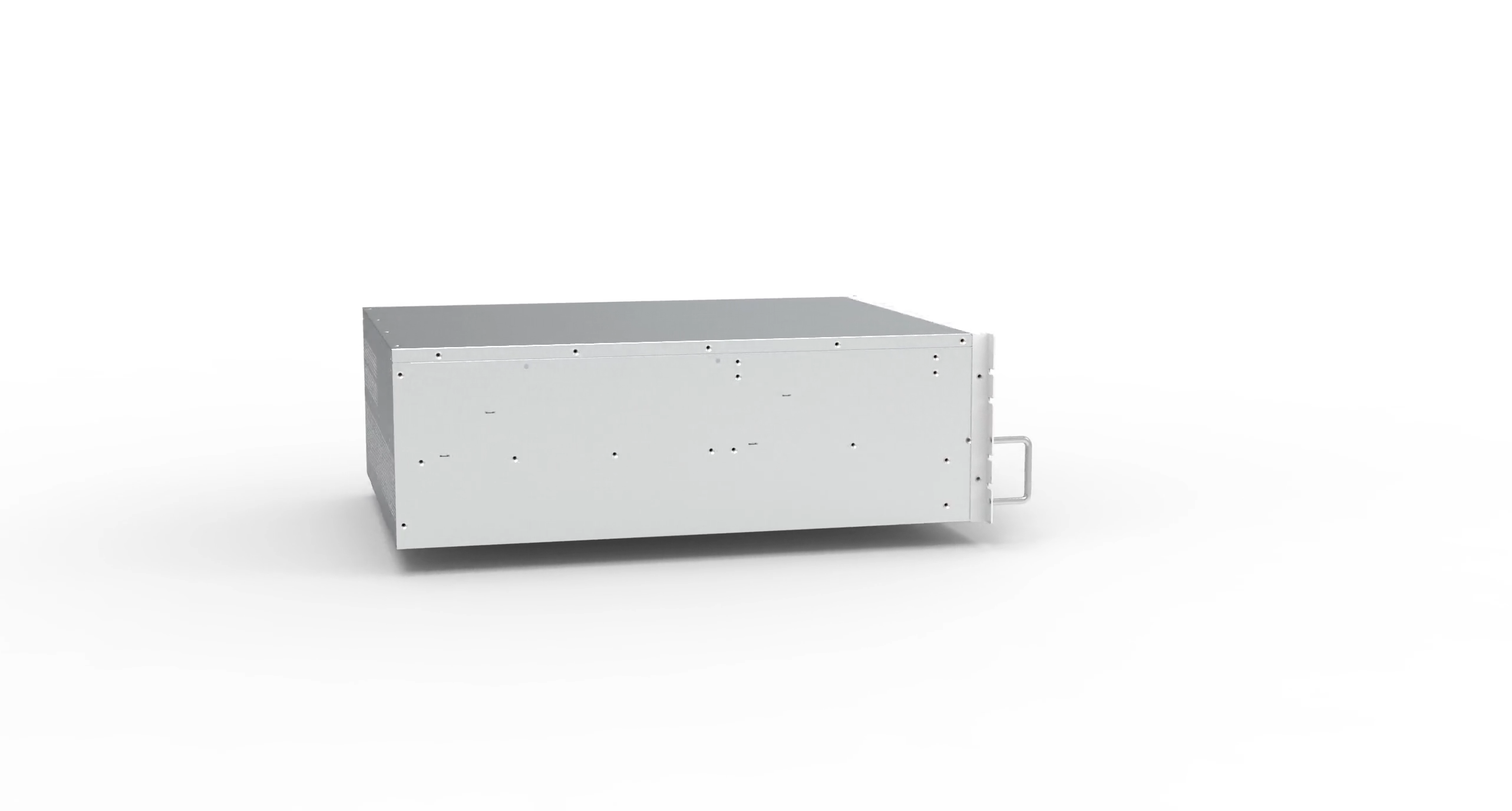
The explosive growth of artificial intelligence data centers (AIDC) has created unprecedented power density demands that traditional air-cooled infrastructure simply cannot handle efficiently. As AI workloads continue to push thermal boundaries and energy consumption to new heights, data center operators are discovering that conventional cooling methods are becoming the primary bottleneck in achieving optimal performance and sustainability. This fundamental shift in computational requirements is driving the industry toward innovative thermal management solutions that can support the next generation of high-performance computing environments.
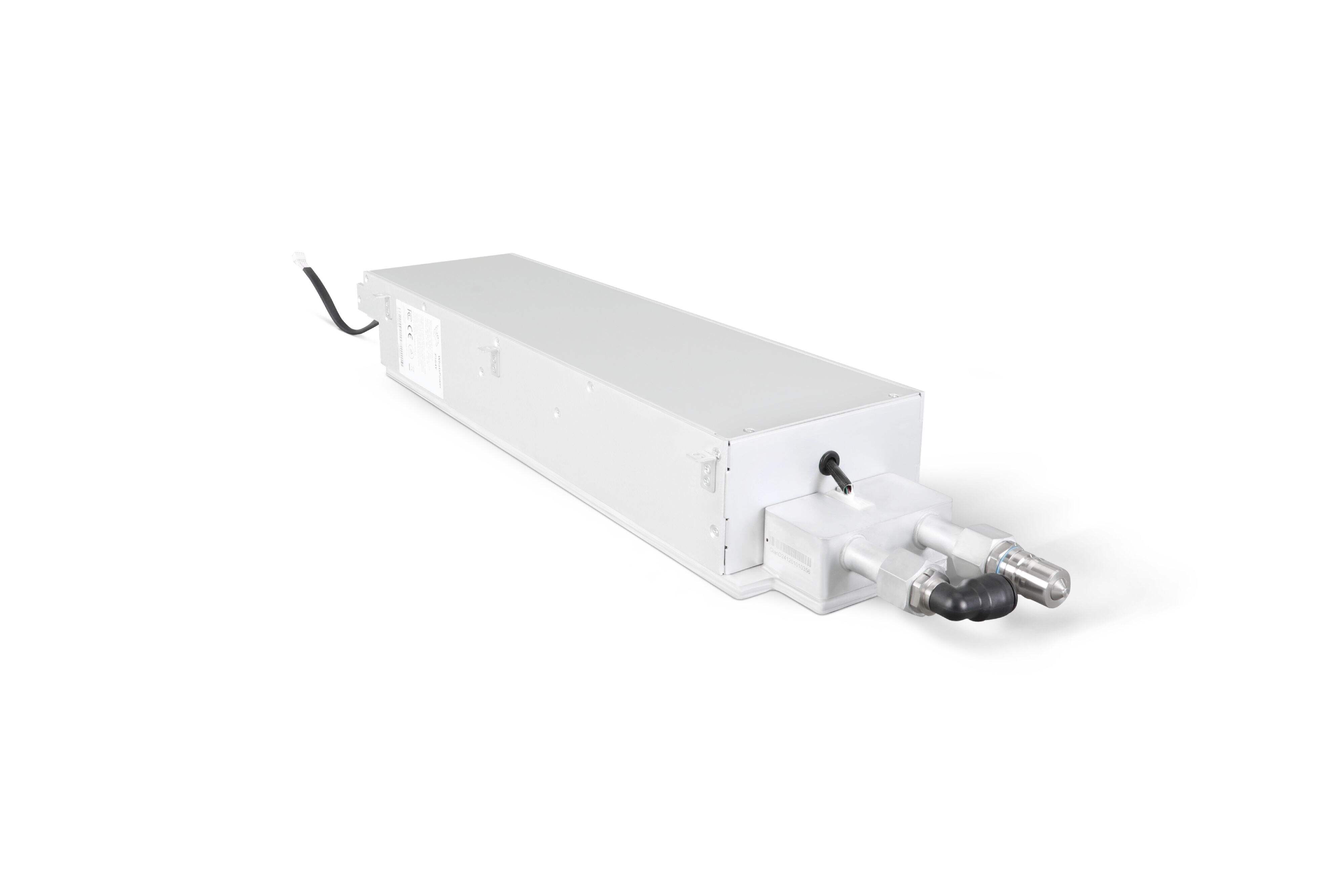
The emergence of liquid cooled power supply technology represents a revolutionary approach to addressing these thermal challenges while simultaneously improving energy efficiency and reducing operational costs. Unlike traditional air-cooled systems that rely on ambient air circulation and mechanical fans, liquid cooled power supply units utilize advanced coolant circulation to directly remove heat from critical components. This targeted thermal management approach enables data centers to achieve dramatically higher power densities while maintaining optimal operating temperatures and extending equipment lifespan across their AI infrastructure.
The Thermal Limitations of Traditional Air-Cooled Systems
Heat Dissipation Challenges in High-Density Environments
Modern AI data centers face an unprecedented thermal management crisis as computational demands continue to escalate beyond traditional cooling capabilities. Air-cooled power supplies, which have served the industry adequately for decades, are now encountering fundamental limitations when dealing with the concentrated heat loads generated by advanced GPU clusters and tensor processing units. The primary challenge stems from the relatively poor heat transfer coefficient of air compared to liquid coolants, which restricts the ability to efficiently remove heat from densely packed electronic components.
The physics of heat transfer reveal why air-cooled systems struggle in high-density applications. Air has a thermal conductivity of approximately 0.025 watts per meter-kelvin, while water-based coolants can achieve thermal conductivities exceeding 0.6 watts per meter-kelvin. This fundamental difference means that a liquid cooled power supply can remove heat nearly 25 times more effectively than its air-cooled counterpart, making it essential for applications where space constraints and power density requirements exceed traditional thermal management capabilities.
Energy Efficiency Limitations and Operating Costs
Air-cooled power supplies in high-density AIDC environments require significant auxiliary power consumption to maintain adequate cooling through high-velocity fans and increased airflow systems. These mechanical cooling components can consume between 15-25% of the total power supply capacity, representing a substantial operational overhead that directly impacts the facility's power usage effectiveness ratio. Additionally, the acoustic noise generated by high-speed cooling fans creates environmental challenges that limit deployment options and increase operational complexity.
The cascading effect of insufficient cooling extends beyond immediate thermal management concerns to impact overall system reliability and maintenance requirements. When air-cooled power supplies operate at elevated temperatures due to inadequate heat dissipation, component degradation accelerates, leading to reduced equipment lifespan and increased replacement costs. This thermal stress also forces conservative power ratings and safety margins that limit the actual usable capacity of the power supply, further reducing the overall efficiency of the AI data center infrastructure.
Superior Thermal Performance of Liquid Cooled Power Supply Technology
Advanced Heat Transfer Mechanisms
The fundamental advantage of liquid cooled power supply systems lies in their ability to leverage the superior thermal properties of liquid coolants for direct heat removal from critical power conversion components. By incorporating coolant circulation directly into the power supply design, these systems eliminate the thermal resistance associated with air gaps and convective heat transfer limitations. The coolant flows through precisely engineered channels and heat exchangers that make direct contact with high-heat components such as power semiconductors, transformers, and rectifier assemblies.
Modern liquid cooled power supply designs utilize sophisticated heat exchanger geometries that maximize surface area contact between the coolant and heat-generating components. These micro-channel heat exchangers can achieve heat transfer coefficients that are orders of magnitude higher than traditional air-cooled finned heat sinks. The result is dramatically improved thermal performance that enables the power supply to operate at higher power densities while maintaining optimal junction temperatures and component reliability standards.
Precise Temperature Control and Thermal Stability
One of the most significant advantages of liquid cooled power supply technology is the ability to maintain precise temperature control across varying load conditions and ambient temperatures. The thermal mass of the coolant system provides natural temperature buffering that reduces thermal cycling stress on electronic components. This stable thermal environment is particularly critical for AI data center applications where power loads can fluctuate rapidly based on computational demands and workload scheduling.
The closed-loop design of liquid cooled power supply systems also enables integration with facility-wide thermal management infrastructure, allowing for coordinated cooling strategies that optimize overall data center efficiency. By connecting the liquid cooled power supply to centralized chilled water systems or dedicated coolant distribution networks, facility operators can achieve unprecedented control over thermal management while reducing the overall cooling infrastructure footprint required for high-density AI deployments.
Energy Efficiency and Sustainability Advantages
Reduced Auxiliary Power Consumption
The elimination of high-power cooling fans represents one of the most immediate energy efficiency benefits of liquid cooled power supply technology. Traditional air-cooled systems require substantial electrical power to drive the mechanical cooling components necessary for adequate heat dissipation. In contrast, liquid cooled power supply systems rely on low-power circulation pumps that consume a fraction of the energy required by equivalent air-cooling systems, typically reducing auxiliary power consumption by 70-85%.
This reduction in auxiliary power consumption directly translates to improved overall system efficiency and reduced operational costs. For high-density AI data centers operating thousands of power supplies, the cumulative energy savings can represent millions of kilowatt-hours annually. The improved efficiency also reduces the facility's carbon footprint and supports sustainability initiatives that are becoming increasingly important for data center operators facing regulatory and corporate environmental responsibility requirements.
Enhanced Power Conversion Efficiency
The superior thermal management capabilities of liquid cooled power supply technology enable power conversion components to operate at optimal temperatures, which directly improves conversion efficiency. Power semiconductors, inductors, and capacitors all exhibit temperature-dependent efficiency characteristics, with cooler operation typically resulting in reduced switching losses and improved overall performance. The precise temperature control achieved through liquid cooling allows these components to operate within their most efficient temperature ranges consistently.
Additionally, the stable thermal environment provided by liquid cooled power supply systems enables the use of advanced power conversion topologies and higher switching frequencies that would be thermally prohibitive with air-cooled designs. These advanced designs can achieve conversion efficiencies exceeding 96%, compared to typical air-cooled systems that struggle to maintain efficiency above 92% under high-load conditions. This efficiency improvement becomes particularly significant in AI data centers where power consumption can reach megawatt levels.
Scalability and Future-Proofing for AI Infrastructure
Support for Increasing Power Density Requirements
The rapid evolution of AI hardware continues to drive power density requirements beyond the capabilities of traditional cooling infrastructure. Next-generation GPU clusters and specialized AI accelerators are projected to require power densities exceeding 100 kilowatts per rack, which represents a fundamental challenge for air-cooled power supplies. Liquid cooled power supply technology provides the thermal headroom necessary to support these increasing power density requirements without compromising reliability or efficiency.
The modular nature of liquid cooled power supply systems also enables flexible scaling to meet evolving computational requirements. As AI workloads continue to grow and new hardware generations demand higher power levels, facilities equipped with liquid cooled power supply infrastructure can adapt more readily than those constrained by the thermal limitations of air-cooled systems. This scalability advantage provides significant long-term value for data center operators planning for future growth and technology evolution.
Integration with Advanced Cooling Technologies
The liquid cooled power supply technology serves as a foundational component for implementing advanced cooling strategies such as direct liquid cooling of processors and immersion cooling systems. By establishing a liquid cooling infrastructure at the power supply level, facilities create the foundation for comprehensive thermal management systems that can support the most demanding AI workloads. This integrated approach to cooling enables data center operators to achieve power densities and efficiency levels that would be impossible with traditional air-cooled infrastructure.
Furthermore, liquid cooled power supply systems can integrate with renewable energy sources and waste heat recovery systems to maximize overall facility efficiency. The thermal energy captured from the power supply cooling system can be utilized for facility heating or integrated into district heating networks, creating additional value from what would otherwise be waste heat. This integration capability positions liquid cooled power supply technology as a key component of sustainable data center design and operation.
Implementation Considerations and Best Practices
System Design and Integration Requirements
Successful implementation of liquid cooled power supply technology requires careful consideration of coolant selection, circulation system design, and integration with existing facility infrastructure. The coolant must be compatible with the materials used in the power supply construction while providing optimal thermal performance and long-term stability. Common coolant options include deionized water, propylene glycol mixtures, and specialized dielectric fluids, each offering different performance characteristics and compatibility requirements.
The circulation system design must account for flow rates, pressure requirements, and redundancy considerations to ensure reliable operation under all operating conditions. Proper sizing of circulation pumps, heat exchangers, and coolant reservoirs is essential for maintaining optimal thermal performance while minimizing energy consumption. Integration with facility monitoring systems enables real-time optimization of cooling performance and early detection of potential issues that could impact system reliability.
Maintenance and Operational Considerations
While liquid cooled power supply systems offer significant performance advantages, they require specialized maintenance procedures and operational expertise to ensure long-term reliability. Regular coolant quality monitoring, system leak detection, and circulation pump maintenance are essential components of a comprehensive maintenance program. Facility operators must develop appropriate procedures for coolant replacement, system flushing, and component inspection to maintain optimal performance throughout the system lifecycle.
Training personnel on liquid cooled power supply technology is crucial for successful implementation and operation. Technical staff must understand the unique requirements of liquid cooling systems, including safety procedures for coolant handling, troubleshooting techniques for circulation systems, and emergency response protocols for coolant leaks. This investment in training and operational expertise ensures that facilities can realize the full benefits of liquid cooled power supply technology while maintaining high levels of reliability and safety.
FAQ
What are the main advantages of liquid cooled power supply systems compared to air-cooled alternatives?
Liquid cooled power supply systems offer superior heat transfer capabilities, reduced noise levels, higher power density support, and improved energy efficiency compared to air-cooled systems. The liquid coolant can remove heat approximately 25 times more effectively than air, enabling operation at higher power levels while maintaining optimal component temperatures. Additionally, the elimination of high-power cooling fans reduces auxiliary power consumption by 70-85% and virtually eliminates acoustic noise, making them ideal for high-density AI data center applications.
How does liquid cooled power supply technology support the increasing power demands of AI infrastructure?
AI hardware continues to evolve toward higher power densities that exceed the thermal management capabilities of traditional air-cooled systems. Liquid cooled power supply technology provides the thermal headroom necessary to support next-generation AI accelerators and GPU clusters that may require power densities exceeding 100 kilowatts per rack. The superior cooling performance enables data centers to deploy more powerful AI hardware while maintaining reliability and efficiency standards.
What are the key implementation considerations for deploying liquid cooled power supply systems?
Successful implementation requires careful selection of appropriate coolants, proper circulation system design, and integration with existing facility infrastructure. Key considerations include coolant compatibility with system materials, adequate flow rates and pressure requirements, redundancy planning, and integration with facility monitoring systems. Additionally, facilities must develop specialized maintenance procedures and provide appropriate training for technical personnel to ensure long-term reliability and optimal performance.
Are there any potential drawbacks or challenges associated with liquid cooled power supply technology?
While liquid cooled power supply systems offer significant advantages, they do require more complex installation procedures, specialized maintenance expertise, and higher initial capital investment compared to air-cooled alternatives. Potential concerns include coolant leakage risks, circulation pump reliability, and the need for coolant quality monitoring. However, these challenges are generally outweighed by the performance benefits and long-term operational savings, particularly in high-density AI applications where traditional cooling methods are inadequate.
Table of Contents
- The Thermal Limitations of Traditional Air-Cooled Systems
- Superior Thermal Performance of Liquid Cooled Power Supply Technology
- Energy Efficiency and Sustainability Advantages
- Scalability and Future-Proofing for AI Infrastructure
- Implementation Considerations and Best Practices
-
FAQ
- What are the main advantages of liquid cooled power supply systems compared to air-cooled alternatives?
- How does liquid cooled power supply technology support the increasing power demands of AI infrastructure?
- What are the key implementation considerations for deploying liquid cooled power supply systems?
- Are there any potential drawbacks or challenges associated with liquid cooled power supply technology?