
 EN
EN
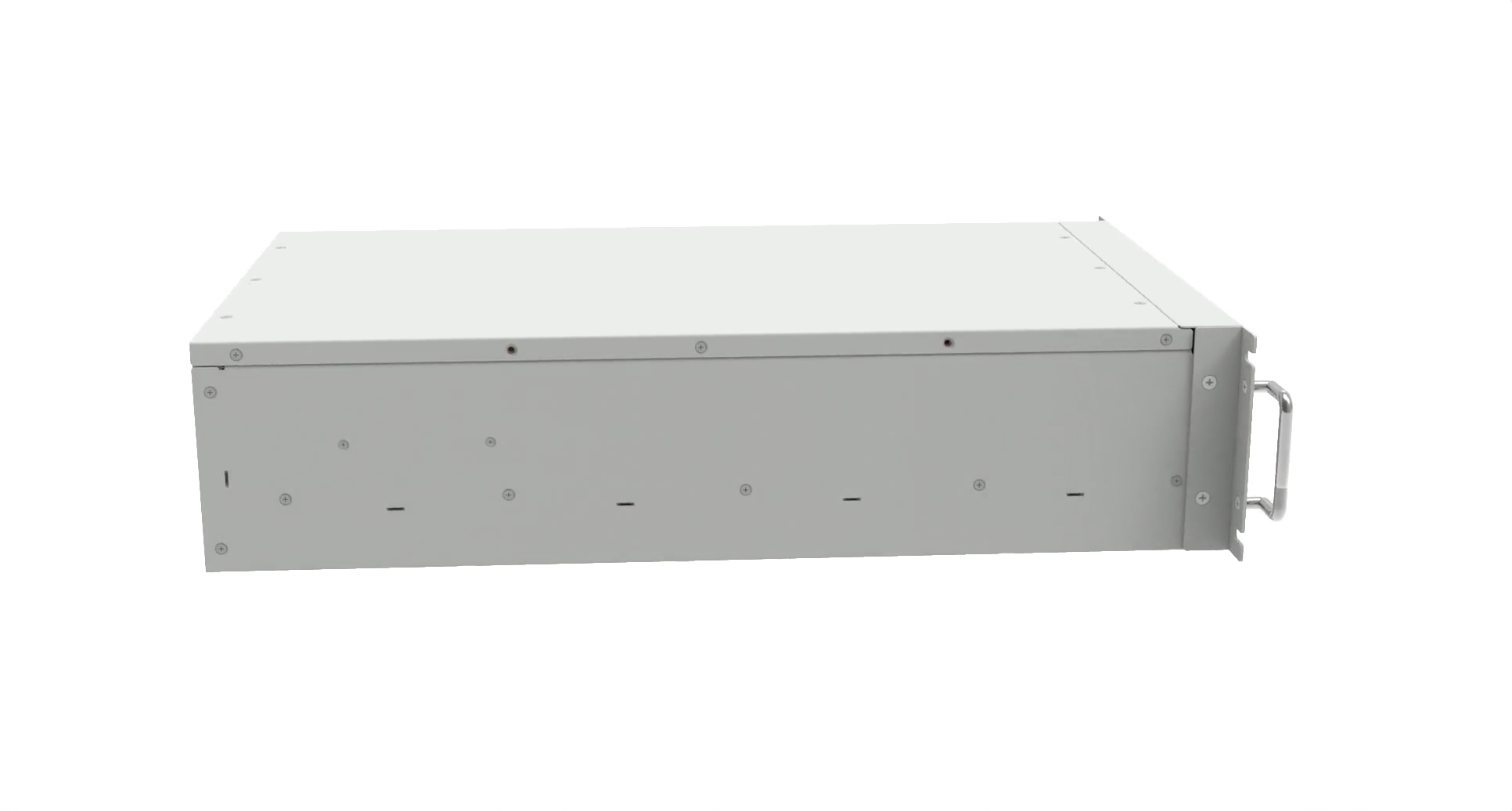
The evolution of modern power distribution systems demands advanced solutions that can handle complex energy flow patterns. An isolated bidirectional DC-DC converter represents a critical technology for DC microgrids, enabling seamless power transfer in multiple directions while maintaining electrical isolation between input and output stages. This capability is essential for systems that must balance renewable energy sources, battery storage, and variable loads in real time. Understanding why an isolated bidirectional DC-DC converter has become indispensable for DC microgrids requires examining the technical foundations, operational advantages, and practical implementation considerations that make this technology uniquely suited for contemporary energy management challenges.
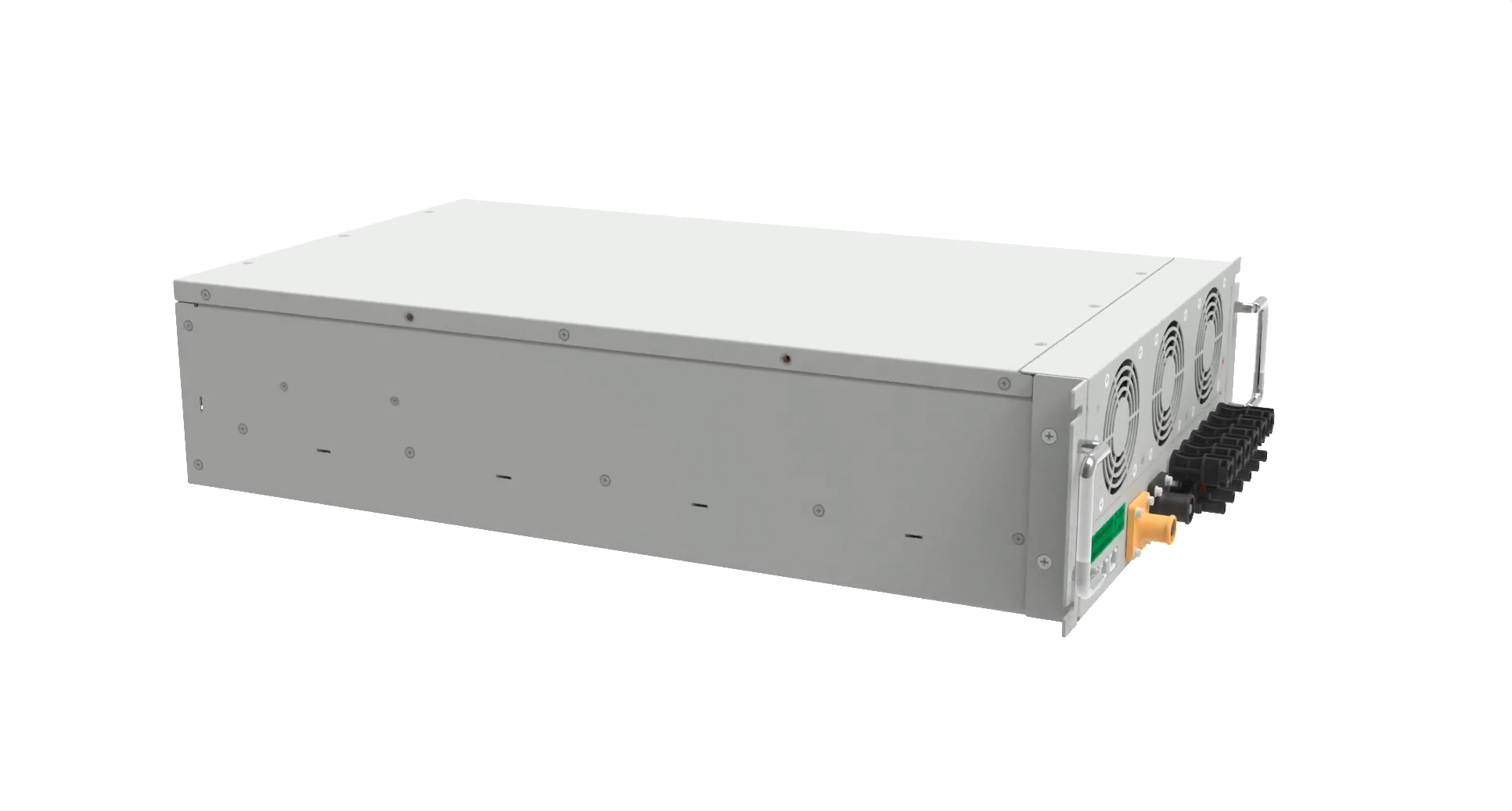
DC microgrids represent a fundamental shift in how distributed energy resources are managed and integrated. Unlike traditional AC systems, DC microgrids eliminate the complexity of frequency synchronization and reactive power compensation, directly connecting renewable sources, storage systems, and loads through DC distribution networks. An isolated bidirectional DC-DC converter serves as the intelligent interface between different voltage domains within these networks, allowing energy to flow bidirectionally while protecting sensitive components from fault conditions through galvanic isolation. This dual functionality—isolation and bidirectional capability—distinguishes these converters from conventional unidirectional power electronics and makes them essential for robust, flexible microgrid operations.
Electrical Isolation and System Protection
Galvanic Isolation Benefits in DC Microgrids
Galvanic isolation provided by an isolated bidirectional DC-DC converter eliminates direct electrical connections between input and output circuits, creating a safety barrier that prevents ground-loop currents and reduces electromagnetic interference throughout the microgrid. This isolation is particularly important in DC microgrids where multiple distributed sources operate at different voltage levels and may have independent ground references. By deploying an isolated bidirectional DC-DC converter, system designers ensure that fault conditions in one section of the network cannot cascade through direct electrical paths to other critical components. The transformer-based isolation mechanism also provides inherent protection against common-mode voltage transients and switching-induced noise that could otherwise compromise sensitive measurement and control circuits.
Fault Tolerance and System Reliability
An isolated bidirectional DC-DC converter significantly enhances microgrid reliability by containing electrical faults within specific network segments. When a ground fault or short circuit occurs on one side of the converter, the isolation barrier prevents current from flowing directly through parallel paths, allowing protection devices to operate selectively and isolate only the affected section. This selective isolation prevents blackout conditions that might result from uncontrolled fault current distribution in unisolated systems. Furthermore, the robust design of modern isolated bidirectional DC-DC converter topologies typically includes advanced current limiting and thermal shutdown features that protect against overload conditions and extend component lifetime in demanding industrial applications.
Bidirectional Power Flow and Energy Management
Dynamic Power Bidirectionality in Battery Systems
Battery energy storage systems represent a core element of DC microgrids, requiring the ability to both absorb excess generated power and supply power to loads during generation shortfalls. An isolated bidirectional DC-DC converter enables this dynamic functionality by maintaining active control over power flow direction regardless of instantaneous voltage differences between the battery and main microgrid bus. This capability is critical for frequency regulation, voltage support, and load leveling functions that demand rapid transitions between charging and discharging modes. The converter's bidirectional architecture allows battery management systems to implement sophisticated control algorithms that optimize state of charge, cycle life, and overall energy utilization efficiency across multiple connected sources and loads simultaneously.
Renewable Energy Integration and Load Matching
Solar photovoltaic systems and wind generators often produce power at voltage levels and power qualities that differ significantly from what battery banks and DC loads require. An isolated bidirectional DC-DC converter provides the necessary voltage transformation and power conditioning to interface renewable sources directly with storage and load buses while maintaining bidirectional capability for coordinated energy management. When solar output exceeds immediate load demand, the converter can intelligently direct excess power toward battery charging or other energy storage media. Conversely, during low renewable generation periods, the same converter can draw power from storage systems to supply critical loads, all while maintaining galvanic isolation that protects sensitive renewable energy electronics from voltage transients originating elsewhere in the microgrid.
Voltage Regulation and Control Flexibility
Multi-Level Voltage Support in Heterogeneous Networks
Real-world DC microgrids frequently incorporate equipment operating at multiple voltage standards—solar arrays at one level, battery systems at another, and diverse loads at intermediate voltages. An isolated bidirectional DC-DC converter provides precise voltage transformation across these heterogeneous domains while maintaining the flexibility required for dynamic load balancing and source integration. By incorporating advanced control algorithms, this converter maintains stable output voltage despite input fluctuations from renewable sources or changes in load conditions. This voltage regulation capability is essential for protecting sensitive digital equipment, LED lighting systems, and industrial control electronics that require stable DC supply voltage to function reliably and safely throughout the microgrid operational envelope.
Control Bandwidth and Dynamic Response
The control bandwidth of an isolated bidirectional DC-DC converter directly determines how quickly the system can respond to sudden changes in load demand or renewable generation. Modern converter designs achieve millisecond-scale response times through fast-acting current controllers and intelligent switching algorithms that detect and compensate for disturbances in real time. This rapid dynamic response prevents voltage collapse scenarios that could otherwise trigger cascading failures throughout the DC microgrid. Furthermore, coordinated control of multiple converters within a single microgrid architecture enables sophisticated power management strategies such as virtual synchronous machine behavior and droop-based voltage sharing, which improve overall system stability without requiring complex communication infrastructure or centralized control systems.
FAQ
What makes galvanic isolation necessary in an isolated bidirectional DC-DC converter for microgrids?
Galvanic isolation in an isolated bidirectional DC-DC converter prevents ground-loop currents, eliminates direct fault propagation paths, and protects sensitive control electronics from voltage transients. In DC microgrids with multiple independent voltage sources and diverse grounding schemes, this isolation is critical for reliable, safe operation and selective fault handling that contains problems within specific network segments.
How does an isolated bidirectional DC-DC converter enable battery energy storage in DC microgrids?
An isolated bidirectional DC-DC converter maintains active control over power flow in both directions regardless of voltage differences, allowing batteries to charge when excess generation is available and discharge when load demand exceeds renewable output. This bidirectional capability enables sophisticated energy management algorithms that optimize battery state of charge, cycle life, and system-wide efficiency while maintaining galvanic isolation from other microgrid components.
Can an isolated bidirectional DC-DC converter support multiple voltage levels within a single microgrid?
Yes, an isolated bidirectional DC-DC converter transforms voltage between input and output sides while enabling power transfer in both directions. This combination allows a single converter to interface equipment operating at different voltage standards—such as solar arrays, battery systems, and DC loads—within a heterogeneous DC microgrid, providing the flexibility and protection necessary for complex distributed energy resource integration.
Table of Contents
- Electrical Isolation and System Protection
- Bidirectional Power Flow and Energy Management
- Voltage Regulation and Control Flexibility
-
FAQ
- What makes galvanic isolation necessary in an isolated bidirectional DC-DC converter for microgrids?
- How does an isolated bidirectional DC-DC converter enable battery energy storage in DC microgrids?
- Can an isolated bidirectional DC-DC converter support multiple voltage levels within a single microgrid?