
 EN
EN
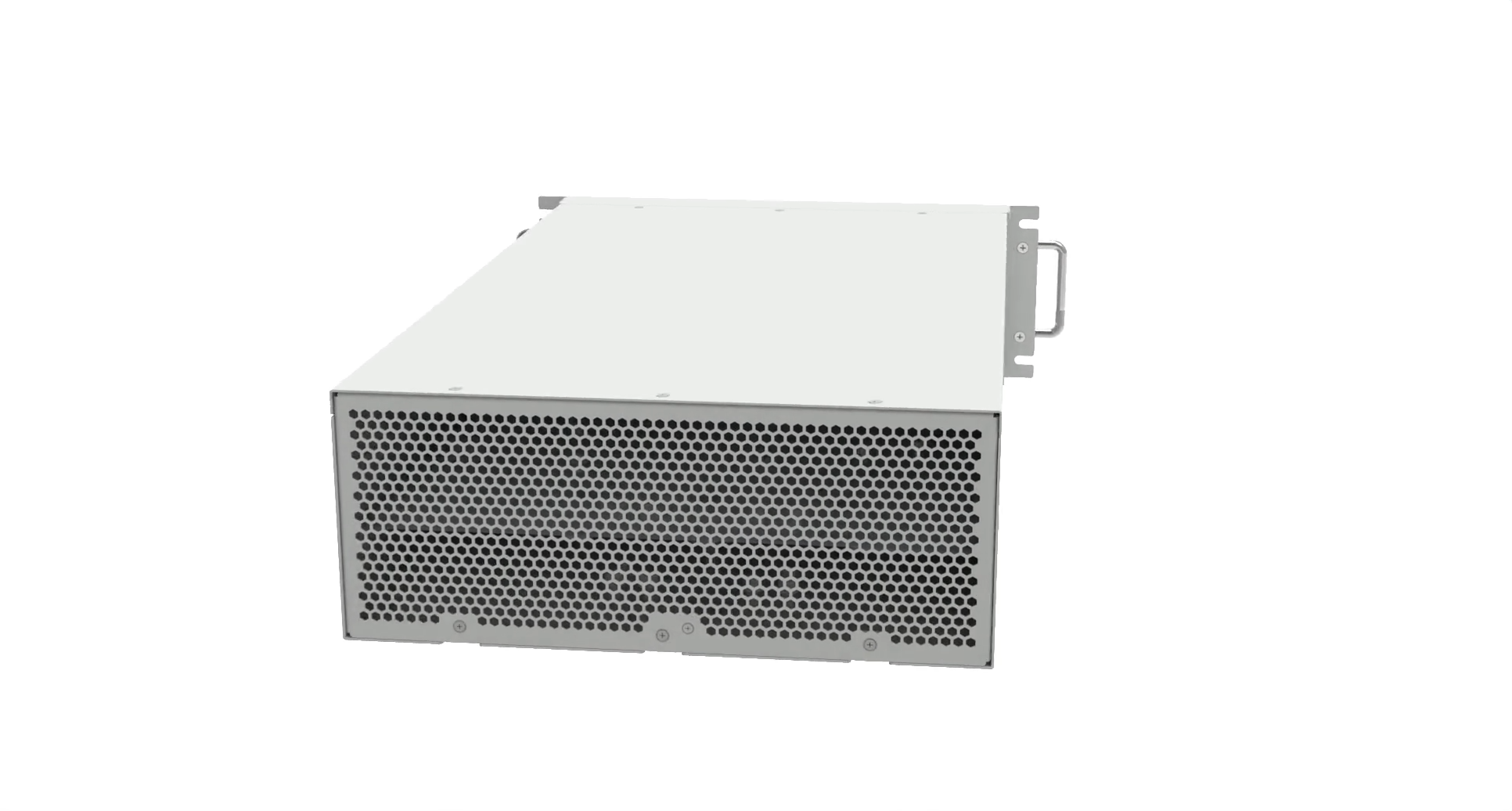
Hybrid energy storage systems are transforming industrial and commercial power management by combining multiple energy sources into unified, efficient networks. A bidirectional DC-DC module sits at the heart of this transformation, enabling seamless power flow between batteries, renewable sources, and load equipment. Organizations implementing a bidirectional DC-DC module report significant reductions in operational expenses, improved system reliability, and faster return on investment. Understanding how a bidirectional DC-DC module delivers these financial benefits requires examining the technical mechanisms, system integration strategies, and real-world deployment scenarios that define modern hybrid energy solutions.
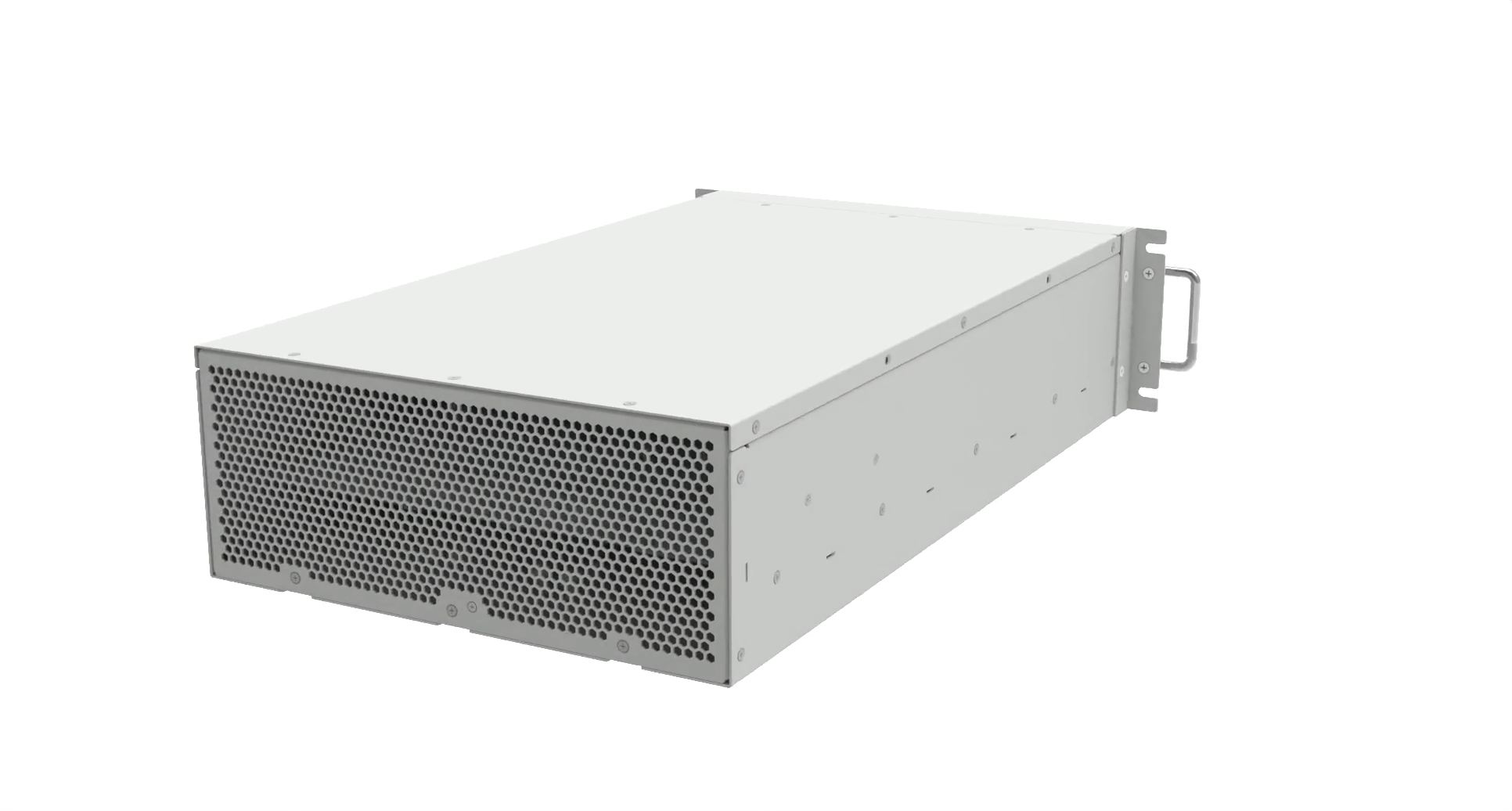
The economic advantage of a bidirectional DC-DC module emerges from its ability to manage energy flow in both directions with minimal losses. Unlike traditional unidirectional converters, a bidirectional DC-DC module enables battery systems to both store energy during low-demand periods and discharge during peak loads, creating flexible demand-response capabilities that reduce peak demand charges. This dual functionality within a single bidirectional DC-DC module eliminates the need for separate charging and discharging systems, directly lowering capital expenditure and simplifying system architecture.
Cost Reduction Through Efficient Power Conversion
Minimizing Energy Losses in Bidirectional Operation
A bidirectional DC-DC module achieves superior efficiency by using advanced semiconductor topologies and control algorithms that reduce switching losses and voltage drops across conversion stages. Modern bidirectional DC-DC modules operate at conversion efficiencies exceeding 96 percent in both charging and discharging modes, meaning minimal energy dissipates as heat. When a bidirectional DC-DC module operates across an entire year managing thousands of charge-discharge cycles, even small percentage improvements in efficiency translate into thousands of dollars saved in wasted energy. Industrial facilities operating continuous hybrid systems see cumulative energy savings that quickly offset the initial investment in quality bidirectional DC-DC module hardware.
Reducing Peak Demand Charges
Utility billing structures penalize facilities for peak power consumption through demand charges that often exceed energy charges by 50 to 300 percent. A bidirectional DC-DC module enables battery systems to shave peak loads by discharging stored energy during high-consumption periods, reducing the maximum demand recorded during billing windows. When a bidirectional DC-DC module dynamically manages peak shaving across multiple peak periods monthly, organizations frequently achieve demand charge reductions of 20 to 40 percent, generating annual savings that compound over time. The ability of a bidirectional DC-DC module to respond instantly to load changes makes it far more effective than passive storage approaches for demand management.
System Integration and Operational Benefits
Enabling Renewable Energy Utilization
Solar and wind generation creates intermittency challenges that force industrial facilities to purchase backup grid power or operate inefficient peaking equipment. A bidirectional DC-DC module solves this problem by efficiently storing excess renewable generation during high-production periods and then releasing that stored energy during low-generation periods when grid electricity costs more. The bidirectional DC-DC module essentially decouples renewable generation timing from consumption timing, allowing facilities to maximize self-consumption of renewable energy and minimize grid exports at unfavorable pricing. This capability of a bidirectional DC-DC module becomes increasingly valuable as renewable penetration increases and grid pricing structures reward self-sufficiency.
Extending Battery Lifespan and Reducing Maintenance
Battery degradation accelerates under high charge and discharge current stress, forcing costly early replacement and reducing storage system lifespan. A bidirectional DC-DC module incorporates current limiting and thermal management features that optimize charge rates and prevent stress-induced degradation, extending battery life by three to five years compared to unmanaged systems. By protecting batteries through intelligent power conditioning, a bidirectional DC-DC module transforms battery management from a cost center focused on replacement cycles into a value-creating asset that ages gracefully. Facilities operating a bidirectional DC-DC module report maintenance intervals stretching from annual to multi-year cycles, freeing skilled technicians from reactive battery management and reducing warranty claim processing.
Financial Modeling and Investment Justification
Quantifying Return on Investment
Financial analysis of a bidirectional DC-DC module implementation requires tracking multiple revenue streams including demand charge reduction, energy arbitrage, renewable curtailment prevention, and deferred equipment replacement. A typical industrial facility with a bidirectional DC-DC module-enabled 500 kWh battery system generates 150,000 to 250,000 dollars in annual financial benefits through combined mechanisms, creating payback periods of five to eight years depending on regional electricity pricing. Over a twenty-year equipment lifespan, a bidirectional DC-DC module generates total financial benefits exceeding the equipment investment by two to four times, justifying rapid deployment across industrial portfolios. The financial model of a bidirectional DC-DC module strengthens further in regions with aggressive demand charges, high renewable penetration requiring storage, or time-of-use pricing that rewards load shifting.
Comparing Bidirectional Against Traditional Approaches
Legacy facilities typically deploy separate unidirectional charging and discharging converters, redundant control systems, and complex interconnection logic that increases complexity and maintenance burden while reducing efficiency. A bidirectional DC-DC module consolidates these separate components into a single integrated solution, eliminating redundancy and simplifying operations through unified control. The space efficiency of a bidirectional DC-DC module also matters in facilities with constrained electrical rooms or containerized deployment scenarios where footprint directly impacts real estate costs. When comparing total cost of ownership including installation labor, commissioning time, and long-term maintenance overhead, a bidirectional DC-DC module delivers 30 to 50 percent lower installed costs than traditional multi-component approaches.
FAQ
How does a bidirectional DC-DC module improve hybrid energy storage economics?
A bidirectional DC-DC module reduces costs by minimizing energy conversion losses, enabling peak demand shaving, maximizing renewable energy self-consumption, and extending battery lifespan through intelligent power conditioning. The module's dual-direction capability eliminates redundant charging and discharging systems, lowering capital expenses while its high efficiency across both directions maximizes financial returns from each charge-discharge cycle over the system lifetime.
What efficiency levels does a modern bidirectional DC-DC module achieve?
Contemporary bidirectional DC-DC module designs achieve bidirectional conversion efficiencies exceeding 96 percent, meaning only 4 percent or less of energy converts to waste heat during each conversion direction. This efficiency performance ensures minimal energy loss during charge and discharge cycles, maximizing the energy actually available for consumption or grid interaction compared to lower-efficiency legacy converter designs.
How quickly can a bidirectional DC-DC module generate return on investment?
Typical industrial facilities implementing a bidirectional DC-DC module achieve payback periods of five to eight years through combined demand charge reduction, energy arbitrage, and equipment longevity benefits. The specific payback timeline depends on regional electricity pricing structures, facility load profiles, renewable generation availability, and the size of the battery system managed by the bidirectional DC-DC module.