
 EN
EN
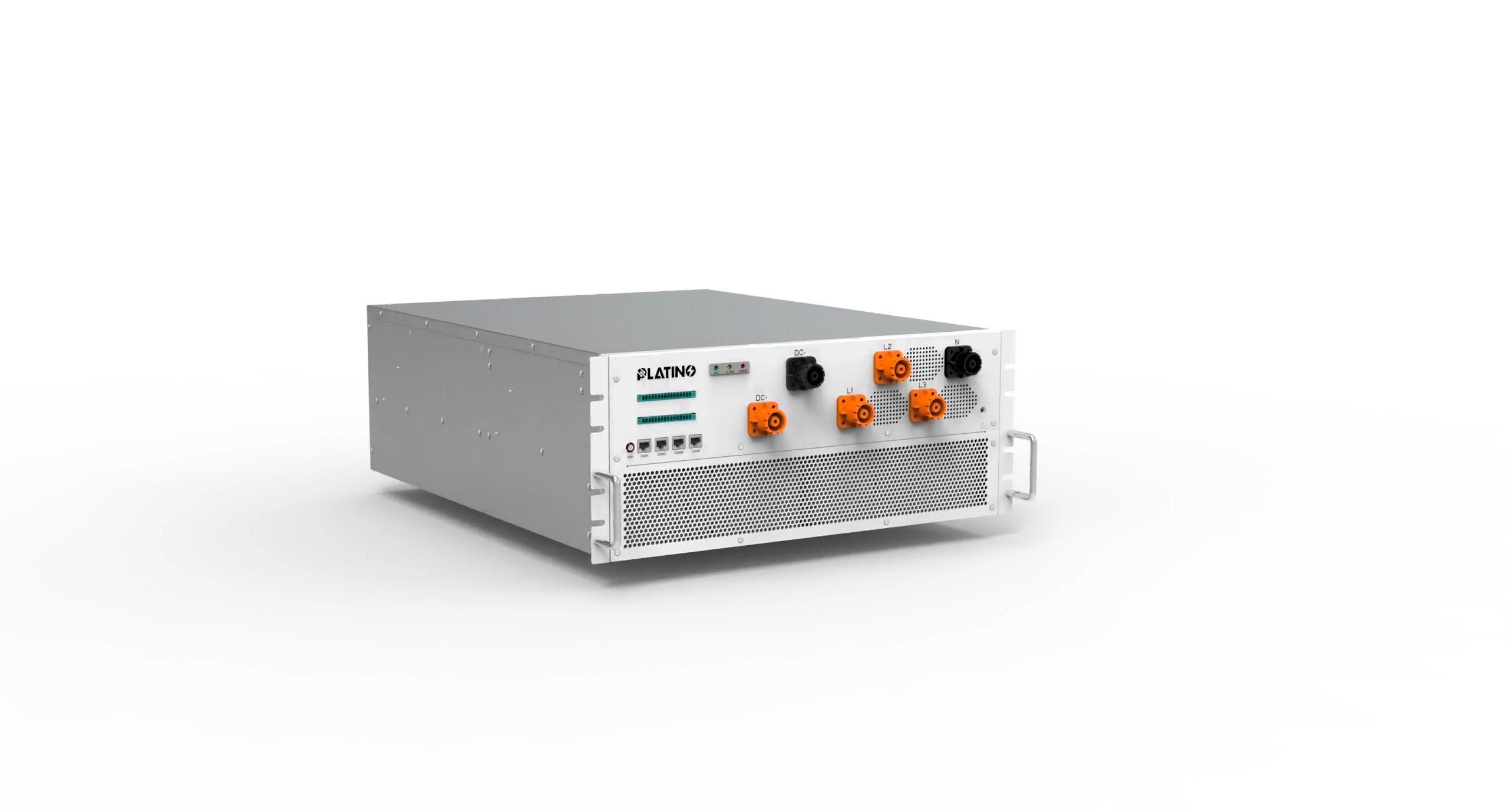
The rapid evolution of graphics processing units has created unprecedented thermal challenges for data centers and high-performance computing environments. As next-generation GPUs push power densities beyond 800 watts per card, traditional air-cooled power delivery systems are reaching their operational limits. The question of whether an immersion cooling power supply can effectively manage these extreme heat loads has become critical for organizations planning their infrastructure investments. Understanding the thermal capabilities and design considerations of immersion cooling power supply systems is essential for making informed decisions about next-generation GPU deployments.
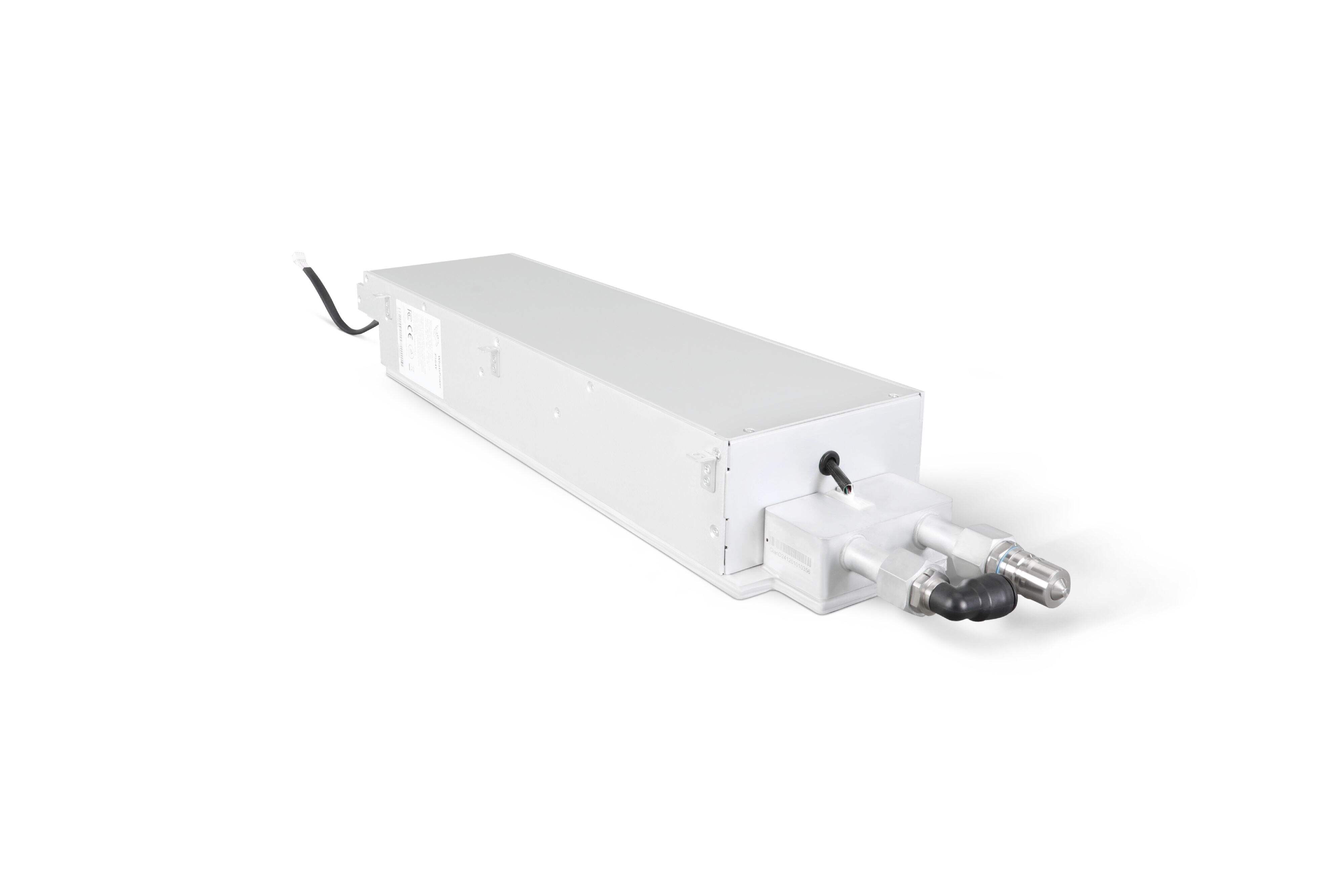
The answer is yes, but with important considerations regarding system design, fluid compatibility, and power supply architecture. Modern immersion cooling power supply systems are specifically engineered to operate in dielectric fluid environments while maintaining electrical isolation and thermal efficiency. However, the success of these systems depends on proper integration with the overall cooling infrastructure and careful attention to power delivery requirements. The thermal management capabilities of an immersion cooling power supply must be matched to the specific heat generation patterns and power consumption profiles of next-generation GPUs to achieve optimal performance.
Thermal Management Capabilities of Immersion Cooling Power Supplies
Heat Dissipation Mechanisms in Dielectric Fluids
An immersion cooling power supply operates through direct contact heat transfer with engineered dielectric fluids, creating a fundamentally different thermal management approach compared to traditional air-cooled systems. The power supply components are designed to transfer heat directly to the surrounding fluid medium, which then circulates to remove thermal energy from the system. This direct contact method eliminates the thermal resistance barriers present in air-cooled designs, allowing for more efficient heat removal from high-power components.
The effectiveness of heat dissipation in an immersion cooling power supply depends on the thermal properties of the dielectric fluid and the surface area available for heat transfer. Advanced power supply designs incorporate enhanced surface geometries and optimized component layouts to maximize the contact area between heat-generating elements and the cooling medium. The fluid circulation patterns within the immersion cooling power supply enclosure are carefully engineered to prevent hot spots and ensure uniform temperature distribution across all components.
Temperature control precision in immersion cooling power supply systems typically achieves better thermal stability than air-cooled alternatives, maintaining component temperatures within tighter operating ranges. This improved thermal control becomes increasingly important as next-generation GPUs generate heat in concentrated areas, requiring power supplies that can respond quickly to changing thermal loads. The thermal mass of the dielectric fluid also provides buffering against sudden temperature spikes during peak GPU operation periods.
Power Density and Component Protection
The design of an immersion cooling power supply must account for the unique challenges of operating electrical components in dielectric fluid environments. Specialized encapsulation techniques and material selection ensure that sensitive electronic components maintain their electrical properties while benefiting from direct thermal contact with the cooling medium. The power supply architecture typically includes redundant protection systems to prevent fluid contamination and maintain electrical isolation under all operating conditions.
Power density optimization in immersion cooling power supply designs allows for more compact form factors compared to air-cooled equivalents with similar thermal performance. The enhanced cooling capability enables closer component spacing and higher current densities without compromising reliability or component lifespan. This improved power density is particularly valuable in data center applications where rack space is limited and cooling infrastructure costs are significant.
Component protection strategies in an immersion cooling power supply include careful selection of materials that are compatible with the specific dielectric fluid being used. The long-term stability of seals, connectors, and insulation materials must be verified through extensive testing to ensure reliable operation throughout the expected system lifetime. Regular monitoring of fluid properties and component conditions helps maintain optimal performance and prevent degradation over time.
Next-Generation GPU Power Requirements
Power Consumption Characteristics of Advanced GPUs
Next-generation GPUs are pushing power consumption levels significantly higher than previous generations, with some high-performance models requiring 800 watts or more during peak operation. These power requirements create corresponding thermal loads that must be managed by the supporting power delivery infrastructure, including the immersion cooling power supply. The power consumption patterns of modern GPUs include both steady-state loads during sustained computational work and dynamic power spikes during intensive processing operations.
The electrical characteristics of next-generation GPUs require power supplies that can deliver precise voltage regulation and rapid response to load changes. An immersion cooling power supply must maintain stable output voltage despite the thermal variations that occur during GPU operation cycles. The power delivery topology within the immersion cooling power supply must be optimized for the specific voltage and current requirements of the target GPU architecture while maintaining high efficiency under varying load conditions.
Power quality requirements for next-generation GPUs include low ripple voltage, minimal electromagnetic interference, and stable power delivery during transient events. The design of an immersion cooling power supply must incorporate appropriate filtering and regulation circuits that can operate effectively in the dielectric fluid environment. Proper grounding and shielding techniques become even more critical when the power supply components are immersed in conductive or semi-conductive cooling media.
Thermal Load Distribution and Hot Spot Management
The thermal characteristics of next-generation GPUs create localized hot spots that can challenge the thermal management capabilities of any power delivery system. An immersion cooling power supply must be designed to handle not only the total heat generated by the GPU but also the thermal gradients created by uneven heat distribution across the GPU die and supporting components. Understanding these thermal patterns is essential for proper power supply sizing and configuration.
Heat flux density in next-generation GPUs can exceed traditional cooling system capabilities, requiring innovative approaches to thermal management. The immersion cooling power supply must be integrated with the overall thermal management system to ensure that heat removal capacity matches or exceeds the heat generation rate of the GPU under all operating conditions. This integration requires careful coordination between power supply design, cooling system capacity, and thermal interface optimization.
Dynamic thermal management in next-generation GPU systems requires power supplies that can adapt to changing thermal conditions in real-time. An immersion cooling power supply may need to incorporate temperature monitoring and adaptive control systems that adjust power delivery parameters based on thermal feedback from the GPU and surrounding components. This adaptive approach helps maintain optimal performance while preventing thermal damage to sensitive components.
System Integration and Performance Optimization
Fluid Compatibility and Electrical Safety
The selection of dielectric fluids for use with an immersion cooling power supply requires careful consideration of electrical properties, thermal characteristics, and long-term compatibility with power supply components. The fluid must provide adequate electrical insulation while maintaining efficient heat transfer properties throughout the expected operational temperature range. Chemical compatibility between the dielectric fluid and all materials used in the immersion cooling power supply construction is essential for reliable long-term operation.
Electrical safety considerations in immersion cooling power supply systems include proper grounding, arc prevention, and protection against fluid degradation that could compromise insulation properties. Regular testing of fluid dielectric strength and contamination levels helps ensure that the immersion cooling power supply continues to operate safely throughout its service life. Emergency shutdown systems and leak detection capabilities provide additional layers of protection against potential safety hazards.
Maintenance procedures for an immersion cooling power supply must account for the presence of dielectric fluids and the need to maintain electrical isolation during service operations. Specialized training and equipment are required for technicians working with immersion cooling power supply systems to ensure safe and effective maintenance practices. Documentation of fluid change intervals and component inspection schedules helps maintain optimal system performance and reliability.
Efficiency and Energy Management
The efficiency characteristics of an immersion cooling power supply can be significantly different from air-cooled alternatives due to the improved thermal management and reduced component temperatures. Lower operating temperatures typically improve the efficiency of power conversion components, resulting in reduced energy consumption and heat generation. This efficiency improvement creates a positive feedback loop where better cooling leads to higher efficiency and even lower thermal loads.
Energy management strategies for immersion cooling power supply systems must consider the total system energy consumption, including both the power delivery efficiency and the energy required for fluid circulation and cooling. Advanced control systems can optimize the balance between cooling system energy consumption and power supply efficiency to minimize total energy usage while maintaining adequate thermal performance. Real-time monitoring of system parameters allows for continuous optimization of energy consumption patterns.
Power factor correction and harmonic distortion management in an immersion cooling power supply may require different approaches compared to air-cooled systems due to the thermal environment and component operating conditions. The improved thermal stability of immersion-cooled components can enable more aggressive optimization of power conversion topologies and control algorithms. This optimization potential becomes increasingly important as next-generation GPUs place greater demands on power quality and efficiency.
Practical Implementation Considerations
Installation and Configuration Requirements
The installation of an immersion cooling power supply requires specialized procedures and equipment to ensure proper fluid handling and system integration. Site preparation must include appropriate containment systems, leak detection, and emergency response procedures specific to the dielectric fluids being used. The physical installation process must maintain electrical safety while ensuring proper fluid circulation and thermal performance throughout the system.
Configuration parameters for an immersion cooling power supply must be carefully matched to the specific requirements of the next-generation GPU installation. This includes setting appropriate voltage levels, current limits, and thermal protection thresholds based on the GPU specifications and operating environment. System commissioning procedures must verify that all protection systems function correctly and that thermal performance meets design requirements under various load conditions.
Integration with existing data center infrastructure requires careful planning to ensure compatibility between the immersion cooling power supply and other facility systems. This includes consideration of electrical connections, fluid supply systems, and monitoring interfaces that allow the immersion cooling power supply to communicate with facility management systems. Proper documentation of all configuration parameters and operating procedures is essential for ongoing system maintenance and troubleshooting.
Monitoring and Maintenance Protocols
Continuous monitoring of an immersion cooling power supply requires specialized sensors and measurement systems designed to operate in dielectric fluid environments. Temperature monitoring at multiple points throughout the power supply provides early warning of thermal issues or component degradation. Electrical parameter monitoring helps detect changes in power supply performance that could indicate developing problems or the need for maintenance intervention.
Preventive maintenance schedules for immersion cooling power supply systems must account for both the electrical components and the fluid management systems. Regular fluid analysis helps identify contamination or degradation that could affect system performance or safety. Component inspection procedures must be adapted for the dielectric fluid environment while maintaining appropriate safety protocols for working with electrical equipment.
Troubleshooting procedures for an immersion cooling power supply require specialized diagnostic equipment and techniques suitable for use in dielectric fluid environments. Thermal imaging and electrical testing methods must be adapted for the unique characteristics of immersion-cooled systems. Training programs for maintenance personnel must cover both the electrical aspects of power supply operation and the specific requirements for working with dielectric fluid cooling systems.
FAQ
What makes an immersion cooling power supply different from traditional air-cooled power supplies?
An immersion cooling power supply is specifically designed to operate while submerged in dielectric fluid, using direct contact heat transfer instead of air circulation for thermal management. The components are sealed and protected to maintain electrical isolation while benefiting from the superior thermal conductivity of liquid cooling media. This design allows for higher power densities and more stable operating temperatures compared to air-cooled alternatives.
Can existing power supplies be converted to work with immersion cooling systems?
Converting existing air-cooled power supplies for immersion cooling applications is generally not practical or safe due to the fundamental design differences required for dielectric fluid compatibility. An immersion cooling power supply must be purpose-built with appropriate sealing, material selection, and component protection to ensure reliable operation in liquid environments. Retrofitting existing equipment could compromise safety and performance while voiding manufacturer warranties.
How do you determine if an immersion cooling power supply can handle a specific next-generation GPU?
Determining compatibility requires careful analysis of the GPU's power consumption profile, thermal characteristics, and electrical requirements compared to the power supply's output specifications and thermal capacity. The immersion cooling power supply must be able to deliver adequate power while maintaining stable operation under the thermal loads generated by the GPU. Professional assessment of the complete system integration, including fluid circulation and heat removal capacity, is essential for ensuring successful deployment.
What are the long-term reliability considerations for immersion cooling power supplies with high-power GPUs?
Long-term reliability depends on proper fluid maintenance, component protection, and regular monitoring of system parameters. The stable thermal environment provided by an immersion cooling power supply can actually improve component longevity compared to air-cooled systems by reducing thermal cycling and operating temperatures. However, proper attention to fluid quality, seal integrity, and electrical isolation is essential for maintaining reliable operation throughout the expected system lifetime.
Table of Contents
- Thermal Management Capabilities of Immersion Cooling Power Supplies
- Next-Generation GPU Power Requirements
- System Integration and Performance Optimization
- Practical Implementation Considerations
-
FAQ
- What makes an immersion cooling power supply different from traditional air-cooled power supplies?
- Can existing power supplies be converted to work with immersion cooling systems?
- How do you determine if an immersion cooling power supply can handle a specific next-generation GPU?
- What are the long-term reliability considerations for immersion cooling power supplies with high-power GPUs?