
 EN
EN
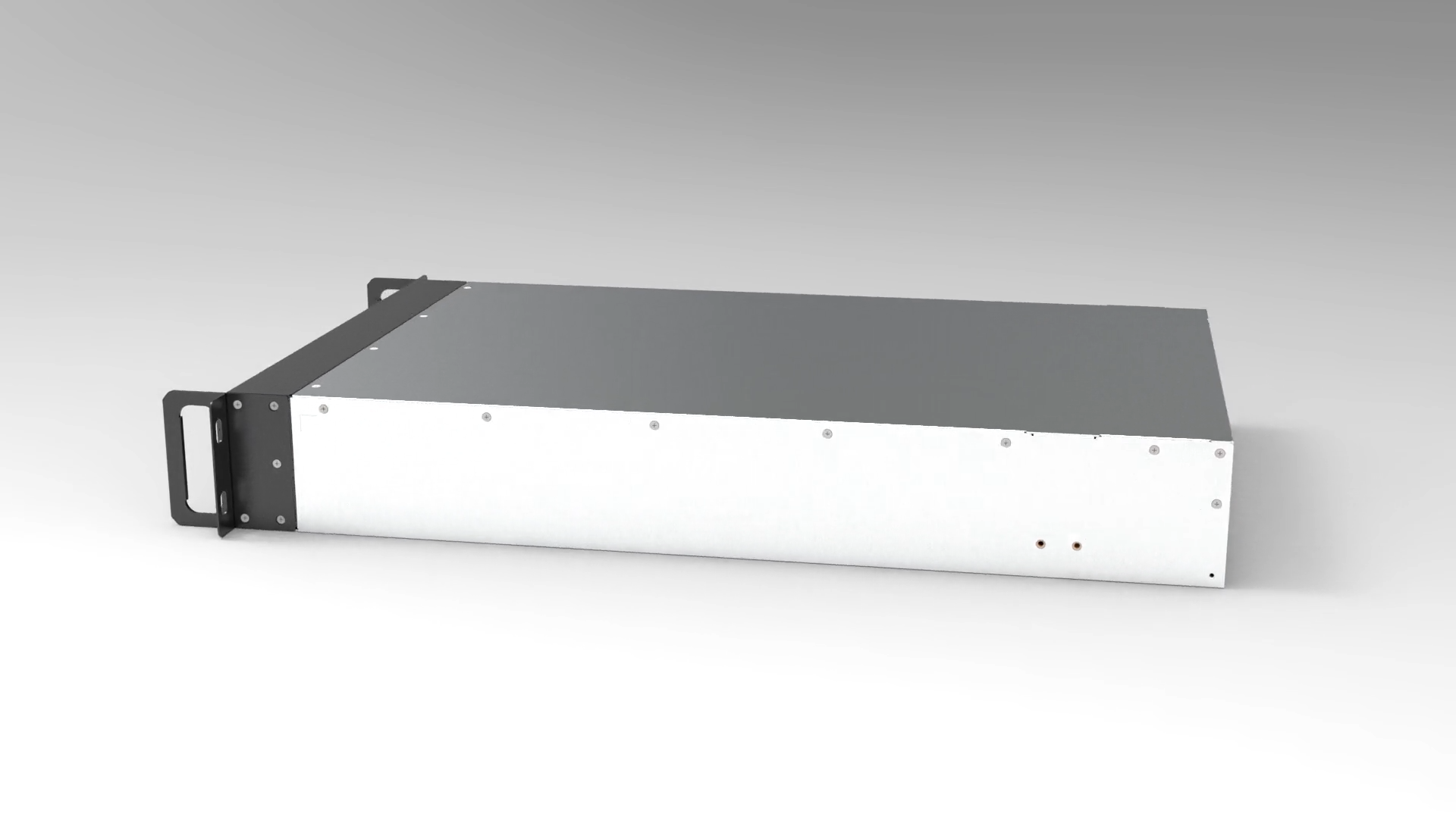
Liquid cooled power supply units represent a transformative approach to thermal management in high-performance electrical systems, delivering measurable cooling efficiency gains that traditional air-cooled solutions cannot match. These advanced cooling systems utilize circulating coolant to remove heat more effectively from critical components, enabling power supplies to operate at higher power densities while maintaining optimal temperatures. The cooling efficiency gains from liquid cooled power supply systems typically range from 20% to 40% improvement in thermal performance compared to conventional air-cooled designs, making them essential for demanding applications where heat dissipation is a critical factor.
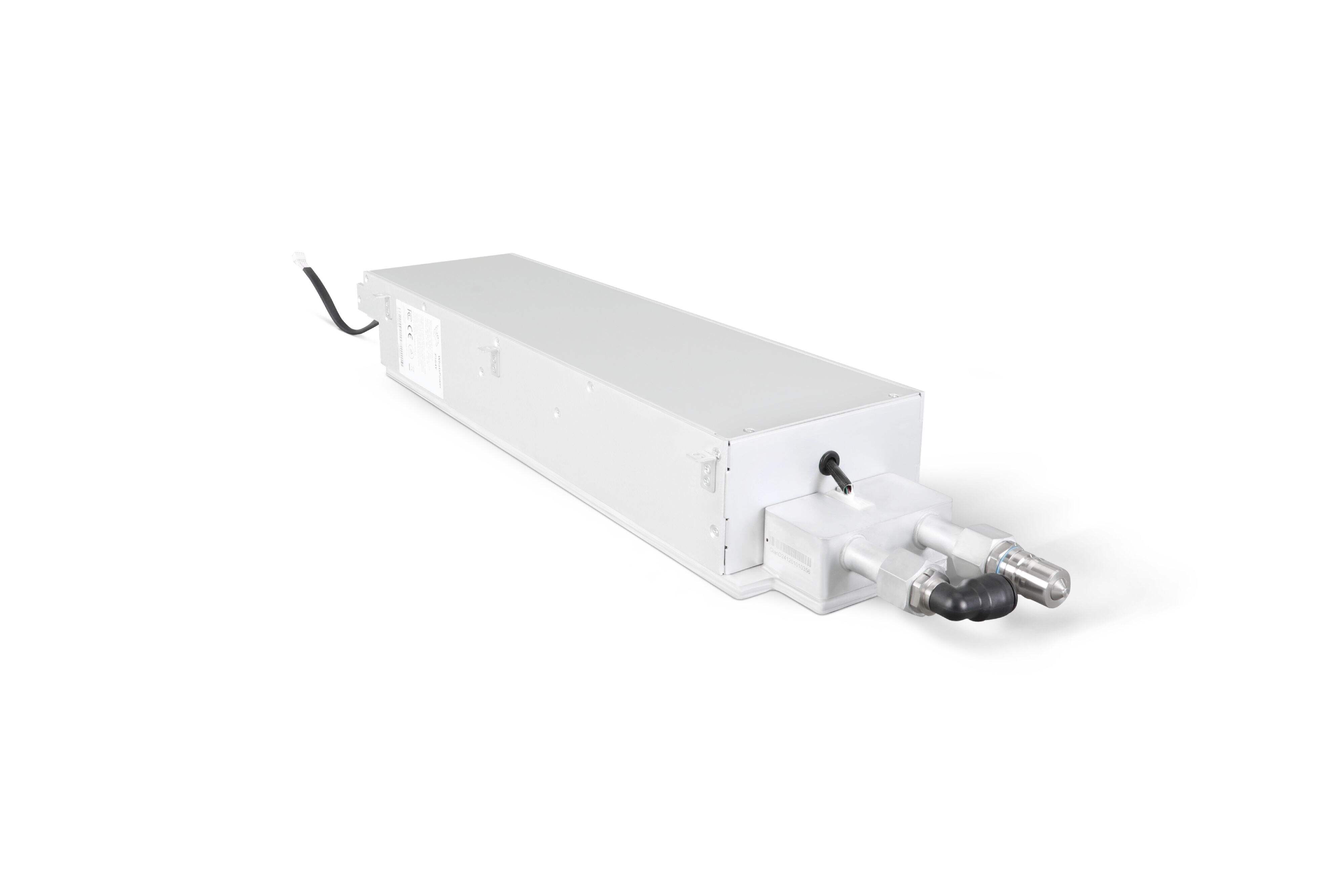
Understanding the specific cooling efficiency gains of liquid cooled power supply units requires examining both the thermodynamic principles and practical performance metrics that drive their superior thermal management capabilities. These efficiency improvements translate directly into enhanced system reliability, reduced operating temperatures, and the ability to maintain consistent power output under challenging thermal conditions. For industrial applications, data centers, and specialized equipment where thermal stability is paramount, the cooling efficiency gains achieved through liquid cooling technology provide substantial operational advantages that justify the investment in this advanced cooling methodology.
Fundamental Heat Transfer Mechanisms in Liquid Cooling
Thermal Conductivity Advantages of Liquid Media
The primary cooling efficiency gain in liquid cooled power supply units stems from the superior thermal conductivity properties of liquid coolants compared to air. Water, the most common cooling medium, has a thermal conductivity approximately 25 times higher than air, enabling dramatically more efficient heat transfer from power supply components to the cooling system. This fundamental physical advantage allows liquid cooled power supply designs to remove heat more rapidly and maintain lower component temperatures even under high load conditions.
Advanced coolants used in specialized liquid cooled power supply applications can achieve even higher thermal conductivity values through the addition of thermally conductive additives or engineered fluid formulations. These enhanced coolants further amplify the cooling efficiency gains by improving the heat transfer coefficient between the heated surfaces and the cooling medium. The result is a more responsive thermal management system that can quickly adapt to changing power demands while maintaining stable operating temperatures.
The direct contact cooling approach employed in many liquid cooled power supply designs eliminates the thermal interface resistance that limits air cooling effectiveness. By establishing intimate contact between the coolant and heat-generating components, these systems achieve thermal resistance values that are typically 60% to 80% lower than comparable air-cooled configurations, representing a substantial cooling efficiency gain that enables higher power densities and improved reliability.
Convective Heat Transfer Optimization
Liquid cooling systems in power supplies leverage forced convection through engineered coolant circulation patterns that maximize heat transfer rates across all critical components. The controlled flow velocity and turbulence characteristics of circulating coolant create optimal convective heat transfer conditions that far exceed the capabilities of air cooling systems. This systematic approach to convective heat management results in cooling efficiency gains that are both predictable and scalable across different power levels.
The design of coolant channels and flow paths in liquid cooled power supply units incorporates principles of fluid dynamics to ensure uniform heat removal across all heated surfaces. Strategic placement of flow restrictions, expansion chambers, and directional changes creates beneficial turbulence that enhances the convective heat transfer coefficient while maintaining acceptable pressure drop characteristics. These engineering optimizations contribute significantly to the overall cooling efficiency gains achieved through liquid cooling technology.
Modern liquid cooled power supply designs incorporate computational fluid dynamics modeling to optimize coolant flow patterns and maximize convective heat transfer effectiveness. This scientific approach to thermal design ensures that cooling efficiency gains are maximized while minimizing pumping power requirements and system complexity. The result is a highly efficient thermal management solution that delivers consistent performance across varying operational conditions.
Quantifiable Performance Improvements
Temperature Reduction Metrics
The cooling efficiency gains of liquid cooled power supply units manifest most clearly in measurable temperature reductions across critical components during operation. Typical implementations achieve junction temperature reductions of 15°C to 25°C compared to air-cooled equivalents operating under identical conditions. These temperature improvements translate directly into enhanced component reliability, extended service life, and improved electrical performance characteristics that benefit overall system operation.
Thermal cycling stress, a primary failure mechanism in power electronic components, is significantly reduced through the temperature stabilization achieved by liquid cooled power supply designs. The superior thermal mass and heat removal capacity of liquid cooling systems minimize temperature fluctuations during load transients, resulting in cooling efficiency gains that extend beyond steady-state operation. This thermal stability contributes to improved component reliability and reduced maintenance requirements over the system lifecycle.
Measurement data from operational liquid cooled power supply installations consistently demonstrate cooling efficiency gains in the range of 30% to 45% improvement in thermal resistance from junction to ambient compared to air-cooled alternatives. These quantifiable improvements enable power supply designers to increase power density, reduce component derating requirements, and achieve more compact system configurations while maintaining or improving thermal performance margins.
Power Density Enhancement Capabilities
The cooling efficiency gains achieved through liquid cooling technology enable significant increases in power density for modern power supply designs. Liquid cooled power supply units typically achieve power densities 40% to 60% higher than air-cooled equivalents while maintaining equivalent thermal performance characteristics. This enhancement allows for more compact system designs and reduced overall equipment footprint in space-constrained applications.
Higher power density capabilities resulting from liquid cooling efficiency gains translate into reduced material requirements, lower manufacturing costs per unit of power output, and improved system integration flexibility. The ability to package more power conversion capability into smaller volumes provides significant advantages for applications ranging from industrial automation to renewable energy systems where space and weight constraints are critical considerations.
Advanced liquid cooled power supply designs leverage these power density improvements to incorporate additional functionality and features within the same physical envelope. Enhanced monitoring capabilities, improved electromagnetic compatibility measures, and redundant safety systems can be integrated more easily when thermal constraints are relaxed through effective liquid cooling implementation. These system-level benefits amplify the value proposition of investing in liquid cooling technology for demanding power supply applications.
System-Level Efficiency Improvements
Reduced Parasitic Cooling Power Requirements
One of the most significant cooling efficiency gains achieved through liquid cooled power supply implementation is the substantial reduction in parasitic power consumption required for thermal management. Air-cooled systems typically consume 5% to 8% of total power output for fan operation and forced air circulation, while liquid cooled power supply designs reduce this parasitic load to 1% to 3% through more efficient heat removal mechanisms and reduced cooling infrastructure requirements.
The elimination of high-speed cooling fans and their associated power consumption represents a direct efficiency improvement that compounds the thermal benefits of liquid cooling technology. Liquid cooled power supply units can maintain optimal operating temperatures with minimal auxiliary power requirements, resulting in higher overall system efficiency and reduced operating costs. This efficiency improvement becomes particularly significant in high-power applications where cooling power requirements can represent substantial operational expenses.
Centralized cooling infrastructure utilized by liquid cooled power supply systems can achieve economy of scale benefits that further enhance cooling efficiency gains. Shared cooling loops, optimized pump sizing, and intelligent thermal management controls reduce the per-unit cooling power requirements compared to individual air cooling systems. These system-level optimizations contribute to overall energy efficiency improvements that extend beyond the power supply itself to encompass the entire installation.
Enhanced Control and Monitoring Capabilities
Liquid cooled power supply systems provide superior thermal monitoring and control capabilities that enable dynamic optimization of cooling efficiency based on real-time operating conditions. Integrated temperature sensors throughout the coolant circuit provide precise feedback for adaptive thermal management algorithms that maximize cooling effectiveness while minimizing energy consumption. These advanced control systems contribute to cooling efficiency gains through intelligent operation that responds to varying thermal loads and environmental conditions.
The predictable thermal characteristics of liquid cooled power supply designs enable more accurate thermal modeling and performance prediction compared to air-cooled alternatives. This improved predictability allows for optimized component selection, enhanced reliability analysis, and more effective thermal design margins that maximize cooling efficiency while ensuring robust operation under all specified conditions. The systematic approach to thermal management enabled by liquid cooling technology provides operational advantages that extend throughout the product lifecycle.
Remote monitoring and diagnostic capabilities integrated into modern liquid cooled power supply systems provide valuable operational insights that support proactive maintenance and performance optimization strategies. Real-time thermal data collection enables identification of efficiency degradation trends, coolant quality monitoring, and predictive maintenance scheduling that maintains peak cooling performance over extended operational periods. These monitoring capabilities amplify the cooling efficiency gains achieved through liquid cooling technology by ensuring sustained optimal performance.
Application-Specific Cooling Benefits
High-Power Industrial Applications
In high-power industrial applications, the cooling efficiency gains of liquid cooled power supply units become particularly pronounced due to the substantial heat loads generated during continuous operation. Industrial power supplies operating at power levels above 5kW typically achieve cooling efficiency improvements of 35% to 50% through liquid cooling implementation, enabling reliable operation in demanding environments where air cooling would be inadequate. These efficiency gains translate directly into improved equipment availability and reduced downtime risks.
The robust thermal performance characteristics of liquid cooled power supply systems make them particularly suitable for applications involving frequent load cycling, high ambient temperatures, or contaminated operating environments where air cooling systems would experience reduced effectiveness. Industrial welding equipment, metal processing machinery, and heavy-duty motor drives benefit significantly from the consistent thermal performance and cooling efficiency gains provided by liquid cooling technology.
Manufacturing environments with space constraints and high power density requirements rely on the cooling efficiency gains of liquid cooled power supply units to achieve necessary performance levels within available installation space. The ability to maintain optimal thermal conditions while minimizing physical footprint enables more flexible equipment layout and improved production efficiency in space-constrained industrial facilities.
Data Center and IT Infrastructure
Data center applications represent another area where liquid cooled power supply cooling efficiency gains provide substantial operational benefits. Server power supplies and uninterruptible power system components operating in high-density rack configurations achieve significant thermal performance improvements through liquid cooling implementation. The precise temperature control and reduced acoustic emissions of liquid cooled power supply systems contribute to improved data center operating conditions and reduced cooling infrastructure requirements.
The scalability advantages of liquid cooled power supply systems become particularly important in large data center installations where cooling efficiency gains compound across hundreds or thousands of individual units. Centralized coolant distribution and heat rejection systems enable optimal thermal management at the facility level while maintaining individual unit performance characteristics. These system-level benefits significantly enhance the overall energy efficiency and operational sustainability of data center facilities.
High-frequency power switching applications common in data center environments benefit from the superior thermal stability provided by liquid cooled power supply designs. The reduced thermal cycling and improved temperature control contribute to enhanced component reliability and extended service intervals, resulting in lower total cost of ownership and improved system availability for critical IT infrastructure applications.
FAQ
How much cooling efficiency improvement can be expected from liquid cooled power supply units?
Liquid cooled power supply units typically achieve cooling efficiency gains of 20% to 40% compared to air-cooled equivalents, with some high-performance applications seeing improvements up to 50%. These gains manifest as lower operating temperatures, reduced thermal resistance, and improved heat removal capacity that enables higher power densities and enhanced reliability.
What are the main factors that contribute to cooling efficiency gains in liquid cooled power supplies?
The primary factors include superior thermal conductivity of liquid coolants compared to air, optimized convective heat transfer through engineered flow patterns, reduced thermal interface resistance, and elimination of hot spot formation. Additionally, the higher thermal mass of liquid cooling systems provides better temperature stability during load transients.
Do liquid cooled power supply systems require more maintenance than air-cooled alternatives?
Modern liquid cooled power supply systems are designed for low maintenance operation with sealed cooling circuits and high-reliability components. While periodic coolant quality monitoring and pump inspection may be required, the reduced thermal stress on components often results in lower overall maintenance requirements compared to air-cooled systems operating under equivalent conditions.
Are the cooling efficiency gains of liquid cooled power supplies worth the additional complexity?
For applications requiring high power density, improved reliability, or operation in challenging thermal environments, the cooling efficiency gains of liquid cooled power supply units typically justify the additional system complexity. The benefits include extended component life, reduced cooling infrastructure requirements, and enhanced performance capabilities that provide long-term operational advantages and cost savings.
Table of Contents
- Fundamental Heat Transfer Mechanisms in Liquid Cooling
- Quantifiable Performance Improvements
- System-Level Efficiency Improvements
- Application-Specific Cooling Benefits
-
FAQ
- How much cooling efficiency improvement can be expected from liquid cooled power supply units?
- What are the main factors that contribute to cooling efficiency gains in liquid cooled power supplies?
- Do liquid cooled power supply systems require more maintenance than air-cooled alternatives?
- Are the cooling efficiency gains of liquid cooled power supplies worth the additional complexity?