
 EN
EN
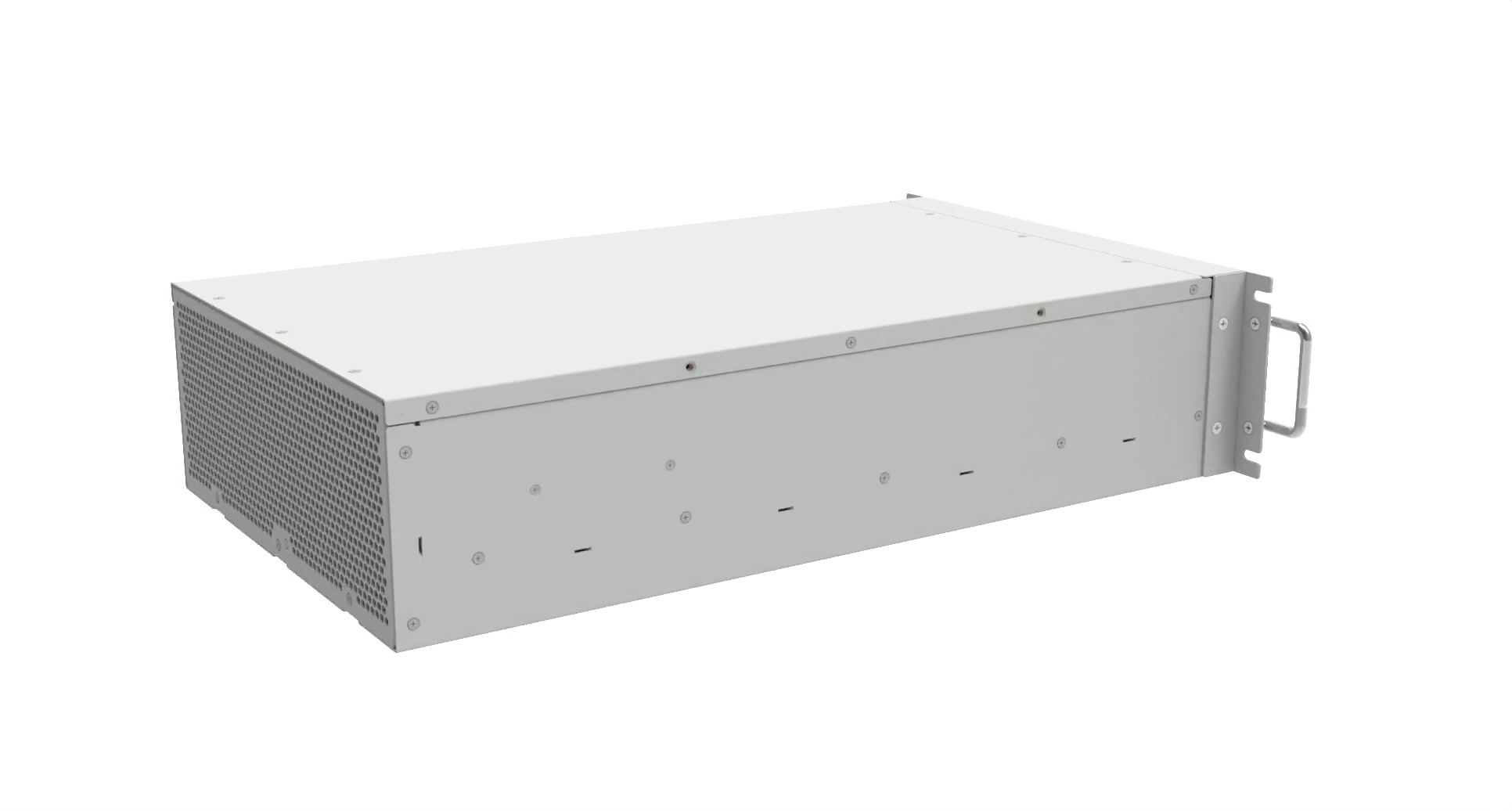
Data centers worldwide face mounting pressure to optimize operational efficiency while reducing energy consumption and maintenance costs. Modern facilities require power solutions that deliver exceptional performance, reliability, and long-term value. A titanium-rated PSU represents the pinnacle of power supply efficiency technology, offering significant advantages over conventional power systems through superior energy conversion rates and reduced operational expenses. These advanced power supply units achieve efficiency ratings of 94% or higher at typical load conditions, translating to substantial energy savings and lower total cost of ownership for data center operators.
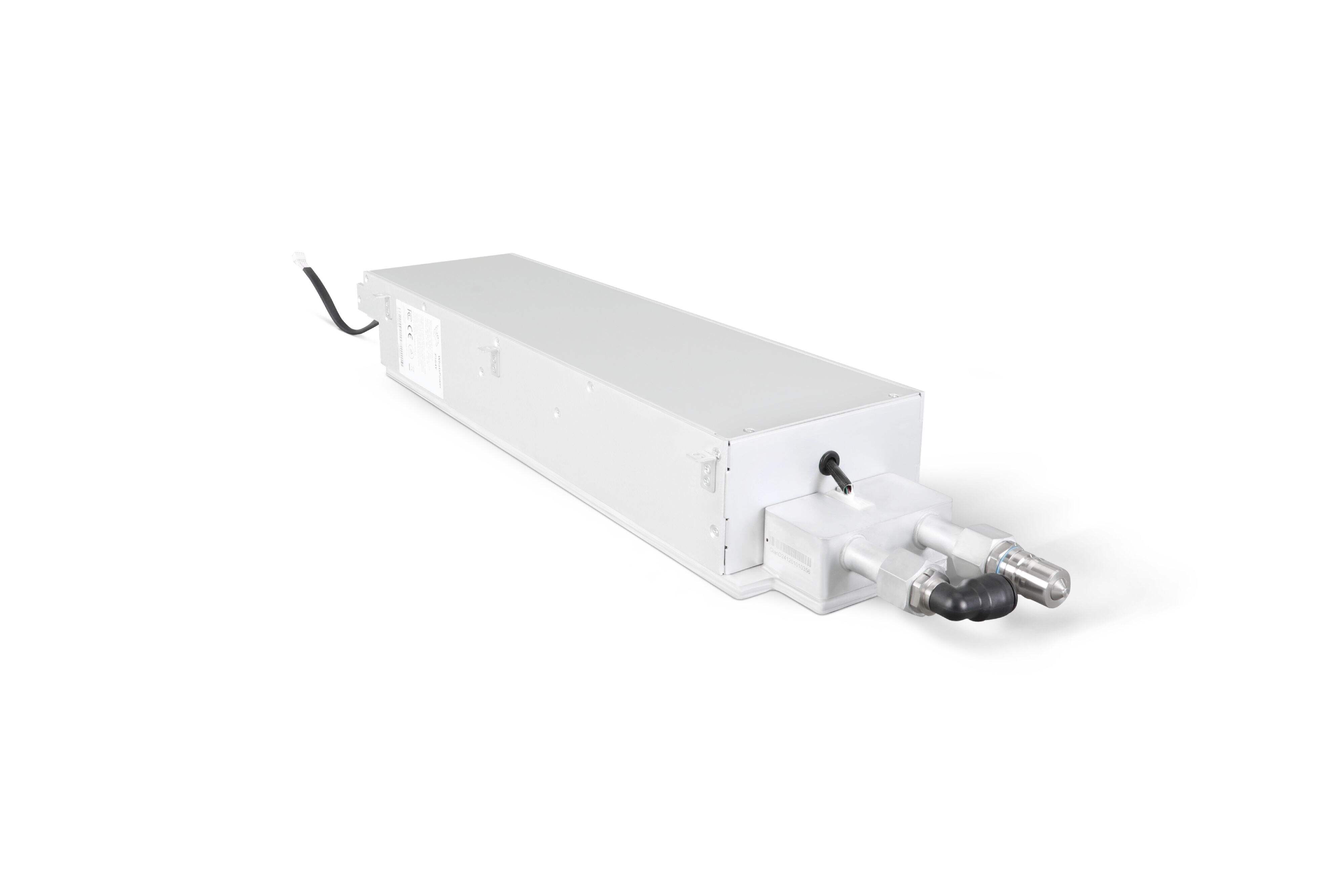
Understanding Titanium Efficiency Standards and Performance Metrics
Efficiency Rating Classifications and Industry Standards
The 80 PLUS certification program establishes clear efficiency benchmarks for power supply units, with titanium representing the highest achievable rating currently available. A titanium-rated PSU must demonstrate minimum efficiency levels of 90% at 10% load, 92% at 20% load, 94% at 50% load, and 90% at 100% load conditions. These stringent requirements ensure consistent performance across varying operational demands, making titanium-rated power supplies ideal for data center environments where load conditions fluctuate throughout daily operational cycles.
Power factor requirements for titanium certification mandate a minimum of 0.95 at 50% load, ensuring optimal power quality and reduced harmonic distortion. This superior power factor performance minimizes stress on upstream electrical infrastructure and reduces the risk of power quality issues that can affect sensitive data center equipment. The combination of high efficiency and excellent power factor makes titanium-rated PSU technology particularly valuable for large-scale data center deployments where even small efficiency improvements generate substantial cost savings.
Advanced Power Conversion Technologies
Modern titanium-rated PSU designs incorporate cutting-edge power conversion technologies including synchronous rectification, advanced switching topologies, and optimized magnetic components. These technological innovations enable the exceptional efficiency levels required for titanium certification while maintaining reliable operation under demanding conditions. Digital control systems within titanium power supplies continuously optimize switching parameters to maintain peak efficiency across varying load conditions and input voltage ranges.
Gallium nitride (GaN) and silicon carbide (SiC) semiconductor technologies are increasingly common in titanium-rated power supplies, offering superior switching characteristics compared to traditional silicon-based components. These wide-bandgap semiconductors enable higher switching frequencies, reduced switching losses, and improved thermal performance. The result is a more compact, efficient power supply that generates less waste heat and requires less cooling infrastructure in data center applications.
Energy Consumption Analysis and Cost Reduction Strategies
Quantifying Energy Savings Through Efficiency Improvements
The efficiency advantage of a titanium-rated PSU translates directly to measurable energy savings in data center operations. Consider a typical data center server consuming 500 watts of power: a standard 85% efficient power supply would draw approximately 588 watts from the electrical grid, while a 94% efficient titanium unit would only require 532 watts to deliver the same 500 watts to the server components. This 56-watt reduction per server may seem modest, but multiplied across hundreds or thousands of servers, the cumulative energy savings become substantial.
Annual energy cost calculations demonstrate the significant financial impact of titanium efficiency ratings. A 1000-server data center upgrading from 85% to 94% efficient power supplies could reduce annual electricity consumption by approximately 490,000 kWh, assuming continuous operation. At an average commercial electricity rate of $0.10 per kWh, this efficiency improvement would generate annual savings of $49,000 in direct energy costs alone, not including additional benefits from reduced cooling requirements and improved power quality.
Cooling Infrastructure Cost Reductions
The reduced waste heat generation from titanium-rated PSU installations creates cascading benefits throughout data center cooling systems. Every watt of power conversion loss becomes waste heat that must be removed by the facility's cooling infrastructure. Traditional power supplies operating at 85% efficiency generate significantly more waste heat compared to titanium units, requiring additional cooling capacity and increasing overall facility energy consumption beyond the direct power supply losses.
Data center cooling systems typically consume 30-40% of total facility energy, making heat load reduction a critical factor in overall efficiency optimization. A titanium-rated PSU generates approximately 40-50% less waste heat compared to standard efficiency units, directly reducing the cooling load and allowing for more efficient facility design. This heat reduction enables data center operators to deploy higher server densities or reduce cooling system capacity requirements, further improving overall facility efficiency and reducing capital expenditures.
Reliability and Maintenance Cost Optimization
Component Longevity and Failure Rate Analysis
The superior efficiency of titanium-rated PSU designs contributes significantly to improved component reliability and extended operational lifespan. Lower operating temperatures resulting from reduced power losses create less thermal stress on critical components including electrolytic capacitors, power semiconductors, and magnetic assemblies. This thermal advantage translates to longer component life and reduced failure rates, minimizing unplanned maintenance events and their associated costs.
Mean Time Between Failure (MTBF) ratings for titanium power supplies typically exceed 200,000 hours under normal operating conditions, compared to 100,000-150,000 hours for standard efficiency units. This reliability improvement reduces the frequency of power supply replacements and associated maintenance labor costs. The enhanced reliability also minimizes the risk of unexpected server downtime, protecting against the substantial costs associated with service interruptions in mission-critical data center environments.
Preventive Maintenance and Service Intervals
Titanium-rated PSU technology requires less frequent preventive maintenance compared to conventional power supplies due to improved component stress levels and advanced protection systems. Digital monitoring capabilities within modern titanium power supplies provide real-time performance data, enabling predictive maintenance strategies that optimize service scheduling and reduce unnecessary maintenance interventions. These intelligent monitoring systems can detect developing issues before they result in failures, allowing for planned maintenance during scheduled downtime windows.
The reduced heat generation and improved power quality characteristics of titanium power supplies also minimize stress on connected equipment, extending the service life of servers, storage systems, and network infrastructure. This system-wide reliability improvement reduces overall data center maintenance requirements and associated costs. Advanced titanium-rated PSU designs often incorporate hot-swappable capabilities and redundant operation modes, further minimizing maintenance-related downtime and service disruptions.
Financial Impact Assessment and Return on Investment
Capital Investment Analysis and Payback Periods
While titanium-rated PSU units typically command a premium price compared to standard efficiency alternatives, the total cost of ownership analysis reveals attractive payback periods for most data center applications. The initial investment premium is generally offset by energy savings within 18-36 months, depending on electricity rates, utilization patterns, and facility size. Large-scale deployments often achieve even faster payback periods due to economies of scale and cumulative efficiency benefits.
Comprehensive financial analysis must consider both direct energy savings and indirect benefits including reduced cooling costs, improved reliability, and extended equipment life. When these factors are included in total cost calculations, the economic advantage of titanium-rated PSU technology becomes even more compelling. Many data center operators report internal rates of return exceeding 25% for titanium power supply upgrades, making these investments highly attractive from a financial perspective.
Long-term Value Creation and Competitive Advantages
The deployment of titanium-rated PSU technology creates long-term competitive advantages for data center operators through improved operational efficiency, enhanced reliability, and reduced environmental impact. These benefits become increasingly valuable as energy costs continue to rise and environmental regulations become more stringent. Data centers equipped with titanium power supplies can offer more competitive pricing to customers while maintaining superior profit margins through lower operational costs.
Sustainability benefits from titanium-rated PSU installations also create value through improved corporate environmental performance and potential carbon credit opportunities. The substantial reduction in energy consumption and associated carbon emissions supports corporate sustainability goals and may qualify for various incentive programs. As environmental, social, and governance (ESG) considerations become increasingly important to investors and customers, the sustainability advantages of titanium power supply technology represent significant long-term value creation opportunities.
Implementation Strategies and Best Practices
Deployment Planning and System Integration
Successful implementation of titanium-rated PSU technology requires careful planning to maximize efficiency benefits while minimizing deployment disruption. Phased replacement strategies allow data center operators to upgrade power supplies during routine maintenance windows or equipment refresh cycles, reducing the operational impact of the transition. Priority should be given to high-utilization servers and critical systems where efficiency improvements generate the greatest immediate benefits.
System integration considerations include ensuring compatibility with existing power distribution infrastructure, monitoring systems, and facility management platforms. Modern titanium power supplies often include advanced communication capabilities that enable integration with building management systems for comprehensive energy monitoring and optimization. These integration capabilities support data-driven optimization strategies that maximize the efficiency benefits of titanium-rated PSU deployments.
Performance Monitoring and Optimization
Effective performance monitoring is essential to realize the full benefits of titanium-rated PSU installations. Real-time efficiency monitoring enables operators to identify optimization opportunities and verify that power supplies are operating at peak performance levels. Advanced monitoring systems can track efficiency trends over time, identifying any degradation that might indicate developing maintenance needs or system issues.
Optimization strategies should consider load balancing across multiple power supplies to maintain operation in the highest efficiency zones. Many titanium power supplies achieve peak efficiency at 50-60% load, making load management an important factor in maximizing energy savings. Proper load distribution and power management policies can ensure that titanium-rated PSU units operate within their optimal efficiency ranges throughout normal operational cycles.
FAQ
What is the typical efficiency rating of a titanium-rated PSU compared to standard power supplies
A titanium-rated PSU achieves minimum efficiency levels of 94% at 50% load, compared to 85-87% for standard 80 PLUS certified units. This 7-9% efficiency improvement translates to significant energy savings in data center applications where power supplies operate continuously. The superior efficiency is maintained across varying load conditions, ensuring consistent performance benefits throughout normal operational cycles.
How long does it take to recover the additional investment cost of titanium power supplies
Most data center operators achieve payback periods of 18-36 months for titanium-rated PSU investments, depending on electricity rates, utilization patterns, and facility size. The payback calculation should include both direct energy savings and indirect benefits such as reduced cooling costs and improved reliability. Large-scale deployments often achieve faster payback periods due to cumulative efficiency benefits and economies of scale in procurement.
Can existing data center infrastructure support titanium power supply upgrades
Most modern data center infrastructures can accommodate titanium-rated PSU upgrades without significant modifications. These power supplies typically use standard form factors and connections, ensuring compatibility with existing server platforms and power distribution systems. However, proper planning should include verification of cooling capacity, as the reduced heat generation may allow for higher server densities or cooling system optimization opportunities.
What maintenance requirements are associated with titanium power supplies
Titanium-rated PSU units generally require less maintenance than standard efficiency power supplies due to improved component stress levels and advanced protection systems. The reduced heat generation extends component life and decreases failure rates, while digital monitoring capabilities enable predictive maintenance strategies. Typical maintenance involves periodic inspection, cleaning, and performance verification, with intervals often extended compared to conventional power supply maintenance schedules.
Table of Contents
- Understanding Titanium Efficiency Standards and Performance Metrics
- Energy Consumption Analysis and Cost Reduction Strategies
- Reliability and Maintenance Cost Optimization
- Financial Impact Assessment and Return on Investment
- Implementation Strategies and Best Practices
-
FAQ
- What is the typical efficiency rating of a titanium-rated PSU compared to standard power supplies
- How long does it take to recover the additional investment cost of titanium power supplies
- Can existing data center infrastructure support titanium power supply upgrades
- What maintenance requirements are associated with titanium power supplies