
 EN
EN
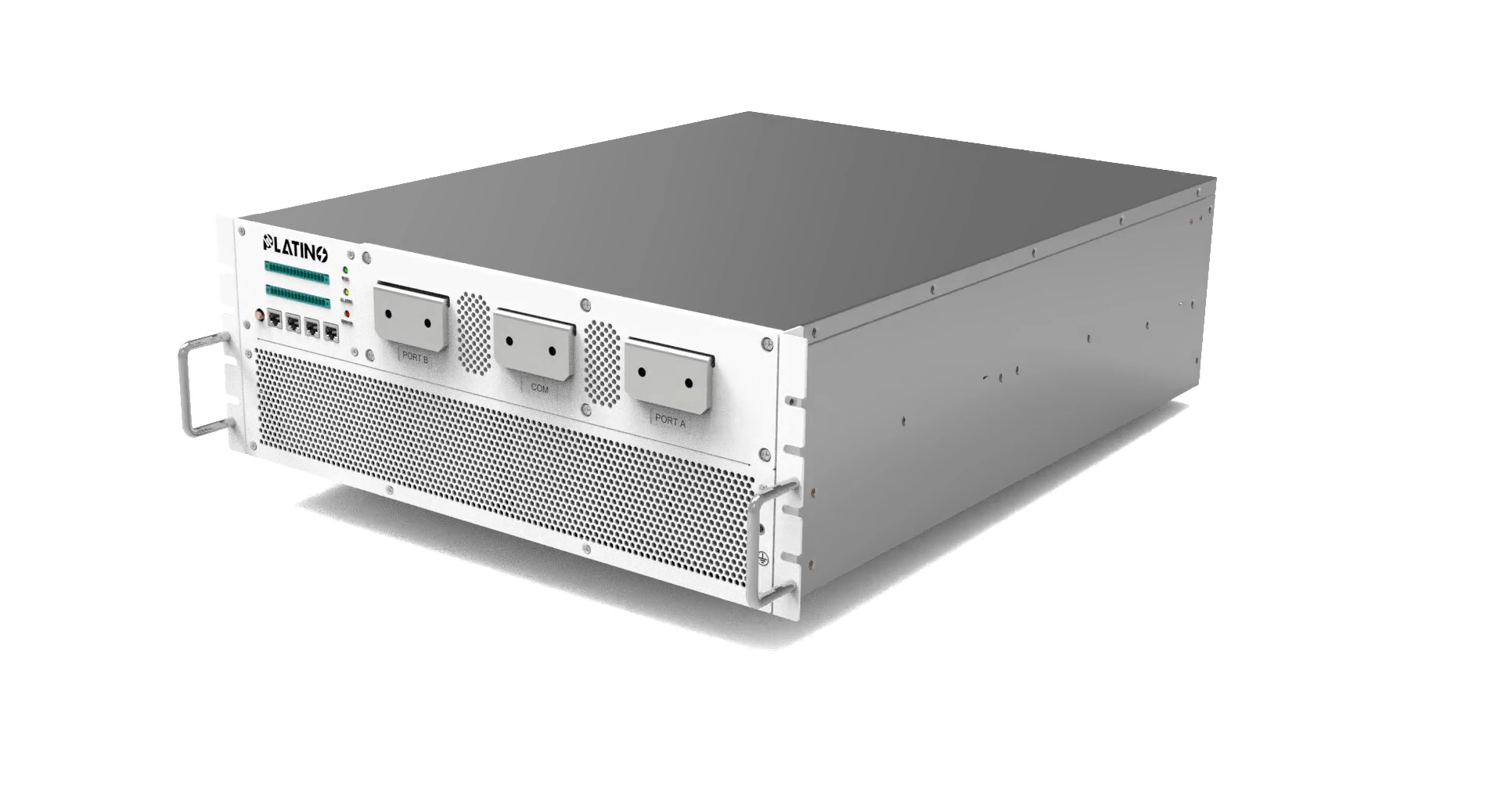
Modern AI infrastructure demands unprecedented levels of computational power, driving the need for sophisticated power delivery solutions that can support massive processing loads while maintaining optimal efficiency. High-density PSU design has emerged as a critical component in this technological evolution, enabling data centers and AI facilities to maximize their power-to-space ratios without compromising performance or reliability. As artificial intelligence workloads continue to grow exponentially, the importance of compact, efficient power supply units becomes increasingly apparent in maintaining competitive advantage and operational sustainability.
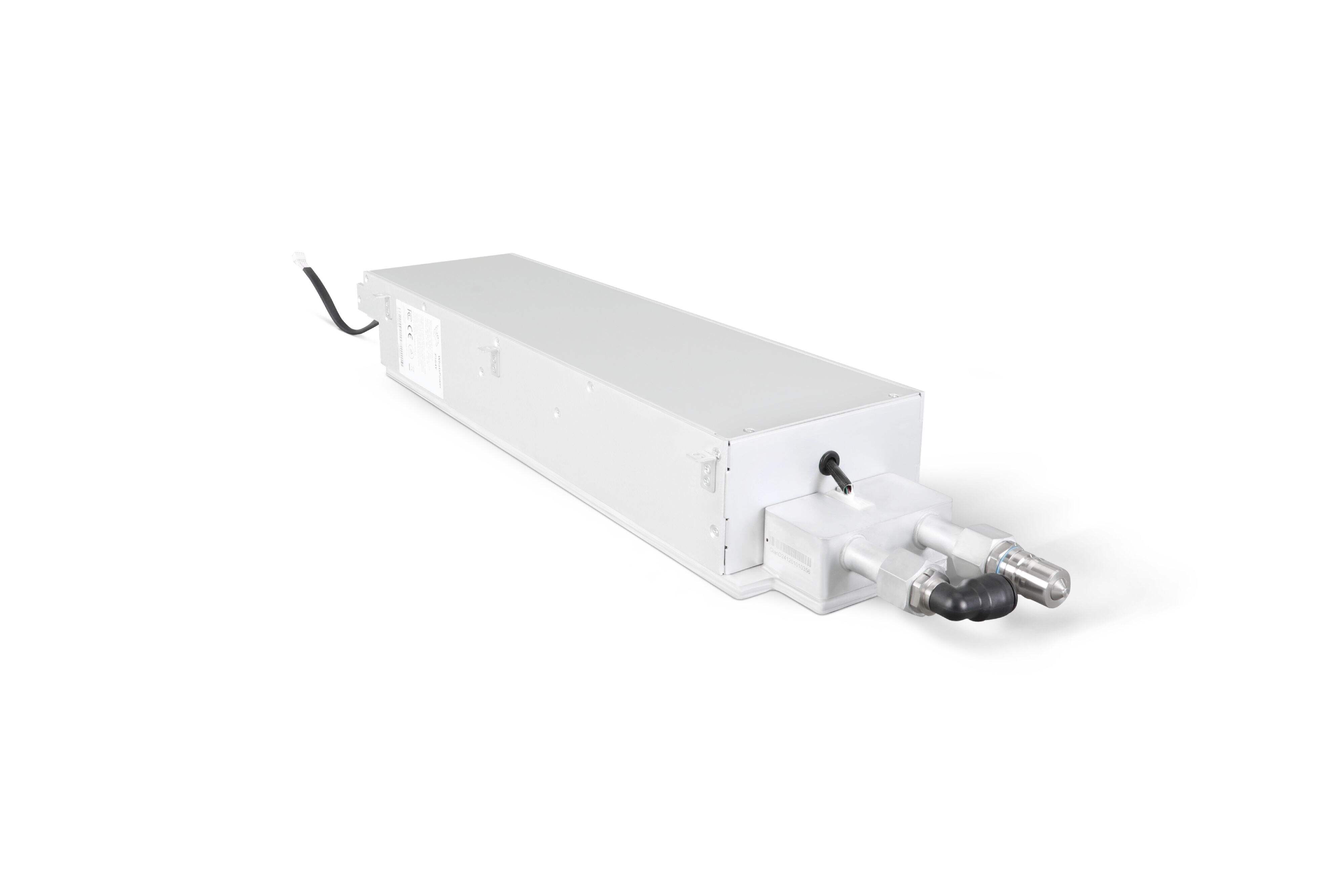
The integration of advanced cooling technologies, such as water-cooled systems, has revolutionized how high-density PSU design approaches thermal management challenges. These innovations allow power supplies to operate at higher efficiency levels while occupying significantly less physical space than traditional air-cooled alternatives. The result is a paradigm shift in data center architecture, where every square foot of real estate must deliver maximum computational value while adhering to stringent energy efficiency standards.
Power Density Requirements in AI Computing
Computational Load Characteristics
AI workloads present unique challenges that distinguish them from traditional computing applications, requiring power delivery systems that can handle sudden spikes in demand while maintaining consistent output quality. High-density PSU design must accommodate the irregular power consumption patterns typical of machine learning training phases, where processing intensity can fluctuate dramatically based on algorithm complexity and data volume. These dynamic requirements necessitate power supplies with exceptional transient response capabilities and robust overload protection mechanisms.
Graphics processing units and specialized AI accelerators demand clean, stable power delivery across multiple voltage rails simultaneously, creating complex power management scenarios that challenge conventional PSU architectures. The high-density PSU design philosophy addresses these challenges by incorporating advanced switching topologies and sophisticated control algorithms that can respond to load changes within microseconds. This level of responsiveness is essential for maintaining system stability during intensive AI training sessions that may run continuously for days or weeks.
Space Optimization Strategies
Data center real estate costs continue to escalate globally, making space efficiency a primary concern for operators seeking to maximize their return on infrastructure investments. High-density PSU design enables organizations to deploy more computing power within existing facility footprints, reducing the need for costly expansions while improving overall power utilization efficiency. Modern compact power supplies can deliver kilowatts of clean power while occupying less than half the space of their predecessors, fundamentally changing data center planning methodologies.
The vertical integration of power delivery systems with computing hardware represents another significant advancement in space optimization, where high-density PSU design principles enable modular architectures that can be reconfigured based on changing workload requirements. This flexibility allows data center operators to adapt their infrastructure dynamically without major hardware overhauls, providing both operational efficiency and capital preservation benefits that become increasingly important as AI computing demands continue to evolve.
Thermal Management Innovations
Advanced Cooling Technologies
Water-cooled power supply systems represent a revolutionary approach to thermal management in high-density PSU design, offering superior heat dissipation capabilities compared to traditional air-cooled alternatives. These systems can maintain optimal operating temperatures even under extreme load conditions, enabling power supplies to operate at higher efficiency levels while extending component lifespan significantly. The closed-loop cooling approach eliminates the need for large heat sinks and high-velocity fans, reducing both noise levels and mechanical failure points within the system.
Liquid cooling integration allows high-density PSU design to achieve power densities previously thought impossible, with some modern units delivering over 10kW in form factors that would have been limited to 2-3kW with conventional cooling methods. The precise temperature control afforded by water cooling systems also enables more aggressive power conversion strategies, including higher switching frequencies and tighter voltage regulation tolerances that directly benefit sensitive AI computing hardware downstream.
Heat Dissipation Efficiency
The relationship between power density and thermal management efficiency becomes increasingly critical as computing demands intensify, requiring high-density PSU design approaches that can maintain component temperatures within optimal operating ranges regardless of ambient conditions. Advanced thermal interface materials and innovative heat spreading techniques allow modern power supplies to distribute thermal loads more evenly across their internal components, preventing hot spots that could compromise reliability or performance.
Intelligent thermal monitoring systems integrated into high-density PSU design architectures provide real-time feedback on component temperatures, enabling predictive maintenance strategies that can identify potential issues before they impact system availability. These monitoring capabilities also support dynamic thermal management, where cooling intensity can be adjusted based on actual load conditions rather than worst-case scenarios, improving overall energy efficiency while maintaining optimal operating conditions for critical power conversion components.
Efficiency Considerations
Power Conversion Optimization
Modern high-density PSU design incorporates advanced power conversion topologies that achieve efficiency levels exceeding 95% across wide load ranges, significantly reducing waste heat generation and operational costs. These efficiency improvements stem from innovative switching techniques, including soft-switching methodologies and resonant converter designs that minimize switching losses while maintaining excellent voltage regulation characteristics. The cumulative impact of these efficiency gains becomes substantial in large-scale AI deployments where thousands of power supplies operate continuously.
Wide-bandgap semiconductor technologies, such as gallium nitride and silicon carbide devices, enable high-density PSU design to achieve higher switching frequencies while reducing conduction losses, resulting in smaller magnetic components and improved transient response. These material advances allow power supply designers to optimize for multiple performance parameters simultaneously, creating solutions that excel in efficiency, size, and dynamic response characteristics essential for demanding AI applications.
Energy Cost Implications
The economic impact of power supply efficiency becomes magnified in AI infrastructure deployments where electricity costs can represent a significant portion of total operational expenses over the system lifecycle. High-density PSU design that achieves even modest efficiency improvements can generate substantial cost savings when scaled across large deployments, often justifying higher initial equipment investments through reduced operating expenses. These savings compound over time as electricity rates continue to increase globally, making efficiency a critical factor in long-term infrastructure planning.
Power factor correction and harmonic distortion reduction capabilities built into modern high-density PSU design solutions also contribute to overall facility efficiency by reducing stress on upstream electrical infrastructure. Improved power quality characteristics can help facilities avoid utility penalties while optimizing transformer and distribution system utilization, creating additional operational savings that extend beyond the immediate power supply efficiency gains.
Scalability and Modularity
System Integration Approaches
Modular power supply architectures enable high-density PSU design solutions to adapt to changing computing requirements without requiring complete system redesigns, providing operational flexibility that becomes increasingly valuable as AI workloads evolve. These modular approaches allow individual power supply units to be added, removed, or replaced while maintaining system operation, supporting both planned capacity expansions and unscheduled maintenance activities without service interruption.
Standardized interfaces and communication protocols integrated into high-density PSU design facilitate seamless integration with existing data center management systems, enabling centralized monitoring and control of distributed power resources. This integration capability supports advanced power management strategies, including dynamic load balancing and predictive maintenance scheduling that can optimize both performance and operational costs across large-scale deployments.
Future Expansion Capabilities
The rapid evolution of AI computing hardware requires power delivery solutions that can accommodate future performance improvements without fundamental architecture changes, making forward compatibility a key consideration in high-density PSU design. Flexible output configurations and programmable voltage regulation capabilities allow power supplies to support next-generation processors and accelerators that may have different power requirements than current devices.
Distributed power architectures enabled by high-density PSU design principles also support incremental capacity additions that can match computing growth patterns, avoiding the capital inefficiencies associated with over-provisioning power infrastructure. This scalability ensures that organizations can optimize their infrastructure investments while maintaining the flexibility to respond quickly to changing business requirements and technological advances in AI computing platforms.
Reliability and Performance Metrics
Component Longevity Factors
High-density PSU design must balance performance optimization with component reliability to ensure consistent operation in mission-critical AI infrastructure environments where unexpected failures can result in significant business disruption. Advanced component selection strategies focus on devices rated for extended operation at elevated temperatures and stress levels, while sophisticated protection circuits prevent damage from transient conditions that commonly occur in dynamic computing environments.
Accelerated life testing methodologies specific to high-density PSU design validate component reliability under realistic operating conditions, providing confidence in mean time between failure predictions that support maintenance planning and service level commitments. These testing protocols account for the unique stress patterns associated with AI workloads, including rapid load transitions and sustained high-power operation that can challenge conventional power supply designs.
Performance Monitoring Systems
Integrated diagnostic capabilities within high-density PSU design enable real-time performance monitoring and health assessment, supporting proactive maintenance strategies that can prevent unexpected failures while optimizing operational efficiency. Advanced telemetry systems provide detailed insights into power supply operating parameters, including efficiency trends, thermal characteristics, and component stress levels that inform both immediate operational decisions and long-term infrastructure planning.
Digital communication interfaces built into modern high-density PSU design solutions enable seamless integration with facility management systems, supporting automated response protocols that can adjust system operation based on changing conditions or detected anomalies. This connectivity also facilitates remote monitoring and diagnostics capabilities that can reduce maintenance costs while improving system availability through predictive intervention strategies.
Industry Applications
Data Center Implementations
Large-scale data centers serving AI workloads rely heavily on high-density PSU design solutions to maximize computational density while managing operational costs and space constraints effectively. These facilities often deploy thousands of power supplies in coordinated configurations that must maintain exceptional reliability while supporting dynamic load patterns characteristic of machine learning and artificial intelligence applications.
Hyperscale data center operators have pioneered many advances in high-density PSU design, driving innovations in efficiency, reliability, and management capabilities that subsequently benefit smaller deployments and specialized applications. The operational experience gained from these large-scale implementations provides valuable insights into real-world performance characteristics and failure modes that inform ongoing design improvements and application-specific optimizations.
Edge Computing Scenarios
Edge computing deployments for AI applications present unique challenges that require specialized high-density PSU design approaches optimized for space-constrained environments with limited cooling infrastructure. These applications often operate in uncontrolled environments where temperature variations, humidity, and contamination levels can exceed typical data center specifications, requiring power supplies with enhanced environmental tolerance and protection capabilities.
Remote monitoring and diagnostic capabilities become particularly important in edge computing applications where on-site technical support may be limited or unavailable, making reliable operation and predictive maintenance essential for maintaining service availability. High-density PSU design for edge applications must therefore incorporate enhanced autonomous operation capabilities and robust communication systems that can support remote management and intervention when necessary.
FAQ
What are the key advantages of high-density PSU design for AI infrastructure
High-density PSU design offers several critical advantages for AI infrastructure, including maximized power delivery within constrained physical spaces, improved energy efficiency that reduces operational costs, and enhanced thermal management capabilities that support sustained high-performance operation. These benefits enable organizations to deploy more computing power within existing facilities while maintaining optimal reliability and cost-effectiveness for demanding AI workloads.
How does water cooling improve power supply performance in AI applications
Water cooling technology in high-density PSU design provides superior heat dissipation capabilities compared to traditional air cooling, allowing power supplies to operate at higher efficiency levels while maintaining optimal component temperatures. This enhanced thermal management enables higher power densities, reduced noise levels, and improved reliability, making water-cooled power supplies particularly well-suited for intensive AI computing applications that generate significant heat loads.
What efficiency levels can modern high-density power supplies achieve
Contemporary high-density PSU design can achieve efficiency levels exceeding 95% across wide load ranges, with some advanced units reaching 97% or higher under optimal conditions. These efficiency improvements result from advanced power conversion topologies, wide-bandgap semiconductor technologies, and sophisticated control algorithms that minimize energy losses while maintaining excellent voltage regulation and transient response characteristics essential for AI computing applications.
How do modular power supply systems support AI infrastructure scalability
Modular high-density PSU design enables organizations to scale their AI infrastructure incrementally by adding or removing individual power supply units without disrupting system operation. This approach provides operational flexibility for capacity planning, supports cost-effective expansion strategies, and facilitates maintenance activities while maintaining system availability, making it an ideal solution for dynamic AI computing environments where requirements may change rapidly as applications and workloads evolve.