
 EN
EN
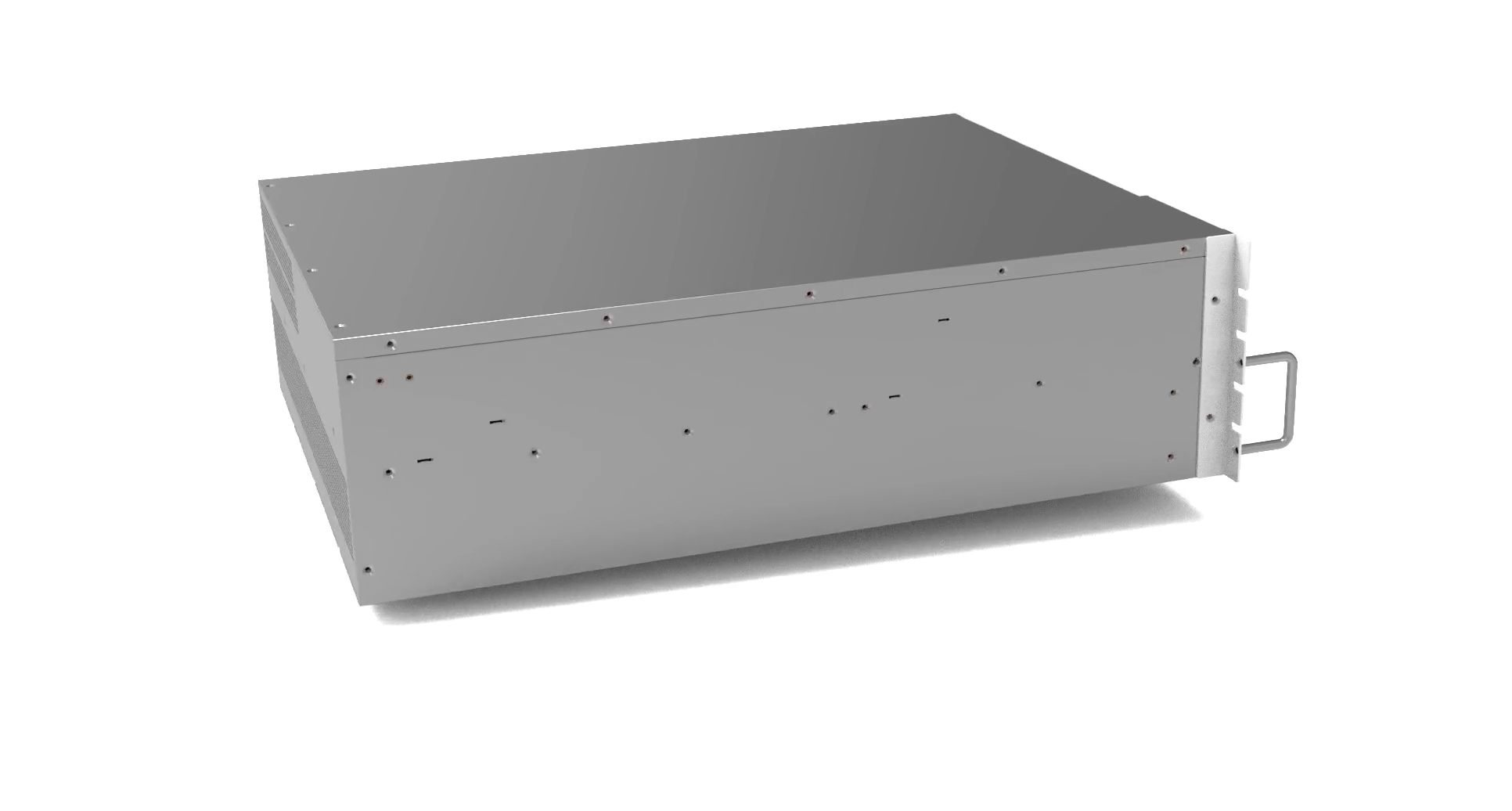
Selecting the optimal power supply unit for large-scale server farms represents one of the most critical infrastructure decisions that directly impacts operational efficiency, energy costs, and system reliability. Modern data centers and server farms demand power solutions that can handle massive electrical loads while maintaining consistent performance across thousands of connected devices. The complexity of power supply unit selection extends beyond simple wattage calculations, requiring careful consideration of efficiency ratings, thermal management capabilities, redundancy features, and long-term scalability requirements.
Understanding the specific power requirements of your server farm begins with comprehensive load analysis and future growth projections. A properly sized power supply unit must accommodate not only current server configurations but also planned expansions and peak demand scenarios. Enterprise-grade facilities typically operate with power densities ranging from 5kW to 30kW per rack, necessitating robust power distribution systems capable of delivering clean, stable electricity under varying load conditions.
Understanding Power Supply Architecture for Server Farms
Three-Phase vs Single-Phase Power Distribution
Large-scale server farms predominantly utilize three-phase power distribution systems due to their superior efficiency and balanced load characteristics. Three-phase power supply unit configurations deliver more consistent power delivery compared to single-phase alternatives, reducing voltage fluctuations and minimizing neutral current flow. This balanced approach proves essential when managing hundreds or thousands of servers simultaneously, as it prevents power quality issues that could affect sensitive computing equipment.
The mathematical advantages of three-phase systems become apparent when calculating total power capacity and conductor requirements. Three-phase power supply unit installations can deliver approximately 73% more power than equivalent single-phase systems using the same conductor size, resulting in significant infrastructure cost savings. Additionally, three-phase motors and cooling systems operate more efficiently, contributing to overall facility energy optimization.
Redundancy and Failover Mechanisms
Mission-critical server farms require multiple layers of power redundancy to ensure uninterrupted operations during equipment failures or maintenance activities. N+1 redundancy configurations provide backup power supply unit capacity that exceeds normal operational requirements, typically maintaining 125% to 150% of baseline power needs. This approach ensures that individual power supply unit failures do not compromise system availability or performance.
Advanced redundancy strategies incorporate automatic transfer switches and intelligent load balancing systems that can seamlessly redistribute power loads when primary power supply unit components experience issues. These systems continuously monitor power quality parameters, including voltage stability, frequency regulation, and harmonic distortion levels, automatically initiating failover procedures when predetermined thresholds are exceeded.
Efficiency Standards and Energy Optimization
80 PLUS Certification Requirements
Energy efficiency standards play a crucial role in power supply unit selection for large-scale deployments, with 80 PLUS certification serving as the industry benchmark for power conversion efficiency. Titanium-rated power supply units achieve greater than 94% efficiency at 50% load conditions, significantly reducing energy consumption and heat generation compared to lower-rated alternatives. These efficiency improvements translate directly into reduced operating costs and improved environmental sustainability metrics.
The cumulative impact of efficiency improvements becomes substantial when scaled across thousands of power supply units in enterprise server farms. A 2% efficiency improvement across a 10MW facility can result in annual energy savings exceeding 1.75 million kWh, representing significant cost reductions and carbon footprint improvements. High-efficiency power supply unit designs also reduce cooling requirements, creating additional energy savings throughout the facility infrastructure.
Power Factor Correction Technologies
Active power factor correction (PFC) technologies ensure that power supply units maintain power factors exceeding 0.95 across varying load conditions, minimizing reactive power consumption and improving overall electrical system efficiency. Modern server-grade power supply unit designs incorporate sophisticated PFC circuits that automatically adjust to load variations, maintaining optimal power factor performance throughout operational ranges.
Poor power factor performance can result in utility penalty charges and increased infrastructure costs due to higher current requirements for equivalent power delivery. Advanced power supply unit designs utilize digital control algorithms that continuously optimize PFC performance, reducing harmonics and improving compatibility with upstream electrical systems including transformers and distribution panels.
Thermal Management and Cooling Considerations
Heat Dissipation Strategies
Effective thermal management represents a critical aspect of power supply unit design for server farm applications, where ambient temperatures may exceed standard office environments. High-efficiency power supply units generate less waste heat per unit of converted power, reducing cooling requirements and improving overall system reliability. Advanced thermal designs incorporate variable-speed fans, intelligent temperature monitoring, and optimized airflow patterns to maintain optimal operating temperatures.
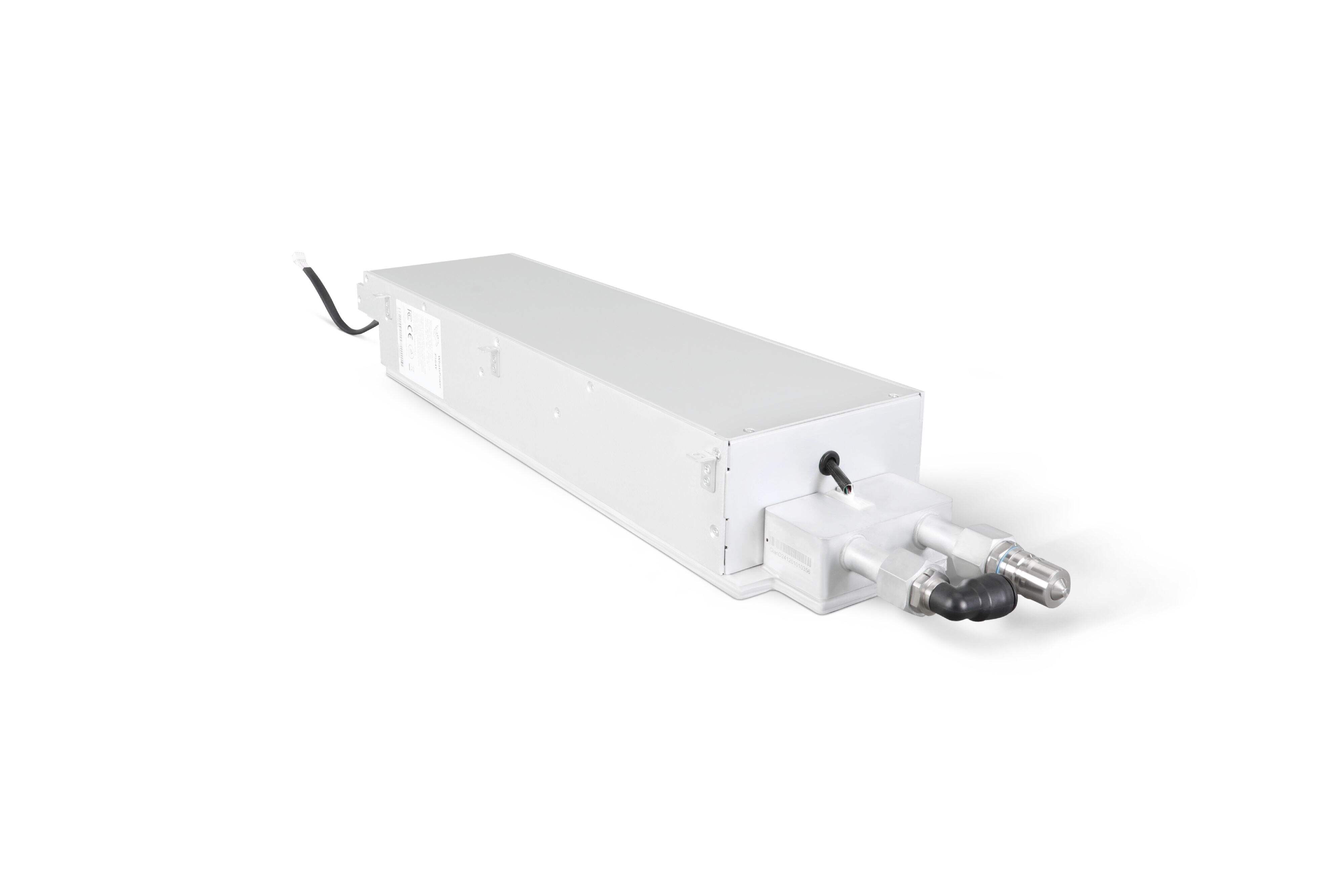
Water-cooled power supply unit configurations offer superior thermal performance for high-density server deployments, directly removing heat from power conversion components and reducing facility cooling loads. These systems integrate with existing facility cooling infrastructure, providing more efficient heat removal compared to air-cooled alternatives while reducing acoustic noise levels in server environments.
Environmental Operating Conditions
Server farm power supply units must operate reliably across extended temperature ranges, typically from 0°C to 50°C ambient conditions, while maintaining full performance specifications. Extended temperature range capabilities become essential in facilities utilizing economizer cooling strategies or those located in challenging climatic conditions. High-quality power supply unit designs incorporate temperature derating curves that maintain safe operation even when ambient conditions exceed nominal specifications.
Humidity resistance and dust ingress protection ensure long-term reliability in typical server farm environments. Power supply units with IP54 or higher ingress protection ratings provide enhanced durability against environmental contaminants, reducing maintenance requirements and extending operational lifespans. These protection features prove particularly valuable in colocation facilities or industrial server deployments where environmental conditions may vary significantly.
Scalability and Future-Proofing Strategies
Modular Power Architecture
Modular power supply unit designs enable flexible capacity scaling as server farm requirements evolve over time. Hot-swappable power modules allow capacity adjustments without system downtime, supporting dynamic load management and planned expansion activities. This modularity proves essential for facilities experiencing rapid growth or seasonal demand variations that require temporary capacity increases.
Standardized power supply unit form factors ensure compatibility across different server generations and vendor platforms, simplifying procurement and maintenance processes. Common form factors such as ATX, EPS, and custom rack-mount configurations provide flexibility in server selection while maintaining consistent power delivery specifications throughout the facility infrastructure.
Smart Power Management Integration
Modern power supply units incorporate intelligent monitoring and management capabilities that integrate with facility-wide power management systems. These features provide real-time power consumption data, efficiency metrics, and predictive maintenance alerts that optimize overall facility operations. Advanced power supply unit designs support industry-standard communication protocols including SNMP, Modbus, and proprietary management interfaces.
Integration with building management systems enables automated load shedding, demand response participation, and energy optimization strategies that reduce operational costs while maintaining service availability. Smart power supply unit features support advanced analytics and machine learning applications that continuously optimize power delivery efficiency based on actual usage patterns and environmental conditions.
Cost Analysis and ROI Considerations
Total Cost of Ownership Evaluation
Comprehensive cost analysis for server farm power supply units must consider initial acquisition costs, operational energy expenses, maintenance requirements, and end-of-life replacement considerations. Higher-efficiency power supply unit designs typically command premium initial prices but deliver substantial operational savings through reduced energy consumption and cooling requirements over their operational lifespans.
Lifecycle cost modeling demonstrates that premium power supply unit investments typically achieve payback periods of 18 to 36 months in high-utilization server farm environments. These calculations include direct energy savings, reduced cooling infrastructure costs, and improved system reliability that minimizes downtime-related revenue losses. Facilities operating at high capacity factors experience faster payback periods due to increased operational hours and energy consumption levels.
Vendor Selection and Support Services
Selecting reputable power supply unit manufacturers with established service networks ensures long-term support availability and replacement part accessibility. Enterprise-grade power supply units typically include extended warranty coverage, advance replacement services, and technical support resources that minimize operational disruptions during equipment failures or maintenance activities.
Vendor qualification processes should evaluate manufacturing quality standards, testing procedures, and compliance with industry certifications including UL, CE, and FCC requirements. Established manufacturers provide detailed specifications, application notes, and design support resources that facilitate proper power supply unit integration and optimization within existing facility infrastructure systems.
FAQ
What capacity should I choose for my server farm power supply unit
Power supply unit capacity selection depends on your server configuration, expected growth, and redundancy requirements. Calculate total server power consumption, add 25-30% safety margin, then factor in cooling and infrastructure loads. For large facilities, consider distributed power architecture with multiple smaller units rather than single large units to improve redundancy and maintenance flexibility.
How do I determine if three-phase power supply units are necessary
Three-phase power supply units become advantageous when facility loads exceed 30kW or when operating large numbers of servers in centralized locations. Three-phase systems provide better power balance, reduced conductor requirements, and improved efficiency for motor-driven cooling systems. Most enterprise server farms benefit from three-phase power distribution due to cost and performance advantages.
What efficiency rating should I target for optimal cost savings
Target 80 PLUS Gold (87% efficiency) or higher ratings for most server farm applications, with Titanium ratings (94% efficiency) justified for high-utilization facilities. Higher efficiency power supply unit designs reduce energy costs and cooling requirements, with payback periods typically under three years for facilities operating at high capacity factors and extended hours.
How important is power supply unit redundancy in server farms
Power supply unit redundancy is critical for mission-critical server farms where downtime costs exceed redundant equipment expenses. Implement N+1 or 2N redundancy configurations depending on availability requirements, with automatic failover capabilities and regular testing procedures. Redundant power supply unit configurations should include independent power sources and distribution paths to eliminate single points of failure.