
 EN
EN
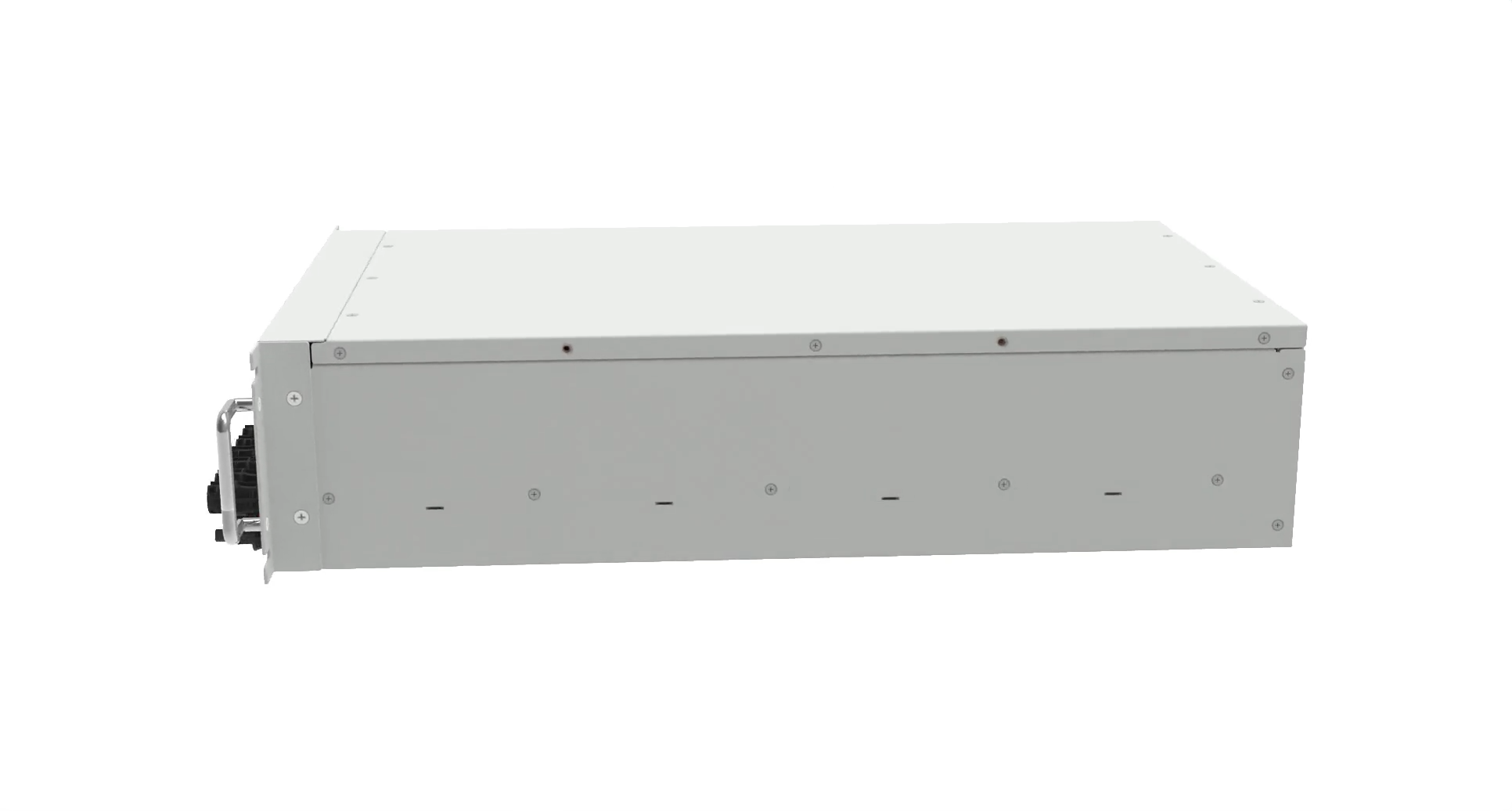
Modern AI computing centers face unprecedented power demands as artificial intelligence workloads continue to expand across industries. The foundation of reliable AI infrastructure lies in selecting the right power supply units that can deliver consistent, efficient energy while minimizing operational costs. A high-efficiency PSU represents the cornerstone of sustainable AI computing operations, providing the stable power delivery essential for maintaining peak performance in demanding computational environments.
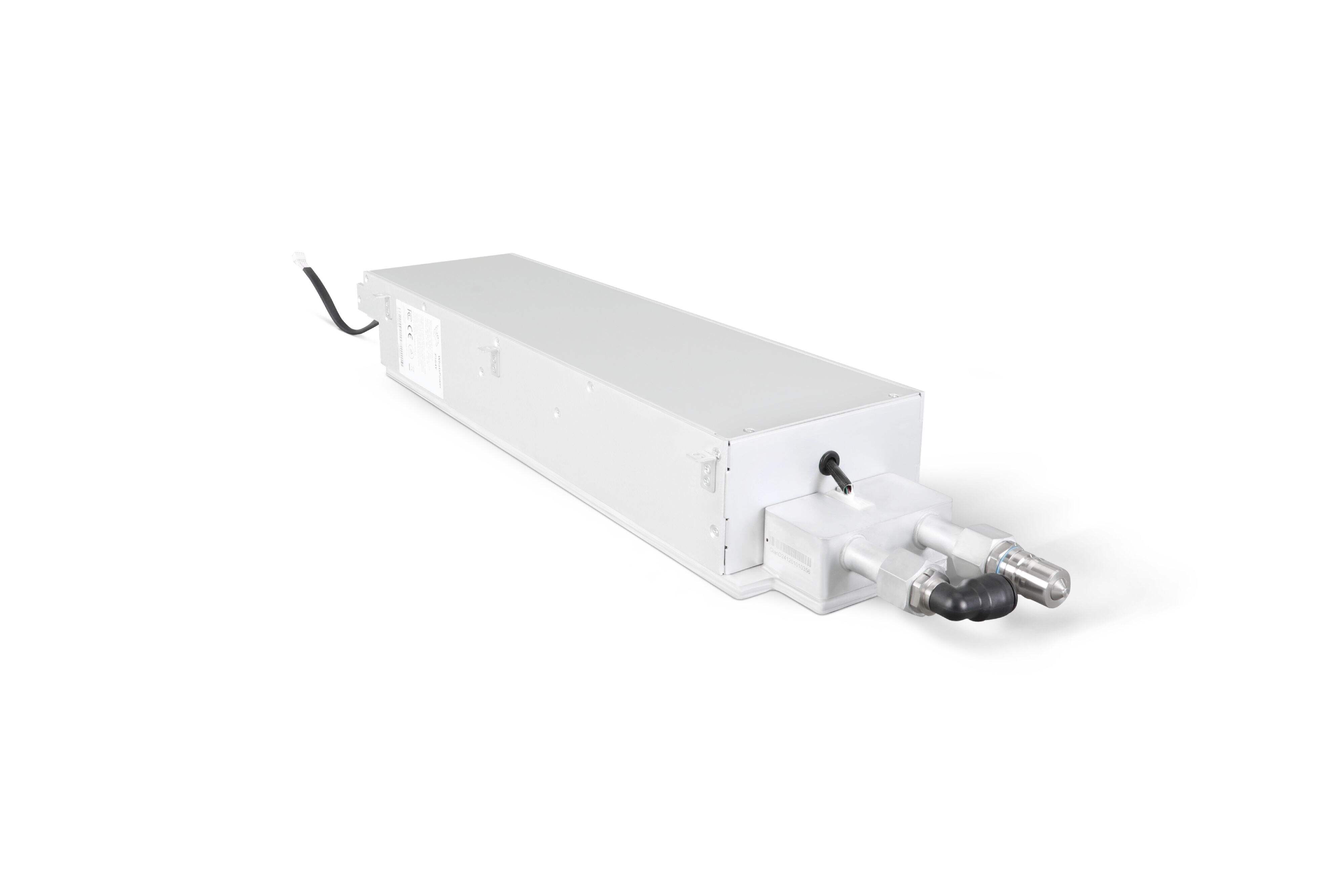
The power requirements of AI computing centers have evolved dramatically over the past decade. Graphics processing units, tensor processing units, and specialized AI accelerators consume substantially more power than traditional server components. This increased power density creates unique challenges for data center operators who must balance performance requirements with energy efficiency goals. Understanding these challenges helps explain why traditional power supply solutions often fall short in AI-focused environments.
Energy efficiency has become a critical factor in AI computing center operations as organizations seek to reduce operational expenses and meet sustainability targets. The selection of appropriate power supply technologies directly impacts both immediate operational costs and long-term environmental objectives. Advanced power supply units designed for AI workloads offer significant advantages over conventional solutions through improved efficiency ratings and specialized features tailored to high-performance computing requirements.
Understanding Power Efficiency in AI Computing Environments
Efficiency Rating Standards and Certifications
Power supply efficiency ratings provide standardized metrics for comparing different units and their performance characteristics. The 80 PLUS certification program establishes efficiency benchmarks that help data center operators identify high-efficiency PSU options suitable for AI computing applications. These certifications measure power conversion efficiency at various load levels, providing valuable insights into real-world performance under different operational conditions.
Premium efficiency ratings such as 80 PLUS Titanium and 80 PLUS Platinum indicate power supplies that achieve exceptional efficiency levels across their operational range. These high-efficiency PSU units typically maintain efficiency ratings above 94% at optimal load conditions, translating to significant energy savings in large-scale AI deployments. Understanding these certification levels helps organizations make informed decisions when selecting power supplies for their AI infrastructure investments.
Power Factor Correction and Harmonic Distortion
Active power factor correction technology integrated into modern high-efficiency PSU designs helps optimize power quality and reduce strain on electrical infrastructure. This technology ensures that power consumption patterns align more closely with utility grid requirements, reducing reactive power demands and improving overall system efficiency. AI computing centers benefit from improved power factor correction through reduced electrical infrastructure costs and enhanced grid stability.
Harmonic distortion reduction capabilities built into advanced power supply units help minimize electromagnetic interference and improve power quality throughout the facility. Low total harmonic distortion ratings indicate cleaner power delivery that benefits sensitive AI computing components and reduces the risk of performance degradation. These quality improvements become increasingly important as AI workloads demand consistent, reliable power delivery for optimal performance.
Thermal Management and Cooling Considerations
Heat Generation and Dissipation
The relationship between power efficiency and heat generation plays a crucial role in AI computing center design and operation. Higher efficiency power supplies generate less waste heat, reducing the overall thermal load on facility cooling systems. This reduction in heat generation directly translates to lower cooling costs and improved environmental conditions for AI computing equipment.
Advanced thermal management features incorporated into high-efficiency PSU designs include intelligent fan control systems and optimized heat sink configurations. These features help maintain optimal operating temperatures while minimizing noise levels and extending component lifespan. The thermal benefits of efficient power supplies become particularly important in dense AI computing deployments where heat management challenges can significantly impact system reliability and performance.
Cooling Infrastructure Integration
Modern AI computing centers increasingly adopt liquid cooling solutions to manage the intense heat generated by high-performance processors and accelerators. High-efficiency PSU units designed with liquid cooling interfaces provide seamless integration with facility-wide cooling systems. This integration enables more effective heat removal and improved overall system efficiency.
The coordination between power supply cooling and facility cooling systems creates opportunities for enhanced energy efficiency and improved system reliability. Integrated cooling approaches help reduce redundant cooling infrastructure while providing more precise temperature control for critical AI computing components. These integrated solutions represent the future of efficient AI computing center design and operation.
Scalability and Modular Design Benefits
Modular Power Architecture
Modular power supply architectures provide AI computing centers with flexible scaling options that can adapt to changing computational requirements. These designs allow operators to add or remove power modules based on current demand, optimizing efficiency across different load conditions. The modular approach ensures that high-efficiency PSU systems maintain optimal performance as AI workloads fluctuate throughout operational cycles.
Redundancy features built into modular power supply designs enhance system reliability while maintaining efficiency benefits. Hot-swappable modules enable maintenance and upgrades without interrupting AI computing operations, ensuring continuous availability for mission-critical applications. This combination of efficiency and reliability makes modular power supplies particularly attractive for enterprise AI computing deployments.
Future-Proofing Power Infrastructure
The rapid evolution of AI hardware creates ongoing challenges for power infrastructure planning and investment decisions. High-efficiency PSU systems designed with modular architectures provide greater flexibility to accommodate future hardware generations and changing power requirements. This adaptability helps organizations protect their infrastructure investments while maintaining optimal efficiency as technology advances.
Standardized interfaces and communication protocols integrated into modern power supply units enable seamless integration with facility management systems and monitoring platforms. These capabilities support predictive maintenance programs and optimize power distribution across AI computing resources. The intelligence built into advanced power supplies helps maximize efficiency while providing valuable operational insights.
Cost Analysis and Return on Investment
Initial Investment Considerations
The upfront cost premium associated with high-efficiency PSU units requires careful analysis within the context of total cost of ownership for AI computing centers. While premium efficiency power supplies typically command higher initial purchase prices, the long-term operational savings often justify these investments through reduced energy costs and improved reliability. Understanding the financial implications helps organizations make informed decisions about power infrastructure investments.
Financing options and utility rebate programs available for high-efficiency equipment can help offset initial investment costs and improve project economics. Many utility companies offer incentive programs that recognize the grid benefits of efficient power consumption patterns. These financial incentives can significantly improve the return on investment for high-efficiency PSU upgrades in AI computing facilities.
Operational Cost Savings
Energy cost savings represent the most direct financial benefit of deploying high-efficiency PSU technology in AI computing centers. The improved efficiency ratings translate to measurable reductions in electricity consumption, with savings that compound over the operational lifetime of the equipment. These ongoing savings often exceed the initial cost premium within the first few years of operation.
Maintenance cost reductions associated with high-efficiency PSU designs provide additional financial benefits through extended component lifespan and reduced failure rates. Advanced power supplies typically incorporate higher-quality components and improved thermal management that contribute to enhanced reliability. These reliability improvements translate to lower maintenance costs and reduced downtime risks for AI computing operations.
Environmental Impact and Sustainability
Carbon Footprint Reduction
The environmental benefits of high-efficiency PSU deployment extend beyond immediate facility operations to include broader sustainability impacts. Reduced energy consumption directly translates to lower carbon emissions, particularly when facilities operate on traditional grid power sources. AI computing centers implementing efficient power supplies can achieve substantial reductions in their overall carbon footprint while maintaining computational performance requirements.
Corporate sustainability initiatives increasingly focus on data center energy efficiency as organizations seek to meet environmental goals and regulatory requirements. High-efficiency PSU technology provides a concrete pathway for achieving measurable improvements in energy performance indicators. These improvements support corporate sustainability reporting requirements and demonstrate environmental stewardship to stakeholders and customers.
Regulatory Compliance and Standards
Evolving energy efficiency regulations and standards create compliance requirements that high-efficiency PSU technology helps address. Government agencies worldwide are implementing stricter efficiency standards for data center operations, making efficient power supplies essential for regulatory compliance. Staying ahead of these regulatory trends through early adoption of efficient technologies provides competitive advantages and reduces compliance risks.
International standards organizations continue developing specifications for data center energy efficiency that incorporate power supply performance requirements. Compliance with emerging standards ensures compatibility with future regulatory frameworks while demonstrating commitment to sustainable operations. High-efficiency PSU selection aligned with these standards provides long-term regulatory compliance assurance.
Implementation Best Practices
System Integration Planning
Successful implementation of high-efficiency PSU technology in AI computing centers requires comprehensive planning that considers electrical infrastructure compatibility and cooling system integration. System designers must evaluate existing electrical distribution capacity and ensure compatibility with new power supply requirements. This planning process helps identify potential infrastructure upgrades needed to support efficient power supply deployment.
Coordination between power supply selection and AI hardware procurement ensures optimal system integration and performance. Different AI accelerators and processors have specific power delivery requirements that must be matched with appropriate power supply capabilities. This coordination helps maximize the efficiency benefits while ensuring reliable operation of AI computing workloads.
Monitoring and Optimization
Continuous monitoring of power supply performance enables ongoing optimization of efficiency and identification of potential issues before they impact operations. Modern high-efficiency PSU units incorporate sophisticated monitoring capabilities that provide real-time visibility into power consumption patterns and efficiency metrics. This monitoring data supports data-driven optimization decisions and predictive maintenance programs.
Performance optimization strategies for high-efficiency PSU systems include load balancing techniques and adaptive control algorithms that respond to changing computational demands. These optimization approaches help maintain peak efficiency across varying AI workload patterns while ensuring reliable power delivery. Implementation of these strategies requires integration with facility management systems and operational procedures.
FAQ
What efficiency rating should I target for AI computing center power supplies
For AI computing centers, targeting 80 PLUS Platinum or 80 PLUS Titanium certified high-efficiency PSU units provides the best balance of performance and cost-effectiveness. These certifications ensure efficiency ratings above 92% at typical load conditions, delivering significant energy savings for high-power AI workloads. The specific rating choice depends on your facility's power costs and operational requirements.
How do high-efficiency PSU units impact cooling costs in AI data centers
High-efficiency PSU technology reduces cooling costs by generating less waste heat during power conversion, typically reducing facility cooling loads by 5-10% compared to standard efficiency units. This reduction in heat generation decreases the workload on facility cooling systems and can enable more efficient cooling system operation. The cumulative effect includes both direct energy savings and reduced cooling infrastructure requirements.
What are the key considerations for selecting modular power supplies for AI applications
Key considerations for modular high-efficiency PSU selection include scalability requirements, redundancy needs, and hot-swap capabilities that support continuous AI operations. Evaluate the modular architecture's ability to accommodate future expansion and ensure compatibility with your AI hardware's power requirements. Additionally, consider the communication interfaces and monitoring capabilities that enable integration with facility management systems.
How long does it typically take to recoup the investment in high-efficiency power supplies
Most AI computing centers see return on investment for high-efficiency PSU upgrades within 18-36 months through energy cost savings and reduced cooling expenses. The payback period depends on local electricity rates, facility utilization levels, and the efficiency improvement achieved over existing equipment. Higher electricity costs and continuous high-load operations typically result in faster payback periods for efficiency investments.
Table of Contents
- Understanding Power Efficiency in AI Computing Environments
- Thermal Management and Cooling Considerations
- Scalability and Modular Design Benefits
- Cost Analysis and Return on Investment
- Environmental Impact and Sustainability
- Implementation Best Practices
-
FAQ
- What efficiency rating should I target for AI computing center power supplies
- How do high-efficiency PSU units impact cooling costs in AI data centers
- What are the key considerations for selecting modular power supplies for AI applications
- How long does it typically take to recoup the investment in high-efficiency power supplies