
 EN
EN
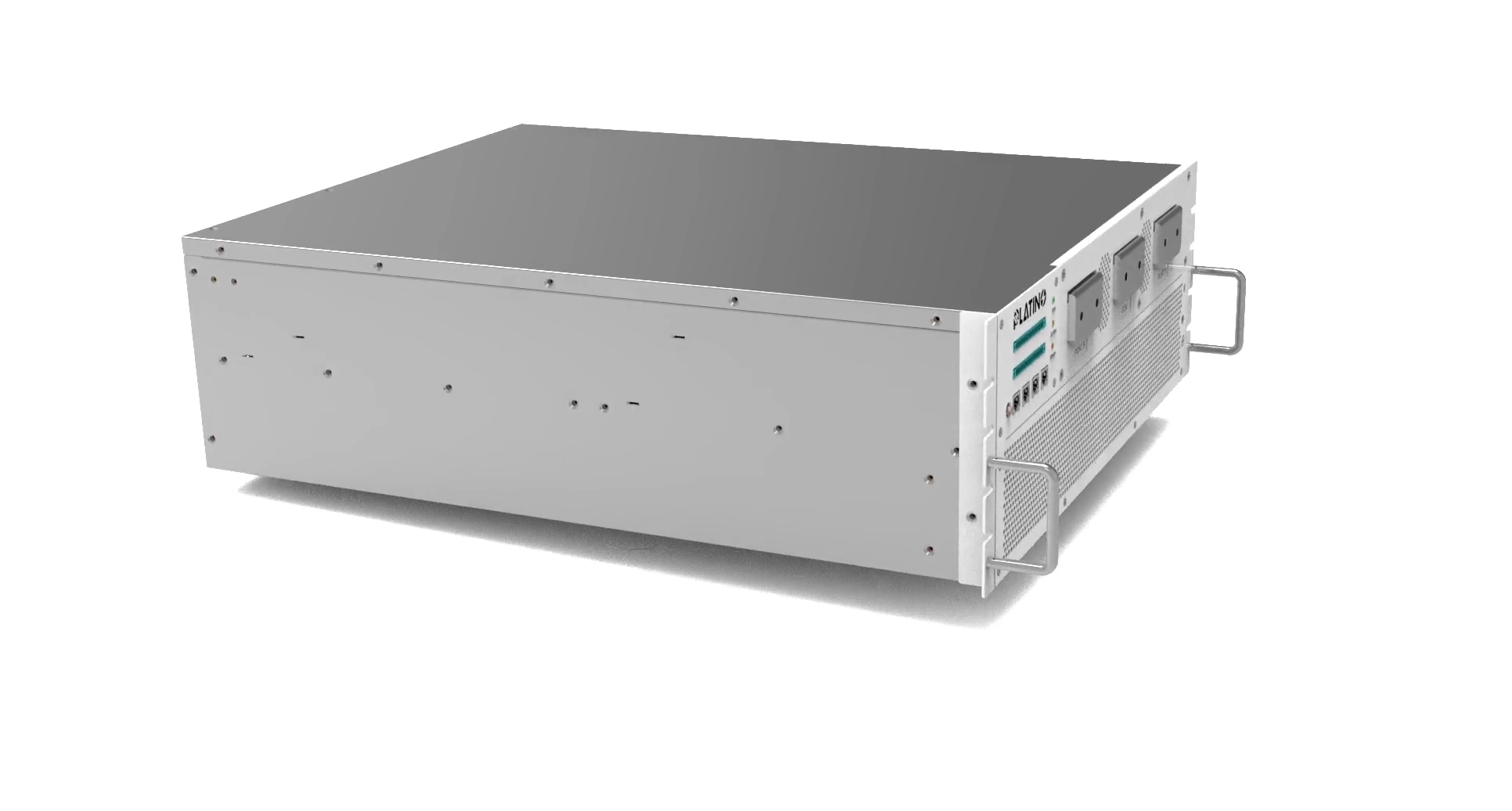
Modern manufacturing facilities face mounting pressure to reduce energy costs, stabilize power quality, and meet increasingly strict sustainability targets. In this context, the 130kW energy storage PCS has emerged as a strategically important piece of infrastructure for factories seeking to take control of their energy profile. A power conversion system at this capacity sits in a practical sweet spot — powerful enough to handle the demands of mid-to-large industrial operations, yet modular enough to integrate cleanly into existing electrical architectures without requiring a complete facility overhaul.
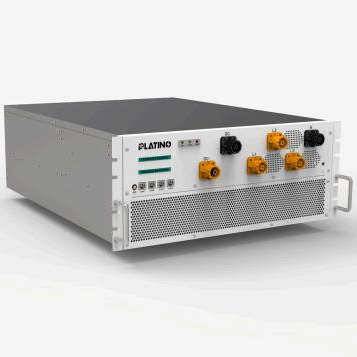
Understanding the core advantages of a 130kW energy storage PCS requires looking beyond the basic specification and examining how this system performs across real factory conditions — peak shaving cycles, grid disturbances, renewable integration, and long-term operational economics. Each of these dimensions reveals why this class of power conversion system is gaining traction across discrete manufacturing, process industries, and logistics-intensive facilities alike. This article breaks down those advantages in detail so that facility managers and energy engineers can make well-informed deployment decisions.
Peak Demand Management and Energy Cost Reduction
How a 130kW Energy Storage PCS Reduces Peak Charges
One of the most immediate financial advantages of deploying a 130kW energy storage PCS in a factory setting is its ability to actively manage peak demand charges. Utilities typically bill industrial customers not only for total energy consumed but also for the highest power draw recorded during a billing period. Even a brief spike caused by motor startups, compressor cycling, or production line surges can significantly inflate monthly electricity bills.
A 130kW energy storage PCS addresses this by discharging stored energy precisely during those high-demand windows, effectively capping the facility's apparent load from the grid's perspective. The system monitors real-time power flow and responds within milliseconds, smoothing out the demand curve before a peak is registered. Over a full billing cycle, this behavior can translate into measurable reductions in demand charges, which in many industrial tariff structures represent 30 to 50 percent of total electricity costs.
The 130kW capacity level is particularly well-suited to factories with predictable but sharp load spikes. It provides enough discharge power to offset the most common industrial transients without oversizing the system to a point where capital costs become difficult to justify. This balance between capability and cost-efficiency is a defining characteristic of the 130kW energy storage PCS as a factory solution.
Time-of-Use Arbitrage and Charging Strategy
Beyond peak shaving, a 130kW energy storage PCS enables factories to exploit time-of-use pricing structures. In regions where grid electricity is priced differently across the day, the system can be programmed to charge its battery bank during off-peak hours when rates are lowest, then discharge during peak-rate periods when grid power is most expensive. This arbitrage strategy compounds the financial benefit of the system over time.
For factories operating multiple shifts or running continuous processes, the ability to pre-charge the storage system overnight and deploy that energy during morning production ramp-up is especially valuable. The 130kW energy storage PCS provides enough throughput to meaningfully offset grid consumption during these high-cost windows without requiring the factory to alter its production schedule or reduce output.
When combined with an energy management system, the 130kW energy storage PCS can automate these charging and discharging decisions based on real-time tariff data, weather forecasts, and production schedules. This level of intelligent energy dispatch is what separates a modern power conversion system from a simple backup power unit.
Grid Stability Support and Power Quality Improvement
Voltage and Frequency Regulation in Industrial Environments
Factories are not passive consumers of grid power — they are active participants in the local grid ecosystem, and their internal power quality directly affects both equipment performance and production reliability. A 130kW energy storage PCS contributes to grid stability by providing fast-response reactive power support and active power balancing that stabilizes voltage and frequency within the facility's distribution network.
Industrial equipment such as CNC machines, variable frequency drives, and precision welding systems is sensitive to voltage fluctuations. Even minor deviations from nominal voltage can cause equipment faults, reduce product quality, or trigger protective shutdowns that interrupt production. The 130kW energy storage PCS acts as a buffer between the grid and sensitive loads, absorbing disturbances before they propagate through the facility.
This power quality function is often undervalued during the procurement phase but becomes highly visible once the system is operational. Facilities that previously experienced frequent nuisance trips or unexplained equipment faults often report significant improvements after deploying a 130kW energy storage PCS, because the system addresses the root cause rather than just the symptoms of poor power quality.
Uninterruptible Power Support During Grid Events
Grid outages and voltage sags are a persistent risk for factories in regions with aging infrastructure or high grid congestion. A 130kW energy storage PCS can provide seamless transition to island mode during a grid disturbance, maintaining power to critical loads without the delay associated with traditional diesel generators. The transition time for a well-configured power conversion system is typically measured in milliseconds, which is fast enough to prevent most sensitive equipment from detecting the interruption.
For factories where a production stoppage carries significant financial consequences — whether due to scrapped batches, equipment restart procedures, or contractual delivery penalties — this uninterruptible power capability represents a concrete risk mitigation value. The 130kW energy storage PCS essentially functions as an always-ready energy reserve that activates automatically when grid conditions deteriorate.
It is important to note that the duration of backup support depends on the battery capacity paired with the 130kW energy storage PCS, not the PCS rating itself. The PCS defines the power conversion rate, while the battery bank defines the energy reserve. Factories should size both components together based on their critical load profile and acceptable outage duration.
Renewable Energy Integration and Carbon Reduction
Enabling Effective Solar and Wind Integration at Factory Scale
Many factories are investing in on-site renewable generation — rooftop solar arrays, ground-mounted PV systems, or small wind installations — as part of broader decarbonization strategies. However, renewable generation is inherently intermittent, and without a storage and conversion layer, the mismatch between generation timing and consumption timing limits the practical value of these investments. A 130kW energy storage PCS resolves this mismatch by storing excess renewable generation and releasing it when production demand is highest.
The 130kW energy storage PCS acts as the intelligent interface between the renewable generation source, the battery storage system, and the factory's AC distribution network. It manages bidirectional power flow — absorbing energy from the DC bus when generation exceeds consumption, and injecting energy back into the AC network when generation falls short. This bidirectional capability is a fundamental technical advantage of a modern power conversion system over simpler inverter-only solutions.
For a factory with a 200 to 500 kWp solar installation, a 130kW energy storage PCS provides a well-proportioned conversion capacity that avoids both under-utilization of the storage system and unnecessary curtailment of solar generation. The system can be scaled by adding additional PCS units in parallel as the renewable capacity grows, preserving the initial investment while expanding capability over time.
Supporting Corporate Sustainability and Emissions Reporting
Beyond the operational benefits, deploying a 130kW energy storage PCS contributes directly to a factory's measurable carbon reduction outcomes. By maximizing self-consumption of renewable energy and reducing reliance on grid power during high-carbon peak periods, the system lowers the facility's effective carbon intensity per unit of production. This is increasingly relevant for manufacturers subject to scope 2 emissions reporting requirements or supply chain sustainability audits from major customers.
The data logging and monitoring capabilities built into a 130kW energy storage PCS also support accurate emissions accounting. Real-time and historical records of energy flows, renewable utilization rates, and grid import volumes provide the granular data needed for credible sustainability reporting. This documentation value is often overlooked but is becoming a practical requirement for factories operating within regulated or sustainability-conscious supply chains.
Modular Architecture and Scalability for Factory Expansion
Why the 130kW Rating Supports Phased Deployment
One of the structural advantages of a 130kW energy storage PCS is that its modular design philosophy allows factories to deploy energy storage capacity in phases aligned with actual business growth rather than committing to a large upfront system that may be oversized for current needs. A single 130kW energy storage PCS can serve as the foundation of a larger energy storage system, with additional units added in parallel as production capacity, renewable generation, or energy management ambitions expand.
This phased approach reduces initial capital expenditure and shortens the payback period for the first deployment, because the system is sized to deliver measurable financial benefits from day one rather than waiting for the facility to grow into an oversized installation. Factory energy managers can demonstrate ROI on the initial 130kW energy storage PCS before committing to further expansion, which simplifies internal budget approval processes.
The modular architecture also simplifies maintenance and redundancy planning. If one unit requires servicing, the remaining units continue to operate, preventing a single point of failure from disabling the entire energy storage system. This operational resilience is a meaningful advantage in production environments where energy system downtime has direct production cost implications.
Integration with Factory Energy Management Systems
A 130kW energy storage PCS designed for industrial deployment typically supports standard communication protocols such as Modbus, CAN bus, or EtherNet/IP, enabling seamless integration with factory-level energy management systems and SCADA platforms. This connectivity allows the PCS to receive dispatch commands, report operational status, and participate in coordinated energy optimization strategies alongside other controllable assets such as HVAC systems, compressed air, and process heating.
When the 130kW energy storage PCS is integrated into a broader energy management framework, its value multiplies. The system can respond to signals from demand response programs, adjust its behavior based on real-time electricity pricing, and coordinate with on-site generation to minimize grid dependency during critical production windows. This level of integration transforms the PCS from a standalone device into an active participant in the factory's energy intelligence layer.
Factories that invest in this integration layer early tend to extract significantly more financial and operational value from their 130kW energy storage PCS over its service life, because the system's dispatch logic continuously improves as more operational data becomes available and as energy market conditions evolve.
Long-Term Economic Value and Return on Investment
Calculating the Financial Case for a 130kW Energy Storage PCS
The economic case for a 130kW energy storage PCS in a factory context rests on multiple simultaneous value streams rather than a single benefit. Peak demand charge reduction, time-of-use arbitrage, avoided production losses from power quality events, and potential revenue from grid services all contribute to the system's financial return. When these streams are modeled together over a 10 to 15 year system lifespan, the cumulative value typically justifies the capital investment for factories with moderate to high electricity costs.
The specific payback period for a 130kW energy storage PCS varies depending on local electricity tariff structures, the factory's load profile, and the degree to which renewable generation is integrated. Facilities in regions with high demand charges and significant time-of-use price differentials tend to see the fastest payback, often in the range of four to seven years. Facilities in regions with flatter tariff structures may see longer payback periods but still benefit from the power quality and resilience advantages.
It is also worth noting that the cost of battery storage technology has declined substantially over the past decade and continues to trend downward, which improves the economics of new deployments. A 130kW energy storage PCS installed today benefits from this cost trajectory while locking in energy cost savings that are likely to grow as grid electricity prices rise over the system's operational life.
Maintenance Profile and Operational Longevity
A well-engineered 130kW energy storage PCS is designed for industrial duty cycles, meaning it is built to operate continuously in demanding environments with minimal maintenance intervention. The power electronics within the PCS — including the inverter stage, control boards, and thermal management systems — are typically rated for tens of thousands of operating hours, and modern designs incorporate predictive diagnostics that flag potential issues before they cause unplanned downtime.
The maintenance requirements for a 130kW energy storage PCS are generally limited to periodic inspection of cooling systems, firmware updates, and battery health monitoring. Compared to diesel generators or other backup power technologies, the PCS has no combustion components, no fuel handling requirements, and no emissions-related compliance obligations. This simplicity reduces the total cost of ownership over the system's service life and minimizes the operational burden on facility maintenance teams.
Factories that treat the 130kW energy storage PCS as a long-term infrastructure asset rather than a short-term cost reduction tool tend to extract the most value from the investment. The system's ability to adapt to changing energy market conditions, evolving production requirements, and expanding renewable generation capacity means that its strategic value can grow over time rather than diminishing as the technology matures.
FAQ
What factory size is best suited for a 130kW energy storage PCS?
A 130kW energy storage PCS is generally well-suited for mid-size manufacturing facilities with peak demand in the range of 200 to 800 kW. Smaller factories may find the system oversized for their needs, while very large facilities may require multiple units deployed in parallel. The key sizing factor is not the total connected load but rather the magnitude and frequency of demand spikes that the system needs to offset.
Can a 130kW energy storage PCS operate in parallel with a diesel generator?
Yes, a 130kW energy storage PCS can be configured to operate alongside a diesel generator in a hybrid power architecture. In this configuration, the PCS typically handles short-duration power quality events and peak shaving, while the generator provides longer-duration backup during extended outages. This hybrid approach reduces generator runtime, lowers fuel consumption, and extends generator service intervals, improving the economics of both systems.
How does a 130kW energy storage PCS handle high ambient temperatures in industrial environments?
Industrial-grade 130kW energy storage PCS units are designed with robust thermal management systems that maintain safe operating temperatures across a wide ambient range. Most units incorporate active cooling with intelligent fan control or liquid cooling options for high-temperature environments. It is important to verify the specific operating temperature range of the selected unit and ensure that the installation location provides adequate airflow or cooling infrastructure to maintain performance and longevity.
What communication protocols does a 130kW energy storage PCS typically support for factory integration?
Most industrial 130kW energy storage PCS units support standard protocols including Modbus RTU, Modbus TCP/IP, CAN bus, and in some cases EtherNet/IP or IEC 61850 for grid-connected applications. The specific protocol support varies by manufacturer and model, so it is important to confirm compatibility with the factory's existing energy management system or SCADA platform during the procurement process. Proper protocol alignment ensures that the PCS can be fully integrated into automated energy dispatch strategies rather than operating as a standalone device.
Table of Contents
- Peak Demand Management and Energy Cost Reduction
- Grid Stability Support and Power Quality Improvement
- Renewable Energy Integration and Carbon Reduction
- Modular Architecture and Scalability for Factory Expansion
- Long-Term Economic Value and Return on Investment
-
FAQ
- What factory size is best suited for a 130kW energy storage PCS?
- Can a 130kW energy storage PCS operate in parallel with a diesel generator?
- How does a 130kW energy storage PCS handle high ambient temperatures in industrial environments?
- What communication protocols does a 130kW energy storage PCS typically support for factory integration?