
 EN
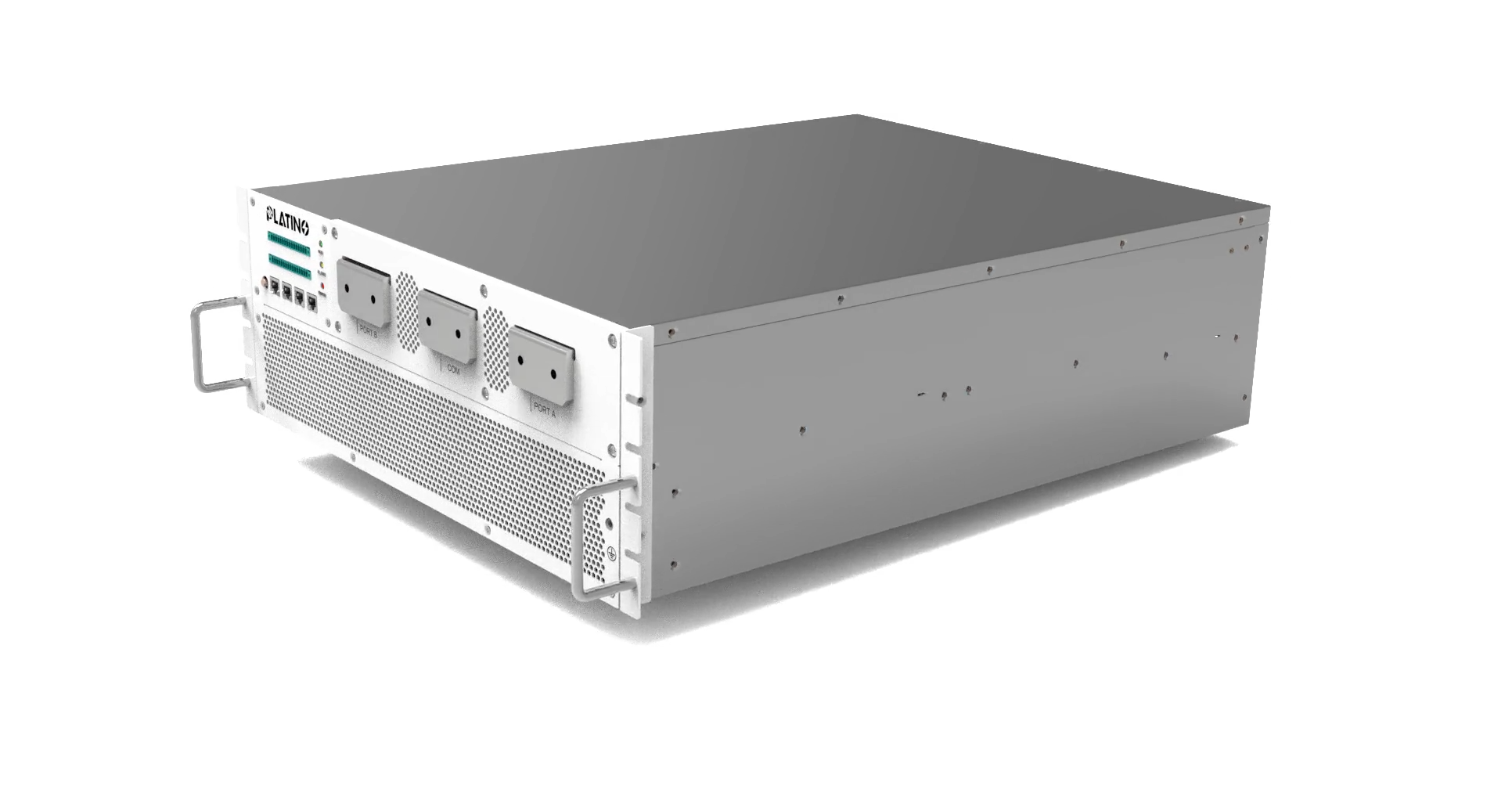
Choosing redundancy for a server power supply unit deployment means deciding what should remain online when a power component or feed fails. Common options include a single supply, paired supplies with load sharing, N+1 capacity, and dual-input arrangements. The right choice depends on failure tolerance, load, and maintenance needs.
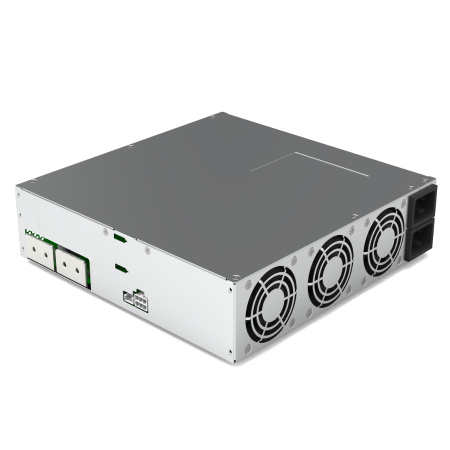
There is no single redundancy design that suits every rack or facility. Compare how each arrangement responds to a supply failure, a circuit interruption, or planned service, then check the server PSU wattage requirements and the available power paths. A hot-swappable redundant power supply configuration can help preserve service during a module change, but only when the system and its feeds are designed for that outcome.
Redundancy options and their failure coverage
Single, load-sharing, and N+1 arrangements
A single supply has no internal backup, so a failed unit can stop the server even if the facility feed remains healthy. A paired design can share normal demand, while either supply may carry the load after its partner fails if the remaining capacity is sufficient. Check server PSU wattage requirements against both normal operation and the post-failure load, and understand which 80 Plus efficiency ratings for server power supplies apply at the expected operating point. A hot-swappable redundant power supply configuration makes module replacement possible without a shutdown when supported by the hardware.
N+1 means that the installed capacity includes one additional supply beyond the number needed for the planned load. It can protect against one module failure, but it does not automatically protect against a shared input circuit or upstream distribution fault. Size against server PSU wattage requirements rather than the label on each unit alone. Confirm that the hot-swappable redundant power supply configuration can sustain the full required load after a failure, and review the 80 Plus efficiency ratings for server power supplies for the load range that matters.
Independent feeds and dual-input designs
Two supplies connected to independent power paths can cover more than a failed module: they may also help maintain operation if one circuit or distribution path is unavailable. Independence must be real, extending through breakers, rack distribution, and upstream sources where the facility design allows. Document each path and validate the server PSU wattage requirements on the surviving path. Check 80 Plus efficiency ratings for server power supplies as part of the energy review, and confirm a hot-swappable redundant power supply configuration supports the intended feed arrangement.
A dual-input supply accepts power from two input sources, but its behavior depends on its design and the server platform. It should not be assumed to provide the same protection as two independent modules; establish how input loss is handled and what happens during service. Match the design to the site's power distribution plan and server PSU wattage requirements. Review 80 Plus efficiency ratings for server power supplies under the expected load, and verify whether a hot-swappable redundant power supply configuration is needed for uninterrupted replacement.
Capacity and efficiency decisions
Sizing for normal and degraded operation
Redundancy only works when the surviving capacity can support the required workload. Establish peak draw from the server configuration, including processors, memory, storage, accelerators, and expected expansion, then assess both ordinary and failure conditions. Server PSU wattage requirements should include reasonable operating headroom without treating nameplate capacity as usable capacity in every environment. Confirm the hot-swappable redundant power supply configuration remains within its limits after one unit is lost, and use 80 Plus efficiency ratings for server power supplies to inform energy planning.
Avoid sizing solely from an average utilization snapshot. Workloads can change, components can be added, and power demand can rise during intensive processing or startup. Revisit server PSU wattage requirements when the server role or hardware changes, and test assumptions against the system's documented limits. A hot-swappable redundant power supply configuration may share load differently from a design where one module normally carries the full demand. Compare 80 Plus efficiency ratings for server power supplies at realistic load levels, not just at a single headline point.
Efficiency affects operating heat and facility energy use, but it does not determine redundancy by itself. The 80 Plus efficiency ratings for server power supplies describe conversion efficiency under defined test conditions; they do not establish fault tolerance, input independence, or compatibility. Use those ratings alongside thermal conditions and actual load estimates. Check server PSU wattage requirements for the chosen operating mode, and make sure the hot-swappable redundant power supply configuration is sized for the intended failure case rather than routine demand alone.
Consider the difference between capacity redundancy and path redundancy during design reviews. Extra supply capacity can cover a failed module, while separate circuits address a different failure domain. Neither helps fully if both paths share a vulnerable upstream component. Map the dependencies, then validate server PSU wattage requirements against the capacity available from each surviving path. Confirm the hot-swappable redundant power supply configuration behaves as expected during a simulated module loss, and factor 80 Plus efficiency ratings for server power supplies into the projected heat and power budget.
Operating load, thermal conditions, and service plans
Power supplies operate within environmental and electrical limits that affect deployment choices. Review ambient temperature, airflow, input voltage, and rack conditions against equipment documentation. Server PSU wattage requirements should reflect the actual operating environment, not an idealized room condition. Assess how heat changes when a remaining module takes on more work, and use 80 Plus efficiency ratings for server power supplies as one input to thermal planning. A hot-swappable redundant power supply configuration still needs adequate cooling while a unit is absent.
Planned maintenance is another reason to choose a serviceable design. A hot-swappable redundant power supply configuration can permit a technician to replace a module while the server stays powered, provided another supply is healthy and able to carry the load. Follow the platform's procedure and confirm status indicators before removal. Check server PSU wattage requirements during this temporary degraded state, and understand how the system distributes demand. Efficiency ratings matter to routine energy planning, but do not replace a safe replacement procedure.
Deployment checks and operational fit
Matching the option to workload and facility risk
For a noncritical test system, a single supply may be acceptable when recovery is simple and downtime has limited impact. Production systems with tighter availability needs may justify redundant modules and independent power paths, subject to facility design and budget. Translate business impact into a defined failure scenario before selecting equipment. Check server PSU wattage requirements for the intended workload, compare 80 Plus efficiency ratings for server power supplies at typical demand, and decide whether a hot-swappable redundant power supply configuration is necessary for service continuity.
Consider the whole rack, not only one chassis. If multiple servers share a circuit or rack distribution unit, their combined draw can undermine an otherwise sound supply design. Coordinate IT and facilities teams on feed separation, circuit capacity, and maintenance windows. Validate server PSU wattage requirements at rack level, and record which components share each source. A hot-swappable redundant power supply configuration protects only within its supported boundaries; 80 Plus efficiency ratings for server power supplies help characterize energy use, not shared-path risk.
Validation, monitoring, and lifecycle review
Before deployment, check compatibility, connector types, input conditions, and the system's supported redundancy modes. Confirm that alerts identify a failed supply or lost input promptly, then define who responds and how the fault is escalated. Test failover using an approved procedure rather than assuming the configuration works from its wiring alone. Recalculate server PSU wattage requirements after upgrades, and confirm the hot-swappable redundant power supply configuration still provides the required reserve.
Keep a clear record of normal and degraded operating states, including which supply carries the load and which maintenance actions are permitted. A deployment review should also consider replacement availability and lifecycle planning without confusing spare inventory with live redundancy. Recheck the 80 Plus efficiency ratings for server power supplies when comparing energy assumptions for a refresh. Verify server PSU wattage requirements against the refreshed configuration, and test that the hot-swappable redundant power supply configuration delivers the intended continuity in practice.
FAQ
Does redundant capacity protect against a facility power failure?
Not necessarily. Redundant modules can cover a supply failure, but both may lose power if they share one failed circuit. Separate, appropriately designed feeds address that risk. Review server PSU wattage requirements on each path and establish whether the hot-swappable redundant power supply configuration is connected to genuinely independent sources.
How should efficiency ratings influence a redundancy choice?
Use 80 Plus efficiency ratings for server power supplies to compare conversion efficiency at relevant loads and support energy and thermal estimates. They do not show whether a system can survive a fault. Assess capacity, feed topology, and service behavior separately, then check server PSU wattage requirements for normal and degraded operation.
Can a power supply be replaced without shutting down a server?
It can be possible when the platform supports hot replacement, a healthy remaining supply can carry the load, and the required procedure is followed. Confirm the hot-swappable redundant power supply configuration with system documentation and status monitoring. Verify capacity against server PSU wattage requirements before removing any module.