
 EN
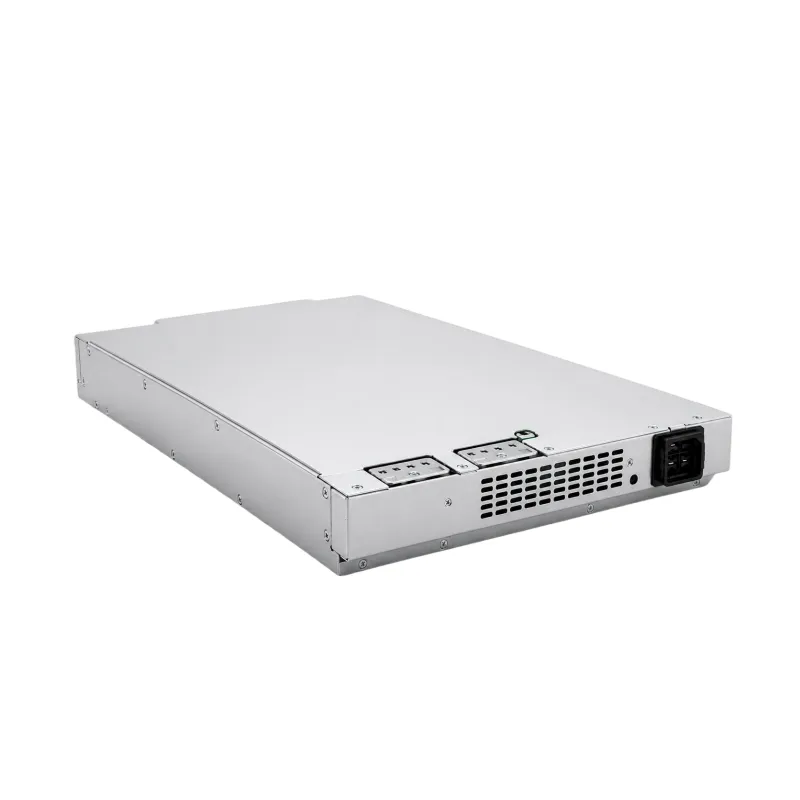
Choosing a water cooled psu for an OEM platform means comparing more than rated wattage. Buyers need to confirm electrical behavior, coolant interfaces, thermal limits, monitoring, and service requirements against the actual system design. A specification that looks suitable on paper may still create integration work if it assumes a different loop, control method, or operating environment.
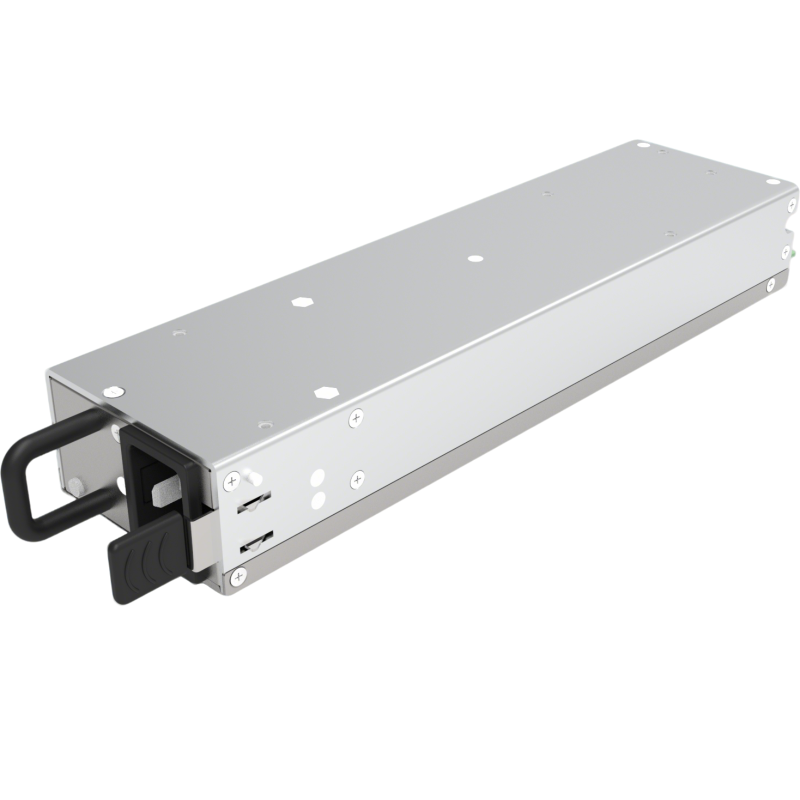
The most useful comparison starts with the intended workload and installation. Review continuous and peak power, input conditions, cooling-loop boundaries, acoustic expectations, and maintenance access together. This approach helps OEM teams judge custom PC cooling loop compatibility and power supply thermal management in context, rather than treating each specification as an isolated feature.
Electrical capability and platform fit
Match output to real operating loads
Begin with the load profile, not just the highest number on a datasheet. Compare rated output with continuous demand, transient peaks, startup behavior, and the expected duty cycle. A water cooled psu should have suitable margin for the platform without being selected on a peak rating that cannot be sustained under the planned inlet conditions. Confirm how derating applies across the operating temperature range.
Check the output rails, voltage regulation limits, ripple specifications, and protection thresholds against the equipment requirements. These details matter in server and industrial systems where processors, accelerators, storage, or control electronics may produce changing loads. For power supply thermal management, determine whether the published output rating assumes a particular coolant temperature or flow rate; otherwise, comparisons between units may not reflect equivalent conditions.
Verify input and integration requirements
Compare input voltage range, frequency, power factor, inrush behavior, and required upstream protection. Confirm connector types, pin assignments, cable lengths, and mechanical clearances before freezing the chassis design. If the power supply uses a communications interface, establish which telemetry and control functions are available, how faults are reported, and whether the host platform can interpret them.
Document the operating assumptions alongside the electrical figures. Liquid-cooled power supply noise levels can depend on the complete system, including pumps, fans elsewhere in the enclosure, and workload. Ask for test conditions and distinguish the supply’s own acoustic contribution from the sound of the overall cabinet. This makes the noise specification useful for deployment planning rather than a stand-alone comparison.
Cooling circuit and acoustic specifications
Assess loop interfaces and operating limits
For custom PC cooling loop compatibility, compare port location, fitting type, tubing requirements, permitted coolant, and the manufacturer’s stated pressure and flow limits. Establish whether the supply is designed to connect to an existing circuit or requires a dedicated path. The mechanical drawing should also show service clearance, orientation constraints, and the space needed to route hoses without sharp bends.
Do not treat a shared connector standard as proof of custom PC cooling loop compatibility. Materials, seals, coolant chemistry, and contamination controls can differ across a system. Ask for the permitted fluid properties and operating range, then check them against the rest of the loop. Confirm how the unit responds to low flow, leakage detection if provided, or coolant conditions outside its specified envelope.
Review thermal data at the intended coolant inlet temperature and flow, including any derating curves. Power supply thermal management depends on the heat transferred into the coolant and on the host loop’s ability to carry that heat away. A stable loop temperature under one workload does not automatically establish capacity for a different enclosure or a higher sustained load, so evaluate the complete heat budget.
Ask how liquid-cooled power supply noise levels were measured and what operating state was used. A liquid-cooled design may reduce the need for local airflow, but acoustic results still depend on internal components and system-level cooling controls. Compare measurement distance, ambient conditions, load, and any included pump or fan behavior. Those conditions allow engineers to determine whether the data match the intended installation.
Set acoustic and thermal expectations
Translate acoustic requirements into a practical acceptance method. If a system has a defined sound limit, specify the measurement location and operating load during qualification. Compare liquid-cooled power supply noise levels under comparable conditions, and account for other sound sources that may dominate in a rack. This gives procurement, design, and test teams a shared basis for evaluating results.
Thermal design should include fault and maintenance scenarios as well as normal operation. Ask what alarms are available for temperature or coolant-related conditions, whether output behavior changes during a fault, and how recovery is handled. Power supply thermal management is easier to validate when sensor access, alarm thresholds, and system responses are understood before integration testing begins.
Reliability, controls, and purchasing evidence
Compare protection and monitoring
Review overcurrent, overvoltage, overtemperature, and short-circuit protection alongside the platform’s own shutdown logic. Ask for the status signals, telemetry resolution, and fault reporting behavior that the system can use. The selected water cooled psu should fit the expected service model: operators need clear indicators and an understood response when an electrical or cooling condition moves outside limits.
For custom PC cooling loop compatibility, request integration drawings and the written coolant requirements early enough to influence the design. Also confirm how the supplier defines leak checks, flushing, and replacement procedures. These documents help teams assess whether planned fittings and service tools are suitable, and whether maintenance can be performed without disturbing neighboring equipment.
Qualification should reproduce the intended electrical load and cooling conditions as closely as practical. Record coolant inlet temperature, flow, ambient temperature, input voltage, and load during tests. Use those records to interpret power supply thermal management data and compare test results with published limits. A repeatable procedure makes later changes to the chassis or loop easier to evaluate.
Ask for evidence that directly supports the application, such as electrical test conditions, protection behavior, thermal curves, interface drawings, and applicable safety documentation. Liquid-cooled power supply noise levels should be documented with a clear method, while cooling claims should specify the boundary conditions. Avoid relying on a single headline rating when the associated test setup is unknown.
Make the specification decision actionable
Create a requirements record that separates mandatory limits from preferences. Include output and input conditions, allowable coolant parameters, connector and control needs, acoustic acceptance criteria, and service access. This makes the review of a water cooled psu traceable across engineering and procurement, while highlighting unanswered questions before a design is released.
A product page can help establish the starting point for technical review, but it should not replace application confirmation. For example, examine the water cooled psu specification alongside the planned load, enclosure, and coolant circuit. Request clarification whenever a key limit or interface assumption is not explicit.
FAQ
Which specification should OEM buyers check first?
Start with the actual load profile and operating conditions, then verify output ratings and derating. After that, review coolant limits, interfaces, electrical protections, and monitoring. This sequence prevents a high headline wattage from obscuring a mismatch in cooling assumptions or platform requirements.
How can buyers compare acoustic data fairly?
Compare liquid-cooled power supply noise levels only when test load, ambient conditions, measurement position, and system configuration are clear. For custom PC cooling loop compatibility, separately confirm that the specified circuit arrangement matches the intended build; acoustic data alone cannot establish mechanical fit.
What evidence supports a sound thermal decision?
Request thermal curves and test conditions that reflect the planned coolant temperature, flow, and workload. Use those details to assess power supply thermal management, then verify alarms and fault responses during integration. The result is a decision grounded in application evidence, not assumptions based solely on a product category.