
 EN
EN
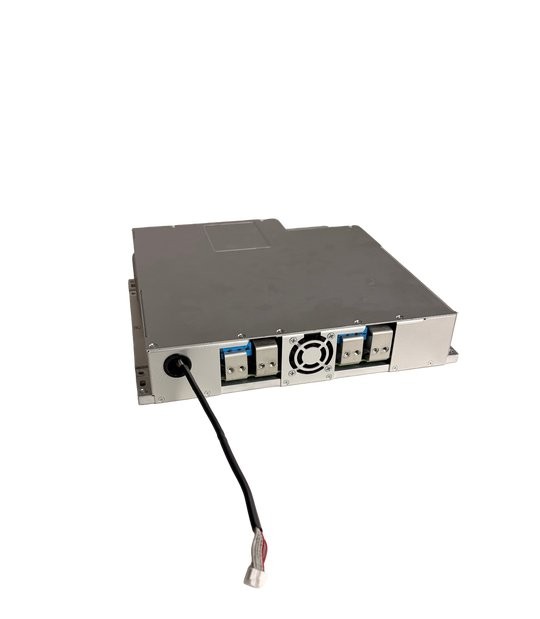
Global technology leaders are fundamentally reshaping their infrastructure strategies by adopting immersion cooling PSU systems at unprecedented rates. This shift represents far more than a technological preference—it reflects a critical industry-wide recognition that traditional air-cooled power solutions no longer meet the demands of modern computing environments. As data centers face mounting pressure to reduce energy consumption, improve reliability, and maximize computational density, immersion cooling PSU technology has emerged as the transformative solution that addresses all three challenges simultaneously.
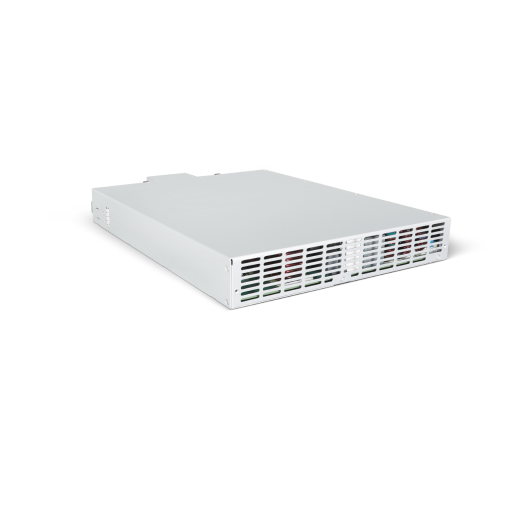
The competitive advantage driving this transition is substantial and measurable. An immersion cooling PSU eliminates the inefficiencies inherent in traditional air-cooling methods by submerging power electronics directly in thermally conductive dielectric fluid. This approach dramatically reduces temperature differentials, extends component lifespan, and unlocks operational densities that air-cooled configurations simply cannot achieve. Understanding why industry leaders are making this investment requires examining the technical, economic, and strategic drivers reshaping enterprise power delivery infrastructure.
Superior Thermal Efficiency and Energy Optimization
Eliminating Thermal Resistance
An immersion cooling PSU operates by removing the thermal resistance layers that plague conventional power systems. In traditional configurations, heat generated by capacitors, transformers, and semiconductors must transfer through air to external heatsinks—a process inherently limited by air's poor thermal conductivity. An immersion cooling PSU submerges all components in engineered dielectric fluid, which conducts heat 10 to 15 times more effectively than air. This fundamental physics advantage means thermal gradients drop significantly, allowing components to operate at lower absolute temperatures while delivering identical or superior power output.
The efficiency gains from an immersion cooling PSU translate directly to reduced energy waste. Data centers discover that immersion cooling PSU installations achieve efficiency ratings exceeding 98 percent, compared to 92-96 percent typical for premium air-cooled units. For large-scale deployments processing petabytes of data and consuming multiple megawatts, even a two-percent efficiency improvement equals millions of dollars in annual operational savings. Tech giants operate facilities where this compounding effect across thousands of power supplies produces transformative cost reductions.
Enabling Extreme Power Density
Thermal constraints have historically limited how much power engineers could pack into a given physical space. With an immersion cooling PSU, these limitations dissolve. By replacing air-cooling fans and large heatsink assemblies with passive liquid cooling, engineers reclaim significant cabinet and rack space. An immersion cooling PSU achieves substantially higher power density—measured in kilowatts per liter—enabling data centers to deliver more computational power from existing facility footprints. This density advantage means fewer physical infrastructure upgrades, reduced real estate requirements, and lower facility expansion costs.
Reliability, Longevity, and Operational Resilience
Extended Component Lifespan
Heat acceleration is the primary driver of component degradation in power electronics. Capacitor failures, solder joint fatigue, and semiconductor drift all accelerate exponentially as temperature increases. An immersion cooling PSU maintains consistently lower operating temperatures across all internal components, dramatically extending expected service life. Industry testing demonstrates that an immersion cooling PSU can deliver 50,000 to 100,000 hours of mean time between failures—compared to 30,000 to 50,000 hours for equivalent air-cooled units. This longevity translates to fewer replacement cycles, reduced downtime, and more predictable cost structures.
For tech giants operating thousands or tens of thousands of power supplies, extended component lifespan produces compounding reliability benefits. Fewer unit replacements means lower logistics complexity, reduced inventory carrying costs, and improved mean availability across the installed fleet. An immersion cooling PSU's temperature stability also enables more aggressive workload scheduling without thermal throttling, maximizing utilization of available infrastructure capacity.
Elimination of Dust and Environmental Contamination
Traditional air-cooled systems draw ambient air through filters to cool heat sinks, inevitably accumulating dust, particulates, and environmental contamination over time. An immersion cooling PSU eliminates this vulnerability entirely by operating in a sealed, dielectric fluid environment. Contamination cannot degrade electrical connections, corrode components, or create conductive pathways that trigger failures. This environmental immunity proves particularly valuable in demanding industrial settings, high-altitude locations with thin air, or facilities where ambient conditions are challenging to control.
Strategic Business and Infrastructure Benefits
Reduced Cooling Infrastructure Complexity
Conventional data center power delivery requires extensive cooling infrastructure. Precision air handlers, hot/cold aisle containment systems, and massive ventilation ducting consume capital, floor space, and ongoing energy. An immersion cooling PSU eliminates most of these auxiliary systems by dissipating heat directly into thermally stable liquid. Tech giants discover that deploying an immersion cooling PSU reduces overall facility cooling load by 20-40 percent, directly lowering data center operating costs. Facility managers can redeploy capital previously allocated to air management systems toward computational infrastructure.
The cooling infrastructure simplification from an immersion cooling PSU extends facility design flexibility. Facilities no longer require elaborate hot/cold aisle management or precision temperature regulation in power supply areas. An immersion cooling PSU operates reliably across wider ambient temperature ranges, reducing climate control requirements and enabling deployments in previously unsuitable locations. This flexibility proves valuable for edge computing, distributed infrastructure, and facilities in challenging geographic regions.
Competitive Differentiation and Future-Proofing
Global technology leaders recognize that an immersion cooling PSU represents architectural future-proofing. As computational workloads continue intensifying, power density requirements will only accelerate. Infrastructure designed around traditional power delivery methods creates technical debt that becomes increasingly expensive to overcome. Conversely, organizations that standardize on immersion cooling PSU technology position themselves to scale computational capacity without proportional facility expansion. This strategic advantage compounds over years of operation, creating meaningful competitive differentiation in energy efficiency, reliability, and total cost of ownership.
FAQ
What makes an immersion cooling PSU different from conventional power supplies?
An immersion cooling PSU submerges internal components in thermally conductive dielectric fluid instead of using air-cooled heatsinks. This design eliminates air's thermal resistance limitations, achieving superior heat dissipation, lower operating temperatures, higher efficiency, and extended component lifespan. The sealed, contamination-proof environment of an immersion cooling PSU also eliminates dust-related failures common in traditional configurations.
How much energy can be saved by switching to an immersion cooling PSU?
An immersion cooling PSU typically delivers efficiency gains of 2-6 percentage points compared to premium air-cooled alternatives. For facilities consuming multiple megawatts, this efficiency improvement translates to millions of dollars in annual energy savings. Additionally, an immersion cooling PSU reduces auxiliary cooling infrastructure energy consumption by 20-40 percent, compounding overall facility efficiency improvements.
Are there any operational challenges with implementing immersion cooling PSU technology?
Modern immersion cooling PSU systems are mature, reliable technologies deployed across enterprise infrastructure. Primary considerations include ensuring qualified technician training for maintenance and ensuring the dielectric fluid is properly managed according to manufacturer specifications. An immersion cooling PSU requires minimal operational changes compared to air-cooled systems, and most maintenance tasks follow standard procedures. Long-term fluid stability and thermal performance remain consistent throughout the extended service life typical of immersion cooling PSU installations.