
 EN
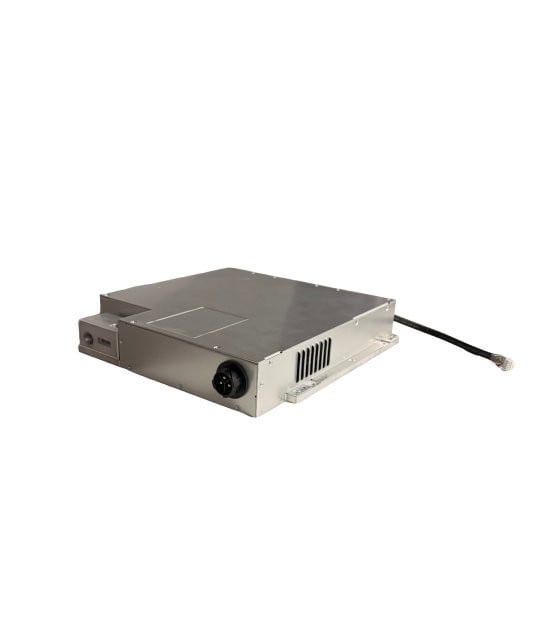
The demand for higher computational power in artificial intelligence data centers (AIDC) continues to accelerate at an unprecedented pace. Traditional air-cooled PSU systems struggle to manage the thermal load generated by dense server configurations, leading to inefficiencies, reduced component lifespan, and operational bottlenecks. A liquid cooled PSU represents a fundamental shift in how organizations approach power delivery and thermal management in high-density environments, offering superior heat dissipation, improved reliability, and better space utilization compared to conventional PSU architectures.
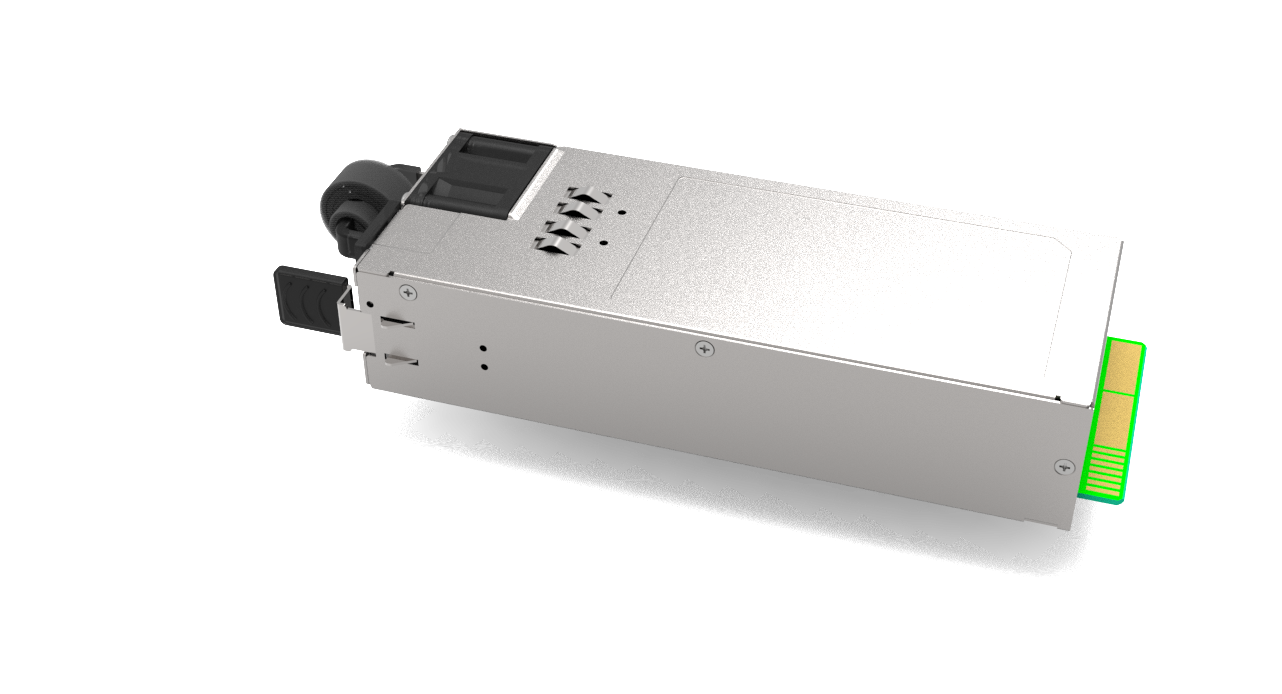
As data centers evolve to support AI workloads, GPU clusters, and real-time analytics, the thermal envelope becomes a critical limiting factor. A liquid cooled PSU enables organizations to pack more computing density into the same physical footprint while maintaining operational stability. This advancement directly addresses the industry's pressing challenge of balancing power requirements with cooling constraints, making a liquid cooled PSU an essential component of next-generation AIDC infrastructure.
Thermal Efficiency and Heat Dissipation
Understanding PSU Heat Generation in High-Density Environments
In high-density AIDC configurations, power density per rack can exceed 50 kW, creating extreme thermal challenges. A traditional PSU relies on convective air cooling, which becomes increasingly inefficient as ambient temperatures rise and airflow patterns become turbulent. Liquid cooling technology fundamentally changes this dynamic by using dielectric fluid circulation to absorb and transport heat away from critical PSU components. This approach allows a PSU to maintain optimal operating temperatures even under sustained maximum load conditions that would throttle or damage air-cooled alternatives.
Performance Metrics of Liquid Cooled PSU Systems
A liquid cooled PSU demonstrates measurable efficiency gains over traditional designs. Thermal resistance in a PSU decreases significantly when liquid cooling replaces passive air convection, enabling faster heat transfer and lower component temperatures. These improvements translate to higher power delivery capability, reduced losses, and extended component reliability. Efficiency ratings for a PSU equipped with liquid cooling typically remain stable across wider operating temperature ranges, ensuring consistent performance regardless of data center ambient conditions or seasonal variations.
Reliability and Operational Continuity
Extended Component Lifespan Through Thermal Management
Electronic components within a PSU degrade predictably as operating temperatures increase. Each 10-degree Celsius increase in component temperature can reduce the lifespan of capacitors, transformers, and control circuits by approximately 50%. A liquid cooled PSU maintains lower steady-state temperatures throughout its internal architecture, directly extending the mean time between failures (MTBF) and operational lifespan. This reliability improvement translates to reduced unplanned maintenance, lower total cost of ownership, and more predictable replacement cycles for AIDC operators managing hundreds or thousands of PSU units across their infrastructure.
Thermal Runaway Prevention in Dense Configurations
High-density server racks create localized hot spots where traditional PSU cooling proves inadequate. Without proper thermal management, a PSU can enter thermal throttling or protective shutdown modes during peak demand periods. A liquid cooled PSU eliminates this risk by providing consistent, efficient heat removal regardless of rack-level thermal stress. The ability to maintain rated output during maximum load scenarios ensures business continuity, prevents cascade failures from power disruptions, and eliminates the need for derating PSU capacity due to thermal constraints.
Space Optimization and Infrastructure Efficiency
Compact Designs Enabled by Liquid Cooling
Space represents one of the highest-cost factors in data center infrastructure. A liquid cooled PSU enables more compact physical designs because thermal dissipation no longer depends on large heat sinks and airflow volumes. This allows organizations to increase effective power density per rack, accommodate more servers in the same footprint, and optimize overall facility utilization. Smaller PSU form factors reduce cable complexity, simplify rack layouts, and lower installation labor compared to larger air-cooled alternatives requiring extensive ventilation passages and thermal management infrastructure.
Integration with Facility Cooling Systems
Modern AIDC facilities increasingly adopt liquid cooling at the facility level to support high-performance computing clusters. A liquid cooled PSU integrates seamlessly into these architectures, using the same coolant distribution network as server components. This integration eliminates redundant cooling systems, simplifies facility design, and enables coordinated thermal management across power delivery and computation layers. A PSU designed for liquid cooling becomes part of the overall thermal ecosystem rather than a separate heat source requiring isolated air management.
Future-Proofing Data Center Infrastructure
Scalability for Emerging Workloads
Artificial intelligence, machine learning, and advanced analytics workloads generate unprecedented power density requirements that continue to increase year over year. A liquid cooled PSU provides the thermal headroom necessary to support these emerging applications without facility-level redesigns. Organizations investing in a PSU with liquid cooling capability position themselves to scale computational capacity more aggressively, adapt to unexpected workload growth, and avoid costly infrastructure retrofits when thermal constraints emerge with traditional air-cooled systems.
Alignment with Industry Sustainability Goals
Energy efficiency directly impacts both operational costs and environmental sustainability. A liquid cooled PSU operates at higher efficiency levels while reducing overall facility cooling requirements, lowering total energy consumption. Organizations pursuing carbon neutrality and PUE (Power Usage Effectiveness) targets benefit significantly from a PSU architecture that minimizes waste heat generation and integrates efficiently with facility cooling systems. This alignment with sustainability objectives creates competitive advantages for organizations demonstrating responsible infrastructure stewardship.
FAQ
Why should I choose a liquid cooled PSU over traditional air-cooled models?
A liquid cooled PSU delivers superior thermal efficiency, enabling higher power density per rack, extended component lifespan, and improved operational reliability. In high-density AIDC environments exceeding 30 kW per rack, air-cooled PSU systems frequently struggle with thermal management, while a liquid cooled PSU maintains stable performance and supports aggressive capacity scaling. The investment in a PSU with liquid cooling capabilities typically recovers through reduced maintenance, lower energy consumption, and eliminated downtime from thermal throttling.
How does a liquid cooled PSU integrate with existing data center infrastructure?
Modern facilities increasingly deploy liquid cooling networks to support high-performance computing infrastructure. A liquid cooled PSU connects directly to these distribution systems, using the same dielectric coolant circulated through servers and other equipment. Integration requires minimal facility modifications; a PSU simply replaces existing air-cooled units while connecting to established coolant loops. This seamless integration eliminates the need for dedicated PSU cooling infrastructure and simplifies overall facility operations.
What is the expected lifespan improvement of a liquid cooled PSU compared to air-cooled alternatives?
A liquid cooled PSU typically extends component lifespan by 40 to 60 percent through superior thermal management. Lower operating temperatures reduce degradation rates for capacitors, transformers, and control circuits, directly increasing mean time between failures. Organizations operating PSU units with liquid cooling report significantly longer operational life before replacement becomes necessary, translating to reduced capital expenditure and improved infrastructure predictability.