
 EN
EN
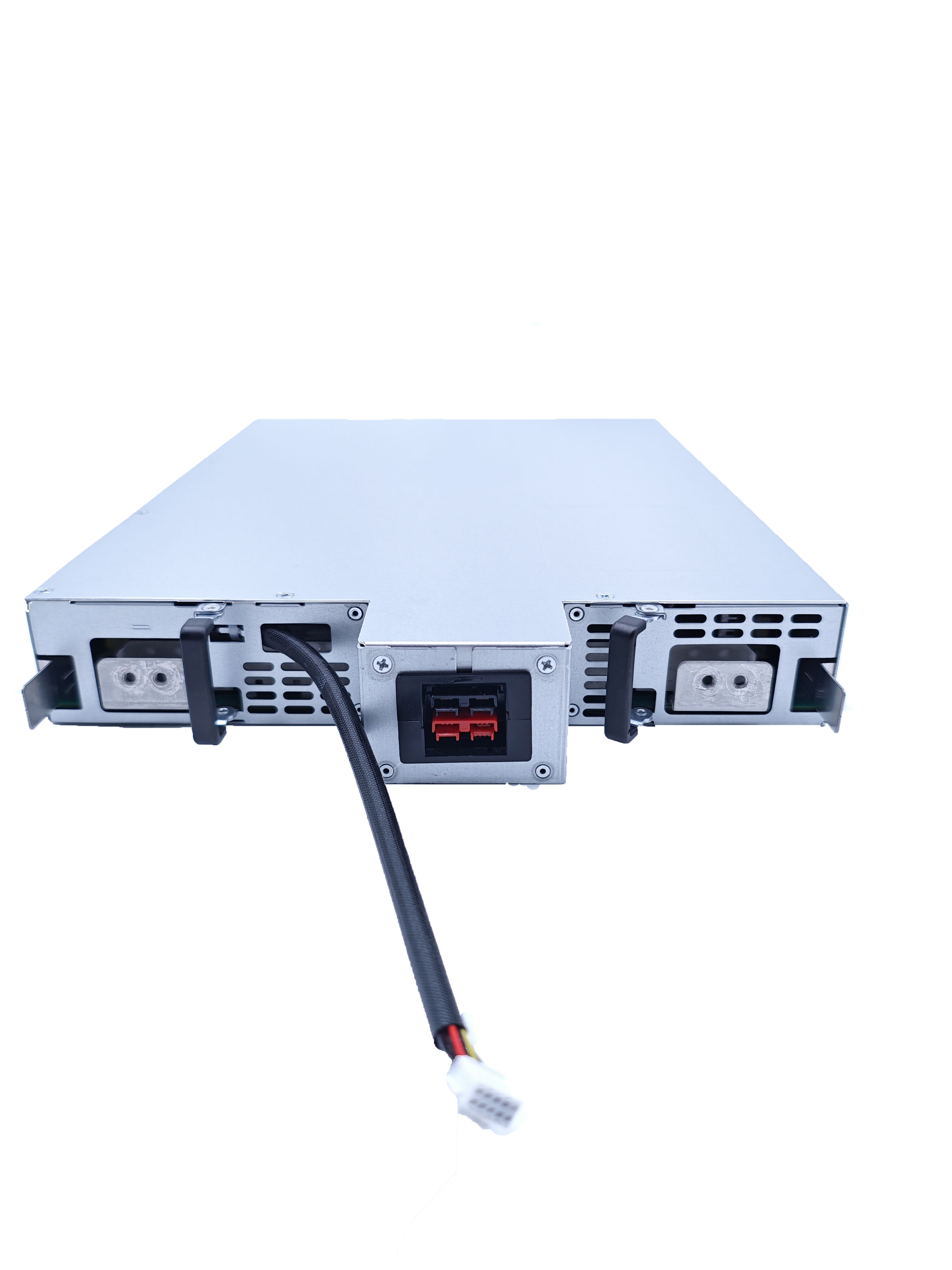
Selecting the right PSU for immersion cooling in high-performance AI infrastructure requires understanding the intersection of power delivery, thermal dynamics, and system reliability. Traditional air-cooled power supplies often fail to meet the demands of densely packed AI computing environments where heat dissipation becomes a critical bottleneck. A properly chosen PSU directly impacts operational efficiency, system longevity, and total cost of ownership in immersion cooling deployments. This guide explores the essential factors that separate suitable PSU options from those that underperform in extreme computing scenarios.
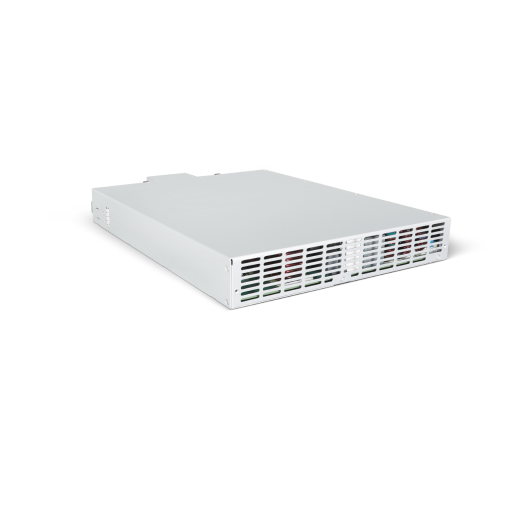
High-performance AI systems generate enormous power consumption levels, often ranging from 500 watts to multiple kilowatts per compute node. When these systems operate in immersion cooling environments, the PSU must function reliably while submerged in dielectric liquid, maintaining electrical performance without compromising cooling efficiency. Selecting an appropriate PSU for immersion cooling involves evaluating power capacity, voltage regulation, isolation ratings, and component compatibility with liquid cooling mediums. The selection process differs significantly from traditional server PSU evaluation because liquid submersion introduces unique operational constraints and performance considerations.
Understanding Power Requirements in Immersion Cooling Environments
Calculating Total System Power Demand
Immersion cooling systems concentrate multiple high-power components in confined liquid-filled enclosures, requiring a PSU with substantially higher capacity than air-cooled equivalents. GPU accelerators, processors, and memory modules in AI applications demand peak currents that occur during model training, inference, and data processing tasks. When selecting a PSU for this environment, engineers must account for inrush currents, transient power spikes, and simultaneous multi-component activation. Many AI operators size their PSU at 130–150% of peak calculated load to provide sufficient headroom and prevent voltage sag during demand fluctuations.
Thermal Load Considerations
A PSU immersed in liquid cooling medium experiences different thermal dynamics than air-cooled units. The dielectric fluid surrounding the PSU transfers heat away from high-dissipation components more efficiently than forced-air cooling, yet the PSU itself generates waste heat that must dissipate into the liquid bath. When choosing a PSU for immersion cooling applications, thermal rating becomes less about ambient air temperature and more about maintaining safe internal temperatures within the liquid environment. The PSU design must feature internal thermal management that prevents hot spots from degrading capacitor lifespan or triggering protective shutdowns during sustained high-load operation.
Key Technical Specifications for PSU Selection
Voltage Regulation and Stability
Modern AI applications depend on precise voltage delivery to sensitive semiconductor devices. The PSU must maintain voltage rails within extremely tight tolerances, typically ±3% under transient conditions and ±5% under steady-state loads. When selecting a PSU for immersion cooling scenarios, voltage regulation quality becomes critical because liquid cooling environments can experience more pronounced thermal fluctuations than air-cooled systems. A superior PSU incorporates digital voltage regulators, active current sharing, and predictive load compensation to maintain stability across the wide operational envelope of AI compute clusters.
Isolation Ratings and Safety Compliance
Submerging a PSU in dielectric liquid requires verification that electrical isolation meets stringent safety standards. The PSU must maintain appropriate creepage distances and clearances between high-voltage and low-voltage circuits, as defined by isolation class ratings. When evaluating a PSU candidate for immersion cooling deployment, engineers verify that the unit meets UL, IEC, and CE marking requirements for liquid-immersed applications. Transformer isolation ratings and safety approvals specifically for immersion cooling installations become non-negotiable specifications during PSU selection, preventing electrical hazards and ensuring regulatory compliance.
Component Selection for Liquid Compatibility
Not all PSU internal components withstand prolonged immersion in dielectric fluids. When selecting a PSU for immersion cooling, material compatibility becomes essential—capacitors, potting compounds, printed circuit board coatings, and connector materials must resist degradation from the specific liquid coolant used. Some dielectric fluids attack certain polymers or accelerate corrosion on specific metal alloys. A purpose-built PSU for immersion cooling undergoes material compatibility testing with the intended coolant type, ensuring that gaskets, sealants, and internal components maintain integrity throughout the PSU lifespan.
Operational Performance and Reliability Factors
Efficiency Under High-Load Conditions
AI workloads frequently operate at sustained high power levels for extended periods, making PSU efficiency a direct contributor to operating cost and thermal load. When choosing a PSU for immersion cooling systems, operators should target units achieving 90% or greater efficiency at 50–100% load range. Higher efficiency means less waste heat entering the cooling liquid, reducing cooling pump load and extending component lifespan. An efficient PSU also minimizes power draw from the facility infrastructure, lowering electrical utility costs across the entire deployment lifecycle.
Protection Mechanisms and Fault Tolerance
Immersion cooling environments experience different failure modes than air-cooled systems because liquid can conduct electricity if contaminated, creating potential short-circuit pathways. When selecting a PSU for this application, integrated protection features become vital—the unit must include overcurrent protection, overvoltage clamping, thermal shutdown, and isolation fault detection. A robust PSU design for immersion cooling incorporates redundant protection layers, ensuring that component failures trigger graceful shutdown rather than cascading electrical faults. Many advanced PSU implementations now feature predictive analytics that monitor component health and alert operators before failures occur.
Connector and Cable Integration
The PSU's output connectors and cabling experience additional stress in immersion cooling because dielectric fluid penetrates connector interfaces over time. When evaluating a PSU for immersion cooling deployment, sealed connectors and fully potted cable assemblies become essential rather than optional features. High-reliability PSU implementations use specialized submersible connectors rated for immersion service and employ conformal coating or potting compound to seal connection points. Cable insulation must also resist the specific dielectric medium, preventing electrical leakage and maintaining signal integrity across power delivery pathways.
Practical Selection Methodology
Matching PSU Capacity to System Requirements
Begin PSU selection by documenting the actual power consumption profile of your AI compute cluster under realistic workloads. Measure or obtain specifications for GPU power draw, processor consumption, memory module requirements, and supporting infrastructure. When selecting a PSU for immersion cooling, add 20–30% capacity buffer above your calculated peak demand, accounting for inefficiency losses and future system expansion. This oversizing prevents the PSU from operating constantly at maximum output, where thermal stress and component aging accelerate most rapidly.
Evaluating Thermal Performance Data
Request thermal simulation results or empirical test data from PSU manufacturers showing temperature profiles under sustained immersion cooling conditions. When choosing a PSU for immersion cooling applications, internal component temperatures, hot-spot locations, and thermal time constants matter more than ambient air ratings. Compare PSU candidates using identical load scenarios at the same liquid temperature to ensure fair evaluation. Manufacturers providing detailed thermal characterization demonstrate confidence in their PSU design and facilitate better long-term reliability prediction.
Verification of Immersion-Specific Testing
Confirm that your chosen PSU has undergone formal qualification testing in immersion cooling environments, not merely theoretical analysis. When selecting a PSU for immersion cooling service, request test reports verifying operation at extended duration under liquid submersion, including accelerated life testing to project component lifespan. Ask manufacturers about failure mode analysis specific to immersion scenarios and documentation of any design modifications implemented to ensure immersion compatibility. A PSU specifically engineered for immersion cooling will have comprehensive test history demonstrating reliability in actual deployment conditions.
FAQ
What power capacity PSU should I choose for a four-GPU AI node in immersion cooling?
A typical quad-GPU AI compute node consumes 1000–1400 watts at peak load during model training. When selecting a PSU for this configuration in immersion cooling, choose a unit rated 1500–1800 watts to provide adequate overhead. This 30–40% capacity buffer prevents the PSU from operating continuously at maximum output, where thermal stress accelerates component aging. Verify that the chosen PSU has been tested under immersion cooling conditions and confirmed to maintain voltage stability across the full 50–100% load range your actual workloads will experience.
Can a standard server PSU work in immersion cooling, or must I use a specialized PSU?
Standard server PSUs lack the material compatibility, sealing, and component protection required for reliable immersion cooling operation. When selecting a PSU for immersion cooling deployment, use only units specifically designed and tested for liquid submersion. Standard air-cooled units may experience connector corrosion, internal component degradation, and electrical isolation failures when exposed to dielectric fluids. Attempting to use non-immersion PSU units voids manufacturer warranties and creates reliability risks that far outweigh any short-term cost savings.
How does cooling medium affect PSU selection?
Different dielectric fluids exhibit varying properties regarding material compatibility, thermal conductivity, and electrical properties. When selecting a PSU for immersion cooling, the specific coolant type must be verified against PSU material specifications. Some fluids attack certain polymers used in capacitor construction or accelerate corrosion on specific metal alloys. Always confirm that your chosen PSU has undergone compatibility testing with your intended dielectric medium. The PSU manufacturer should provide specific guidance indicating which immersion cooling fluids their unit supports without material degradation or performance compromise.