
 EN
EN
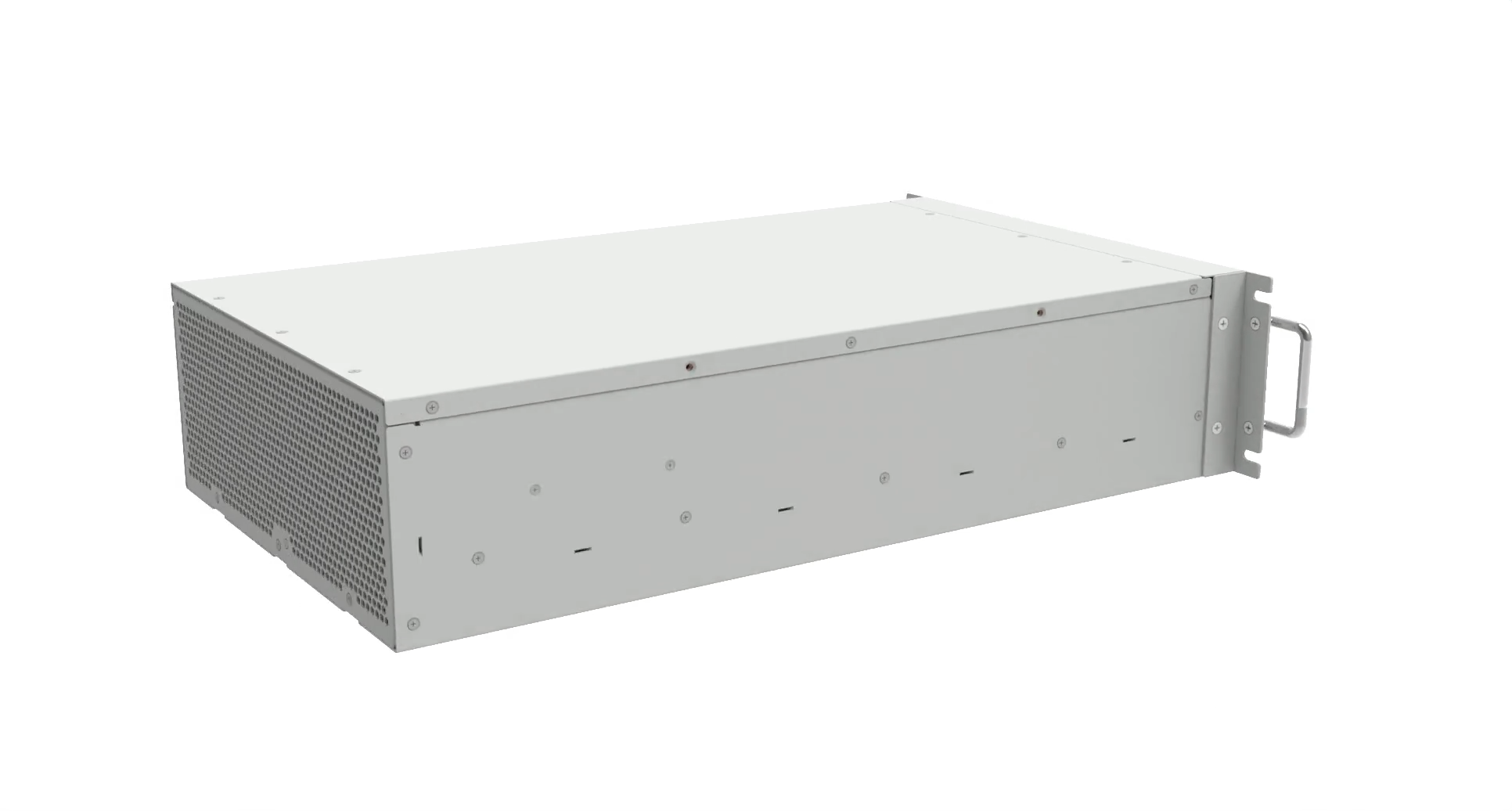
Choosing the right isolated bidirectional DC-DC converter for your battery management system requires understanding the critical intersection between safety, efficiency, and PSU performance. An isolated bidirectional DC-DC converter acts as a bridge between power sources and storage systems, enabling energy flow in both directions while maintaining electrical isolation. The PSU you select directly impacts battery longevity, system reliability, and operational safety in renewable energy, electric vehicle, and industrial backup applications. This selection process demands careful attention to isolation specifications, power ratings, thermal characteristics, and the specific PSU requirements of your application.
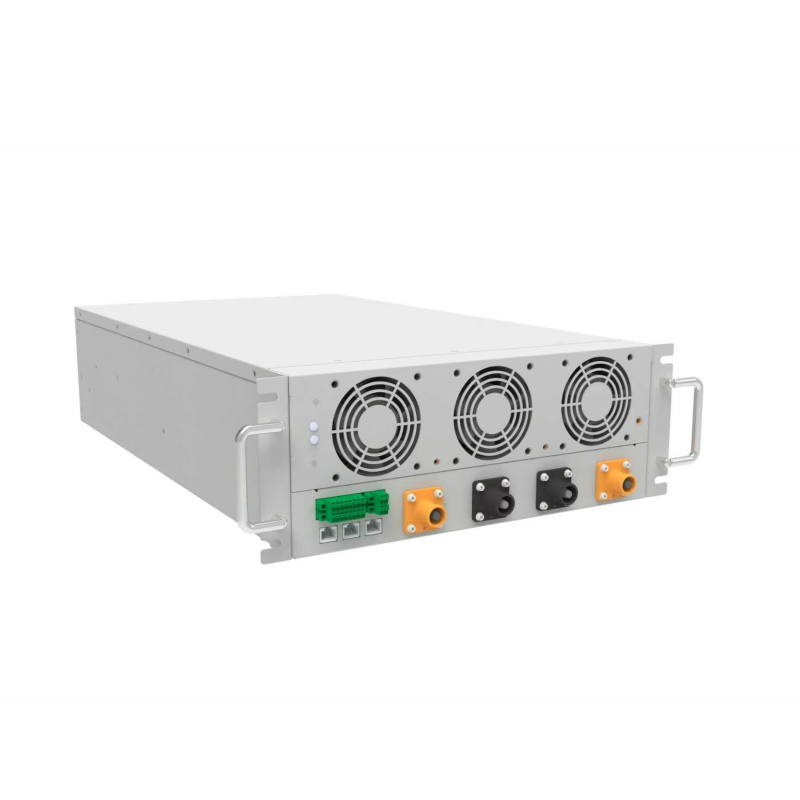
Battery safety hinges on maintaining proper charge and discharge control, voltage regulation, and isolation integrity throughout your PSU network. When selecting an isolated bidirectional DC-DC converter, you must evaluate how the converter maintains this safety profile under dynamic operating conditions, fault scenarios, and thermal stress. The PSU topology you choose affects not only system protection but also energy efficiency, space utilization, and total cost of ownership across the product lifecycle.
Understanding Isolation Requirements for Battery Protection
Galvanic Isolation and Safety Standards
Galvanic isolation in an isolated bidirectional DC-DC converter prevents dangerous ground loops and fault currents from propagating between the primary and secondary circuits. This isolation is measured in working voltage and reinforced insulation thickness, both critical specifications when evaluating your PSU options. A properly isolated PSU design ensures that battery faults cannot directly affect upstream systems, reducing catastrophic failure risk and protecting personnel from electrical hazards. Standards such as IEC 61010 and UL 1577 define isolation voltage ratings that your PSU must meet or exceed based on your input and output voltage levels.
Isolation Voltage Ratings and PSU Selection
The PSU isolation voltage rating must exceed the maximum potential voltage difference between the primary and secondary sides of your system. For battery management applications, this rating typically ranges from 1500V to 4000V depending on system topology. When selecting an isolated bidirectional DC-DC converter, verify that the PSU isolation rating includes adequate safety margins above peak transient voltages. Undersized PSU isolation creates vulnerability to dielectric breakdown, while oversized isolation adds unnecessary cost and size. The correct PSU isolation balance ensures both safety compliance and economic efficiency in your battery management architecture.
Key Specifications for Power Rating and Thermal Performance
Power Capacity and Bidirectional Flow Rating
An isolated bidirectional DC-DC converter must handle rated power flow in both charging and discharging directions without thermal stress or efficiency degradation. Your PSU power rating should exceed peak system demands by 15 to 25 percent to accommodate transient currents and thermal aging. Continuous power rating differs from peak power rating; your PSU selection must clarify which specification applies during normal battery cycling. Battery management systems often demand asymmetrical power ratings where charging power differs from discharging power, requiring careful PSU configuration. The PSU you select must deliver this asymmetrical performance reliably across the full operating temperature range without thermal derating.
Thermal Management and Cooling Requirements
Heat dissipation capability directly determines how your selected isolated bidirectional DC-DC converter performs under sustained load. Power losses in switching elements, magnetic components, and control circuitry generate heat that must be managed through appropriate PSU thermal design. Most industrial PSU implementations use heat sinks, thermal compounds, and sometimes active cooling to maintain junction temperatures below manufacturer limits. When evaluating PSU options, calculate expected power losses using efficiency curves and verify that available thermal pathways can dissipate this heat without exceeding ambient plus allowable temperature rise. A PSU with inadequate cooling forces derating, reducing available power and compromising system performance.
Protection Features and Fault Tolerance in PSU Design
Overvoltage, Overcurrent, and Short-Circuit Protection
Battery safety requires that your isolated bidirectional DC-DC converter actively monitors and responds to fault conditions within milliseconds. Your PSU must include overvoltage protection that clamps or trips during abnormal voltage transients, protecting downstream batteries and equipment. Overcurrent limiting prevents excessive current from damaging converter switches or battery management electronics, while short-circuit protection isolates the converter from catastrophic failure modes. When selecting a PSU, confirm that protection thresholds can be adjusted or customized to match your specific battery chemistry and management algorithm. A properly configured PSU protection suite prevents cascading failures and extends system mean-time-between-failures significantly.
Efficiency and Light-Load Performance
Your selected isolated bidirectional DC-DC converter must maintain respectable efficiency across a wide operating range, not just at rated power. Many battery management systems operate at part-load conditions during standby, maintenance charging, or low-demand periods where a poorly optimized PSU wastes energy. Evaluate efficiency curves at 10%, 25%, 50%, 75%, and 100% load levels to understand true operating performance. The PSU you choose should exhibit efficiency above 90% across most of this range, with graceful degradation at extreme operating points. In renewable energy systems where the PSU cycles through variable load profiles, this broad-range efficiency translates directly to reduced operating costs and extended battery service life.
Application-Specific Considerations for Battery Systems
Voltage Regulation and Dynamic Response
Battery management applications demand tight voltage regulation because even small deviations can trigger charge algorithm errors or activate unnecessary protection circuits. Your PSU must maintain output voltage within specified tolerances during load transients, input voltage variations, and temperature extremes. When selecting an isolated bidirectional DC-DC converter, examine the closed-loop control bandwidth and transient response specifications to confirm that voltage overshoot remains acceptably small. A PSU with slow regulation response cannot properly support fast-acting battery management functions, while a PSU with excessive loop gain may oscillate and degrade system stability. The right PSU tuning ensures smooth, predictable energy transfers that preserve battery health.
Environmental and Reliability Factors
Your isolated bidirectional DC-DC converter must operate reliably across the temperature, humidity, vibration, and EMI environment where battery management systems are deployed. Industrial PSU designs typically operate from minus 20 to plus 70 degrees Celsius with full performance maintained across this range. When evaluating PSU candidates, confirm that component derating curves are transparent and that electrolytic capacitors or other temperature-sensitive elements will not require major derating in your application. The PSU you select should include input and output filtering to coexist peacefully with other industrial equipment sharing the same power distribution. Proper EMI isolation and filtering prevent the PSU from corrupting battery management signals or creating regulatory compliance issues.
FAQ
What isolation voltage should my PSU have for a 48V battery system?
For a 48V battery system, your PSU typically requires isolation rated for 1500V to 2000V depending on whether the system is grounded or isolated. The isolation rating must account for maximum circuit voltages including transients, not just nominal battery voltage. Most industrial 48V battery management PSU implementations use 1500V or 2000V isolation ratings as a standard practice. Verify with your system integrator whether floating battery systems can use lower PSU isolation ratings compared to grounded configurations. The final PSU selection should include margin above the calculated minimum isolation requirement.
How do I calculate the power rating needed for my PSU?
Start by determining peak charging current and peak discharging current for your battery system, then multiply each by the respective voltage level to obtain power requirements. Your isolated bidirectional DC-DC converter PSU must handle both directions, so select the larger of these two calculated power values as your baseline. Apply a 15 to 25 percent safety margin to account for transients and component aging, then round up to the nearest standard PSU power rating. If your battery management system requires asymmetrical power where charging and discharging demands differ significantly, specify a PSU with separate ratings for each direction. Finally, verify that thermal cooling is adequate for continuous operation at this calculated PSU power level.
Can a PSU with lower efficiency meet my battery system requirements?
A PSU with lower efficiency increases heat dissipation requirements and reduces overall system energy conservation, making it generally unsuitable for battery applications where efficiency compounds across thousands of charging cycles. Over a year of operation, a 5% efficiency difference translates to measurable energy loss and corresponding battery management costs. The isolated bidirectional DC-DC converter PSU you select should maintain at least 90% efficiency under typical operating loads to justify its role in your battery management architecture. If efficiency below this level is unavoidable due to cost constraints, carefully evaluate total cost of ownership including wasted energy, cooling expenses, and potential battery degradation from thermal stress. Most modern PSU designs can achieve this efficiency threshold economically.