
 EN
EN
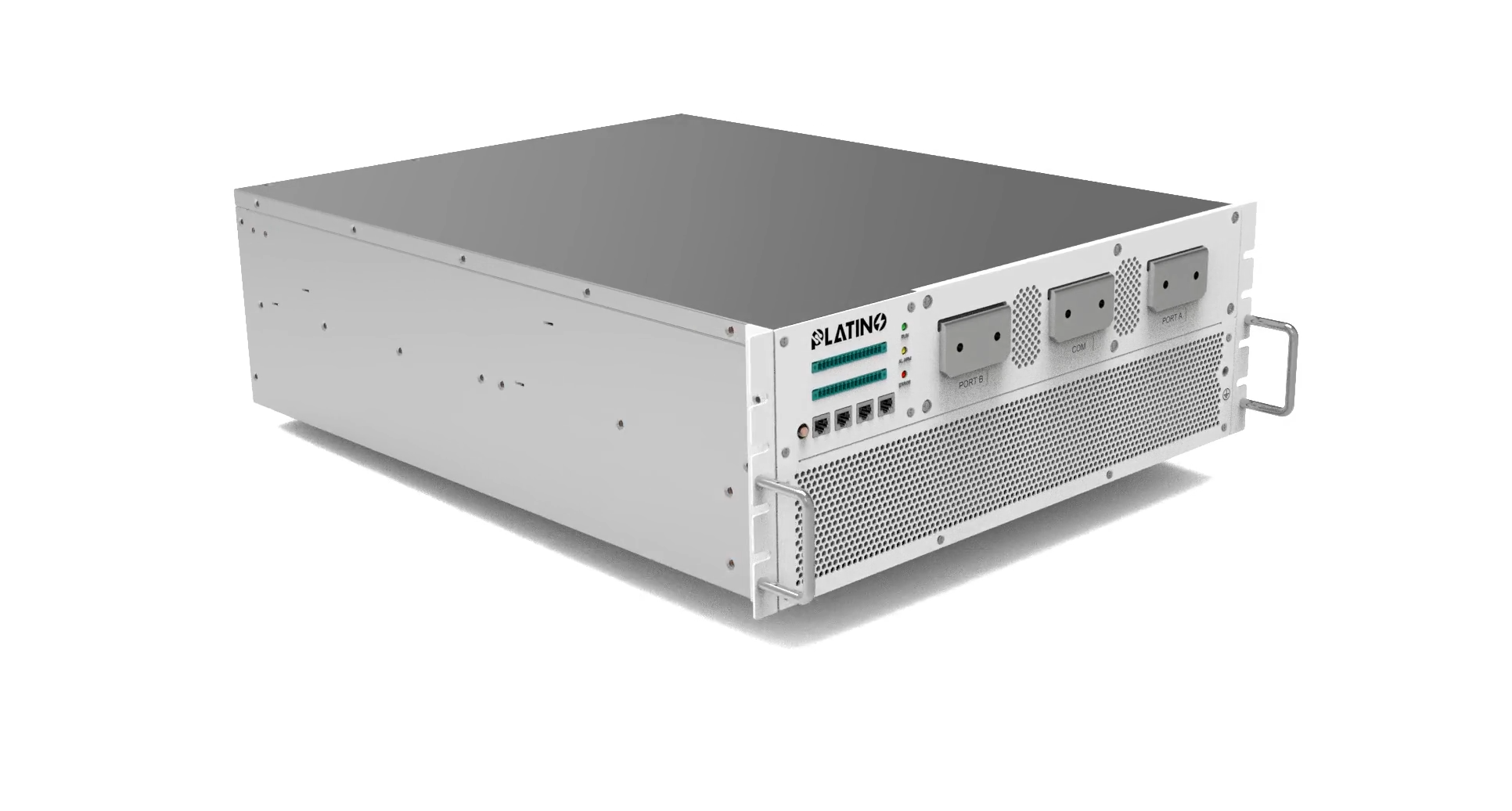
facilities صنایعی دەستبەجێ دەکەن بە چالاکیەکی جێگیر کە بە شێوەیەکی هێواش کارایی دەکاتەوە، ئامرازە تایبەتەکان دەخەرێنەوە و خەرجی بەکارهێنان زیاد دەکات: گۆڕانی کارەبایی. ئەم گۆڕانانەی فشار و فریکانس لەوانەیە لەبەر گۆڕانی لاوازی سەرەکی، نەبوونی پابەندبوونی توربین، یان خاسیەتی نادیاری دروستکردنی کارەبای ڕێکخراوی سەرەوە بێت، ئەمەش دەتوانێت لاینەکانی بەرھەمھێنان بەرەوپێش بکات، ریلەیەکانی پاراستن بەرەوپێش بکات و بەردەوامی پرۆسەکان بەربەست بکات. پرسیارەکەی زۆربەی ئەنجینەرەکانی کارخانە و بەڕێوبەرەکانی کارەبا ئەمەیە کە ئایا pCS بەهێز بۆ سیستەمی کۆکردنەوەی وزە (BESS) دەتوانێت وەک چارەسەرێکی تەکنیکی باش بۆ ئەم کێشەیە بەکاربھێنرێت — و وەڵامی کورت ئەوەیە: بەڵێ، لە بەشدارییەکانی ڕاستەوە و لەگەڵ دیزاینی ڕاستەوەی سیستەم.
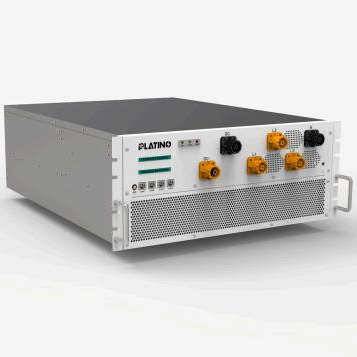
سیستەمێکی بەهێزی PCS بۆ BESS — ئەوەشە سیستەمێکی گۆڕینی وزە کە لەگەڵ سیستەمێکی خزانەی وزەی باتەریەوە تەرکیب کراوە — بەتایبەتی بۆ ئەوەی فاصلەی نێوان وزەی DCی بەکارهێنراو و توری AC یان باری فاسیلیتەکە ببڕێت. کاتێک ئەم تەرکیبە لە قەبارەی پیشەسازی دابەش دەکرێت، ئەم تەرکیبە زیاتر لە ئەوە دەکات کە تەنها وزە بخزنەوە و بەرھەم بھێنێت. بە شێوەیەکی چالاک شێوازی تورەکە دەپشکنێت، لە ماوەی چەند میلیسێکوندێکدا بەرامبەر بە گۆڕانەکان دەردەکەوێت و وزە دەکەوێتە ناو تورەکە یان لە تورەکەوە دەکەوێتە دەرەوە بە شێوەیەکی کۆنتڕۆڵکراو کە گۆڕانەکانی وزە دەسوڕێنێتەوە کە بەشێوەیەکی تر دەتوانن لەسەر ئەستۆی کاراکەری کاراکەری کاراکەری کاراکەری کاراکەری کاراکەری کاراکەری کاراکەری کاراکەری کاراکەری کاراکەری کاراکەری کاراکەری کاراکەری کاراکەری کاراکەری کاراکەری کاراکەری کاراکەری کاراکەری کاراکەری کاراکەری کاراکەری کاراکەری کاراکەری کاراکەری کاراکەری کاراکەری کاراکەری کاراکەری کاراکەری کاراکەری کاراکەری کاراکەری کاراکەری کاراکەری کاراکەری کاراکەری کاراکەری کاراکەری کاراکەری کاراکەری کاراکەری کاراکەری کاراکەری کاراکەری کاراکەری کاراکەری کاراکەری کاراکەری کاراکەری کاراکەری کاراکەری کاراکەری کاراکەری کاراکەری کاراکەری کاراکەری کاراکەری کاراکەری کاراکەری کاراکەری کاراکەری کاراکەری کاراکەری کاراکەری کاراکەری کاراکەری کاراکەری کاراکەری کاراکەری کاراکەری کاراکە......
ئەو گۆڕانانەی وزە بە ڕاستی بۆ کارەکانی پیشەسازی مانای چی دەگەین؟
جۆر و سەرچاوەکانی ناپابەندبوونی وزە لە کارەکانی پیشەسازی
گۆڕانکارییەکانی هێز لە جیهانی پیشەسازیدا تەنها یەک پەدیدە نین. ئەمە بەشێکە لە ڕووداوە جیاوازەکان کە بریتین لە کەمبوونەوەی فشاری کارا، زیادبوونی فشاری کارا، جیاوازی لە فریکانس، داڕێژاندنی هارمۆنیک و گۆڕانی خێرای بار. ھەر یەک لەم جۆرانە ھۆکارێکی جیاوازی ھەیە و کاریگەرییەکی جیاوازی ھەیە. وەک نمونە، کەمبوونەوەی فشاری کارا زۆربەی کات بە ھۆی دەستپێکردنی مۆتۆرە گەورەکان یان لەبەر خاڵەکانی خەریکی کارەکانی تر لە تۆڕی پەخشەوە دەبێت. جیاوازییەکانی فریکانس زۆربەی کات لە بەراوردە نەکراوەکانی نێوان دروستکردن و بار لە سەرەوەی تۆڕەوە دەبێت، و ئەم جیاوازییانە زیاتر دەبێتەوە کاتێک تۆڕەکان بەشێکی زیاتر لە سەرچاوەکانی سەوزی گۆڕاوە بەکاردەھێنن.
بۆ ئەم بەرگرییانەی کارگەکان، ئەنجامەکان ڕوون و جێبەجێ دەکرێن. کۆنتڕۆڵکەرەکانی پڕۆگرامکراوی زۆر حساس دەتوانن لە ماوەی کەمبوونەوەی فشاری کاراژێردا بەشێوەیەکی نادیار بەرەوپێش بچن، کە ئەمەش دەبێتە هۆی وەستاندنی ڕیزی تولید کە پێویستی بە ڕێگەیەکی دەستی بۆ دەستپێکردنەوە هەیە. درایڤەکانی گۆڕینی خێرایی دەتوانن بەهۆی پاراستن لە کەمبوونەوەی فشارەوە بەرەوپێش بچن، کە ئەمەش دەبێتە هۆی وەستاندنی سیستەمی بەرھەمھێنان یان ناوەندەکانی پەمپکردن لە نێوان کارەکان. لە جیھانی تولیدی بەدەق، تەنها کەمبوونەوەی بچووکی خێرایی دەتوانێت لە هاوسەنگبوونی ئامێرەکانی ئۆتۆماتیکدا کاریگەری بخات، کە ئەمەش دەبێتە هۆی کەموکوڕی لە کوالیتەکان یان کەمبوونەوەی بەرھەمەکان. ھەموو ھەژماری ئەم ڕووداوانە — لە وەستاندنی کار، بەرھەمە ناکارامەکان، مامەڵەکردنی تایبەت، و سەرماوەی ئامێرەکان — زۆربەی کات ھۆکارێکە بۆ سەرمایەگیرانی گەورە لە تەکنەلۆژیای ڕێکخستن.
بۆچی ئەم زەمینەیەی سەرەکییەی تەکنەلۆژیای گریدەکە کەم دەبێت
ڕێگەکانی کۆن بۆ باشترکردنی کوالیتی هێز، وەک فیلترە کاراکەرەکان، بانکەکانی کاندینسەر و سیستەمەکانی دابینکردنی هێزی بەبێ وەستان، تەنها کۆمەڵەکانی دیاریکراو و تەنگەکانی نەخۆشییەکان دەکۆڵنەوە. ئەم رێگانە بۆ دەستکەوتەوە بەرامبەر هەموو جۆرەکانی گۆڕانکارییەکانی هێز نەبوون کە شوێنێکی پیشەسازی مۆدێرن دەتوانێت بەرەوپێش بچێت، بەتایبەتی کاتێک شرایەتی توربینەکان زیاتر بەردەوام دەبن. بانکەکانی کاندینسەر دەتوانن لە بەرابەر نەهێشتنی هێزی بەکارهێنراو بەکاربێندرێن بەڵام ناتوانن بەشێوەیەکی خێرا بەرامبەر گۆڕانکارییەکانی هێزی کاراکەر بەکاربێندرێن. سیستەمەکانی UPSی کۆن بارەکانی گرنگ دەپارێزن بەڵام بۆ پاراستنی هەموو شوێنەکە بەشێوەیەکی گشتی دروست نەکراون و یەکسان نەکراون.
ئەمە بەتەواوی ئەو شوێنەیە کە PCS-ی بەهێز بۆ سیستەمی BESS چالاکیەکی بنچینەیی جیاواز دەبەخشێت. لەجیاتی ئەوەی بەشێوەیەکی گەرەکی تێکەڵەکان یان دەستەبەرکردنی نەخۆشییەکان دابەش بکات دوای ڕوودانیان، PCS-ی بەهێز و باشەوەرە بۆ سیستەمی BESS بەشداری فعالانە دەکات لە بەڕێوەبردنی هاوسەنگی توان. دەتوانێت توانی فعال بخاتە ناو تورەکە کاتێک تورەکە خۆشتر دەبێت، توانی زیادەکە بپەرە بکات کاتێک توانی دروستکراوەکان زیاد دەبن، و بەردەوام توانی ڕیئاکتیڤ کۆنتڕۆڵ بکات — هەموو ئەمانە لە ماوەیەکی پاسادانەدا بە ماوەی میلیسێکۆند دەڕوون. ئەم خاسییەتە فعالانە، دووپەلە و بەخێرایی بەرەوپێشچووە، ئەوەیە کە ئەمە لە چارەسەرەکانی کوالیتی توانی کۆن جیادەکاتەوە.
چۆن PCS-ی بەهێز بۆ سیستەمی BESS نەرمییەکانی توان دەسوێنێتەوە
میکانیزمی سەرەکی: گۆڕینی توانی دووپەلە
توانایی هەڵگرتنی سەرەتایی PCS بەهێز بۆ BESS لەسەر ئەمڕۆژی گۆڕینی وزەی دوانییە. PCS وزەی DC کە لە باشکەی باتەریا دا مەخزونە، بۆ وزەی AC دەگۆڕێت کە پارامەترەکانی فشار و فریکوەنسی توربینەکە دەگونجێنێت، و دەتوانێت ئەم پرۆسەیە بەپێچەوانەش بەکاربهێنێت — گۆڕینی AC بۆ DC — بۆ خواردنی باتەریا کاتێک وزەی توربینەکە بەردەستە و هەڵگیرە. ئەم جوڵانە دوانییە لەلایەن ئەلێکترۆنییە پێشکەوتووەکانەوە بەڕێوەدەبرێت، زۆربەی کات لەسەر ترانزستۆرەکانی بیپۆلەری گەیتی ئۆنلەیسەد یان ئامێرەکانی گۆڕینی سیلیکۆن کارباید دامەزراوە، کە کۆنتڕۆڵێکی زۆر خێرا و بەدەقی لەسەر دەرئەنجامی وزە دەمەسرێنێت.
کاتێک سیستەمی کۆنتڕۆڵی PCS بە هێزی زۆر بۆ سیستەمی پاشەکەوتی باتەری (BESS) کەمبوونەوەی فشار یان جیاوازی لە فریکوانس دەبینێت، دەتوانێت لە ماوەی یەک یان دوو سیکلی کارا بەردەوام دەست بە بەکارهێنانی هێز لەسەر بوسی AC بکات — نزیکەی ٢٠ تا ٤٠ ملیسێکۆند لە سیستەمی ٥٠ هەرتز. ئەم خێرایی وەڵامدانەوەیە بەهێزە بۆ ئەوەی زۆربەی بارەکانی پیشەسازی تەنها بەهۆی ئەم گۆڕانەوەیە نەبیندرێن. باتەری ئەو ئاسایشەی هێزە کە ئەم وەڵامدانەوەیەی سەرەتایی دەکاتە ممکن، لەکاتێکدا PCS ئەو زیرەکییە و ئەلێکترۆنییەی هێزە کە هێزی کۆکراوە بە شێوەیەکی بەتەواو کۆنتڕۆڵکراو بۆ خولی AC دەگۆڕێت.
توانای کۆنتڕۆڵی هێزی چالاک و نەچالاک
ئامێری کۆنتڕۆڵی سەرچاوەی بەهێز بۆ سیستەمی ئەنجامدانی باتەری (BESS) تەنها شەشەمی شەشەمی کارەکتەری ڕاستەقینەی وزە ناکات — ئەو بەشەی ڕاستەقینەی وزەیە کە مۆتۆرەکان دەخەنە کارەوە و ئەلیمێنتەکان دەگەرمێنێت. بەڵکو کۆنتڕۆڵی شەشەمی کارەکتەری نەبینراویش دەکات، کە ئەو بەشەیە کە پەیوەستە بە بارەکانی ئیندەکتیڤ و کاپاسیتیڤ و کە ئەو بەشە بەشداری لە پایەزەی فشاردا دەکات. ئەم بارانەی کارگەکانی پیشەسازییەن کە مۆتۆرە بەهێزەکان، ئامێرەکانی جووتکردن یان فۆرنەسەکانی قوسەر هەن، دەبنە هۆی داواکردنی زۆری شەشەمی کارەکتەری نەبینراو کە دەتوانێت هەڵۆشانی فشار بەرهەم بهێنێت، تەنانەت کاتێک بەرھەمھێنانی شەشەمی کارەکتەری ڕاستەقینە کافی بێت. توانای ئامێری کۆنتڕۆڵی سەرچاوەی بەهێز بۆ سیستەمی ئەنجامدانی باتەری (BESS) بۆ بەکارهێنانی کۆمپانسەیشنی دینامیکی شەشەمی کارەکتەری نەبینراو — کە لە ڕاستیدا وەکو STATCOM کاردەکات لەگەڵ ئەوەی کە ئەوە ڕابەرێکی ئەنجامدانی وزەشە — ئەوە دەبێتە ئامێرێکی تەواو بۆ پایەزەکردن نەک ئامێرێکی تەنها بۆ کارێکی تایبەت.
ئەم دوو کاراییە مانای ئەوەیە کە یەک PCS بە هێزی زۆر بۆ دابینکردنی سیستەمی پاشەکەوتی باتەری (BESS) دەتوانێت هەمان کاتدا چەندین جۆری ناڕاستی لە کوالیتی کاراگەری بخاتە ژێر کۆنتڕۆڵ. دەتوانێت گۆڕانکارییەکانی کاراگەری فعال کە لە ڕێگەی گۆڕینی بار یان گۆڕانی کاراگەری سەرچاوەی تەنها سەوزەوییەوە دەبێت، هەڵسوکەوت بکات، لە هەمان کاتدا بە ڕێکخستنی دینامیکی بەرھەمھێنانی کاراگەری ریئاکتیڤ، فشاری کاراگەری لە نێوان سەرحدە باشەکاندا دەپارێزێت. بۆ بەرھەمھێنەرانی پیشەسازی، ئەم کۆکردنەوەی کاراییەکان بۆ یەک سیستەم، هەم ئەراستەی تەکنیکی و هەم بەڕێوەبردنی کاری سەرەتایی سیستەمی کوالیتی کاراگەری سادەتر دەکات.
ھەڵبژاردەی کارکردنی شێوازی دروستکردنی تورە و شێوازی پێڕاونەوەی تورە
ئامرازەکانی کۆنتڕۆڵی پێشکەوتووی هێزی بەرز بۆ یەکەکانی سیستەمی ئەندازەی باتەری (BESS) توانای کارکردن لە دوو مۆدی گرید-فۆلۆوینگ و گرید-فۆرمینگیان هەیە، و ئەم شێوازە گونجاوییە بۆ کاربەکارییەکانی جێگیرکردنی پیشەسازی زۆر گرنگە. لە مۆدی گرید-فۆلۆوینگ، ئامرازی کۆنتڕۆڵی پێشکەوتوو (PCS) لەگەڵ خشکەی گریدی ئەستوو و فریکوەنسی ئەوەوە هاوسەنگ دەبێت و هێز دەباتە ناو گرید یان لە گریدەوە دەکاتەوە، وەکوو لە سیستەمی کۆنتڕۆڵی خۆیدا فەرمان دراوە. ئەمە مۆدی کارکردنی ئاسایییە کاتێک تەشەنەکە بە گریدی کارەبایی یەکگرتووە و ئامانجی سەرەکی بریتییە لە پشتگیریکردنی هێزی گرید و هەموو گۆڕانکارییەکانی ناڕاستەوخۆییەکان هەڵسوکەوت بکەین.
Modê çêbûna torê pir pêşketû û pir hêzdar e. Li vê modê, PCS ya bilind-enerjî ya ji bo BESS bi xwe referansa gerîn û frekansê ji bo mikrotorê an jî beşê deryayî ya têkildarê destnîşan dike. Ev bi taybetî di dema şikandina torê an jî li cihên sîndirê yên dûr de ku girêdana torê weak an jî neyekser e, bihêz e. PCS ya bilind-enerjî ya ji bo BESS ku li modê çêbûna torê kar dike dikare têkiliya pêwist a hêzê ji bo barên girîng biparêze, heta dema ku torê ya amûrê bi tevahî nehêvîne, û bi vî awayî bandorê ya şikandinên derveyî torê li ser karûbarên têkildar radigire.
Karanîna Sîndirê ku Nirxê Stabilîkirinê Bilindtir e
بەرھەمھێنانی قورس و سەكتۆرەکانی پرۆسە
لە شوێنەکانی بەرھەمھێنانی قورسدا — وەک کارخانەکانی فولاد، کارخانەکانی ئالومینیۆم، کارخانەکانی سیمەنت، و تەشەنەکانی کیمیایی — گۆڕانی بەھای کاراگەری بەشێوەیەکی نادەربەند دەبێت. ئەم شوێنانە ئامرازە گەورە و زۆر بەکارھێنەری کاراگەریان بەکاردەھێنن کە ڕووخانی ناگۆڕیان نەک تەنھا لەسەر دەربارەی بەرھەمھێنان دەبێت، بەڵکو دەبێتە سەبەبی زیانی فیزیکی بۆ ئۆفۆرەکان، ریاکتەرەکان یان سیستەمە میکانیکییەکان کە لە ناوەڕاستی پرۆسەکەدایە. سیستەمی کۆنتڕۆڵی کاراگەری (PCS) بەرزی بۆ سیستەمی بەرگریکردنی کاراگەری (BESS) کە لە خاڵی سەرەکی پەخشکردنی کارخانەکە دابەشکراوە، دەتوانێت وەک بەفرەکەیەکی نێوان تۆڕی کاراگەری و بارەکانی ناو کارخانەکە بەکاربھێنرێت، و گیرساندنی ناڕەحەتییەکانی تۆڕی کاراگەری پێش ئەوەی بەرەو ئامرازە پرۆسەییە حساسەکان بگەڕێن.
قەبارەی داواکردنی هێز لەم پیشەسازییانەدا واتا ئەوەشە کە بەهای هێزی زۆری PCS تەنها سەرنجڕاکێش نیە بەڵکوو پێویستییەکە. ئەم شوێنەیە کە دەیان مێگاوات هێز دەبەخشرێت، پێویستی بە PCSی هێزی زۆر بۆ سیستەمی BESS هەیە کە بە قەدەرێکی کافی بێت بۆ ئەوەی گۆڕانێکی گرنگ لە هاوتەشی هێز بکات. ئەمچەشنەی PCSی مۆدیولەر، کە چەندین یەکە بەیەکەوە دەکەون بۆ دەستکەوتنی خەمڵاندنی هێزی پێویست، پێوەری گەشەپذیری پێشکەش دەکات کە پێویستە بۆ هاوتەشکردنی سیستەمی جێگیرکردن بە پڕۆفایلی داواکردنی راستەقینەی شوێنەکە، بەبێ سەرمایەگیرانی زۆر لە هێزێک کە زۆربەی کات بەکارنەھێنرێت.
شوێنەکان بە تولیدی سەرچاوەکانی سروشتی لە شوێنەکە
ئامرازە کارگەییەکان کە لەسەر خۆیان بەردەوام بەهێزی خۆر یان وەرزی سەوز دابەزێنراون، بەرەنگەشەیەکی تایبەت و زیادبوویان هەیە: بەرھەمەکەی ئەم سەرچاوەیانە بەشێوەیەکی بنچینەیی گۆڕاودەرە. ناسنامەیەکی گەورەی خۆرلەسەر شوێنی کارگە دەتوانێت گۆڕانکارییەکی خێرا لە بەرھەمدا ببینێت کاتێک بەربەستی هەوا بەرەو سەرەوە دەڕوات، و ئەم گۆڕانکارییانە بەشێوەیەکی ڕاستەوخۆ بە گۆڕانکارییەکانی بەهێزی لە توری ناوخۆی کارگە دەگەڕێن. بەبێ بەڕێوبەری چالاک، کارگە دەبێت یان ئەم گۆڕانکارییانە بە بارەکانی خۆی جێبەجێ بکات — کە دەبێتە هۆی گۆڕانکارییەکانی فشار — یان بەرھەمەکە بۆ توری کارگەی گشتی بەرھەم بکات، کە لەوانەیە لەڕووی تەکنیکی یان قەرزییەوە ڕێگەپێنەدرابێت.
ئەو PCSە بە هێزی زۆر بۆ سیستەمی BESS، کەمکارییەکی سروشتی بۆ دروستکردنی سەرچاوەی تایبەتی سەوز لەم بارەدەیە دەکات. دەتوانێت هەڵبژێرێتەوە هەڵەی زۆری خۆر یان بادا لە کاتی دروستکردنی زۆر و داواکردنی کەم، و ئەو هەڵەیە لە باکەتی باتەرییەکاندا دەپارێزرێت. کاتێک دروستکردن کەم دەبێت یان داواکردن زیاد دەبێت، ئەو PCSە بە هێزی زۆر بۆ سیستەمی BESS، ئەو هەڵەیەی کە پارێزراوە دەبەخشێت بۆ پاراستنی هەموو هێزەکە بە شێوەیەکی هاوتەریب. ئەم کارەی کۆنتڕۆڵکردنی خێرایی گۆڕین (Ramp-rate) یەکێکە لە کارە تەکنیکیترینەکان بۆ PCS، کە هەم هێزی زۆر و هەم ئەلگۆریتمە کۆنتڕۆڵی پێشکەوتووەکان دەوێت — ئەم توانایانە بریتین لە پێناسەکردنی سەرەوەی کوالیتی سیستەمەکانی تایبەت بە پیشەسازی.
ناوەندەکانی داتا و ئەو ئەبنە پیشەسازییانەی کە بەرەوپێشبردنیان زۆر گرنگە
هەرچەندە مرکەزەکانی داتا هەمیشە وەکو فابریکاکانی سەنتیکی ناھێنرێن، بەڵام هەمان حساسیەتی بنچینەییان هەیە بۆ گۆڕانکارییەکانی کارا و هەمان پێویستیان هەیە بۆ تەمینکردنی بەردەوام و بەکوالێتی باشی کارا. بۆ ئەو ئۆپەراتۆرە سەنتیکانەی کە زیرەکانی داتا لە شوێنەکەدا بەڕێوە دەبەن — جۆرەکانی کۆنتڕۆڵ، سیستەمەکانی خودکارکردن، یان مرکەزەکانی کۆمپیوتەرکردنی سەرەوە — توانای هەڵگرتنی ڕێکخستنی سیستەمی کۆنتڕۆڵی کارا (PCS) بە قەدەرێکی زۆر بەهێز بۆ سیستەمی کۆمپانیای باتەریا (BESS) بەشدارە. کاتی وەرگرتنی وەڵام لە سیستەمی کۆنتڕۆڵی کارا (PCS) بە قەدەرێکی زۆر بەهێز بۆ سیستەمی کۆمپانیای باتەریا (BESS) کە بە باشی رێکخراوە، لە ماوەی ملیسێکۆندەکاندا ڕوو دەدات و ئەمە کافییە بۆ پڕکردنەوەی شکەوە لە نێوان ڕووداوی سەرچاوەی کارا و دەستپێکردنی سەرچاوەی کارای پشتگیری، بۆ ئەوەی هیچ ڕوخسانێک بە بارەکانی کۆمپیوتەری گرنگ ڕوو نەدەات.
Li jêr çalakiya herî hêsan a derbasbûnê ya rêwîtiyê, PCS-ya bilind-çalakî ji bo BESS-ê li vê kontekstê dikare pêşve bixe şertên bihêztir yên bihêzê, ku dibe sedema ku gerîn û frekansê ku ji bo amûrên elektronîkî yên xwezayî têne dayîn her dem di navbera sînorên nizm de bin. Ev karê berdewamkirina şertên bihêzê dibe sedema kêmkirina xerabûnê ya amûrên bihêzê, dirêj kirina dema jiyana amûran û kêmkirina hejmarê ya şikandina sistemanên bêsebep ku pir caran bi pirsgirêkên nizm ên kalîteya bihêzê ve girêdayî ne.
Faktorên teknîkî yên Girîng ku Kêfxweşbûna Biha diyar dikin
Demê Bersivê û Arşîtektureya Sîstema Kontrolê
کاریگەری هەڵگرتنی بەهێزی سیستەمی کۆنتڕۆڵی بەهێز بۆ سیستەمی ئەلیکترۆنی باتەریا (BESS) لە بنچینەدا بە کاتی وەرگرتنەوەی سیستەمەوە مەحدوود دەبێت. سیستەمێک کە چەند سەد میلیسێکۆندێکی تر دەخەیە بۆ دیاریکردنی نەخۆشییەک و دەستپێکردنی وەرگرتنەوە، زۆربەی بارەکانی حساسییەتی بەهێز دەتوانن تەواوی کاریگەری گۆڕانکارییەکە ببینن پێش ئەوەی هەر جۆرە کاریگەرییەکی ڕاستکەرەوەیەک بەکاربھێنرێت. سیستەمەکانی سیستەمی کۆنتڕۆڵی بەهێز بۆ سیستەمی ئەلیکترۆنی باتەریا (BESS) لە جۆری پیشەسازی بە شێوەیەکی تایبەت دروستکراون کە چرخەکانی کۆنتڕۆڵیان لە فریکوانسی کیلۆهێرتز دەکەن، کە دەتوانێت دیاریکردن و وەرگرتنەوەی سەرەتایی لە ماوەی یەک چرخی کارەبایی دەستبکەن. ئەمە نەک تەنها ئەلیکترۆنییەکانی خێرا دەوێت، بەڵکو ئەرشیتێکتۆری کۆنتڕۆڵیش دەوێت کە پرۆسەکردنی سیگنالی کەم-کاتی وەرگرتنەوە لەسەر کارەکانی تری کۆمپیوتەری پێشخستبێت.
سیستەمی کۆنتڕۆڵ پێویستە بتوانێت جیاوازی لە نێوان جۆرە جیاوازەکانی گەڕانەکان بکات و ستراتیجییەکەی گونجاو بۆ هەر یەکێک دیاری بکات. کەمبوونی فشاری کارا بەهۆی دەستپێکردنی مۆتۆرەوە پێویستی بە وەڵامێکی جیاوازەوە هەیە لەگەڵ کەمبوونی فریکوانس بەهۆی ڕووداوێکی توربینەوە، و سیستەمی کۆنتڕۆڵی بەهێز بۆ سیستەمی ئەلیکترۆنی باتەری (BESS) کە هەمان وەڵام بۆ هەموو گەڕانەکان دەدات، لە زۆربەی شوێنەکاندا ناگونجاوە. سیستەمەکانی کۆنتڕۆڵی پێشکەوتوو چەندین ئەلگۆریتمی دیاریکردنی گەڕان لە هەمان کاتدا بەکاردەهێنن، هەر یەکێک لەوانە بۆ جۆرێکی تایبەتی گەڕان دەستکەوتراوە، و لایەنێکی سەرەوەیی هەیە کە وەڵامی گشتییەکە ڕێکخستنەوە.
تەکنەلۆژیای باتەری و بەڕێوەبردنی حاڵەتی بارکردن
بەنکی باتەری کە بەستراوە بە PCS-ێکی بەهێز بۆ سیستەمی BESS، نەگونجاوەیەکی دیاریکراوی ئەنەرجی نییە — بەڵکو کۆمپۆنێنتێکی چالاکە کە بەشدارییەکەی بەشێوەیەکی دەستکرد لە توانای سەربەخۆبوونی سیستەم دەبێت. باتەریەک کە بە تەواوی بارکراوە ناتوانێت زیادەی ئەنەرجی لە سەرەوەی دروستبوونی کارەبایەک بباتەوە، و باتەریەک کە بە قورسی بەرەو خوارەوە بارکراوە ناتوانێت ئەنەرجی پێویست بۆ بەردەوامبوون لە کەمبوونەوەی فشاردا ببەخشێت. بۆیە بۆ سەربەخۆبوونی بەکارهێنەر، پێویستە بەرگری بەکارهێنەری کارەبایی بە شێوەیەکی چالاک بەکاربهێنرێت، کە سیستەمی کۆنتڕۆڵ بەشێوەیەکی جیاواز بەشداریی باتەری تاقی دەکاتەوە و شێوەی بارکردن و بەرەو خوارەوە بارکردن دەگۆڕێت تا باتەری لە هەڵەیەکی ئامادەبوون بۆ ڕوودانی داهاتووی ناڕەزاییەکدا مایەوە.
هەڵبژاردنی کیمیایی باتریش هەروەها سەرکەوتنی پاڵپشتکردنیش دیاری دەکات. باترییەکانی فۆسفاتی ئایرۆنی لیتیۆم، کە بە شێوەیەکی گەورە لە کاربەکارییەکانی سیستەمی باتری بۆ کارە پیشەسازییەکان (BESS) بەکاردەهێنرێن، تێکەڵەیەکی باشیان هەیە لە ماوەی سەرکەوتنی کارەکان، پاڵپشتکردنی گەرمی و چڕی هێز کە گونجاوە بۆ کارکردنی باتری لە ڕێژەی زۆر بەرزی بارکردن و دەرکردن کە لەگەڵ کۆنتڕۆڵکردنی گۆڕانی هێزدا ڕابەرە. پێویستە یەکەی کۆنتڕۆڵی هێز (PCS) بۆ سیستەمی باتری بۆ کارە پیشەسازییەکان (BESS) کە بۆ کارەکانی پاڵپشتکردن دروستکراوە، گونجاو بێت لەگەڵ جۆری کیمیایی باترییەکەی کە بەکاردێت و پڕۆتۆکۆلەکانی کۆنتڕۆڵکردنی باتری بەکاربهێنێت کە تەندروستی خانەکانی باتری پاراستبێت لەکاتێکدا بەردەوامی پێویست بۆ پاڵپشتکردنی باش هەبێت.
پرسیارەکان و جووڵەکان پێکهاتوو
ئایا یەکەی کۆنتڕۆڵی هێز (PCS) بۆ سیستەمی باتری بۆ کارە پیشەسازییەکان (BESS) دەتوانێت هەم کەمبوونی فشاری ڤۆلتاج و هەم گۆڕانی فریکوانس لە هەمان کاتدا بەکاربهێنێت؟
بەڵێ. سیستەمێکی کۆنتڕۆڵی باش بەرپرسیارە لە کۆنتڕۆڵکردنی جۆرەکانی جیاوازی هەمکات لە سیستەمی پاشەکەوتی باتەری (BESS) بە قەدرێکی زۆر بەهێز. توانای کۆنتڕۆڵکردنی سەرەتایی و گەرمی بە جیاوازی واتە دەتوانێت بە هەمکاتی چارەسەری نەگونجاوی فریکوێنسی بکات — کە زۆربەی کات لە نەگونجاوی تواوی سەرەتایی دەبێت — و لە هەمان کاتدا بەکارهێنێت بۆ چارەسەرکردنی کەمبوونەوەی فەشار، کە زۆربەی کات بەشێکی گەرمییان هەیە. پێویستی سەرەکی بریتییە لە ئەرکی کۆنتڕۆڵ کە ئەلگۆریتمەکانی دیاریکردن و وەڵامدانەوە بە هەمکاتی بەکاردێنن نەک لە ڕێگەی پرۆسەی پاشەکەوتی.
ئەمڕۆ چەندین قەدەری قوةی پێویستە بۆ کاربەکارییەکانی پاڵنەرکردنی پیشەسازی؟
رەنگەی توانی پێویست لەسەر بنەمای قەبارەی گۆڕانکارییەکان دەبێت کە تەشەنەکە بەرچاو دەبێت و قەبارەی بارەکان کە پارێزرا بەڵام دەبێت. بۆ تەشەنە کەم و ناوەندی صەنەعییەکان، PCS بەهێز بۆ سیستەمی BESS لە مەودای ١٠٠ کیلۆوات تا ٥٠٠ کیلۆوات دەتوانێت بەس بێت. تەشەنە گەورەترەکان کە داواکارییەکانیان لە مەودای مێگاواتە، زۆربەی کات ئەنجامی سیستەمی مۆدیولەرە کە چەندین وەحدەی PCS بەهێز بۆ وەحدەکانی BESS بەیەکەوە دەبەسترێن. پرۆسەی دیاریکردنی قەبارە دەبێت لەسەر بنەمای تاقیکردنەوەی کوالیتی توان بەرچاو بێت کە ڕێژە و ماوەی ڕوودانی ناڕاستییەکانی تەشەنەکە دیاری دەکات.
ئایا PCS بە هێزی زۆر بۆ BESS پێویستی بە پەیوەندیکردن بە توری هێزە بۆ پاڵنەرکردنی هێزی کارگەییە؟
نەخێر. PCS-ی بەهێز بۆ سیستەمی پاشەکەوتی باتەری (BESS) کە توانای کارکردنی دروستکردنی تورەیەتی هەبێت، دەتوانێت تورەیەتی پیشەسازی لە مۆدی جزیرەیی بەردەوام بکات، بەبێ هەر پەیوەندییەک بە تورەیەتی سەرەکی. ئەمە بەتایبەتی بۆ شوێنە پیشەسازییە دورەکان یان بۆ ئەو بنکەیانە گرنگە کە دەیانەوێت کارەکانیان لە ماوەی درێژەکانی نەبوونی تورەیەتی بەردەوام بکەن. لە مۆدی دروستکردنی تورەیەتی، خۆ PCS-ی بەهێز بۆ سیستەمی پاشەکەوتی باتەری (BESS) سەرچاوەی جیاوازی فشار و فریکانس دیاری دەکات، و هەموو بارەکانی پەیوەستکراو لەسەر ئەم جیاوازییە بەردەوامەوە کار دەکەن، بەبێ ئەوەی چی لە تورەیەتی کارەبایی ڕوویدا.
PCS-ی بەهێز بۆ سیستەمی پاشەکەوتی باتەری (BESS) چۆن لە توانای بەردەوامکردندا جیاوازە لە UPS-ی سەنتەری؟
سیستەمی UPSی سنتی بۆ بەرگریکردن لە کەمبوونەوەی کاراژێر دیزاین کراوە و توانای کەمی هەیە بۆ پاراستنی کاراژێر. بەپێچەوانەوە، سیستەمی PCSی بەهێز بۆ BESS دیزاین کراوە بۆ بەکارهێنانی جارانە و ئەکتیڤ لە بەڕێوبەری هاوسەنگی کاراژێردا. ئەم سیستەمە دەتوانێت بەشێوەیەکی خێرا بەرامبەر گۆڕانکارییەکانی کەمتر لە یەک سیکل بەکاردێت، کۆمپانسەی دینامیکی قواوەتی ریئەکتیڤ بەرھەم بھێنێت، لە مۆدی فۆرمکردنی تورەدا بەکاردێت، و بۆ گەیشتن بە ئاستی کاراژێری تەواوی فاسیلیتەکە بەکاردێت. سیستەمی PCSی بەهێز بۆ BESS هەروەها ڕەوانەکردنی کاراژێری دووپەلەیی پشتگیری دەکات، کە وا دەکات بەکاردێت بۆ بارکردن لە تورە یان لە بەرھەمھێنانی ناو ماڵەکە، لەکاتێکدا UPS بنچینەییەکەی دەستەیەکی یەکپەلەیی بۆ دابینکردنی کاراژێرە.
Naveroka Beşê
- ئەو گۆڕانانەی وزە بە ڕاستی بۆ کارەکانی پیشەسازی مانای چی دەگەین؟
- چۆن PCS-ی بەهێز بۆ سیستەمی BESS نەرمییەکانی توان دەسوێنێتەوە
- Karanîna Sîndirê ku Nirxê Stabilîkirinê Bilindtir e
- Faktorên teknîkî yên Girîng ku Kêfxweşbûna Biha diyar dikin
-
پرسیارەکان و جووڵەکان پێکهاتوو
- ئایا یەکەی کۆنتڕۆڵی هێز (PCS) بۆ سیستەمی باتری بۆ کارە پیشەسازییەکان (BESS) دەتوانێت هەم کەمبوونی فشاری ڤۆلتاج و هەم گۆڕانی فریکوانس لە هەمان کاتدا بەکاربهێنێت؟
- ئەمڕۆ چەندین قەدەری قوةی پێویستە بۆ کاربەکارییەکانی پاڵنەرکردنی پیشەسازی؟
- ئایا PCS بە هێزی زۆر بۆ BESS پێویستی بە پەیوەندیکردن بە توری هێزە بۆ پاڵنەرکردنی هێزی کارگەییە؟
- PCS-ی بەهێز بۆ سیستەمی پاشەکەوتی باتەری (BESS) چۆن لە توانای بەردەوامکردندا جیاوازە لە UPS-ی سەنتەری؟