
 EN
EN
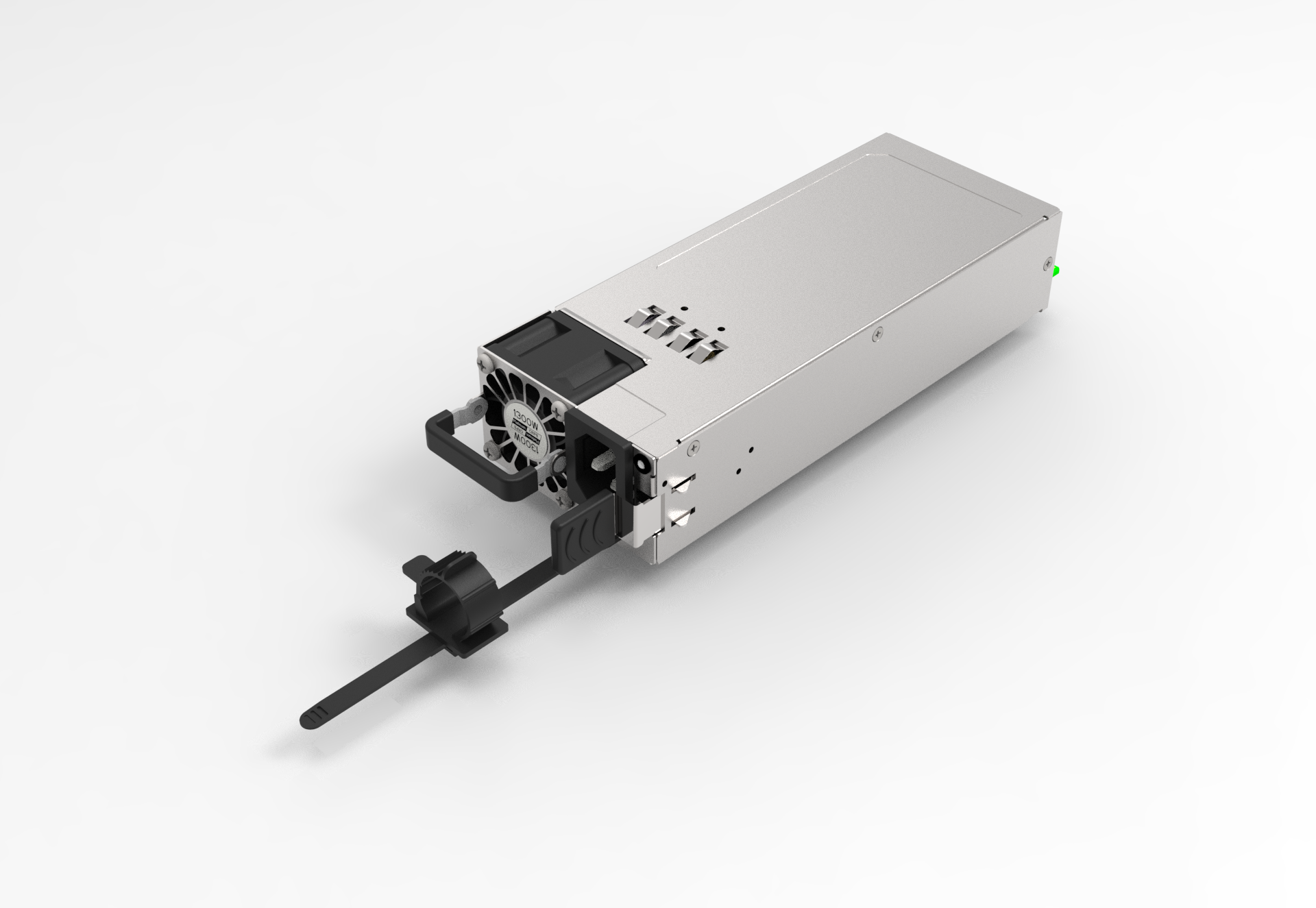
ကမ္ဘာလုံးဆိုင်ရာ နည်းပညာခေါင်းဆောင်များသည် ၎င်းတို့၏ဒေတာစင်တာအခြေခံအဆောက်အအိမ် ဗျူဟာများကို အခြေခံကျစွာ ပြောင်းလဲနေကြပြီး၊ ဤတီထွင်မှု၏ ဗဟိုတွင် အရှိန်အဟုန်ဖြင့် ဖွံ့ဖြိုးလာသော အရေးကြီးသော အစိတ်အပိုင်းတစ်ခု ရှိပါသည်။ ထိုအစိတ်အပိုင်းမှာ အရေးကြီးသော အားစွမ်းအားသုံးမှု အဆောက်အအိမ်ဖြစ်ပြီး အရေးကြီးသော အားစွမ်းအားသုံးမှု အဆောက်အအိမ်ဖြစ်ပြီး အရေးကြီးသော အားစွမ်းအားသုံးမှု အဆောက်အအိမ်ဖြစ်ပြီး အရေးကြီးသော အားစွမ်းအားသုံးမှု အဆောက်အအိမ်ဖြစ်ပြီး အရေးကြီးသော အားစွမ်းအားသုံးမှု အဆောက်အအိမ်ဖြစ်ပြီး အရေးကြီးသော အားစွမ်းအားသုံးမှု အဆောက်အအိမ်ဖြစ်ပြီး အရေးကြီးသော အားစွမ်းအားသုံးမှု အဆောက်အအိမ်ဖြစ်ပြီး အရ......
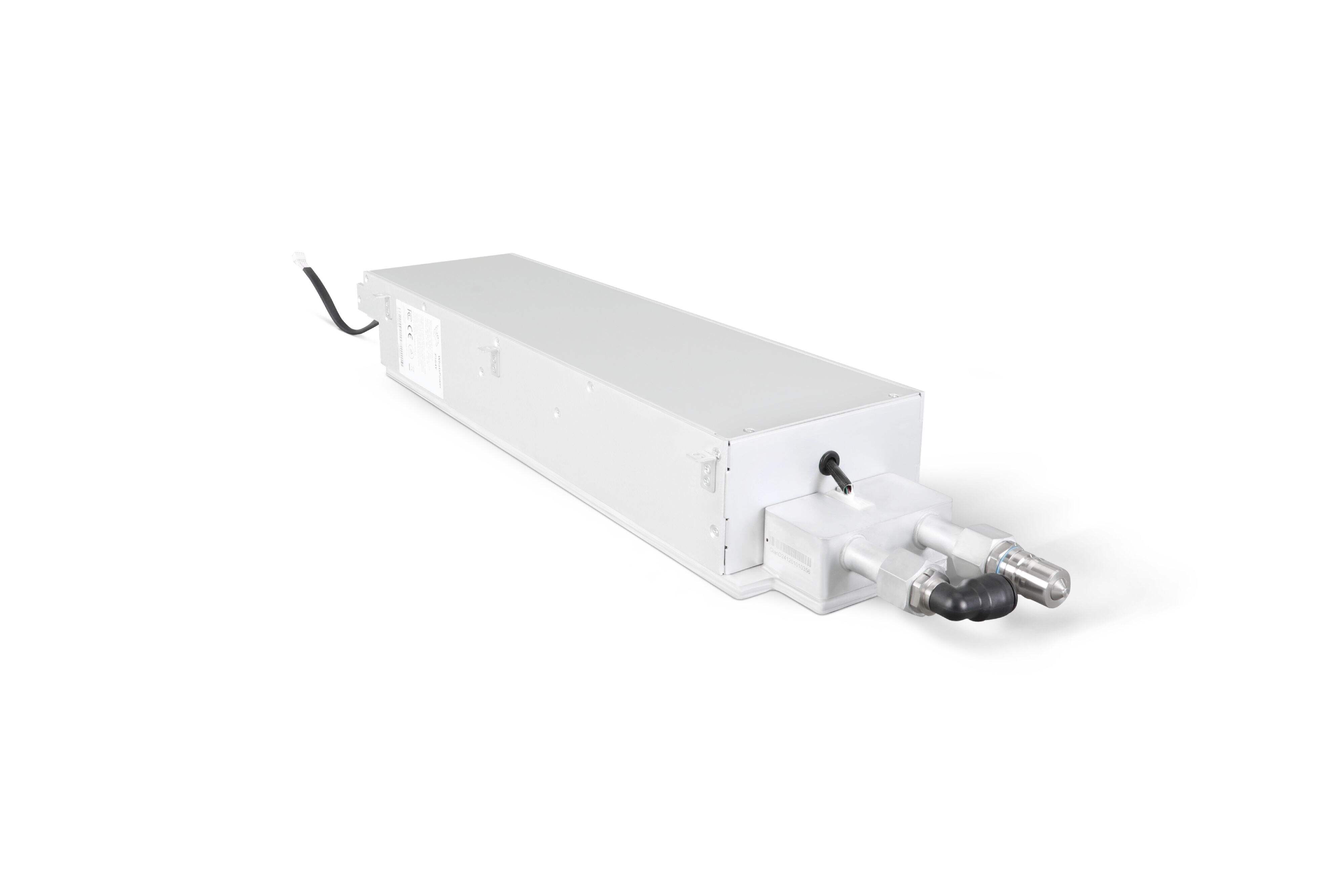
ဉာဏ်ရည်တု အလုပ်ပမာဏများ၊ cryptocurrency တူးဖော်ရေး လုပ်ငန်းများနှင့် စွမ်းဆောင်ရည်မြင့် ကွန်ပျူတာ အသုံးအဆောင်များ အရှိန်မြှင့်လာခြင်းက အစဉ်အလာ အအေးပေးနည်းစနစ်များက စီးပွားရေးအရ ဖြေရှင်းနိုင်ခြင်း မရှိသော အပူနှင့် စွမ်းအင်သိပ်သည်းမှု စိန်ခေါ်မှုများကို ဖန်တီးပေးခဲ့သည်။ အဓိက cloud service provider တွေနဲ့ Enterprise နည်းပညာ ကုမ္ပဏီတွေဟာ ကာဗွန် သဘာ၀မဆန်တဲ့ ရည်မှန်းချက်တွေကို ကြိုးပမ်းဖို့ အများပြည်သူကို ကတိပေးထားပြီး တစ်ချိန်တည်းမှာ တွက်ချက်မှု စွမ်းပကားကို တိုးချဲ့ပေးရင်း နစ်မြုပ်မှု အအေးပေးနည်းပညာက ထူးခြားစွာ ဖြေရှင်းတဲ့ ထင်ရှားတဲ့ ဝိရောဓိတစ်ခု သို့သော် အရည်အအေးပေးစနစ်၏ ထိရောက်မှုက ဓာတ်ငွေ့ဓာတ်ငွေ့ဓာတ်ငွေ့များဖြင့် ပြုလုပ်ထားသော ပတ်ဝန်းကျင်များတွင် လျှပ်စစ်အကာအကွယ်၊ အပူထိန်းချုပ်မှု ထိရောက်မှုနှင့် တာဝန်အရေးကြီးသော အသုံးများအတွက် လိုအပ်သော အချိန်နှင့်တပြေးညီ စွမ်းအင်အရည်အသွေး စံနှုန်းများအား ထိန်းသိမ်းလျက် အား
စွမ်းအင်ပေးသွင်းမှု ဗိသုကာပြောင်းရွှေ့မှုနောက်ကွယ်က အခြေခံ စီးပွားရေးမောင်းနှင်သူများ
ပေါင်းစပ်ထားသော ပါဝါပေးပို့မှုမှတဆင့် ပိုင်ဆိုင်မှုစုစုပေါင်းစရိတ် ပြောင်းလဲမှု
အထူးပြုထားသော စိမ်ချိန်စနစ်မှတဆင့် ပါဝါပေးပို့မှုစနစ်များကို အသုံးပြုခြင်း၏ စီးပွားရေးအကျိုးကျေးနှုံးသည် အစပိုင်းရင်းနှီးမှုစရိတ်များကို အလွန်ကျော်လွန်သော အကျိုးကျေးနှုံးများကို ဖော်ပြပါသည်။ အထုပ်အပိုးဒေတာစင်တာများ၏ ပုံမှန်ပါဝါအခြေခံအဆောက်အအိမ်များသည် အပူစီမံခန့်ခွဲမှုအတွက် အလွန်များပြားသော အေးမှုစွမ်းအားအပိုအသုံးပြုမှုကို လိုအပ်ပါသည်။ ထိုသို့သော ပုံမှန်စင်တာများသည် CRAC ယူနစ်များ၊ ချီလ်လာများနှင့် အားသောင်းပေးသော လေစီးကြောင်းစနစ်များမှတဆင့် စုစုပေါင်းလျှပ်စစ်စွမ်းအား၏ ၃၀-၄၀% ခန့်ကို အပူစီမံခန့်ခွဲမှုအတွက်သာ သုံးစွဲပါသည်။ အဖွဲ့အစည်းများသည် စိမ်ချိန်စနစ်များသို့ ပြောင်းလဲသောအခါ ပါဝါပေးပို့မှုအခြေခံအဆောက်အအိမ်များကို အခြေခံကျစွာ ပြန်လည်ဒီဇိုင်းပုံစေးရန် လိုအပ်ပါသည်။ ထိုသို့သော ပြန်လည်ဒီဇိုင်းပုံစေးမှုသည် ဒိုင်အီလက်ထရစ်အရည်အတွင်း နှစ်မြုပ်ထားသော ဟာဗာဝဲယ်များသို့ လျှပ်စစ်စီးကြောင်းကို တိုက်ရိုက်ပေးပို့နိုင်ရန် အတွက် ဤအပူစီမံခန့်ခွဲမှုနှင့် ဆောင်ရွက်မှုများကို ဖျက်သိမ်းရန် ဖော်ပြပါသည်။ ထိုသို့သော လုပ်ဆောင်မှုစရိတ်လျော့ကျမှုသည် အပူစီမံခန့်ခွဲမှုနှင့် ဆောင်ရွက်မှုများတွင် စွမ်းအားစရိတ်များကို ၄၀-၅၀% အထိ လျော့ကျစေပါသည်။ ထိုသို့သော လျော့ကျမှုသည် ကြီးမားသော အသုံးပြုမှုများအတွက် နှစ်စဥ် သိန်းနှစ်သောင်းချီ၍ စုစုပေါင်း ဒေါ်လာသိန်းပေါင်းများကို စုဆောင်းနိုင်ပါသည်။
တိုက်ရိုက်စွမ်းအားချွေတာမှုများကို ကျော်လွန်၍ အရောင်းအဝယ်ပိုမိုကောင်းမွန်စေရန် ရေထဲသို့ နှစ်ထားသည့် လျှပ်စစ်စွမ်းအား ဖောက်တာ ဤအဆောက်အဦးဒီဇိုင်းသည် စက်ရုံနေရာတစ်စတုရန်းမီတာလျှင် တွက်ချက်မှုပမာဏကို အထူးသဖြင့် မြင့်မားစေပါသည်။ အထုံးအနယ်အတိုင်း လေဖြင့်အအေးခံသည့် စက်မှုစနစ်များသည် အပူပေးစွမ်းအား စွမ်းရည်နှင့် လေစီးကြောင်းလိုအပ်ချက်များကြောင့် ကန့်သတ်ခံရပြီး စံနှုန်းအတိုင်း ရက်ခ်တစ်လုံးလျှင် ၅-၈ ကီလိုဝပ်အထိသာ ပံ့ပိုးပေးနိုင်ပါသည်။ ရေစိမ်အအေးခံစနစ်များသည် အသင့်ပုံစံထုတ်ထားသည့် ပေးအပ်မှုစနစ်များဖြင့် တန်ခေါင်းတစ်လုံးလျှင် ၁၀၀ ကီလိုဝပ်ကျော်အထိ ပုံမှန်အားဖြင့် အသုံးပြုနိုင်ပါသည်။ ထိုသို့သော ပိုမိုမြင့်မားသည့် ပမာဏသည် စက်ရုံနေရာအသုံးပြုမှု စီးပွားရေးကို အခြေခံကျစွာ ပြောင်းလဲစေပါသည်။ ဤပိုမိုမြင့်မားသည့် ပမာဏသည် မြေနေရာစုံစမ်းမှုစရိတ်များ၊ တည်ဆောက်မှုကာလများနှင့် မြို့ပြဈေးကွက်များတွင် မြေနေရာတန်ဖိုးများမြင့်မားခြင်းနှင့် မြေအသုံးပြုမှုဆိုင်ရာ ပိုမိုတင်းကြပ်သည့် စည်းမျဉ်းများကြောင့် ဒေတာစင်တာများ ချဲ့ထွင်ရာတွင် သမိုင်းကြောင်းအရ ကန့်သတ်ခံရသည့် ဘူမိဗေဒဆိုင်ရာ ကန့်သတ်ချက်များကို လျော့နည်းစေပါသည်။
စည်းမျဉ်းစည်းကမ်းများနှင့် ကိုက်ညီမှုနှင့် ရေရှည်တည်တံ့သည့် ဖွံ့ဖြိုးမှုဆိုင်ရာ လိုအပ်ချက်များနှင့် ကိုက်ညီမှု
အစိုးရ စည်းမျဉ်းစည်းကမ်းများနှင့် စီးပွားရေးလုပ်ငန်းများ၏ ပတ်ဝန်းကျင်ဆိုင်ရာ ကတိကဝတ်များသည် နည်းပညာကုမ္ပဏီများအတွက် ရေငုပ်ခြင်းအအေးပေးစွမ်းအင် ဖြန့်ဖြူးရေး ဖြေရှင်းနည်းများ ကို လက်ခံရန် အားကောင်းသော လှုံ့ဆော်မှုများကို ဖန်တီးနေသည်။ ဥရောပသမဂ္ဂရဲ့ စွမ်းအင်ထိရောက်မှု ညွှန်ကြားချက်နဲ့ မြောက်အမေရိကနဲ့ အာရှ-ပစိဖိတ်ဒေသတွေမှာ အလားတူ ဥပဒေဆိုင်ရာဘောင်တွေဟာ ဒေတာစင်တာအော်ပရေတာတွေကို စွမ်းအင်သုံးစွဲမှု ထိရောက်မှုဆိုင်ရာ ပိုမိုတင်းကျပ်တဲ့ လိုအပ်ချက်တွေကို ချမှတ်ပေးပါတယ်။ အစဉ်အလာ လေအေးစက်ရုံများသည် PUE ratio များကို ၁.၄ အောက်သို့ ရရှိရန် ရုန်းကန်နေသော်လည်း အကောင်းမွန်ဆုံး စွမ်းအင်ပေးပို့မှုရှိသည့် Immersion Cooling အကောင်အထည်ဖော်မှုများသည် PUE တန်ဖိုးများကို ၁.၀၅ နီးပါးကို အစဉ်အလာပြသနေသည်၊ ၎င်းသည် သီအိုရီနီးပါးထိရောက် စည်းမျဉ်းစည်းကမ်းလိုက်နာမှုသည် ရည်မှန်းချက်ရှိသည့် ရည်မှန်းချက်မှ ပြိုင်ဆိုင်မှုလိုအပ်ချက်သို့ ပြောင်းသွားပြီး အများပိုင်ကဏ္ဍ၏ အဓိက ဝယ်ယူမှုစာချုပ်များတွင် အဆင့်မြင့်အအအေးပေးစနစ်များသာ ပေးနိုင်သည့် တည်တံ့မှု တိုင်းတာမှုများကို ရှင်းလင်းစွာ တောင်းဆိုထားသည်။
ဒစ်ဂျစ်တယ်အခြေခံအဆောက်အအုံ၏ ကာဗွန်သိပ်သည်းမှုသည် နည်းပညာကုမ္ပဏီများ၏ တန်ဖိုးသတ်မှတ်မှုနှင့် စွန်းထင်းမှုအများအပြားကို အကဲဖြတ်ရာတွင် အဖွဲ့ဝင်ရင်းနှီးမှုရှင်များအတွက် အရေးကြီးသော အချက်တစ်ခုဖြစ်လာခဲ့ပါသည်။ ဘဏ္ဍာရေးဈေးကွက်များသည် ပတ်ဝန်းကျင်ဆိုင်ရာ အပြင်ပုန်းအကျိုးသက်ရောက်မှုများကို စုစုပေါင်းရှယ်ယာအကဲဖြတ်မှုများတွင် တဖြည်းဖြည်းချင်း ထည့်သွင်းစဉ်းစားလာကြပါသည်။ ထိုသို့သော အကဲဖြတ်မှုများသည် ရှယ်ယာရှင်များ၏ အကျိုးကျေးနဲ့မှုကို အထင်အမြင်ကောင်းစေသည့် အချက်များကို ဖန်တီးပေးပါသည်။ ရေငုပ်ခြင်းအော်ပရေတ်စနစ် (immersion cooling) ပါဝါပေးစွမ်းစနစ်များကို အသုံးပြုသည့် အဖွဲ့အစည်းများသည် Scope 2 ကာဗွန်ထုတ်လွှတ်မှုများတွင် တိကျစွာ တိုင်းတာနိုင်သည့် လျော့နည်းမှုများကို ပြသနိုင်ပါသည်။ ထိုသို့သော အဖွဲ့အစည်းများသည် လေဖြင့်အေးမှုပေးသည့် တူညီသည့် တွက်ချက်မှုစွမ်းရည်များနှင့် နှိုင်းယှဉ်ပါက စုစုပေါင်းကာဗွန်အောက်ဆိုဒ် (carbon footprint) ကို ၃၀-၄၅ ရှုံးနောက် လျော့နည်းမှုများကို အများအားဖြင့် အောင်မြင်စွာ ရရှိပါသည်။ ဤစံချိန်များသည် ESG အဆင့်သတ်မှတ်မှုများ၊ ရေရှည်တည်တံ့သည့် ရင်းနှီးမှုရန်ပုံငးများတွင် ထည့်သွင်းရန် စံချိန်များနှင့် ကုမ္ပဏီ၏ အမည်အသံစ်များကို တိုက်ရိုက်သက်ရောက်မှုရှိပါသည်။ ထိုအမည်အသံစ်များသည် ဖောက်သည်ရရှိရေး၊ အရည်အသွေးမြင့် ဝန်ထမ်းများ ခေါ်ယောင်လာရေးနှင့် ကမ္ဘာလုံးဆိုင်ရာဈေးကွက်များတွင် စီမံခန့်ခွဲမှုဆိုင်ရာ ဆက်ဆံရေးများကို သက်ရောက်မှုရှိပါသည်။
စွမ်းဆောင်ရည်လိုအပ်ချက်များသည် ဗိသုက်ပညာဆိုင်ရာ တီထွင်မှုများကို မော်င်းနေခြင်း
ခေတ်မှီအလုပ်လုပ်ခွင့်များ၏ တွက်ချက်မှုဆိုင်ရာ စရိုက်လက္ခဏာများသည် စွမ်းအင်ပေးပို့မှုလိုအပ်ချက်များကို အခြေခံကျစွာ ပြောင်းလဲစေခဲ့ပြီး ထုံးစွဲစွဲအတိုင်း ဒီဇိုင်းရေးဆွဲထားသော စွမ်းအင်ပေးစက်များဖြင့် ဖြည့်ဆည်းပေးနိုင်ခြင်းမရှိပါ။ စက်သင်ယူမှု လေ့ကျင့်ရေးလုပ်ဆောင်မှုများ၊ အချိန်နှင့်တစ်ပါတ်တည်း ဘဏ္ဍာရေးမော်ဒယ်လ်မှုများနှင့် သိပ္ပံနည်းကျ အတုအယောင်လုပ်ဆောင်မှုများသည် မိုက်ခရိုစက်န်ဒ်အဆင့် အချိန်ကာလအတွင်း ပြောင်းလဲမှုများနှင့် ရှည်လျားစွာ ထိပ်တန်းစွမ်းအင်သုံးစွဲမှုများကို ပြသပြီး ရှေးရိုးစွဲ စွမ်းအင်ပေးပို့မှု ဗိသုကာအဆောက်အအုပ်များကို ဖိအားပေးပါသည်။ ရေစိုစိုမှုဖြင့် အအေးခံသော စွမ်းအင်ပေးစက်စနစ်များသည် အလွန်မြင့်မားသော အပူစီးကြောင်းသိပ်သည်းမှုများတွင် လုပ်ဆောင်နေသော ပရိုဆက်ဆာများသို့ သန့်စင်ပြီး တည်ငြိမ်သော လျှပ်စစ်စီးကြောင်းကို ပေးပို့ရန် လိုအပ်ပါသည်။ ထို့အပါတ်တွင် စွမ်းအင်ပေးစက်များသည် စွမ်းအင်သုံးစွဲမှု အများကြီးပြောင်းလဲမှုများကြောင့် မီလီဗော့အတွင်း ဗို့အားထိန်းညှိမှုကို ထိန်းသိမ်းပေးရန် လိုအပ်ပါသည်။ ပူပေးသော အရည်များကြောင့် ဖြစ်ပေါ်လာသော လျှပ်စစ်ခွဲထုတ်မှုဆိုင်ရာ စိန်ခေါ်မှုများသည် အထူးပြုထားသော ထရောန်စ်ဖော်မာများ၊ ကာကွယ်မှုအရာများနှင့် မြေပေါ်ချိတ်ဆက်မှုနည်းလမ်းများကို လိုအပ်ပါသည်။ ထိုနည်းလမ်းများသည် လေဖြင့် အအေးခံသော စွမ်းအင်ပေးပို့မှုနည်းလမ်းများနှင့် အခြေခံကျစွာ ကွဲပါသည်။
ထို့အပြင်၊ ဟိုက်ပာစေးကယ် ကွန်ပျူတာ အခြေခံအောက်မြေပုံစံများအတွက် ယုံကြည်စိတ်ချရမှု လိုအပ်ချက်များသည် နှစ်များစွာအစား ဆယ်စုနှစ်များစွာအထိ တွက်ချက်သည့် ပါဝါပေးစွမ်းမှု အဆောက်အဦးများကို လိုအပ်ပါသည်။ အရေးကြီးသည့် အောက်မြေပုံစံများတွင် ပါဝါအီလက်ထရွန်နစ်များ၏ အသက်တာကို တိုးတက်စေရန် အများအားဖြင့် အကောင်းမွန်ဆုံး အက်ဒ်ဝန်တော့စ်များကို အသုံးပြုပါသည်။ ထိုအက်ဒ်ဝန်တော့စ်များသည် ပုံမှန်အစီအစဥ်များကို ပျက်စီးစေသည့် အပူချိန်ပြောင်းလဲမှုများ၊ စိုထိုင်းမှုများနှင့် အမှုန်များ ထိတ်တွေ့မှုများကို ဖယ်ရှားပေးပါသည်။ သို့သော် ဤသီအိုရီဆိုင်ရာ ယုံကြည်စိတ်ချရမှု အကျိုးကျေးဇူးများကို အကောင်အထည်ဖော်ရန်အတွက် အထူးဒီဇိုင်းထုတ်ထားသည့် အောက်မြေပုံစံများအတွက် ပါဝါပေးစွမ်းမှု ပစ္စည်းများ လိုအပ်ပါသည်။ ထိုပစ္စည်းများသည် ပိတ်ထားသည့် အိုးများ၊ ဓာတုပစ္စည်းများနှင့် ခံနိုင်ရည်ရှိသည့် ပစ္စည်းများနှင့် အပူချိန်စီမံခန့်ခွဲမှု ပေါင်းစပ်မှုများကို ပါဝါပေးစွမ်းမှု ပစ္စည်းများကို အောက်မြေပုံစံများတွင် အသုံးပြုသည့် ဒိုင်အီလက်ထရစ်အရည်များဖြင့် အပူချိန်ကို ထိန်းသိမ်းရန် အသုံးပြုပါသည်။ ဤစနစ်များ၏ အင်ဂျင်နီယာဆိုင်ရာ ရှုပ်ထွေးမှုများကြောင့် အဓိက နည်းပညာကုမ္ပဏီများသည် လက်ရှိရှိသည့် လေအေးမှု ဒီဇိုင်းများကို အသုံးပြုခြင်းထက် ကိုယ်ပိုင် ပါဝါပေးစွမ်းမှု ဖြေရှင်းနည်းများကို အလွန်အများအပြား ရင်းနှီးမှုပေးနေကြခြင်းဖြစ်ပါသည်။
ပါဝါပေးစွမ်းမှု စနစ်ဒီဇိုင်းကို ပြောင်းလဲစေသည့် နည်းပညာလိုအပ်ချက်များ
အရည်ပတ်ဝန်းကျင်များတွင် လျှပ်စစ်ခွဲခြားမှုနှင့် ဘေးကင်းရေး စည်းမျဉ်းများ
လျှပ်စစ်စွမ်းအင်ဖြန့်ဖြူးရေးကိရိယာများကို အရည်အေးပေးပစ္စည်းများနှင့် တိုက်ရိုက်ထိတွေ့မှုရှိသည့်အခါ အခြေခံလုံခြုံရေးနှင့် အင်ဂျင်နီယာဆိုင်ရာ စိန်ခေါ်မှုများရှိပြီး အစဉ်အလာ စွမ်းအင်ပေးသွင်းမှု ဗိသုကာများ၏ အပြည့်အဝ ပြန်လည်ဒီဇိုင်းထုတ်လုပ်ရန် လိုအပ်သည်။ Immersion cooling applications များတွင် အသုံးပြုသော dielectric fluids များသည် နည်းပညာအရ မဆောင်နိုင်သော်လည်း ၎င်းတို့တွင် အပူချိန်၊ ညစ်ညမ်းမှုအဆင့်များနှင့်အတူ ပြောင်းလဲသော အဆုံးသတ်သော လျှပ်စစ်တိုက်ခိုက်မှုရှိပြီး လုပ်ငန်းသက်တမ်းအတွင်း ဓာတုဖွဲ့စည်းမှုရှိသည်။ Immersion cooling power supply သည် ရေအောက်ရှိ Hardware များသို့ လျှပ်စစ်ဓာတ်အားပေးသော အဓိကစွမ်းအင်အဝင်နှင့် ဒုတိယထွက်ကြားတွင် လျှပ်စစ်အကန့်အသတ်ပြည့်စုံကို ထိန်းသိမ်းထားရမည်ဖြစ်ပြီး၊ ပုံမှန်အားဖြင့် လျှပ်စစ်လမ်းကြောင်းများသို့ အရည်ဝင်ရောက်မှုကို တားဆီးရန် ပိုမိုကောင်းမွန်သော အကာအကွယ်သတ်မှတ်ချက်
အီလက်ထရစ်ခြောက်သွေ့မှု ပတ်ဝန်းကျင်ကို ပြောင်းလဲစေသည့် ဒိုင်အီလက်ထရစ်အရည်ဖြင့် စနစ်ကို စိမ်ထားသည့် အခြေအနေတွင် စိမ်ထားသည့် အအေးခံမှု ပါဝါထောက်ပံ့ရေးစနစ်များအတွက် မြေဆက်ခြင်းနှင့် အကွက်ဖောက်ခြင်းကာကွယ်ရေး နည်းဗျူဟာများသည် ရေးသားထားသည့် ဒီဇိုင်းများနှင့် အများကြီးကွဲပြားပါသည်။ ရေးသားထားသည့် မြေဆက်ခြင်းအကွက်ဖောက်ခြင်း ကာကွယ်ရေး ကိရိယာများ (GFCIs) နှင့် ကျန်ရှိသည့် လျှပ်စီးကြောင်း ကိရိယာများ (RCDs) တွင် လေဖြင့် အီလက်ထရစ်ခြောက်သွေ့မှု ပတ်ဝန်းကျင်အတွက် သင့်လျော်သည့် စီးဆင်းမှု အနည်းဆုံးအနက်အထိ အာရုံခိုင်းမှုများကို အသုံးပြုကြသည်။ သို့သော် လျှပ်စီးကြောင်း ပေးပို့ရေး ပစ္စည်းများကို လျှပ်စီးကြောင်း ဂုဏ်သတ္တိများ ပြောင်းလဲနေသည့် အရည်ထဲတွင် စိမ်ထားသည့်အခါ ဤအချက်များသည် ယုံကြည်စိတ်ချရမှု မရှိတော့ပါ။ အဆင့်မြင့် စောင်းကြည့်မှုစနစ်များသည် လျှပ်စီးကြောင်း ပေးပို့မှု အဆင်ပေးမှု အဆောက်အအုံတွင် အများအပြားသော အမှတ်များတွင် အီလက်ထရစ် အကာအရံ ပေးထားမှု ခြောက်သွေ့မှု၊ စီးဆင်းမှု ပုံစံများနှင့် ဗို့အား အလွဲအဓိပ္ပာယ်ဖောက်မှုများကို အဆက်မပြတ် တိုင်းတာပေးပါသည်။ ထို့ကြောင့် လျှပ်စီးကြောင်း အကွက်ဖောက်မှုများကို စနစ်၏ အသုံးပြုနိုင်မှုကို ထိခိုက်စေခြင်း သို့မဟုတ် ထိန်းသိမ်းရေး ဝန်ထမ်းများအတွက် ဘေးအန္တရာယ်များ ဖန်တီးခြင်းမှ အလျင်အမြန် ကာကွယ်ရေး ထိန်းသိမ်းမှုများကို ကြိုတင်ခန့်မှန်း၍ လုပ်ဆောင်နေပါသည်။
အပူစီမံခန့်ခွဲမှု ပေါင်းစပ်မှုနှင့် အပူပြန်လည်ရယူမှု အကောင်အထောက် မြှင့်တင်ခြင်း
ခေတ်မှီ စွမ်းအင်ပြောင်းလဲမှု အားသာချက်များရှိသော ပေါင်းစပ်မှု ပါဝါဖောက်နီစီများ၏ စွမ်းအင်ပြောင်းလဲမှု ထိရောက်မှုသည် အများအားဖြင့် ၉၂-၉၆% အထိ ရှိပါသည်။ ထို့ကြောင့် ၁၀ ကီလိုဝပ် ထုတ်လုပ်မှု ရှိသော ရေစိမ်ခြင်း ပါဝါဖောက်နီစီမှ စွန်းထွက်သော အပူပိုမှုသည် ၄၀၀-၈၀၀ ဝပ် အထိ ရှိပါသည်။ ထိုအပူပိုမှုကို ကုန်ကုန်စွမ်းဆောင်ရည် နှင့် လုပ်ဆောင်မှု ထိရောက်မှုကို ထိန်းသိမ်းရန် အထိရောက်ဆုံး ဖြန့်ကြူးပေးရန် လိုအပ်ပါသည်။ ရေးရှိသော လေဖြင့် အအေးခံသော စနစ်များတွင် ဤအပူပိုမှုကို ပတ်ဝန်းကျင် လေထုထဲသို့ ဖြန့်ကြူးပေးပြီး စွန်းထွက်သော စွမ်းအင်အဖြစ် သုံးနေပါသည်။ သို့သော် ရေစိမ်ခြင်း စနစ်များသည် ပါဝါဖောက်နီစီမှ စွန်းထွက်သော အပူပိုမှုကို လေးနက်စွာ စဉ်းစားပြီး လျှပ်စစ်ဓာတ်အား မပါသော အရည်ထဲသို့ အပူပိုမှုကို လွှဲပေးခြင်းဖြင့် စုစုပေါင်း အပူစီမံခန့်ခွဲမှု စနစ်တွင် ပါဝင်စေပါသည်။ ထိုအပူပိုမှုကို အဆောက်အဦးများ အပူပေးခြင်း သို့မဟုတ် စက်မှုလုပ်ငန်း လုပ်ဆောင်မှုများအတွက် အပူပိုမှု ပြန်လည်အသုံးပြုခြင်း အလားအလာများကို ဖန်တီးပေးပါသည်။
ရေငုပ်အအေးပေးစနစ် ပါဝါထောက်ပံ့ရေး အီလက်ထရွန်းနစ်ပစ္စည်းများနှင့် ပတ်ဝန်းကျင်ရှိ အရည်ပတ်ဝန်းကျင်အကြား အပူချိတ်ဆက်မှုသည် ယှဉ်ပြိုင်မှုရည်မှန်းချက်များကို ဟန်ချက်ညီစေရန်အတွက် ဂရုတစိုက်အင်ဂျင်နီယာပညာ လိုအပ်ပါသည်။ ထောက်ပံ့ရေးအတွင်းရှိ ပါဝါတစ်ပိုင်းလျှပ်ကူးပစ္စည်းများ၊ သံလိုက်အစိတ်အပိုင်းများနှင့် capacitor bank များသည် သတ်မှတ်ထားသော သက်တမ်းကို သေချာစေရန် ထုတ်လုပ်သူသတ်မှတ်ထားသော ကန့်သတ်ချက်များအောက်တွင် junction အပူချိန်များကို ထိန်းသိမ်းထားရမည်ဖြစ်သော်လည်း အလွန်အကျွံ အပူအထီးကျန်ခြင်းသည် စနစ်တစ်ခုလုံး၏ စွမ်းဆောင်ရည်ကို တိုးတက်စေသည့် အကျိုးပြုအပူလွှဲပြောင်းမှုကို တားဆီးပေးသည်။ အဆင့်မြင့်ဒီဇိုင်းများသည် လျှပ်စစ်အထီးကျန်မှုကို ထိန်းသိမ်းထားစဉ်နှင့် အပူချိန်ထိခိုက်လွယ်သော အစိတ်အပိုင်းများကို ကာကွယ်ပေးနေစဉ်တွင် သီးခြားအစိတ်အပိုင်းများမှ အပူပျံ့နှံ့မှုကို ထိန်းချုပ်နိုင်စေသည့် ရွေးချယ်ထားသော အပူမျက်နှာပြင်များကို အသုံးပြုသည်။ ရလဒ်အနေဖြင့် ညီမျှသောလေအေးပေးစနစ်များထက် ပိုမိုမြင့်မားသော ပြောင်းလဲမှုထိရောက်မှုများကို ရရှိစေပြီး စက်ရုံ၏ ဘက်စုံအပူစီမံခန့်ခွဲမှုဗျူဟာကို အကျိုးရှိစွာ ပံ့ပိုးပေးသည့် ပါဝါပေးပို့မှုစနစ်များ ဖြစ်ပေါ်လာသည်။
မြင့်မားသော စွမ်းအားသုံး ကွန်ပျူတာများတွင် လျှပ်စစ်စွမ်းအားအရည်အသွေးနှင့် ခဏတာ တုံ့ပြန်မှု
ခေတ်မှီပရိုဆက်ဆာများနှင့် အရှိန်မြင့်စက်များ (accelerators) တို့သည် ရေစိုစွတ်စွတ် (immersion cooling) ပတ်ဝန်းကျင်တွင် လုပ်ဆောင်ရာတွင် လျှပ်စစ်ဂုဏ်သတ္တိများအပေါ် အထူးခြင်းဖြင့် တင်းကြပ်သော လိုအပ်ချက်များကို သတ်မှတ်ပေးပါသည်။ ထိုသို့သော လိုအပ်ချက်များသည် ပါဝါထောက်ပံ့ရေးစနစ်၏ တုံ့ပြန်မှု အမြန်နှုန်း (response dynamics) နှင့် ထွက်ပေါ်လာသော လျှပ်စစ်အရည်အသွေး (output quality) တို့အပေါ် အထူးခြင်းဖြင့် တင်းကြပ်သော လိုအပ်ချက်များကို သတ်မှတ်ပေးပါသည်။ အတုအယောင် အသိဉာဏ် (artificial intelligence) အသုံးပျော်များတွင် အသုံးပြုသော ဂရပ်ဖစ်ပရိုဆက်ဆ်င်ယူနစ်များ (Graphics processing units) နှင့် အထူးရည်ရွယ်ချက်အတွက် ပြုလုပ်ထားသော အင်တီဂရိတ်စ်စ်က်က်က်က်က်က်က်က်က်က်က်က်က်က်က်က်က်က်က်က်က်က်က်က်က်က်က်က်က်က်က်က်က်က်က်က်က်က်က်က်က်က်က်က်က်က်က်က်က်က်က်က်က်က်က်က်က်က်က်က်က်က်က်က်က်က်က်က်က်က်က်က်က်က်က်က်က်က်က်က်က်က်က်က်က်က်က်က်က်က်က်က်က်က်က်က်က်က်က်က်က်က်က်က်က်က်က်က်က်က်က်က်က်က်က်က်က်က်က်က်က်က်က်က်က်က်က်က်က်က်က်က်က်က်က်က်က်က်က်က်က်က်က်က်က်က်က်က်က်က်က်က်က်က်က်က်က်က်က်က်က်က်က်က်က်က်က်က......
ထို့အပြင် စွမ်းအင်ပေးပို့ရေးစနစ်များ၏ ဟားမုန်းယဉ်ယဉ်ယဉ်ယဉ်ယဉ်ယဉ်ယဉ်ယဉ်ယဉ်ယဉ်ယဉ်ယဉ်ယဉ်ယဉ်ယဉ်ယဉ်ယဉ်ယဉ်ယဉ်ယဉ်ယဉ်ယဉ်ယဉ်ယဉ်ယဉ်ယဉ်ယဉ်ယဉ်ယဉ်ယဉ်ယဉ်ယ မကောင်းမွန်စွာ ဒီဇိုင်းထုတ်ထားတဲ့ စနစ်တွေဟာ မြေပြင်ကွင်းဆက် လျှပ်စီးတွေ၊ ပုံမှန်ပုံစံ ဆူညံသံ ထိုးသွင်းခြင်းနဲ့ ရေဒီယို ကြိမ်နှုန်း ကြားဖြတ်မှုတွေကို ဖန်တီးနိုင်ပြီး တွက်ချက်မှု တိကျမှုကို လျော့ကျစေတယ်၊ ဒေတာ ပို့လွှတ်မှုကို ပျက်စီးစေတယ်၊ ဒါမှမဟုတ် ရောဂါရှာဖွေဖို့နဲ့ ဖြေရှင်းဖို့ ခက်ခဲတဲ့ ကြား အရည်အသွေးမြင့် Immersion Cooling power supply များတွင် Active Power Factor Correction၊ Synchronous Rectification Topologies နှင့် Sensitive Computational Workloads များအတွက် လိုအပ်သော တင်းကျပ်သော စွမ်းအင်အရည်အသွေးစံနှုန်းများနှင့် ကိုက်ညီသော သန့်ရှင်းသော လျှပ်စစ်ပို့ဆောင်မှုကို အာမခံရန်အတွက် အပြည့်အဝ
စီးပွားရေးလုပ်ငန်းများ၏ အယူအဆများအား ဦးတည်စေသော မဟာဗျူဟာ အကျိုးကျေးဇူးများ
အဆောက်အအုံရဲ့ ခြေရာကို လျှော့ချခြင်းနဲ့ ပထဝီဆိုင်ရာ ပျော့ပြောင်းမှု
စိုစွတ်မှုအေးသော ပါဝါထောက်ပံ့ရေးစနစ်များကို အသုံးပြုခြင်းဖြင့် ကွန်ပျူတာအရင်းအမြစ်များကို ရုပ်ပိုင်းဆိုင်ရာအားဖြင့် အလွန်သေးငယ်သော နေရာအသုံးပြုမှုအတွင်းသို့ အာရုံစိုက်နိုင်ခြင်းသည် ရိုးရှင်းသော စုစုပေါင်းကုန်ကုန်ကုန်ကုန်ကုန်ကုန်ကုန်ကုန်ကုန်ကုန်ကုန်ကုန်ကုန်ကုန်ကုန်ကုန်ကုန်ကုန်ကုန်ကုန်ကုန်ကုန်ကုန်ကုန်ကုန်ကုန်ကုန်ကုန်ကုန်ကုန်ကုန်ကုန်ကုန်ကုန်ကုန်ကုန်ကုန်ကုန်ကုန်ကုန်ကုန်ကုန်ကုန်ကုန်ကုန်ကုန်ကုန်ကုန်ကုန်ကုန်ကုန်ကုန်ကုန်ကုန်ကုန်ကုန်ကုန်ကုန်ကုန်ကုန်ကုန်ကုန်ကုန်ကုန်ကုန်ကုန်ကုန်ကုန်ကုန်ကုန်ကုန်ကုန်ကုန်ကုန်ကုန်ကုန်ကုန်ကုန်ကုန်ကုန်ကုန်ကုန်ကုန်ကုန်ကုန်ကု......
ဤသိပ်သည်းဆအက advantage သည် ရာသီဥတု၊ မြင့်မားမှုနှင့် ပတ်ဝန်းကျင်အခြေအနေများကြောင့် လေဖြင့်အအေးခံသည့် စံနှုန်းအတိုင်းသော အခြေခံအဆောက်အအုံများကို မထောက်ပံ့နိုင်သည့် ထူးခြားသည့်နေရာများတွင် ဒေတာစင်တာများကို တပ်ဆင်ရန် အခွင့်အလမ်းများကိုလည်း ဖန်တီးပေးပါသည်။ ရေစိုစိုမြုပ်နေသည့် အအေးခံစနစ်များ (Immersion cooling) သည် အပူချိန်မြင့်မားသည့် ပတ်ဝန်းကျင်များ၊ ဖိအားနိမ့်သည့် အခြေအနေများနှင့် ညစ်ညမ်းသည့် လေထုများတွင် ထိရောက်စွာ အလုပ်လုပ်နိုင်ပြီး လေဖြင့်အအေးခံခြင်းကဲ့သို့သည့် ရေးရှိသည့် အအေးခံနည်းလမ်းများ မအောင်မြင်သည့် နေရာများတွင် အထူးသဖြင့် အသုံးဝင်ပါသည်။ နည်းပညာကုမ္ပဏီအချို့သည် အပူပိုင်းဒေသများ၊ မြောက်ဝိုင်းဒေသများနှင့် နေရောင်ခြည်စွမ်းအား သို့မဟုတ် ลมစွမ်းအားကဲ့သို့သည့် ပြန်လည်အသုံးပျော်နိုင်သည့် စွမ်းအားထုတ်လုပ်ရေးနေရာများနှင့် နီးစပ်သည့် စက်မှုနယ်များတွင် ရေစိုစိုမြုပ်နေသည့် ကွန်ပျူတာစင်တာများကို တပ်ဆင်ခဲ့ကြပါသည်။ ထိုသို့သည့် နေရာများတွင် ရှိသည့် စီးပွားရေးအကျိုးကျေးနှုံးများကို အသုံးချရန် လေဖြင့်အအေးခံသည့် စနစ်များတွင် ပေါ်ပေါ်လွင်လွင်ရှိသည့် အပူစီမံခန့်ခွဲမှု အားနည်းချက်များကြောင့် ယခင်က အသုံးမဝင်နိုင်ခဲ့သည့် အခွင့်အလမ်းများကို အသုံးချနိုင်ခဲ့ကြပါသည်။
လုပ်ဆောင်မှု ခိုင်မာမှုနှင့် ပြုပြင်ထိန်းသိမ်းမှု ထိရောက်မှု
အရောင်းအဝယ်စနစ်များကို ရေထဲတွင် စိမ့်ဝင်စေသည့် စွမ်းအင်ပေးစနစ်များ၏ ယုံကြည်စိတ်ချရမှု လက္ခဏာများသည် အဆောက်အဦးအခြေခံအဆောက်အအိမ်များ၏ ခံနိုင်ရည်ရှိမှုနှင့် လုပ်ငန်းဆက်လက်လုပ်ကိုင်နိုင်မှု စွမ်းရည်များကို အထူးသဖြင့် အားကောင်းစေပါသည်။ အထောက်အပံ့ပေးသည့် ဒေတာစင်တာများတွင် အသုံးပြုသည့် စွမ်းအင်ပေးပိုမိုများသည် ဖုန်မှုန်များ စုပုံခြင်း၊ စိုထုံးမှုကြောင့် ဖောက်ပေါက်ခြင်း၊ အပူချိန်ပြောင်းလဲမှုကြောင့် ဖောက်ပေါက်ခြင်း၊ အအေးပေးမှု ပန်ကုန်းများနှင့် ရှုပ်ထွေးသည့် အစိတ်အပိုင်းများတွင် ယန္တရားမှုန်းခြင်း စသည့် ပျက်စီးမှုများကို ဖော်ပြပါသည်။ ရေထဲတွင် စိမ့်ဝင်စေသည့် ပတ်ဝန်းကျင်များသည် ဤပျက်စီးမှုများကို ဖျောက်ဖျက်ပေးပါသည်။ အကောင်းမှုန်းထားသည့် စွမ်းအင်ပေးစနစ်များသည် အချိန်ကြာမှု ပုံမှန်ပျမ်းမျော်ချိန် (MTBF) အဖြစ် ၂၀၀,၀၀၀ နှစ်ကျော်အထိ အချိန်ကြာမှု အသုံးပြုမှုအတွက် တွေ့ရှိရပါသည်။ ဤအထူးသဖြင့် ယုံကြည်စိတ်ချရမှုများသည် မျှော်မှန်းမထားသည့် အလုပ်လုပ်မှု ရပ်ဆို့မှုများကို လျော့နည်းစေပါသည်။ ထို့အပါအဝါ ထိန်းသိမ်းရေး အချိန်ဇယားများကို ရှင်းလင်းစေပါသည်။ ထို့အပါအဝါ အသုံးပြုမှုများအတွက် အပိုပစ္စည်းများကို သိုလှောင်ရန် လိုအပ်သည့် ပမာဏကို လျော့နည်းစေပါသည်။ ထိုအပိုပစ္စည်းများသည် အရောင်းအဝယ်များတွင် အထူးသဖြင့် လုပ်ငန်းစဥ်များအတွက် အရေးကြီးသည့် လုပ်ငန်းဆောင်ရွက်မှု စုစုပေါင်းကုန်ကုန်ကုန်ကုန်ကုန်ကုန်ကုန်ကုန်ကုန်ကုန်ကုန်ကုန်ကုန်ကုန်ကုန်ကုန်ကုန်ကုန်ကုန်ကုန်ကုန်ကုန်ကုန်ကုန်ကုန်ကုန်ကုန်ကုန်ကုန်ကုန်ကုန်ကုန်ကုန်ကုန်ကုန်ကုန်ကုန်ကုန်ကုန်ကုန်ကုန်ကုန်ကုန်ကုန်ကုန်ကုန်ကုန်ကုန်ကုန်ကုန်ကုန်ကုန်ကုန်ကုန်ကုန်ကုန်ကုန်ကုန်ကုန်ကုန်ကုန်ကုန်ကုန်ကုန်ကုန်ကုန်ကုန်ကုန်ကုန်ကုန်ကုန်ကုန်ကုန်ကုန်ကုန်ကုန်ကုန်ကုန်ကုန်ကုန်ကုန်ကုန်ကုန်ကုန်ကုန......
ထို့အပါအဝင် စိမ်ထားသော အေးမော်စနစ်ပါဝင်သည့် ပါဝါဖောက်နီစီ အခြေခံအဆောက်အအုံများအတွက် ထိန်းသိမ်းရေးလုပ်ထုံးများသည် ရှေးရိုးစွဲ ချဉ်းကပ်မှုများနှင့် အခြေခံအားဖြင့် ကွဲပြားပါသည်။ ယင်းသည် အများအားဖြင့် လုပ်ငန်းဆောင်တာများတွင် သိသိသာသာ အကျိုးကျေးဇူးများကို ပေးစေပါသည်။ လေအေးမော်စနစ်ဖြင့် အလုပ်လုပ်သည့် ပါဝါစနစ်များသည် စွမ်းဆောင်ရည်အတိုင်းအတာများကို ထိန်းသိမ်းရန် ပုံမှန်အားဖြင့် သန့်ရှင်းရေး၊ ဖီလ်တာအစားထိုးခြင်း၊ ဖန်န်းများကို ပြုပြင်ထိန်းသိမ်းခြင်းနှင့် အပူလွှဲပေးသည့် ပေါင်းစပ်မှု (thermal paste) အသစ်ထည့်သွင်းခြင်းတို့ကို လုပ်ဆောင်ရပါသည်။ ဒိုင်အီလက်ထရစ်အရည် (dielectric fluid) အတွင်း စိမ်ထားသည့် စိမ်ထားသော အေးမော်စနစ်ပါဝါဖောက်နီစီ ယူနစ်များသည် အရည်အသေးစိတ်စမ်းသပ်မှုများနှင့် လျှပ်စစ်အကာအကွယ်စောင်းမှု စောင်းစမ်းမှုများအပါအဝင် ကာကွယ်ရေးထိန်းသိမ်းမှုအနည်းငယ်သာ လုပ်ဆောင်ရန် လိုအပ်ပါသည်။ ဤစနစ်များ၏ ပိတ်ထားသည့် သဘောသည် ဝန်ဆောင်မှုကာလများကို ပိုမိုရှည်လျားစေပါသည်။ ထို့အပါအဝင် ထိန်းသိမ်းမှုအတွက် အလုပ်သမ်းစရိတ်များကို လျှော့ချပေးပါသည်။ ထို့အပါအဝင် စနစ်အားလုံး၏ အသုံးပြုနိုင်မှုနှုန်း (availability metrics) ကို မြင့်တင်ပေးပါသည်။ ယင်းသည် ဝန်ဆောင်မှုအဆိုပြုချက်များ (SLA) နှင့် ဖောက်သည်များ၏ က удовлетворенность ကို အထောက်အပံ့ပေးရန်အတွက် အရေးကြီးပါသည်။
စွမ်းရည်တိုးချဲ့နိုင်မှုနှင့် အနာဂတ်အတွက် အသုံးပြုနိုင်မှုရှိသည့် တွက်ချက်မှုအခြေခံအဆောက်အအုံ
မော်ဂျူလာ အိုင်စ်လေးရှင်း ကူးလီးန်းခြင်း ပါဝါ ဖောက်နီရှင် ဒီဇိုင်းများတွင် ပါဝင်သော ဗိသုကာဆိုင်ရာ လွတ်လပ်မှုသည် တွက်ချက်မှုလိုအပ်ချက်များ၏ မသေချာမှုများနှင့် နည်းပညာများ ပြောင်းလဲလာမှုများကို ရင်ဆိုင်နေရသည့် အဖွဲ့အစည်းများအတွက် ဌာနေဆိုင်ရာ အကျိုးကျေးနဲ့များကို ပေးစွမ်းနိုင်ပါသည်။ ရှေးဟောင်း ဒေတာစင်တာ ပါဝါ အခြေခံအဆောက်အအုံများတွင် လျှပ်စစ်ဖ distribution စနစ်များ၊ အအေးခံစနစ်များနှင့် အဆောက်အအုံ ပြုပြင်မှုများတွင် အများကြီးသော မှုန်းသော ရင်းနှီးမှုများ ပါဝင်ပြီး ထိုသို့သော ရင်းနှီးမှုများသည် အသုံးပြုမှုများ ပြောင်းလဲလာမှုများကို လိုက်လျောညီထွေဖော်ဆောင်ရန် အတွက် အလွန်များစွာသော အရင်က ရင်းနှီးမှုများကို ဖန်တီးပေးပါသည်။ ကုန်တောင်းမှုအခြေပြု (containerized) သို့မဟုတ် တန်ခွဲအခြေပြု (tank-based) အသုံးပြုမှုပုံစံများပေါ်တွင် အခြေခံသည့် အိုင်စ်လေးရှင်း ကူးလီးန်းခြင်း အသုံးပြုမှုများသည် လက်ရှိလုပ်ဆောင်မှုများကို အနည်းငယ်သာ အနောက်တိုးပေးပြီး စွမ်းအား အသုံးပြုမှုကို တဖြည်းဖြည်း တိုးချဲ့နိုင်စေပါသည်။ ထိုသို့သော အသုံးပြုမှုများသည် ဘဏ္ဍာရေးဆိုင်ရာ အန္တရာယ်များကို လျှော့ချပေးပြီး အလွန်မှုန်းသော ကြီးထွားမှုပုံစံများ သို့မဟုတ် စမ်းသပ်မှုဆိုင်ရာ လုပ်ဆောင်မှုများကို ရင်ဆိုင်နေရသည့် အဖွဲ့အစည်းများအတွက် ရင်းနှီးမှု အကောင်းဆုံး အသုံးပြုမှုကို မှုန်းသော အကောင်းဆုံး အသုံးပြုမှုကို ပေးစွမ်းနိုင်ပါသည်။
နောင်လာမည့်မျှော်မှန်းချက်များအတွက် ပရိုဆက်ဆာများနှင့် အရှိန်မြင့်စက်များအတွက် ပေးပို့ရမည့် ပါဝါလိုအပ်ချက်များသည် ဗို့အားနိမ့်ပါးပြီး လျှပ်စီးကြောင်းများများပါသည့် လိုအပ်ချက်များသို့ လှုပ်ရှားလာပါသည်။ ထိုသို့သော လိုအပ်ချက်များသည် ပုံမှန်ဖြန့်ဖြူးမှု အင်ဂျင်နီယာစနစ်များတွင် ပါဝါဆုံးရှုံးမှုများနှင့် ဗို့အားကျဆင်းမှု ကန့်သတ်ချက်များကို ဖန်တီးပေးပါသည်။ အရေးကြီးသည့် ပါဝါဖြန့်ဖြူးမှု အင်ဂျင်နီယာစနစ်များကို အသုံးပြု၍ ရေစိုစိုမြုပ်စနစ်ဖြင့် အအေးခံသည့် ပါဝါပေးပို့မှုစနစ်များကို ဒီဇိုင်းထုတ်ထားပါသည်။ ထိုစနစ်များသည် လျှပ်စစ်ပေးပို့မှုကို တွက်ချက်မှုအလုပ်များနှင့် နီးစပ်စေပါသည်။ ထိုသို့ဖော်ဆောင်ခြင်းဖော်ပေးခြင်းဖော်ပေးခြင်းဖော်ပေးခြင်းဖော်ပေးခြင်းဖော်ပေးခြင်းဖော်ပေးခြင်းဖော်ပေးခြင်းဖော်ပေးခြင်းဖော်ပေးခြင်းဖော်ပေးခြင်းဖော်ပေးခြင်းဖော်ပေးခြင်းဖော်ပေးခြင်းဖော်ပေးခြင်းဖော်ပေးခြင်းဖော်ပေးခြင်းဖော်ပေးခြင်းဖော်ပေးခြင်းဖော်ပေးခြင်းဖော်ပေးခြင်းဖော်ပေးခြင်းဖော်ပေးခြင်းဖော်ပေးခြင်းဖော်ပေးခြင်းဖော်ပေးခ......
အကောင်အထည်ဖော်ရေး စိန်ခေါ်မှုများနှင့် အင်ဂျင်နီယာဆိုင်ရာ သုံးသပ်မှုများ
အရည်သ совместим်မှုနှင့် ရှည်လျားသည့်ကာလအတွင်း ဓာတုဆိုင်ရာ တည်ငြိမ်မှု
အီလက်ထရောနစ်ပစ္စည်းများနှင့် ၎င်းတို့သည် နှစ်များစွာကြာမြင့်စွာ လုပ်ဆောင်နေသည့် ဒိုင်အီလက်ထရစ်ဖလူအိုင်းဒ်များအကြား ပစ္စည်းများ၏ သ совместим်မှုသည် အနက်အများဆုံး အရေးပါသည့် အချက်ဖြစ်ပါသည်။ အများအားဖြင့် အသုံးပြုသည့် အိုင်မေးရှင်း အအေးခဲမှု စနစ်များတွင် စင်သက်တီက် ဟိုက်ဒရိုကာဘွန်များ၊ ဖလူအိုရိုင်နိုက်ဒ် အရည်များနှင့် သဘောသမ်မှု ဆီများ အစရှိသည့် အရည်အမျိုးမျိုးကို အသုံးပြုကြပါသည်။ ထိုအရည်များတိုင်းသည် ပါဝါဖောက်နီစီ ပစ္စည်းများအတွက် ဓာတုဆိုင်ရာ သဟဇာတဖြစ်မှု စိန်ခေါ်မှုများကို ကွဲပြားစွာ ဖန်တီးပေးပါသည်။ အွန်ဆူလေးရှင်း ပေါလီမာများ၊ အက်စ်ပူလန်တ် ပစ္စည်းများနှင့် ကောန်နက်တာ ပိတ်မှု ပစ္စည်းများသည် အရည်များနှင့် ရှည်လျားစွာ ထိတွေ့မှုကြောင့် ပျက်စီးမှုကို ခံနိုင်ရည်ရှိရပါမည်။ ထို့အပ alongside လျှပ်စစ် ခွဲခြားမှု ဂုဏ်သတ္တိများနှင့် ယန္တရားဆိုင်ရာ အားကောင်းမှုကို ထိန်းသိမ်းထားရပါမည်။ ပစ္စည်းရွေးချယ်မှုအပေါ် လုံလေးစွာ အာရုံမစိုက်မှုသည် အစောပိုင်းတွင် ပျက်စီးမှုများ၊ အရည်ညစ်ညမ်းမှုများ သို့မဟုတ် စနစ်၏ ယုံကြည်စိတ်ချရမှုကို ထိခိုက်စေနိုင်သည့် စွမ်းဆောင်ရည် လျော့နည်းမှုများကို ဖော်ပေးနိုင်ပါသည်။
ထို့အပါအဝင် ဒိုင်အီလက်ထရစ်ဖ်လူအီဒ် (dielectric fluid) ထဲသို့ လျှပ်စစ်သို့မဟုတ် အပူလွန်းမှု ဂုဏ်သတ္တေများကို ပျက်စီးစေနိုင်သည့် ညစ်ညမ်းမှုများ မျှော်လင့်မထားသည့် ပေါ်ပေါက်မှုများကို ရှောင်ရှားရန် စိမ့်ဝင်ခြင်းဖြင့် အအေးခံခြင်း ပေါ်ဝေးစီ (immersion cooling power supply) သည် အထူးသဖြင့် လိုအပ်ပါသည်။ ပုံမှန်ပေါ်ဝေးစီများတွင် အသုံးများသည့် အချို့သော ပစ္စည်းများသည် ပလပ်စတစ်ဆေးများ (plasticizers) ကို စုပ်ယူခြင်း၊ အငွေ့ပေါ်သည့် ပေါ်ပေါက်မှုများ (volatile compounds) ကို ထုတ်လုပ်ခြင်း သို့မဟုတ် အမှုန်များ (particulates) ကို ကုန်စုတ်ခြင်းတို့ဖြင့် စီးဆင်းနေသည့် အရည်ထဲတွင် စုစုပေါင်းမှုဖြစ်စေပြီး အချိန်ကြာလာသည်နှင့်အမျှ ၎င်း၏ ဂုဏ်သတ္တေများကို ပြောင်းလဲစေနိုင်ပါသည်။ စိမ့်ဝင်ခြင်းဖြင့် အအေးခံခြင်း အသုံးပြုမှုများအတွက် ပေါ်ဝေးစီများကို ဖန်တီးနေသည့် ထုတ်လုပ်ရေးလုပ်ငန်းများသည် အရည်နှင့် ထိတွေ့မှုရှိသည့် အားလုံးသော အစိတ်အပိုင်းများသည် မျှော်မှန်းထားသည့် လုပ်ဆောင်မှုသက်တမ်းတစ်လျှောက် တည်ငြိမ်မှုကို ထိန်းသိမ်းနိုင်ကြောင်း သေချာစေရန် ပေါ်ပေါက်မှု သ совместимости စမ်းသပ်မှုများနှင့် ပစ္စည်းအတည်ပြုမှုများကို ကျယ်ကျယ်ပြန်းပြန်း ပြုလုပ်ရန် လိုအပ်ပါသည်။ ထိုသို့သော အစိတ်အပိုင်းများသည် အရည်ပျက်စီးမှုကို မှုန်းမှုန်းမှုများ မဖြစ်စေရန်နှင့် အစောပိုင်းတွင် အစိတ်အပိုင်းများကို အစောပိုင်းတွင် အစားထိုးရန် မလိုအပ်ရန် လိုအပ်ပါသည်။
ထောင်ချောက်ခြင်း ရှုပ်ထွေးမှုနှင့် ပေါင်းစပ်မှု လိုအပ်ချက်များ
အရည်ထဲတွင် အေးစေသည့် ပါဝါမှုန်းစနစ်များ၏ ရုပ်ပိုင်းဆိုင်ရာ တပ်ဆင်မှုနှင့် လျှပ်စစ်ချိတ်ဆက်မှုများကို ပုံမှန်ဒေတာစင်တာ ပါဝါပစ္စည်းများနှင့် နှိုင်းယှဉ်ပါက အထူးကျွမ်းကျင်မှုများနှင့် ပြောင်းလဲထားသည့် တပ်ဆင်မှုလုပ်ထုံးများ လိုအပ်ပါသည်။ ပါဝါမှုန်းများနှင့် တွက်ချက်မှုပစ္စည်းများ ပါဝင်သည့် အရည်ဖြင့် ပြည့်နေသည့် တောင်က်များ၏ အလေးချိန်နှင့် ကိုင်တွယ်ရန် အဆင်ပေးမှုများသည် မြှင့်တင်ထားသည့် အမိုးအကာများ၊ အထူးသမ်းပေးသည့် မောင်းနှင်ရေးပစ္စည်းများနှင့် အဆောက်အဦး၏ ဖွဲ့စည်းပုံဆိုင်ရာ အလေးချိန်ကန့်သတ်ချက်များကို ဂရုတစိုက်စောင်းကြည့်ရန် လိုအပ်ပါသည်။ လျှပ်စစ်ချိတ်ဆက်မှုများတွင် အရည်ကို ပိုင်းခြားထားသည့် ပေါက်ကောက်များကို ထည့်သွင်းရန် လိုအပ်ပါသည်။ ထိုပေါက်ကောက်များသည် အရည်ကို ပိုင်းခြားထားရန်နှင့် ယုံကြည်စိတ်ချရသည့် ပါဝါပေးပို့မှုကို ပေးစေရန် လိုအပ်ပါသည်။ ထိုသို့သည့် တပ်ဆင်မှုနည်းလမ်းများနှင့် အရည်အသွေးထိန်းချုပ်မှုလုပ်ထုံးများသည် ပုံမှန်လျှပ်စစ်လုပ်သမ်းများ၏ လုပ်ထုံးလုပ်နည်းများနှင့် အများကြီးကွဲပါသည်။
ရေငုပ်စနစ်ဖြင့်အအေးခံသည့် ပါဝါထောက်ပံ့မှုစနစ်များကို တပ်ဆင်ပြီး စမ်းသပ်ခြင်းဆိုင်ရာ လုပ်ထုံးလုပ်နည်းများသည်လည်း ထူးခြားသည့်စိန်ခေါ်မှုများကို ဖန်တီးပေးပါသည်။ ပုံမှန်ပါဝါစနစ်များကို စံနစ်တက်သည့် လျှပ်စစ်တိုင်းတာမှုပစ္စည်းများဖြင့် အဆင့်ဆင့် လျှပ်စစ်စွမ်းအားဖေးမှုနှင့် စမ်းသပ်မှုများကို ပုံမှန်အတိုင်း လုပ်ဆောင်နိုင်သော်လည်း ရေငုပ်စနစ်ဖြင့်အအေးခံခြင်းကို အသုံးပြုသည့် စနစ်များတွင် လုပ်ဆောင်ရေးအတွက် စတင်အသုံးပြုမှုမှီအထိ လျှပ်စစ်အကွာအဝေးထိန်းသိမ်းမှု၊ အရည်အသွေးသန့်စင်မှု၊ အပူလွှဲပေးမှုစွမ်းဆောင်ရည်နှင့် ရေယိုစိမ့်မှုမရှိကြောင်း အတည်ပြုရန် လိုအပ်ပါသည်။ ဤစမ်းသပ်မှုလုပ်ထုံးလုပ်နည်းများသည် တပ်ဆင်မှုကာလများကို ရှည်လျားစေပြီး အများအားဖြင့် ဒေတာစင်တာများ၏ အရေးကြီးသည့် အဖွဲ့အစည်းများအနက် အများစုသည် မပါဝင်သည့် အထူးတိုင်းတာမှုစွမ်းရည်များကို လိုအပ်ပါသည်။ ထို့ကြောင့် ရေငုပ်စနစ်ဖြင့်အအေးခံခြင်းကို အသုံးပြုခြင်းနှင့် ပတ်သက်သည့် နည်းလမ်းများကို မသိရှိသည့် အဖွဲ့အစည်းများအတွက် စီမံကိန်းဆိုင်ရာ အန္တရာယ်များကို ဖန်တီးပေးပါသည်။ အောင်မွှေးစွာ အကောင်အထည်ဖော်နိုင်ရန်အတွက် ပါဝါထောက်ပံ့မှုထုတ်လုပ်သည့်ကုမ္ပဏီများ၊ ရေငုပ်စနစ်ဖြင့်အအေးခံခြင်းစနစ်များကို ပေါင်းစပ်ထုတ်လုပ်သည့်ကုမ္ပဏီများနှင့် စင်တာအဆောက်အအဦ်များ၏ အင်ဂျင်နီယာအဖွဲ့များအကြား နီးကပ်သည့် ပူးပေါင်းဆောင်ရွက်မှုများကို အများအားဖြင့် လိုအပ်ပါသည်။
ဘဝသက်တမ်းစီမံခန့်ခွဲမှုနှင့် အသုံးပျောက်ခြင်းဆိုင်ရာ အကြောင်းအရာများ
အိုင်စိုလေးရှင်းဖြင့် အေးစေသည့် ပါဝါထောက်ပံ့မှု အခြေခံအဆောက်အအုံ၏ လုပ်ဆောင်မှု အသက်တာ စီမံခန့်ခွဲမှုသည် ရေးရှင်းမှု ပုံစံများနှင့် ကွဲပြားသည့် အချက်များကို ထည့်သွင်းစဉ်းစားရန် လိုအပ်ပါသည်။ ပါဝါထောက်ပံ့မှုများ အလုပ်လုပ်သည့် ဒိုင်အီလက်ထရစ်အရည်သည် ညစ်ညမ်းမှုများ စုစည်းလာခြင်း သို့မဟုတ် ဓာတုဂုဏ်သတ္တိများ အချိန်ကြာလာသည်နှင့်အမျှ ပိုမိုကျဆင်းလာခြင်းတို့ကြောင့် ကာလတိုင်းတွင် အရည်အသွေးစမ်းသပ်မှု၊ စီစီဖ်လ်ထရေးရှင်းနှင့် နောက်ဆုံးတွင် အစားထိုးရန် လိုအပ်ပါသည်။ ပါဝါထောက်ပံ့မှုများ၏ ဒီဇိုင်းများသည် အဆောက်အအုံကို လုံးဝပိတ်သောက်ရန် သို့မဟုတ် ထိန်းသိမ်းမှုစရိတ်များ မြင့်တက်လာခြင်းနှင့် အလုပ်လုပ်မှု ရပ်ဆို့မှုကာလများ ရှည်လာခြင်းတို့ကို ဖြစ်ပေါ်စေသည့် အသုံးများသည့် အစိတ်အပိုင်းများကို ဖျက်သိမ်းခြင်း လုပ်ထုံးလုပ်နည်းများကို မလိုအပ်ဘဲ အရည်ကို စုပ်ထုတ်နိုင်ခြင်း၊ အစိတ်အပိုင်းများကို လွယ်ကူစွာ ရောက်ရှိနိုင်ခြင်းနှင့် စနစ်ကို ပုံမှန်အတိုင်း ထောက်ပံ့နိုင်ခြင်းတို့ကို ဖော်ဆောင်ပေးရန် လိုအပ်ပါသည်။ စနစ်၏ လုပ်ဆောင်မှုကို ထိန်းသိမ်းရင်း အစိတ်အပိုင်းအလိုက် အစားထိုးနိုင်သည့် မော်ဒျူလာ အဆောက်အအုံများသည် ကြီးမားသည့် အသုံးပြုမှုများတွင် အလွန်ကောင်းမွန်သည့် လုပ်ဆောင်မှုအကျိုးကျေးဇူးများကို ပေးစေပါသည်။
အရေးကြီးသည့် စဥ်ဆက်မပါသော စီမံခန့်ခွဲမှုနှင့် အထူးကုန်ကျစရိတ်များ လိုအပ်သည့် ရောင်းထုတ်ပြီးနောက် စွန်းထောက်မှုနှင့် ရေခဲဖောက်စီးမှု စွမ်းအားပေးစနစ်များအတွက် ပတ်ဝန်းကျင်နှင့် ကိုက်ညီမှု စီမံခန့်ခွဲမှုများကိုလည်း ဂရုတစိုက် စီမံရန် လိုအပ်ပါသည်။ ဤအသုံးပြုမှုများတွင် အသုံးပြုသည့် ဒိုင်အီလက်ထရစ် အရည်များကို စံနှုန်းထားသည့် စွန်းထောက်မှုလုပ်ငန်းစဉ်များ လိုအပ်သည့် အန္တရာယ်ရှိသည့် ပစ္စည်းများအဖြစ် သတ်မှတ်နိုင်ပါသည်။ အရည်ဖြင့် ညစ်ညမ်းနေသည့် စွမ်းအားပေးစနစ်အစိတ်အပိုင်းများကို အစိတ်အပိုင်းများကို အရင်ဆုံး သန့်ရှင်းခြင်းနှင့် အရည်ပြန်လည်ရယူခြင်းများ မပြုလုပ်ဘဲ စံနှုန်းထားသည့် အီလက်ထရွန်နစ် ပြန်လည်အသုံးပြုမှု စီမံကိန်းများတွင် မှုန်းထောက်မှုပေးနိုင်ပါသည်။ ရေခဲဖောက်စီးမှု စွမ်းအားပေးအခြေခံအဆောက်အအိမ်များကို တပ်ဆင်သည့် အဖွဲ့အစည်းများသည် အရည်စီမံခန့်ခွဲမှု၊ အစိတ်အပိုင်းများ ပြန်လည်ပုံသေးခြင်း အလားအလာနှင့် နေရာအလုံးစုံတွင် ပြောင်းလဲနေသည့် စီမံခန့်ခွဲမှုလိုအပ်ချက်များနှင့် ကိုက်ညီသည့် ပတ်ဝန်းကျင်အတွက် တာဝန်ယူမှုရှိသည့် စွန်းထောက်မှုလမ်းကြောင်းများကို ဖော်ထုတ်ရန် အပြည့်အဝသေးနက်သည့် အသက်တာစီမံခန့်ခွဲမှု အစီအစဉ်များကို တည်ထောင်ရန် လိုအပ်ပါသည်။
မေးလေ့ရှိသောမေးခွန်းများ
ရေခဲဖောက်စီးမှု စွမ်းအားပေးစနစ်များသည် စံနှုန်းထားသည့် ဒေတာစင်တာ စွမ်းအားပေးပစ္စည်းများနှင့် မည်သည့်အချက်တွင် ကွဲပြားပါသနည်း။
အရည်ထဲသို့ နှစ်ထားသော အားဖေးစွမ်းအင်ပေးစနစ်များကို ဒိုင်အီလက်ထရစ် အေးမေးစနစ်အရည်များအတွင်း သို့မဟုတ် ထိတွေ့မှုရှိသည့် အခြေအနေတွင် ယုံကြည်စိတ်ချရစွာ လည်ပတ်နိုင်ရန်အတွက် အထူးဒီဇိုင်းထုတ်ထားပါသည်။ ထိုသို့သော စနစ်များတွင် အထူးလျှပ်စစ် အကွာအဝေးထားမှု၊ အပိုင်းအစများကို ပိတ်မော့ထားသော အကွက်များနှင့် အရည်နှင့် အကြာကြာထိတွေ့မှုကြောင့် ဓာတုဆိုးရွမ်းမှုကို ခံနိုင်ရည်ရှိသော ပစ္စည်းများကို အသုံးပြုရပါသည်။ လေဖြင့် အေးမေးသည့် အများအားဖေးစွမ်းအင်ပေးစနစ်များနှင့် ကွဲပါသည်။ လေဖြင့် အေးမေးသည့် စနစ်များသည် အပူစီမံခန့်ခွဲမှုအတွက် လေကို အတင်းဖောက်ပေးခြင်းကို အခြေခံပါသည်။ အရည်ထဲသို့ နှစ်ထားသော အားဖေးစွမ်းအင်ပေးစနစ်များသည် အပူစွန့်ထုတ်မှုကို အနီးကပ်ရှိသော အရည်ပတ်ဝန်းကျင်ထဲသို့ တိုက်ရိုက် လွှဲပေးပါသည်။ ထိုကြောင့် အေးမေးရေး ဖန်န်းများကို ဖျက်သိမ်းနိုင်ပါသည်။ ထို့အပါအဝါ ပိုမိုမြင့်မားသော အားဖေးစွမ်းအင်သိပ်သည့် အခြေအနေများကို ဖန်တီးနိုင်ပါသည်။ ထို့အပါအဝါ စွမ်းအင်အသုံးပြုမှု ထိရောက်မှုကို မြင့်တင်ပေးနိုင်ပါသည်။ လျှပ်စစ်ဘေးအန္တရာယ် ကာကွယ်ရေး စည်းမျဉ်းများ၊ ဂရောင်ဒ်အေးစ်များနှင့် အကွက်ဖောက်ထွက်မှု ကာကွယ်ရေး စနစ်များကိုလည်း လျှပ်စစ်ပတ်ဝန်းကျင် ပြောင်းလဲမှုကို ထည့်သွင်းစဉ်းစား၍ ပြန်လည်ဒီဇိုင်းထုတ်ရပါမည်။
အရည်ထဲသို့ နှစ်ထားသော အားဖေးစွမ်းအင်ပေးစနစ်သို့ ပြောင်းလဲခြင်းသည် ဒေတာစင်တာ၏ စုစုပေါင်း စွမ်းအင်စရိတ်များကို မည်သို့ သက်ရောက်မှုရှိပါသနည်း။
အရောင်းအဝယ်စနစ်များကို ရေစိုစိုစွတ်စွတ်ဖြင့် အအေးခံခြင်း ပါဝါထောက်ပံ့ရေး စနစ်များသို့ ပြောင်းလဲလျက်ရှိသည့် အဖွဲ့အစည်းများသည် ရောင်းအဝယ်စနစ်များအတွက် လိုအပ်သည့် CRAC ယူနစ်များ၊ ရေအအေးခံစနစ်များနှင့် လေကို ဖိအားဖြင့် လှည့်ပေးသည့် စနစ်များကို ဖျက်သိမ်းခြင်းဖြင့် အအေးခံခြင်းနှင့် ဆောင်ရွက်မှုအတွက် စွမ်းအင်သုံးစွမ်းမှုကို ၄၀-၅၀ ရှိသည့် အထိ လျော့နည်းစေပါသည်။ ပိုမိုကောင်းမွန်သည့် Power Usage Effectiveness (PUE) အချိုးများ— အများအားဖြင့် ၁.၀၅ အထိ ရှိပြီး ရောင်းအဝယ်စနစ်များအတွက် ၁.၄ မှ ၁.၈ အထိ ရှိသည်—သည် လျှပ်စစ်အသုံးစရိတ်များကို တိုက်ရိုက်လျော့နည်းစေပါသည်။ ထို့အပါအဝါ ကာဗွန်ထုတ်လွှတ်မှုများကိုလည်း လျော့နည်းစေပါသည်။ ထို့အပါအဝါ ရေစိုစိုစွတ်စွတ်ဖြင့် အအေးခံခြင်း ပါဝါထောက်ပံ့ရေးစနစ်များဖြင့် ပိုမိုမြင့်မားသည့် တွက်ချက်မှုသိပ်သည်းမှုကို ရရှိစေခြင်းဖြင့် စက်ရုံနေရာအသုံးပြုမှုကို လျော့နည်းစေပါသည်။ ထို့ကြောင့် မြေနေရာစရိတ်များ၊ တည်ဆောက်မှုစရိတ်များနှင့် မြို့ပြတွင် တန်ဖိုးမြင့်သည့် ဈေးကွက်များတွင် ချဲ့ထွင်ရေးအခွင့်အလမ်းများကို ကန့်သတ်ထားသည့် ဘူမိဗေဒဆိုင်ရာ ကန့်သတ်ချက်များကို လျော့နည်းစေပါသည်။
ရေစိုစိုစွတ်စွတ်ဖြင့် အအေးခံခြင်း ပါဝါထောက်ပံ့ရေးစနစ်များသည် ရောင်းအဝယ်စနစ်များနှင့် နှိုင်းယှဉ်လျက် ယုံကြည်စိတ်ချရမှုအားသာချက်များကို မည်သည့်နည်းဖြင့် ပေးစေပါသနည်း။
အရောင်းအဝယ်မှုကြောင့် ပိုမိုကြာရှည်သော ပျမ်းမျှ ပျက်စီးမှုအကြား အချိန် (MTBF) တန်ဖိုးများကို ပြသသည့် စိမ်ထားသော အအေးခံမှု ပါဝါထောက်ပံ့ရေး စနစ်များသည် ဖုန်စုပုံမှု၊ စိုထုံးမှုကြောင့် ဖြစ်ပေါ်လာသော သံခေါင်းတွင် ဖောက်ပဲ့ခြင်း၊ အပူချိန်ပြောင်းလဲမှုကြောင့် ဖောက်ပဲ့ခြင်းနှင့် အအေးခံမှု ပန်ကုန်းများတွင် မော်ကွန်းနှင့် ပုံသေးသော ပျက်စီးမှုများကဲ့သို့သော အဓိက ပျက်စီးမှု စက်မှုလုပ်ငန်းများကို ဖယ်ရှားပေးခြင်းဖြင့် လေဖြင့် အအေးခံသော ဒီဇိုင်းများနှင့် နှိုင်းယှဉ်ပါက သိသိသာသာ ပိုမိုကောင်းမွန်သည်။ ဓာတုဆိုင်ရာ အေးမှုဖြစ်စေသော အရည်ပတ်ဝန်းကျင်သည် ပုံမှန် လုပ်ဆောင်မှုအခြေအနေများကို ပေးစေပြီး အစိတ်အပိုင်းများ၏ သက်တမ်းကို ရှည်လျားစေကာ ကာကွယ်ရေး ထိန်းသိမ်းမှုလုပ်ငန်းများကို လျော့နည်းစေပြီး စနစ်၏ စုစုပေါင်း အသုံးပြုနိုင်မှုကို မြင့်တင်ပေးသည်။ စိမ်ထားသော အအေးခံမှု အသုံးပြုမှုများအတွက် အထူးဒီဇိုင်းထုတ်ထားသော ပါဝါထောက်ပံ့ရေးများသည် အနည်းငယ်သော ထိန်းသိမ်းမှုများဖြင့် ၂၀၀,၀၀၀ နှစ်ကျော် လုပ်ဆောင်မှုသက်တမ်းများကို ရရှိနေပြီး စုစုပေါင်း ပိုင်ဆိုင်မှုစရိတ်ကို သိသိသာသာ လျော့နည်းစေပြီး လုပ်ငန်းဆက်လက်လုပ်ဆောင်နိုင်မှု စွမ်းရည်ကို မြင့်တင်ပေးသည်။
စိမ်ထားသော အအေးခံမှု ပါဝါထောက်ပံ့ရေး အခြေခံအဆောက်အအုံကို အကောင်အထောက်ဖြစ်အောင် လုပ်ဆောင်ရာတွင် ဘယ်လို နည်းပညာဆိုင်ရာ စိန်ခေါ်မှုများကို ဖြေရှင်းရန် လိုအပ်ပါသည်။
အောင်မြင်စွာ စိမ်ထားသော အအေးခံစနစ်ဖြင့် လျှပ်စစ်စွမ်းအား ပေးစွမ်းရေးစနစ်ကို တပ်ဆင်ရေးလုပ်ငန်းသည် လျှပ်စစ်အစိတ်အပိုင်းများနှင့် ဒိုင်အီလက်ထရစ်အရည်များအကြား ပစ္စည်းများ၏ သ совместим်မှုကို ဂရုတစ်စိမ်းဖြင့် စောင်းကြည့်ရန် လိုအပ်ပါသည်။ ထိုသို့မှုန်းခြင်းမှ ပစ္စည်းများ ပျက်စီးခြင်း၊ အရည်များ ညစ်ညမ်းခြင်း သို့မဟုတ် နှစ်များစွာကြာမှ လုပ်ဆောင်နေသည့် စနစ်များတွင် အစောပိုင်းတွင် ပျက်စီးခြင်းများ ဖြစ်ပေါ်လာခြင်းကို ကာကွယ်ရန် ဖြစ်ပါသည်။ လျှပ်စစ်အား ခွဲခြားထားခြင်းနှင့် ဘေးအန္တရာယ်ကင်မ်းကာကွယ်ရေး စည်းမျဉ်းများကို လျှပ်စစ်ပတ်ဝန်းကျင် ပြောင်းလဲမှုကို ထည့်သွင်းစဉ်းစား၍ အပြည့်အဝ ပြန်လည်ဒီဇိုင်းပေးရန် လိုအပ်ပါသည်။ ထိုအတွက် အထူးသော မြေပေါ်ချိတ်ဆက်မှုနည်းလမ်းများနှင့် အရည်ထဲတွင် စိမ်ထားသော စက်ပစ္စည်းများအတွက် သင့်လျော်သော အမှားအမှင်ကာကွယ်ရေး စနစ်များကို ထည့်သွင်းစဉ်းစားရပါမည်။ တပ်ဆင်မှုလုပ်ငန်းစဉ်များသည် အထူးကျွမ်းကျင်မှုများ၊ အားကောင်းသော အဆောက်အအုံအခြေခံအဆောက်အအုံများ၊ ပိတ်ထားသော လျှပ်စစ်ချိတ်ဆက်မှုများနှင့် အသုံးပြုရေးလုပ်ငန်းစဉ်များကို ပြုလုပ်ရန် လိုအပ်ပါသည်။ ထိုလုပ်ငန်းစဉ်များသည် ပုံမှန်ဒေတာစင်တာ လျှပ်စစ်စွမ်းအားပေးစနစ်များ တပ်ဆင်ရေးလုပ်ငန်းစဉ်များနှင့် အများကြီးကွဲပါသည်။ ထို့ကြောင့် လျှပ်စစ်စွမ်းအားပေးစနစ် ထုတ်လုပ်သူများ၊ စနစ်ပေါင်းစပ်သူများနှင့် အဆောက်အအုံအင်ဂျင်နီယာအဖွဲ့များအကြား နီးကပ်စွာ ပူးပေါင်းဆောင်ရွက်မှုကို လိုအပ်ပါသည်။
အကြောင်းအရာများ
- စွမ်းအင်ပေးသွင်းမှု ဗိသုကာပြောင်းရွှေ့မှုနောက်ကွယ်က အခြေခံ စီးပွားရေးမောင်းနှင်သူများ
- ပါဝါပေးစွမ်းမှု စနစ်ဒီဇိုင်းကို ပြောင်းလဲစေသည့် နည်းပညာလိုအပ်ချက်များ
- စီးပွားရေးလုပ်ငန်းများ၏ အယူအဆများအား ဦးတည်စေသော မဟာဗျူဟာ အကျိုးကျေးဇူးများ
- အကောင်အထည်ဖော်ရေး စိန်ခေါ်မှုများနှင့် အင်ဂျင်နီယာဆိုင်ရာ သုံးသပ်မှုများ
-
မေးလေ့ရှိသောမေးခွန်းများ
- ရေခဲဖောက်စီးမှု စွမ်းအားပေးစနစ်များသည် စံနှုန်းထားသည့် ဒေတာစင်တာ စွမ်းအားပေးပစ္စည်းများနှင့် မည်သည့်အချက်တွင် ကွဲပြားပါသနည်း။
- အရည်ထဲသို့ နှစ်ထားသော အားဖေးစွမ်းအင်ပေးစနစ်သို့ ပြောင်းလဲခြင်းသည် ဒေတာစင်တာ၏ စုစုပေါင်း စွမ်းအင်စရိတ်များကို မည်သို့ သက်ရောက်မှုရှိပါသနည်း။
- ရေစိုစိုစွတ်စွတ်ဖြင့် အအေးခံခြင်း ပါဝါထောက်ပံ့ရေးစနစ်များသည် ရောင်းအဝယ်စနစ်များနှင့် နှိုင်းယှဉ်လျက် ယုံကြည်စိတ်ချရမှုအားသာချက်များကို မည်သည့်နည်းဖြင့် ပေးစေပါသနည်း။
- စိမ်ထားသော အအေးခံမှု ပါဝါထောက်ပံ့ရေး အခြေခံအဆောက်အအုံကို အကောင်အထောက်ဖြစ်အောင် လုပ်ဆောင်ရာတွင် ဘယ်လို နည်းပညာဆိုင်ရာ စိန်ခေါ်မှုများကို ဖြေရှင်းရန် လိုအပ်ပါသည်။