
 EN
EN
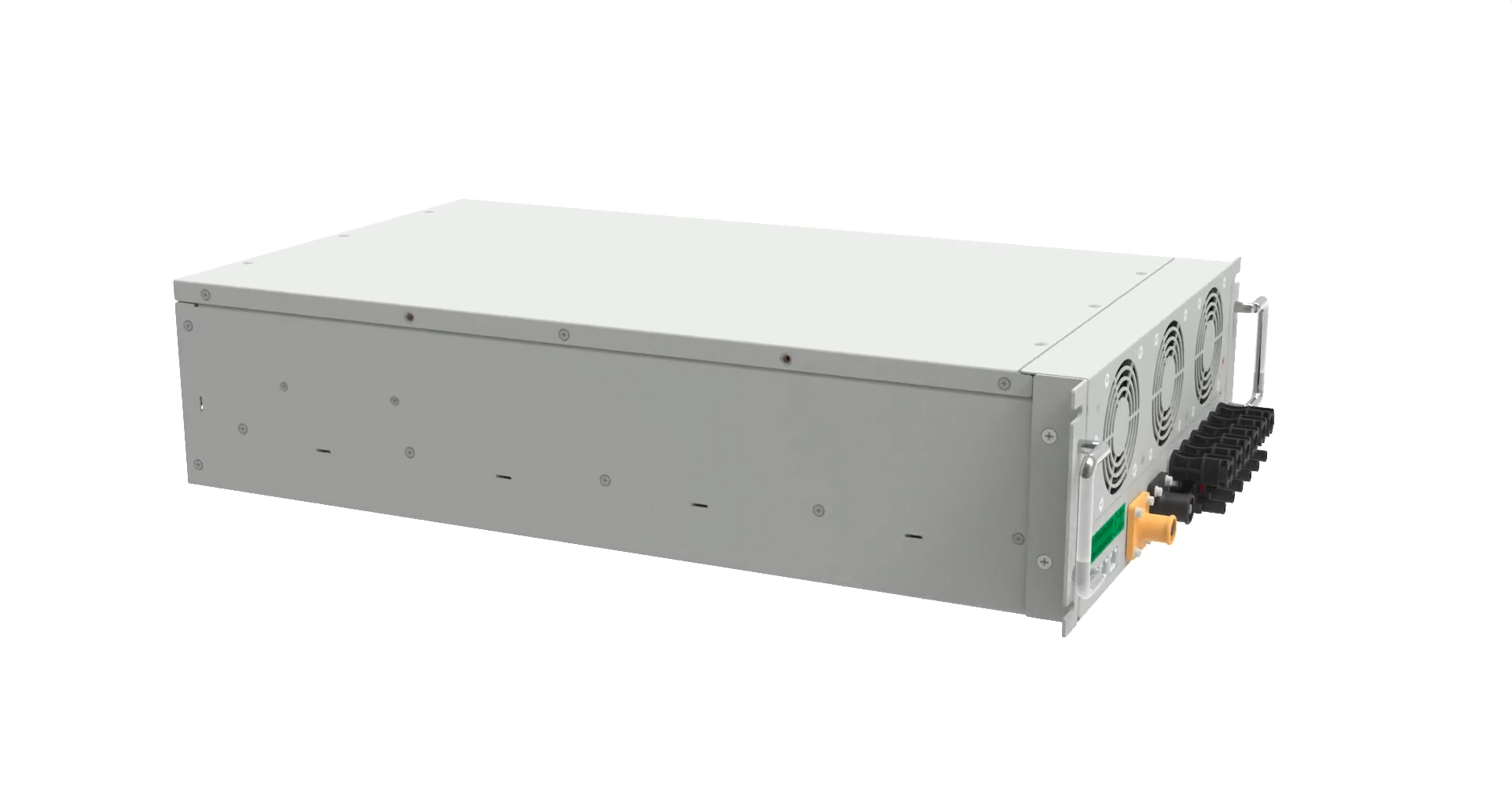
Utrzymanie płynów chłodzących do zanurzeniowego zasilania w energię przez długi czas wymaga systemowego podejścia obejmującego zapobieganie degradacji płynów, kontrolę zanieczyszczeń oraz optymalizację ich właściwości. W miarę jak centra danych i obiekty obliczeniowe o wysokiej wydajności coraz częściej wdrażają technologie chłodzenia zanurzeniowego, trwałość i skuteczność tych specjalistycznych płynów stają się kluczowymi czynnikami decydującymi o powodzeniu eksploatacji. Poprawne procedury konserwacji zapewniają, że systemy zanurzeniowego zasilania w energię nadal zapewniają optymalne zarządzanie ciepłem, minimalizując przy tym przestoje oraz koszty związane z koniecznością wymiany płynów.
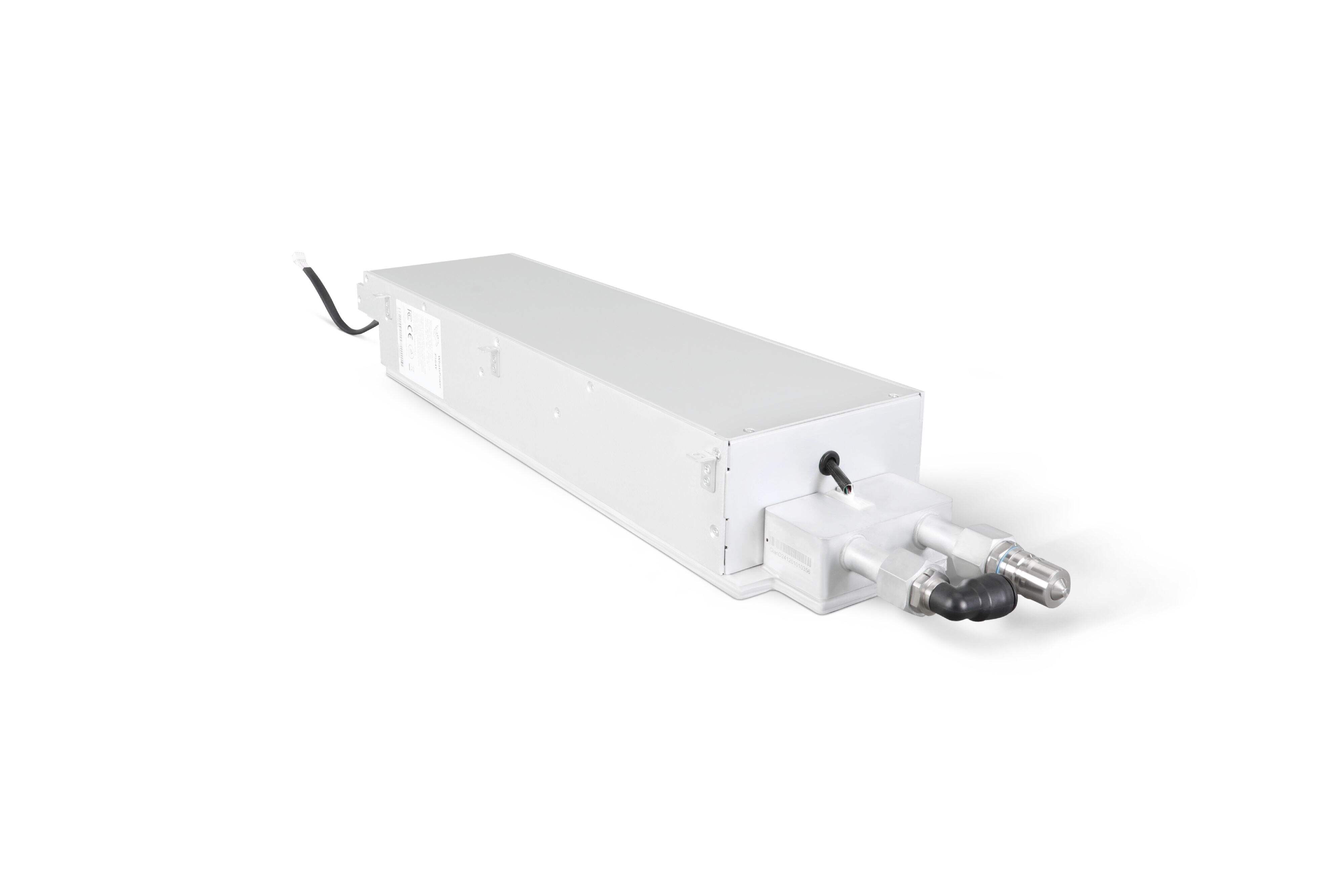
Podstawowym wyzwaniem w utrzymaniu tych cieczy jest zrozumienie ich stabilności chemicznej, właściwości termicznych oraz oddziaływania z elementami elektronicznymi w długim okresie czasu. Ciecze do chłodzenia przez zanurzenie w zasilaczach są narażone na ciągłe cyklowanie termiczne, potencjalne zanieczyszczenia pochodzące z różnych źródeł oraz stopniowe zmiany właściwości, które mogą wpływać na skuteczność chłodzenia. Kompleksowa strategia konserwacji uwzględnia te czynniki poprzez regularne monitorowanie, działania zapobiegawcze oraz strategiczne praktyki zarządzania cieczami, które pozwalają zachować charakterystyczne właściwości eksploatacyjne przez cały okres użytkowania systemu.
Zrozumienie mechanizmów degradacji cieczy
Procesy rozkładu chemicznego
Płyny chłodzące zanurzeniowe do zasilania ulegają różnym procesom degradacji chemicznej w trakcie normalnej eksploatacji, co bezpośrednio wpływa na ich długoterminową przydatność. Utlenianie stanowi jeden z głównych mechanizmów degradacji i zachodzi wtedy, gdy płyn reaguje z rozpuszczonym tlenem w układzie. Proces ten zwykle przyspiesza w wyższych temperaturach roboczych i może prowadzić do powstawania kwasów, polimerów oraz innych produktów ubocznych, które pogarszają właściwości płynu. Prędkość utleniania zależy od składu płynu, temperatury pracy oraz obecności materiałów katalizujących w układzie chłodzenia.
Rozkład termiczny stanowi kolejze istotne wyzwanie dla utrzymania wydajności zasilania chłodzenia zanurzeniowego. Gdy ciecze są narażone na podwyższone temperatury przez dłuższy czas, wiązania molekularne mogą ulec rozkładowi, tworząc mniejsze fragmenty cząsteczkowe, które zmieniają lepkość, właściwości dielektryczne oraz charakterystykę przekazywania ciepła. Proces ten jest szczególnie wyraźny w obszarach o najwyższej gęstości strumienia cieplnego, takich jak miejsca blisko elementów o dużej mocy lub obszary z niewystarczającą cyrkulacją cieczy. Zrozumienie tych granic termicznych pozwala określić odpowiednie parametry pracy oraz interwały konserwacji.
Hydroliza zachodzi, gdy wilgoć przedostaje się do systemu zasilania chłodzenia przez zanurzenie, powodując reakcję cząsteczek wody z składnikami płynu. Ta reakcja może prowadzić do powstania alkoholi, kwasów oraz innych związków, które pogarszają zarówno właściwości izolacyjne płynu, jak i jego stabilność chemiczną. Nawet niewielkie ilości wilgoci mogą wywołać reakcje hydrolizy, co czyni kontrolę zawartości wilgoci kluczowym aspektem długotrwałej konserwacji płynu. Prędkość hydrolizy zwykle wzrasta wraz ze wzrostem temperatury oraz obecności związków kwasowych lub zasadowych w systemie.
Zmiany właściwości fizycznych
Współczynnik lepkości płynów chłodzących do zanurzenia stopniowo zmienia się w czasie z powodu przestrzennego przemieszczania się cząsteczek, polimeryzacji oraz oddziaływania temperatury. Zwiększenie lepkości obniża wydajność wymiany ciepła poprzez ograniczanie cyrkulacji płynu oraz powodowanie wyższych spadków ciśnienia w układzie chłodzenia. Z kolei zmniejszenie lepkości może wynikać z rozkładu cząsteczkowego i prowadzić do niewystarczającego smarowania pomp oraz innych elementów mechanicznych. Regularne monitorowanie lepkości pozwala na wczesne wykrycie znaczącej degradacji płynu.
Właściwości dielektryczne ulegają ciągłej ewolucji w zastosowaniach zasilania z chłodzeniem przez zanurzenie, ponieważ ciecz oddziałuje z polami elektrycznymi i gromadzi zanieczyszczenia. Napięcie przebicia może zmniejszać się w czasie z powodu obecności cząstek przewodzących, wilgoci lub związków kwasowych powstających w wyniku procesów degradacji. Zmiany stałej dielektrycznej oraz współczynnika strat wpływają na wydajność elektryczną zanurzonych komponentów i mogą prowadzić do uszkodzeń izolacji, jeśli nie będą odpowiednio kontrolowane za pomocą procedur konserwacji.
Właściwości przenoszenia ciepła płynu mogą ulec pogorszeniu w wyniku zanieczyszczania, zmian chemicznych i gromadzenia się produktów degradacji. Zmniejszona przewodność cieplna i zmienione właściwości konwekcyjne bezpośrednio wpływają na wydajność chłodzenia. zasilacz chłodzony przez zanurzenie te zmiany mogą być stopniowe i trudne do wykrycia bez systematycznego monitoringu, co czyni konserwację zapobiegawczą niezbędną do utrzymania optymalnej wydajności cieplnej przez cały okres eksploatacji systemu.
Wdrażanie kompleksowych systemów monitoringu
Regularne protokoły analizy płynów
Ustanowienie systematycznego programu analizy płynów stanowi podstawę skutecznej konserwacji zasilaczy chłodzonych przez zanurzenie. Pobieranie próbek powinno odbywać się w regularnych odstępach czasu, zwykle co miesiąc lub co kwartał, w zależności od krytyczności systemu oraz warunków jego eksploatacji. Wiele punktów pobierania próbek w całym systemie zapewnia kompleksowe objęcie obszarów, w tym miejsc o wysokim strumieniu ciepła, ścieżek powrotu płynu oraz zbiorników magazynowych. Poprawne techniki pobierania próbek gwarantują reprezentatywne wyniki i zapobiegają zanieczyszczeniom, które mogłyby zaburzyć wyniki analizy.
Badania analityczne chemiczne powinny obejmować kluczowe parametry wskazujące na stan płynu oraz jego zdolność do wykonywania funkcji. Pomiar liczby kwasowej pozwala wykryć powstawanie związków kwasowych w wyniku reakcji utleniania lub hydrolizy. Liczba zasadowa całkowita wskazuje na pozostałą zdolność neutralizacyjną płynu, co umożliwia prognozowanie jego zdolności do hamowania dalszego tworzenia się kwasów. Pomiar lepkości w różnych temperaturach dostarcza informacji o stabilności termicznej oraz charakterystyce przepływu, które mają bezpośredni wpływ na wydajność zasilaczy z chłodzeniem przez zanurzenie.
Badania dielektryczne stanowią kluczowy element protokołu monitorowania płynów chłodzących zanurzeniowo zasilaczy. Badanie napięcia przebicia w warunkach standaryzowanych ujawnia zdolność płynu do wytrzymywania obciążenia elektrycznego bez uszkodzenia. Pomiar współczynnika strat dielektrycznych wskazuje na obecność zanieczyszczeń przewodzących lub związków polarnych, które mogą naruszyć izolację elektryczną. Badanie współczynnika mocy dostarcza dodatkowych informacji na temat właściwości elektrycznych płynu oraz pomaga w ustalaniu trendów w czasie.
Technologie monitoringu online
Zaawansowane systemy monitoringu online umożliwiają ciągłą ocenę stanu cieczy chłodzącej zanurzeniowo zasilania bez konieczności interwencji ręcznej. Czujniki przewodności zapewniają wykrywanie w czasie rzeczywistym zanieczyszczenia jonowego, które mogłoby naruszyć właściwości dielektryczne. Te czujniki mogą generować alerty po przekroczeniu ustalonych progów przewodności, umożliwiając natychmiastowe działania korekcyjne jeszcze przed wystąpieniem istotnych uszkodzeń. Integracja z systemami zarządzania obiektami umożliwia zautomatyzowane reakcje oraz dokumentowanie trendów zmian stanu cieczy.
Monitorowanie temperatury w całym systemie zasilania chłodzenia przez zanurzenie ujawnia wzorce rozkładu ciepła oraz identyfikuje obszary przegrzewania, które mogą przyspieszać degradację płynu. Wielopunktowe pomiar temperatury połączone z pomiarami przepływu zapewniają wgląd w skuteczność wymiany ciepła i wspomagają optymalizację schematów cyrkulacji. Obrazowanie termiczne może uzupełnić stałe czujniki, identyfikując obszary nieoczekiwanego wzrostu temperatury, które mogą wskazywać na powstające problemy z cyrkulacją płynu lub wymianą ciepła.
Systemy do liczenia cząstek i monitorowania zanieczyszczeń wykrywają cząstki stałe, które mogą pogorszyć zarówno wydajność cieplną, jak i elektryczną płynów chłodzących stosowanych w zanurzeniowym chłodzeniu zasilaczy. Online liczniki cząstek klasyfikują zanieczyszczenia według ich rozmiaru i stężenia, zapewniając wcześniejsze ostrzeżenie o awarii systemu filtracji lub zużyciu komponentów. Czujniki wilgotności stale monitorują zawartość wody, co jest kluczowe dla zapobiegania reakcjom hydrolizy oraz utrzymania właściwości dielektrycznych w zastosowaniach elektrycznych.
Strategie konserwacji preventive
Systemy filtracji i oczyszczania
Wdrażanie skutecznych systemów filtracji stanowi podstawę długotrwałego utrzymania płynu chłodzącego w zanurzeniowych zasilaczach. Wielostopniowe podejścia do filtracji eliminują różne typy zanieczyszczeń przy użyciu specjalistycznych ośrodków filtracyjnych oraz mechanizmów separacji. Filtracja mechaniczna usuwa cząstki stałe, które mogą zakłócać wymianę ciepła lub powodować zużycie ścierne pomp cyrkulacyjnych. Filtracja membranowa zapewnia wyższą skuteczność separacji, umożliwiając usunięcie cząstek o rozmiarach submikronowych oraz niektórych zanieczyszczeń rozpuszczonych, które przechodzą przez tradycyjne filtry.
Filtracja węglem aktywnym skupia się na zanieczyszczeniach organicznych oraz produktach degradacji, które mogą gromadzić się w układach zasilania chłodzenia przez zanurzenie wraz z upływem czasu. Układy te są szczególnie skuteczne w usuwaniu związków polarnych, kwasów oraz innych zanieczyszczeń chemicznych powstających w wyniku procesów utleniania i rozkładu termicznego. Regularna wymiana medium węglowego zapewnia utrzymanie skuteczności działania oraz zapobiega uwolnieniu wcześniej pochwyconych zanieczyszczeń z powrotem do strumienia cieczy.
Technologia sit molekularnych oferuje precyzyjną kontrolę zawartości wilgoci w cieczach chłodzących stosowanych w układach zasilania chłodzenia przez zanurzenie. Układy te pozwalają osiągnąć bardzo niskie stężenia wody, niezbędne do utrzymania optymalnych właściwości dielektrycznych oraz zapobiegania reakcjom hydrolizy. Regeneracyjne układy sit molekularnych zapewniają ciągłą pracę dzięki automatycznemu przełączaniu się między cyklami adsorpcji i regeneracji, co gwarantuje stałą kontrolę wilgoci bez konieczności postoju układu.
Programy zarządzania dodatkami
Strategiczne zarządzanie dodatkami przedłuża przydatny okres użytkowania płynów chłodzących zanurzeniowo w zasilaczach dzięki celowemu wzbogacaniu chemicznemu. Dodatki przeciwutleniające pomagają zapobiegać lub spowalniać reakcje utleniania prowadzące do powstawania kwasów i polimerów. Działają one poprzez przerywanie łańcuchowych reakcji rodników, które propagują degradację utleniającą, skutecznie przedłużając odporność płynu na rozkład termiczny i chemiczny w normalnych warunkach eksploatacji.
Dezaktywatory metali wiążą śladowe ilości metali, które mogłyby katalizować reakcje utleniania i inne procesy degradacji w systemach zanurzeniowego chłodzenia zasilaczy. Miedź, żelazo oraz inne metale mogą przedostać się do płynu w wyniku korozji elementów układu lub zewnętrznej kontaminacji, działając jako katalizatory przyspieszające procesy chemicznego rozkładu. Poprawna dezaktywacja metali wspomaga stabilność płynu i ogranicza tworzenie się produktów degradacji, które pogarszają jego właściwości eksploatacyjne.
Poprawiacze stabilności termicznej zwiększają zdolność płynu do wytrzymywania ekspozycji na wysokie temperatury bez istotnych zmian jego właściwości. Dodatki te są szczególnie wartościowe w zastosowaniach zasilania o chłodzeniu przez zanurzenie, gdzie lokalne obszary przegrzania lub przejściowe zdarzenia termiczne mogłyby w przeciwnym razie spowodować szybkie degradowanie płynu. Staranne dobór i dawkowanie tych dodatków zapewnia ich zgodność z zastosowaniami elektrycznymi oraz zwiększoną ochronę termiczną.
Techniki optymalizacji pracy
Protokoły zarządzania temperaturą
Skuteczne zarządzanie temperaturą znacząco wydłuża czas eksploatacji płynów chłodzących stosowanych w zanurzeniowym chłodzeniu zasilaczy, minimalizując naprężenia termiczne oraz szybkość degradacji. Ustalenie optymalnych zakresów temperatur roboczych na podstawie specyfikacji płynu i wymagań systemu pozwala osiągnąć równowagę między skutecznością chłodzenia a długotrwałą stabilnością płynu. Niższe temperatury robocze zazwyczaj zmniejszają szybkość reakcji chemicznych i wydłużają żywotność płynu, natomiast zbyt niskie temperatury mogą pogorszyć skuteczność wymiany ciepła oraz zwiększyć lepkość płynu powyżej dopuszczalnych granic.
Zarządzanie gradientem temperatury zapobiega lokalnemu przegrzewaniu, które może powodować szybki rozkład płynu w określonych obszarach systemu zasilania z zanurzeniem chłodzącym. Poprawnie zaprojektowana cyrkulacja zapewnia odpowiedni przepływ płynu przez obszary o wysokim strumieniu ciepła, zapobiegając powstawaniu gorących miejsc, które mogłyby przekroczyć granice stabilności termicznej płynu. Strategie wyrównywania temperatury pozwalają na bardziej jednorazowe rozprowadzanie obciążeń termicznych, zmniejszając temperatury szczytowe oraz minimalizując tworzenie się produktów degradacji termicznej.
Protokoły awaryjnej ochrony termicznej chronią płyny chłodzące w systemach zasilania z zanurzeniem podczas nietypowych warunków eksploatacji lub awarii systemu. Automatyczne monitorowanie temperatury z możliwością szybkiej reakcji pozwala zapobiec katastrofalnemu rozkładowi płynu w przypadku uszkodzeń sprzętu lub przeciążenia. Takie systemy powinny zawierać zarówno blokady sprzętowe, jak i monitorowanie oprogramowania, aby zapewnić niezawodną ochronę we wszystkich możliwych scenariuszach pracy.
Optymalizacja cyrkulacji i przepływu
Zoptymalizowane wzory cyrkulacji cieczy poprawiają zarówno wydajność chłodzenia, jak i długotrwałą stabilność cieczy w systemach zasilania z zanurzeniem. Poprawne zaprojektowanie przepływu zapobiega powstawaniu stref martwych, w których mogłyby się gromadzić zanieczyszczenia lub występować degradacja termiczna spowodowana niewystarczającym odprowadzaniem ciepła. Modelowanie dynamiki płynów przy użyciu metod obliczeniowych (CFD) pozwala określić optymalne wzory przepływu, które maksymalizują transfer ciepła oraz zapewniają odpowiednią wymianę cieczy w całej objętości systemu.
Systemy sterowania przepływem zmiennym dostosowują szybkość cyrkulacji do aktualnego obciążenia termicznego, ograniczając niepotrzebne obciążenie cieczy przy jednoczesnym utrzymaniu wystarczającej wydajności chłodzenia. Zmniejszona szybkość cyrkulacji w okresach niższego obciążenia termicznego minimalizuje zużycie mechaniczne pomp oraz zmniejsza naprężenia ścinające działające na ciecz chłodzącą w systemach zasilania z zanurzeniem. Takie podejście pomaga zachować właściwości cieczy, optymalizując jednocześnie zużycie energii oraz trwałość sprzętu.
Zarządzanie czasem przebywania cieczy zapewnia, że wszystkie części cieczy chłodzącej zanurzeniowo otrzymują wystarczające narażenie na systemy filtracji i kondycjonowania. Prawidłowe mieszanie i obieg zapobiegają powstawaniu warstwowania cieczy lub izolowanych obszarów, które mogłyby nie otrzymać odpowiedniej uwagi podczas konserwacji. Regularna analiza rozkładu wieku cieczy w całym systemie pomaga zoptymalizować schematy cyrkulacji oraz harmonogramy konserwacji.
Integracja i kompatybilność systemu
Ocena zgodności materiałów
Długotrwała zgodność między cieczami chłodzącymi zanurzeniowo a materiałami systemu wymaga starannego oceniania i ciągłego monitorowania. Uszczelki gumowe, korki uszczelniające oraz węże mogą ulec obrzękowi, utwardzeniu lub degradacji chemicznej po dłuższym narażeniu na określone formuły cieczy. Regularne inspekcje i badania tych komponentów pomagają zapobiegać wyciekom oraz zanieczyszczeniom, które mogłyby pogorszyć jakość cieczy i niezawodność systemu.
Korozja metali stanowi istotne zagrożenie dla systemów zasilania chłodzonych przez zanurzenie, szczególnie w przypadku obecności wilgoci lub związków kwasowych w cieczy. Korozja galwaniczna może wystąpić na styku różnych metali, powodując uwolnienie jonów metalu do cieczy, co może katalizować dalsze reakcje degradacji. Prawidłowy dobór materiałów, obróbka powierzchni oraz monitorowanie korozji pomagają zachować integralność systemu i jednocześnie utrzymać jakość cieczy.
Plastiki i materiały kompozytowe stosowane przy budowie zasilaczy chłodzonych przez zanurzenie mogą ulec pękaniu pod wpływem naprężeń, zmianom wymiarowym lub rozkładowi chemicznemu po narażeniu na określone ciecze. Testy zgodności w długotrwałych warunkach przyspieszonego starzenia pozwalają przewidywać zachowanie materiałów oraz ustalać odpowiednie interwały wymiany. Regularna kontrola elementów plastikowych pod kątem oznak degradacji zapobiega zanieczyszczeniom pochodzącym z produktów rozkładu polimerów.
Uwagi dotyczące komponentów elektronicznych
Składniki elektroniczne zanurzone w cieczach chłodzących muszą zachować swoja integralność elektryczną i mechaniczną przez cały okres eksploatacji. Powłoki ochronne (conformal coatings) oraz materiały do hermetyzacji mogą ulec degradacji po narażeniu na pewne składniki cieczy chłodzącej, co może spowodować odsłonięcie wrażliwych obwodów i doprowadzić do awarii elektrycznych. Regularne badania integralności powłok ochronnych oraz oporności izolacji komponentów umożliwiają wykrycie powstających problemów jeszcze przed wystąpieniem awarii systemu.
Materiały międzymetaliczne (TIM – thermal interface materials) umieszczone pomiędzy składnikami elektronicznymi a cieczami chłodzącymi zanurzeniowymi zasilającymi urządzenia elektroniczne mogą wpływać zarówno na skuteczność przenoszenia ciepła, jak i na długotrwałą niezawodność. Niektóre pasty lub kleje termoprzewodzące mogą rozpuszczać się lub ulec degradacji w obecności określonych cieczy chłodzących, co prowadzi do zanieczyszczenia i zmiany właściwości cieczy. Badania zgodności oraz regularne inspekcje połączeń termicznych zapewniają utrzymanie wymaganej wydajności oraz zapobiegają zanieczyszczeniu cieczy chłodzącej.
Niezbędna jest szczególna uwaga przy zapewnianiu niezawodności połączeń w środowiskach zanurzeniowych, aby zapobiec korozji i awariom elektrycznym. Spoiny lutowe, styki łączników oraz końcówki przewodów mogą ulec przyspieszonej korozji, jeśli ciecz chłodząca zanurzeniowa zasilacza zawiera wilgoć lub zostanie skażona związkami korozyjnymi.
Często zadawane pytania
Jak często należy badać ciecz chłodzącą zanurzeniową zasilacza pod kątem degradacji?
Częstotliwość badań zależy od krytyczności systemu oraz warunków eksploatacji, jednak pobieranie próbek co miesiąc zapewnia wystarczające monitorowanie w większości zastosowań. W przypadku systemów pracujących w wysokiej temperaturze lub pod dużym obciążeniem może być konieczne testowanie tygodniowe, podczas gdy stabilne systemy funkcjonujące w granicach projektowych często pozwalają na przedłużenie okresu między badaniami do trzech miesięcy. Systemy monitoringu online umożliwiają ciągłą ocenę stanu pomiędzy formalnymi okresami pobierania próbek, co pozwala na natychmiastową reakcję w przypadku powstających problemów.
Jakie są główne wskaźniki wskazujące na konieczność wymiany płynu chłodzącego zanurzeniowego zasilacza?
Główne wskaźniki wymiany obejmują znaczne zmiany lepkości, obniżenie napięcia przebicia, podwyższoną wartość liczby kwasowej lub obecność nadmiernego zanieczyszczenia, którego nie można usunąć za pomocą filtracji. Zmiany barwy, nietypowe zapachy lub powstawanie osadów również wskazują na zaawansowane zużycie płynu i konieczność jego wymiany. Degradacja wydajności cieplnej, mierzona np. poprzez wzrost temperatury lub obniżenie skuteczności wymiany ciepła, stanowi dodatkowe potwierdzenie potrzeby wymiany płynu.
Czy różne typy płynów chłodzących zanurzeniowych można mieszać podczas konserwacji?
Mieszanie różnych typów płynów zazwyczaj nie jest zalecane, chyba że zostało to wyraźnie zatwierdzone przez producenta płynu, ponieważ niezgodność może prowadzić do wytrącania osadów, zmian właściwości lub przyspieszonej degradacji. Nawet chemicznie podobne płyny mogą zawierać różne zestawy dodatków, które mogą negatywnie oddziaływać na siebie po zmieszaniu. Zazwyczaj wymagane jest pełne opróżnienie i przepłukanie układu w przypadku zmiany typu płynu, aby zapobiec problemom zgodności.
W jaki sposób wilgotność otoczenia wpływa na konserwację płynu chłodzącego zanurzeniowego zasilacza?
Wysoka wilgotność otoczenia zwiększa ryzyko przedostania się wilgoci do układu chłodzenia, co może przyspieszać reakcje hydrolizy oraz pogarszać właściwości dielektryczne. Prawidłowe uszczelnienie układu, zastosowanie sucharów odwilżających w zbiornikach rozszerzalności oraz kontrola wilgotności w pomieszczeniu pomagają zminimalizować przedostawanie się wilgoci. Regularne monitorowanie zawartości wilgoci staje się jeszcze bardziej istotne w środowiskach o wysokiej wilgotności, aby zapobiec degradacji płynu oraz awariom elektrycznym.
Spis treści
- Zrozumienie mechanizmów degradacji cieczy
- Wdrażanie kompleksowych systemów monitoringu
- Strategie konserwacji preventive
- Techniki optymalizacji pracy
- Integracja i kompatybilność systemu
-
Często zadawane pytania
- Jak często należy badać ciecz chłodzącą zanurzeniową zasilacza pod kątem degradacji?
- Jakie są główne wskaźniki wskazujące na konieczność wymiany płynu chłodzącego zanurzeniowego zasilacza?
- Czy różne typy płynów chłodzących zanurzeniowych można mieszać podczas konserwacji?
- W jaki sposób wilgotność otoczenia wpływa na konserwację płynu chłodzącego zanurzeniowego zasilacza?