
 EN
EN
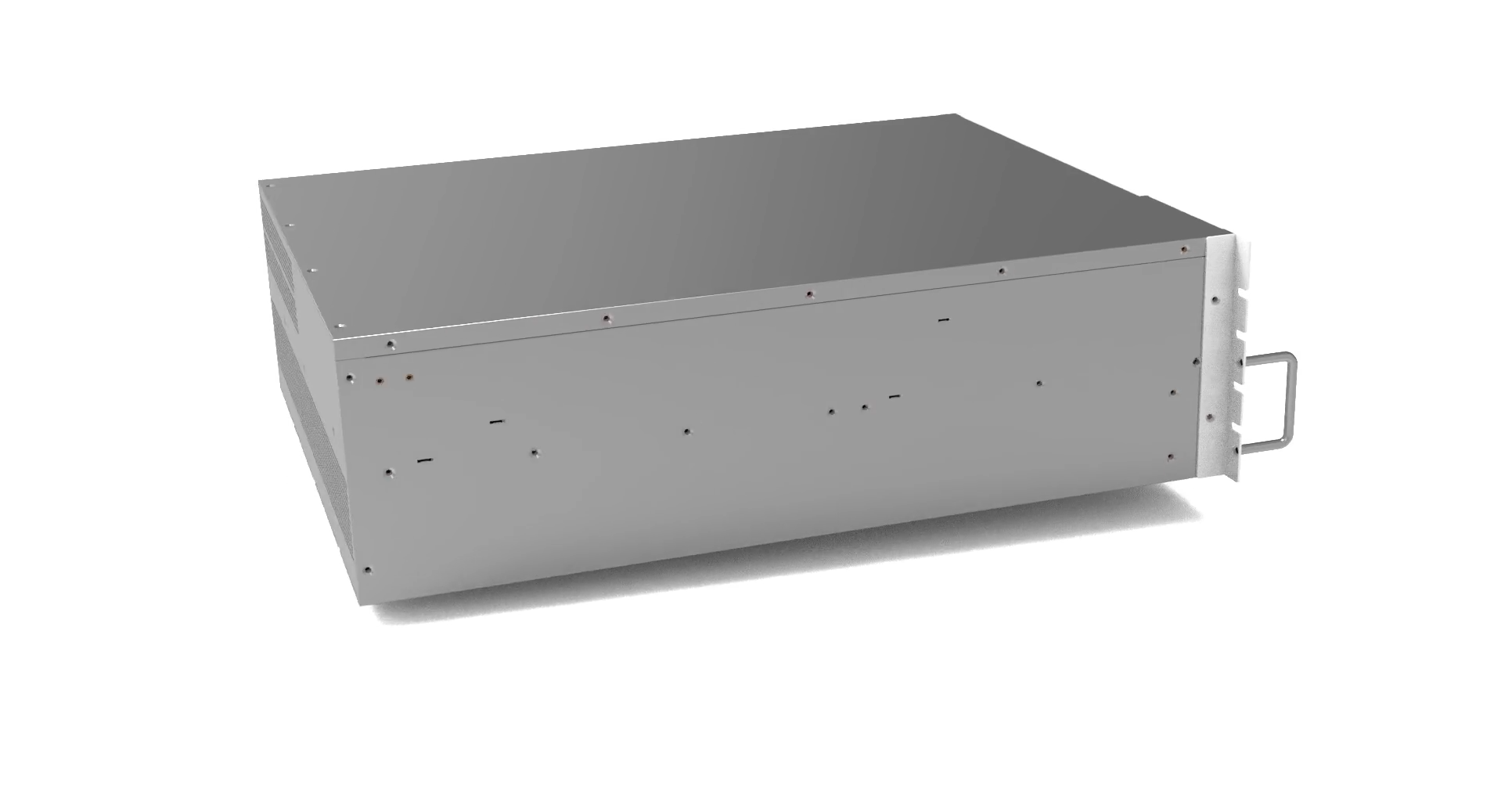
Yüksek performanslı yapay zeka altyapısı için doğru daldırma soğutmalı güç kaynağı seçimi, hem termal yönetim dinamiklerini hem de elektriksel performans özelliklerini kapsamlı bir şekilde anlama gerektirir. Yapay zeka iş yükleri hesaplama sınırlarını sürekli zorlamaya devam ettikçe, geleneksel hava soğutmalı güç dağıtım sistemleri, yoğun olarak yerleştirilmiş işlemci dizileri ve hızlandırılmış hesaplama ortamlarının gereksinimlerini karşılamakta giderek daha fazla zorlanmaktadır. Daldırma soğutma teknolojisinin entegrasyonu, güç kaynaklarının yapay zeka veri merkezleri ve uç bilişim tesislerinde nasıl tasarlanması, belirlenmesi ve dağıtılması gerektiğine dair temel bir değişim yaratır.
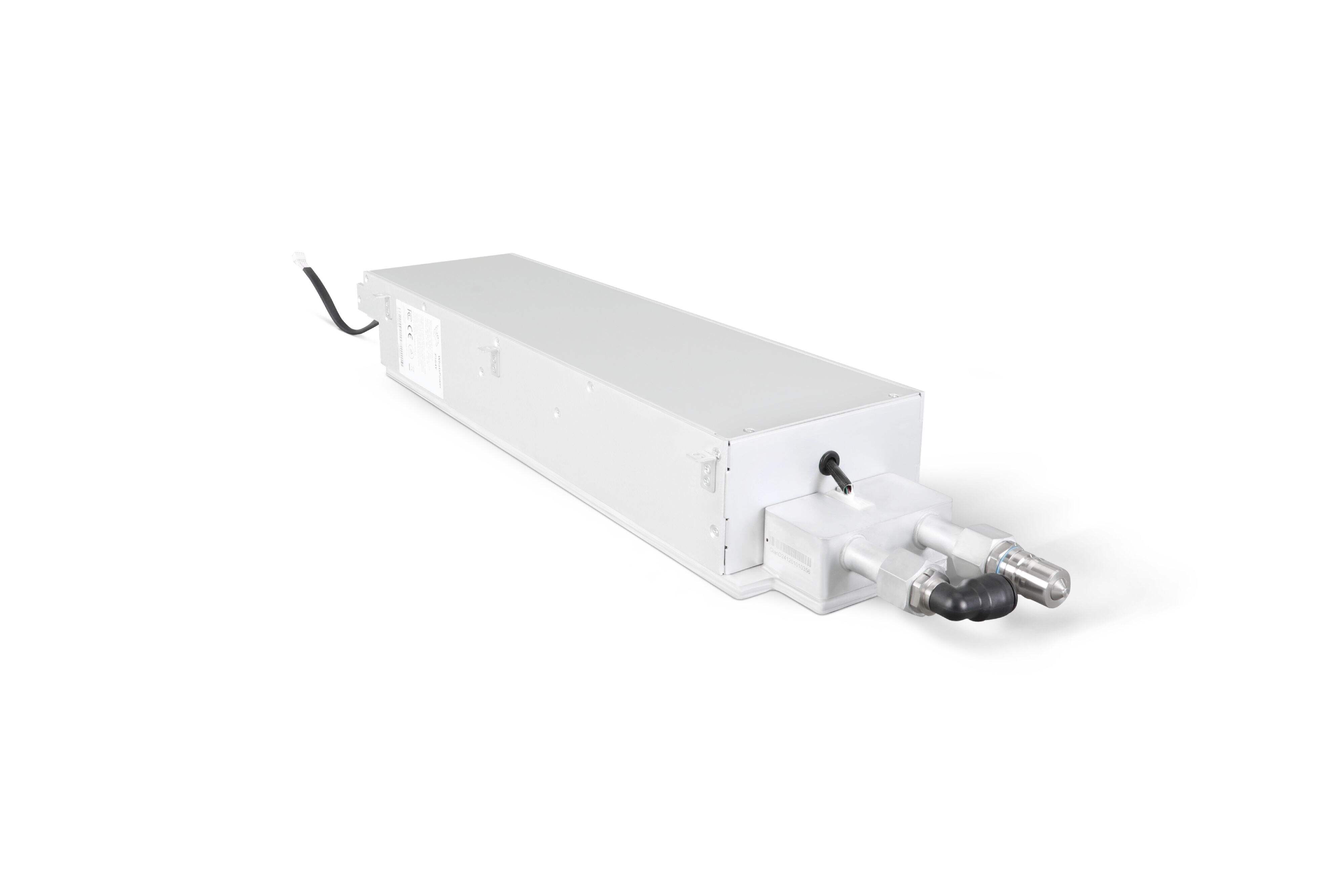
Bir daldırma soğutma güç kaynağı seçimi, basit wattaj hesaplamaları ve verimlilik derecelendirmelerini aşarak termal uyumluluk, dielektrik sıvı etkileşimi, konektör sızdırmazlık gereksinimleri ve dalma koşulları altında işlevsel güvenilirlik gibi unsurları da kapsar. Daldırma ortamlarında yapay zekâ sistemleri kurmakla görevli mühendisler, elektronik bileşenlere doğrudan temas eden sıvı soğutma ortamlarıyla etkileşim kurarken performans bütünlüğünü koruyan güç kaynağı mimarilerini değerlendirmelidir. Bu karar verme süreci, teknik özelliklerin toplam sahip olma maliyeti, termal verimlilik kazanımları ve daldırılmış bilişim ortamlarına özgü uzun vadeli bakım gereksinimleriyle dengelenmesini gerektirir.
Yapay Zekâ İş Yükleri İçin Daldırma Soğutma Güç Kaynağı Mimarisi Hakkında Bilgi Edinme
Geleneksel Güç Kaynaklarından Temel Tasarım Farkları
Daldırma soğutmalı güç kaynağı, ısı dağıtım stratejisi ve bileşen koruma yaklaşımı açısından geleneksel hava soğutmalı ünitelerden temelde farklılık gösterir. Isı emici yüzeyler ve fanlar aracılığıyla zorlamalı hava konveksiyonuna dayanmak yerine, bu özel güç kaynakları ya dielektrik sıvı banyosunun kendisinin içinde çalışır ya da sızdırmaz bağlantılar aracılığıyla doğrudan daldırma soğutmalı sistemlerle entegre olur. Aktif soğutma fanlarının ortadan kaldırılması mekanik arıza noktalarını azaltırken, soğutma sıvısıyla doğrudan termal bağlantının kurulması, bileşen birleşim sıcaklıklarının daha düşük seviyede tutulmasını sağlayarak sürekli yüksek güçte çalışma imkânı sunar. Güç kaynağı tasarımcıları, genellikle mineral yağlardan mühendislikle geliştirilmiş florokarbonlara kadar değişen dielektrik sıvıların termal iletkenlik özelliklerini dikkate almak zorundadır; her biri farklı ısı transfer katsayılarına ve elektriksel yalıtım özelliklerine sahiptir.
Bir elektriksel topoloji daldırma soğutmalı güç kaynağı dielektrik sıvılar içinde batırılmasından kaynaklanan benzersiz elektriksel ortama uyum sağlamalıdır. Bileşen seçimi, uzun süreli sıvı maruziyetine dayanıklı malzemeleri ve kaplama maddelerini önceliklendirir; bu da yalıtım sistemlerinin ve lehim bağlantılarının bütünlüğünün bozulmasını önler. Transformatör çekirdekleri, kondansatör dielektrikleri ve yarı iletken ambalajları, daldırma hizmeti için nitelendirilmelidir; çünkü standart bileşenler, soğutma sıvılarına sürekli maruz kaldıklarında hızlandırılmış yaşlanma veya performans kaymaları yaşayabilir. Güç dönüştürme aşamaları genellikle geliştirilmiş termal yönetim yeteneklerine göre optimize edilmiş topoloji varyasyonlarını kullanır; bu da hava soğutmalı eşdeğerlerin güvenle sürdürebileceğinden daha yüksek anahtarlama frekansları ve güç yoğunluklarına olanak tanır.
Yapay Zeka İşlem Birimleri İçin Gerilim ve Akım Teslimat Gereksinimleri
Yüksek performanslı yapay zeka hızlandırıcıları, son derece düşük çıkış dalgalanması ve hızlı geçici tepki yetenekleriyle hassas gerilim regülasyonu gerektirir. Modern sinir ağı işlemcileri, hesaplama patlamaları sırasında anlık olarak birkaç yüz amperin üzerinde akım çekerken bir volttan daha düşük çekirdek gerilimlerinde çalışır. Bu yükleri besleyen daldırma soğutmalı güç kaynağı, bir nanosaniyede bir amperden fazla oranlarda değişebilen yük geçişleri sırasında milivolt düzeyinde doğrulukla sıkıca regüle edilmiş gerilim hatları sağlamalıdır. Güç dağıtım mimarisi, güç kaynağı çıkışı ile işlemci güç bağlantı noktaları arasındaki empedansı en aza indirmelidir; bu genellikle daldırma tankı içinde kendisine yerleştirilen dağıtılmış yük noktasında dönüştürme aşamaları gerektirir.
Bir daldırma soğutma güç kaynağısının mevcut teslim kapasitesi, belirli bir soğutma tankı hacmi içinde elde edilebilecek hesaplama yoğunluğunu doğrudan belirler. Yapay zekâ eğitimi kümeleri, genellikle paylaşılan daldırma banyoları içinde birden fazla işlemci kartını bir araya getirir ve bu durum her tank başına onlarca ile yüzlerce kilowatt arasında değişen birikimli güç taleplerine neden olur. Güç kaynağı seçimi, yalnızca sürekli durumda güç teslimini değil, aynı zamanda birden fazla işlemcinin eşzamanlı tepe yüklenmesinin istatistiksel olasılığını da göz önünde bulundurmalıdır. Doğru teknik özellik belirtimi, iş yükü güç profillerinin ayrıntılı analizini gerektirir; bu analiz, ortalama kullanım faktörlerini, ani yüklenme sürelerinin karakteristik özelliklerini ve toplam akım talep desenlerini etkileyen paralel işleme görevleri arasındaki korelasyonu içerir.
Güç ve Soğutma Sistemi Arasındaki Isıl Arayüz Hususları
Daldırma soğutmalı bir güç kaynağı ile dielektrik akışkan arasındaki termal arayüz, dikkatli mühendislik gereken kritik bir performans sınırını temsil eder. Daldırma tankının dışına monte edilen güç kaynakları, kendileri tarafından üretilen ısıyı, akışkan kirliliğini önlemek ve termal verimliliği korumak amacıyla sızdırmaz geçiş bağlantıları veya özel soğutma devreleri aracılığıyla aktarmalıdır. İçeride yerleştirilmesi bu arayüz karmaşıklığını ortadan kaldırır; ancak bakım, izleme ve hassas kontrol devrelerine akışkanın girmesine karşı koruma gibi zorluklar yaratır. Dışarıda veya içeride montaj seçeneği arasındaki karar, seçim kriterlerini ve mevcut ürün seçeneklerini temelden şekillendirir.
Daldırma soğutma güç kaynağından dielektrik akışkana iletilen ısı atılımı, genel termal yönetim sistemi kapasitesi bağlamında değerlendirilmelidir. Güç kaynağının harcadığı her watt, soğutma altyapısının uzaklaştırmak zorunda olduğu ek bir termal yükü temsil eder ve bu durum, yapay zekâ işlemcileri için mevcut net soğutma kapasitesini doğrudan etkiler. Yüksek verimli güç dönüştürme topolojileri bu parazitik ısı katkısını en aza indirir; ancak %95 verimle çalışan güç kaynakları bile kilowatt seviyesinde güçlerde önemli miktarda termal çıktı üretir. Sistem tasarımcıları, güç kaynağının ısı üretimini, akışkan dolaşım desenlerini, ısı değiştirici kapasitesini ve daldırma tankı içindeki sürekli durum sıcaklık tabakalaşmasını da hesaba katan kapsamlı termal modellere entegre etmelidir.
Yapay Zekâ Daldırma Güç Kaynağı Seçimi İçin Kritik Teknik Özellikler
Güç Yoğunluğu ve Form Faktörü Optimizasyonu
Güç yoğunluğu, alan kısıtlamaları olan yapay zekâ altyapısında kullanılan daldırma soğutmalı güç kaynağı için temel bir seçim kriterini temsil eder. Hacimli ısı emicilerin ve zorlamalı hava soğutma sistemlerinin ortadan kaldırılması, daldırma soğutmasına uyumlu güç kaynaklarının geleneksel tasarımlara kıyasla iki ila dört kat daha yüksek hacimsel güç yoğunluklarına ulaşmasını sağlar. Bu küçültme avantajı, veri merkezi yerleşimleri içinde daha esnek yerleştirme seçenekleri sunar ve güç dönüştürme ekipmanlarına ayrılan toplam alanı azaltır. Ancak tasarımcılar, yoğunluk kazançlarını bakım erişilebilirliği, izleme bağlantı noktaları ve olası gelecekteki kapasite genişletme ihtiyaçları gibi gereksinimlerle dengelemelidir.
Daldırma soğutmalı güç kaynağı pazarında form faktörü standardizasyonu hâlâ sınırlı kalmaktadır; çoğu birim, belirli tank geometrilerine ve montaj yapılarına özel olarak uyarlanmış özel veya yarı özel mekanik tasarımlara dayanmaktadır. Daldırma uygulamaları için uyarlanmış raf montaj formatları genellikle yüksek nem oranına sahip soğutma tanklarının yanındaki ortamlarda çalışmayı sağlayan sızdırmaz konektör grupları ve konformal kaplamalar içerir. Mekanik tasarım, havaya kıyasla önemli ölçüde daha yüksek yoğunluğa sahip dielektrik akışkanların ağırlığını ve hacmini karşılayabilmelidir; bu da muhafazalar ve montaj yapıları üzerinde statik basınç yükleri oluşturur ve bu yükler geleneksel kurulumlarda karşılaşılan yükleri aşar.
Verimlilik ve Isı Üretimi Yönetimi
Dönüştürme verimliliği, daldırma soğutma güç kaynağı uygulamaları için hem işletme maliyetini hem de termal yönetim sistemi boyutlandırmasını doğrudan etkiler. On kilowattlık güç seviyesinde bir yüzdelik nokta verimlilik artışı, ısı atılmasını yüz watt azaltır; bu da soğutma altyapısı kapasite gereksinimlerinde ve sürekli enerji giderlerinde ölçülebilir azalmalara yol açar. Silisyum karbür ve galyum nitrür yarı iletkenlerini kullanan modern yüksek verimli topolojiler, yüzde doksan altıdan fazla tepe verimliliklere ulaşabilmektedir; ancak verimlilik, yük aralığı boyunca önemli ölçüde değişmektedir. Seçim işlemi, yalnızca tepe verimlilik özelliklerine dayanmak yerine, öngörülen yük profilleriyle eşleştirilmiş verimlilik eğrilerinin analiz edilmesini gerektirir.
Bir daldırma soğutmalı güç kaynağına ait ısı üretimi özellikleri, soğutma sistemi içindeki akışkan sıcaklık artışını ve dolaşım gereksinimlerini etkiler. Yoğunlaşmış ısı dağılımı gösteren güç kaynakları, yerel sıcaklık gradyanlarına neden olur ve bu gradyanlar, akışkanın artırılmış dolaşımını veya ısı değiştirici girişlerine göre stratejik yerleştirilmesini gerektirebilir. Çoklu dönüştürme aşamaları boyunca dağıtılmış ısı üretimi daha homojen bir termal yük oluşturur; ancak bu durum termal modelleme ve izleme açısından karmaşıklığı artırır. Mühendisler, güç kaynaklarını daldırma tankı tasarımlarına entegre ederken ve yardımcı soğutma ekipmanlarının boyutlandırılması yapılırken hem güç kaynağının ısı atma miktarını hem de bu ısı atmanın uzamsal dağılımını göz önünde bulundurmak zorundadır.
Elektriksel Koruma ve Arıza Yanıt Yetenekleri
Görev-kritik AI iş yüklerini destekleyen bir daldırma soğutmalı güç kaynağı için kapsamlı elektriksel koruma özellikleri hayati öneme sahiptir. Aşırı gerilim koruması, arıza durumları veya başlatma geçici olayları sırasında hassas AI hızlandırıcıların zarar görmesini önler; buna karşılık aşırı akım sınırlaması, hem güç kaynağını hem de alt seviye ekipmanları kısa devre hasarlarından korur. Koruma tepki süresi, milisaniye düzeyinde tespit ve tepki verilmesi, felaket niteliğinde yarı iletken eklem arızalarını önlemek için kritik hâle geldiği düşük gerilimli, yüksek akımlı uygulamalarda özellikle önem kazanır. Gelişmiş güç kaynakları, koruma olaylarına dönüşmeden önce anormal çalışma koşullarını tespit eden tahminsel izleme özelliklerini içerir; bu da proaktif bakım müdahalelerine olanak tanır.
Arıza izolasyonu yetenekleri, tek bir daldırma soğutma güç kaynağı arızasının daha geniş sistem kesintilerine yayılmasını önleyip önlemediğini belirler. Aktif akım paylaşımıyla çalışan birden fazla paralel güç kaynağından oluşan yedekli güç mimarileri, tek bir ünitede arıza oluştuğunda azaltılmış kapasitede devam eden işlem imkânı sunarak arıza toleransı sağlar. Kontrol ve iletişim arayüzleri, yedekli güç kaynakları arasında koordine edilmiş işlemi desteklemeli; aynı zamanda dolaylı akımların veya gerilim çatışmalarının oluşmasını engelleyerek gereksiz koruma olaylarının tetiklenmesini önlemelidir. Seçim kriterleri, hem iç koruma mekanizmalarını hem de sağlam arıza yönetimi stratejilerini mümkün kılan dış sistem entegrasyon yeteneklerini değerlendirmelidir.
Dielektrik Soğutma Sıvılarıyla Uyumluluk Değerlendirmesi
Malzeme Uyumluluğu ve Uzun Vadeli Aşınma Direnci
Bir daldırma soğutma güç kaynağı ile seçilen dielektrik akışkan arasındaki malzeme uyumluluğu, temelde işletme güvenilirliğini ve kullanım ömrünü belirler. Farklı akışkan kimyasalları, güç elektroniğinde yaygın olarak kullanılan polimer yalıtım sistemleri, konformal kaplamalar ve elastomer contalarla farklı şekillerde etkileşime girer. Mineral yağlar, çoğu standart malzemeyle mükemmel uyumluluk sağlar ancak sınırlı termal performans sunar; buna karşılık mühendislikle geliştirilmiş florokarbonlar üstün soğutma kapasitesi sağlarken, yalıtım sistemlerinin şişmesini, yumuşamasını veya kimyasal bozunmasını önlemek için özel malzeme seçimi gerektirir. Üreticiler, onaylı akışkan türlerini ve akışkan katkı maddeleri veya kirleticilerle ilgili herhangi bir kısıtlamayı belirten ayrıntılı uyumluluk dokümantasyonu sağlamalıdır.
Dielektrik akışkanlara uzun süreli maruziyet, açıkça gözlemlenebilir bir bozulma olmasa bile, güç kaynağı bileşenlerinin elektriksel ve mekanik özelliklerinde ince değişikliklere neden olabilir. Kondansatör dielektrikleri, filtre performansını ve dalgalanma bastırma özelliklerini etkileyebilecek şekilde geçirgenlik veya enerji kaybı faktörü değerlerinde kaymaya uğrayabilir. Transformatör yalıtım sistemleri, delinme gerilimi paylarını ve termal yaşlanma oranlarını değiştiren kademeli nem emme veya plastikleştirici sızıntısı gibi süreçlere maruz kalabilir. Daldırma soğutmalı bir güç kaynağı seçimi süreci, veri merkezi uygulamaları için tipik olarak beş ila on yıl süren beklenen kullanım ömrüne karşılık gelen operasyonel zaman dilimleri boyunca kararlı performans gösterdiğini kanıtlayan hızlandırılmış yaşam testi verilerini içermelidir.
Dielektrik Dayanımı ve Elektriksel İzolasyon Gereksinimleri
Soğutma sıvılarının dielektrik dayanımı, daldırma soğutmalı bir güç kaynağı içinde enerjili bileşenler arasında ve güç kaynağı ile topraklanmış tank yapıları arasında elektriksel yalıtım sağlar. Çoğu mühendislikle geliştirilmiş dielektrik sıvı, hava ile karşılaştırıldığında çok daha yüksek olan, milimetrekare başına yirmi beş kilovoltu aşan delinme gerilimleri sunar; bu da yüksek gerilimli bileşenlerin daha yakın aralıklarla yerleştirilmesine ve daha kompakt tasarımlara olanak tanır. Ancak bu yalıtım, sıvının saflığına kritik derecede bağlıdır; çünkü partikül kirliliği ve çözünmüş nem, delinme dayanımını büyük ölçüde azaltır. Güç kaynağı tasarımları, işletme ömrü boyunca sıvının dielektrik özelliklerini koruyacak şekilde filtreleme düzenlemeleri ve nem yönetimi stratejileri içermelidir.
Daldırma soğutma güç kaynağı nitelendirilmesi için elektriksel izolasyon test protokolleri, yalnızca hava dielektriği test standartlarına dayanmak yerine gerçek işletme ortamını yansıtmalıdır. Test sıralamaları, akışkan içinde batırma koşullarında delinme gerilimini, kısmi deşarj başlangıç seviyelerini ve akışkan filmlerinin varlığında yalıtım yüzeyleri boyunca takip direncini değerlendirmelidir. İzolasyon sistemi, akışkanın tam işletme sıcaklık aralığında bütünlüğünü korumalıdır; bu aralık genellikle donmaya yakın soğuk başlatma koşullarından, termal yükün en yüksek olduğu durumlarda altmış derece Celsius veya daha yüksek sıcaklıklara kadar uzanır. Güç kaynağı seçimi, sıcaklık, kirlilik düzeyi ve gerilim stresi gibi en olumsuz durumların birleşimini göz önünde bulundurarak izolasyon paylarının yeterli kalmasını doğrulamayı gerektirir.
Isıl Performansın Akışkan Özelliklerine Uyumu
Bir daldırma soğutmalı güç kaynağı sisteminin termal performans optimizasyonu, bileşenlerin termal tasarımı ile seçilen dielektrik akışkanın özel ısı transfer karakteristikleri arasında uyum sağlamayı gerektirir. Daha yüksek termal iletkenliğe sahip akışkanlar, daha yüksek bileşen güç yoğunluklarına ve daha küçük termal kütle gereksinimlerine olanak tanırken, daha düşük iletkenliğe sahip akışkanlar, bileşen sıcaklıklarını kabul edilebilir seviyelerde tutabilmek için daha büyük yüzey alanları veya geliştirilmiş taşınım stratejileri gerektirir. Akışkanın sıcaklık-viskozite ilişkisi, ısı üreten bileşenler etrafındaki doğal taşınım desenlerini etkiler; daha yüksek viskoziteli akışkanlar, kaldırma kuvvetine dayalı akışları zayıflatır ve bu durum, nominal olarak fan içermeyen tasarımlar içinde bile zorlamalı sirkülasyonun gerekliliğine neden olabilir.
Dielektrik akışkanın hacimsel ısı kapasitesi, yük değişimleri sırasında daldırma soğutmalı bir güç kaynağısının termal zaman sabitlerini ve geçici sıcaklık yanıtını etkiler. Yüksek ısı kapasitesine sahip akışkanlar, güç geçişleri sırasında bileşen sıcaklığı dalgalanmalarını bastıran termal tamponlama sağlar; bu da termal gerilimi azaltır ve işletme ömrünü potansiyel olarak uzatır. Buna karşılık, düşük ısı kapasitesine sahip akışkanlar ısı üretimi değişikliklerine daha hızlı tepki verir; bu durum daha hızlı termal düzenleme imkânı sunar ancak bileşenleri daha büyük sıcaklık dalgalanmalarına maruz bırakabilir. Seçim kriterleri, özellikle milisaniye ile dakika aralığında gerçekleşebilen, boşta ve tam güç durumları arasında hızlı geçişler içerebilen öngörülen yapay zekâ iş yükü modelleri bağlamında termal yanıt özelliklerini değerlendirmelidir.
Sistem Entegrasyonu ve Devreye Alım Konuları
Bağlantı Elemanı Contalama ve Akışkan İçerme Stratejileri
Daldırma soğutmalı güç kaynağı kurulumlarında en kritik güvenilirlik hususlarından biri bağlantı elemanı sızdırmazlığıdır. Güç bağlantıları, aynı anda yüzlerce amper taşıyabilen düşük dirençli elektrik yolları sağlamalı ve binlerce termal döngü ve yıllarca süren çalışma boyunca mutlak sıvı sızdırmazlığını korumalıdır. Sıkıştırma contaları, sızdırmaz arka kapaklar veya kaynaklı hermetik geçişler kullanan özel sızdırmaz bağlantı elemanı sistemleri, dış sızıntıya veya bitişik ekipmanın kirlenmesine yol açabilecek iletken yollar boyunca sıvı göçünü önler. Bağlantı elemanı teknolojisi, hem elektrik akım yoğunluğu gereksinimlerini hem de sıvı basıncı, sıcaklık değişimleri ve kurulum işlemlerinin getirdiği mekanik gerilmelere uyum sağlamalıdır.
Akışkanı içerme, birincil konektörleri aşarak, algılama hatları, iletişim arayüzleri ve izleme bağlantıları da dahil olmak üzere, daldırma soğutma güç kaynağı muhafazasına yapılan tüm geçişleri kapsar. Her geçiş, akışkan kimyasına ve basınç koşullarına uygun olarak seçilen uygun sızdırmazlık teknolojisi gerektiren potansiyel bir sızıntı yolu temsil eder. Kontrol ve izleme bağlantıları genellikle daldırma ortamında kullanım güvenilirliği kanıtlanmış sızdırmaz endüstriyel konektör standartlarını kullanırken, yüksek akımlı güç bağlantıları uygulamaya özel olarak geliştirilmiş özel sızdırmazlık çözümleri gerektirebilir. Sızdırmazlık stratejisi, zaman içinde sızdırmazlığın bozulmasına neden olabilecek çevrimsel mekanik gerilmelere yol açan iletkenler, sızdırmazlık malzemeleri ve muhafaza yapıları arasındaki farklı termal genleşmeyi göz önünde bulundurmalıdır.
İzleme ve Kontrol Arayüzü Entegrasyonu
Kapsamlı izleme yetenekleri, yapay zeka uygulamalarında bir daldırma soğutmalı güç kaynağına güvenilirlik kazandırmak ve performansını optimize etmek için hayati öneme sahiptir. Uzaktan izleme arayüzleri, dielektrik sıvı içinde batırılmış ekipmana fiziksel erişim gerektirmeden çıkış gerilimi ve akımı, iç sıcaklıklar, verimlilik metrikleri ile arıza durumuna ilişkin gerçek zamanlı görünürlük sağlar. Bina yönetim sistemleriyle ve yapay zeka altyapısı düzenleme platformlarıyla entegrasyonu destekleyen iletişim protokolleri, hesaplama iş yükü değişikliklerine ve termal koşullara tepki olarak güç dağıtımını optimize eden koordine edilmiş kontrol stratejilerinin uygulanmasını mümkün kılar. İzleme mimarisi, yaşlanma mekanizmaları ile yaklaşılmakta olan arıza modelleriyle ilişkili işletme parametrelerini izleyerek tahmine dayalı bakım süreçlerini desteklemelidir.
Kontrol arayüzü yetenekleri, bir daldırma soğutmalı güç kaynağına sahip sistemin yapay zekâ veri merkezlerindeki daha büyük güç yönetim hiyerarşilerine nasıl entegre edileceğini belirler. Gelişmiş güç kaynakları, işlemcilerin çalışma noktalarını verimlilik veya performans açısından ince ayarlamayı sağlayan dinamik çıkış gerilimi ayarlama özelliğini destekler. Akım sınırlama ve güç sınırlandırma fonksiyonları, devre kesicilerin açılmasını önleyen ve altyapı düzeyinde yük yönetimini sağlayan, ayrıca faydalı yük talep sınırları içinde çalışmayı sürdüren mekanizmalar sunar. Kontrol tepki süresi, hızlı güç ölçeklendirmesi uygulanan sistemlerde kritik hale gelir; çünkü komut girişi ile çıkış ayarı arasındaki gecikmeler gerilim geçici durumlarına neden olabilir ya da dinamik optimizasyon stratejilerinin etkinliğini sınırlayabilir.
Yedeklilik Mimarisi ve Hata Dayanıklılığı Tasarımı
Daldırma soğutma güç kaynağı dağıtımları için yedeklilik stratejileri, güvenilirlik artışını maliyet, karmaşıklık ve fiziksel alan kısıtlamalarına karşı dengelendirmelidir. Ortak bir yük barasına besleme yapan birden fazla kaynağın paralel yedekli yapılandırması, tek bir ünitenin arızalanması durumunda devam eden işlemi sağlayan N artı bir hata toleransı sağlar. Kaynaklar, paralel üniteler arasında yükü eşit şekilde dağıtan ve verimliliği düşüren iletim akımlarını önleyerek farklı yaşlanma oranlarına neden olan aktif akım paylaşım denetleyicilerine sahip olmalıdır. Sıcak tak-çıkart (hot-swap) özelliği, sistemin kapatılmasına gerek kalmadan arızalı ünitelerin değiştirilmesini sağlar; ancak bu, hassas yapay zekâ işlemcilerine zarar verebilecek gerilim geçici olaylarından kaçınmak için bağlantı ve bağlantının kesilmesi sıralamalarının dikkatli bir şekilde tasarlanmasını gerektirir.
Alternatif yedeklilik yaklaşımları, güç dağıtımını bağımsız bölgelere veya işlem kartlarına dağıtarak, tek bir güç kaynağı arızasının etkisini bilişim altyapısının izole edilmiş bölümlerine sınırlar. Bu mimari, toplam sistem hataya dayanıklılığını azaltarak patlama yarıçapını (etki alanını) daraltır; bu sayede arızalar sırasında kısmi kapasiteyle çalışma sağlanırken, birim başına gerekli akım derecelendirmelerinin azaltılmasıyla güç kaynağı seçimi kolaylaştırılır. Dağıtılmış yaklaşım, kısmi düğüm arızalarına tahammüllü kontrol noktası-yeniden başlatma mekanizmaları kullanan modern yapay zeka eğitimi mimarileriyle doğal olarak uyumlu çalışır. Merkezileştirilmiş yedekli ve dağıtılmış mimariler arasında seçim, hedef yapay zeka iş yükünün belirli güvenilirlik gereksinimlerine, bakım yeteneklerine ve hesaplama dayanıklılığı özelliklerine bağlıdır.
Performans Doğrulama ve Test Protokolleri
Gerçekçi Yapay Zeka İş Yükü Profilleri Altında Yük Testi
Bir daldırma soğutmalı güç kaynağına yönelik kapsamlı yük testi, basit sabit durumlu veya omik yükleme yerine gerçek AI iş yükü dinamiklerini temsil eden akım profillerini kullanmalıdır. Sinir ağı eğitimi ve çıkarımı işlemleri, hesaplama aşamaları arasında hızlı geçişler yaratan, birden fazla işlemci üzerinde korele yük adımları oluşturan periyodik senkronizasyon olayları ve veriye bağlı işlem sıralamalarından kaynaklanan anlık güçte istatistiksel değişkenlik gösteren karakteristik güç imzaları üretir. Test protokolleri, üretimdeki AI sistemlerinde gözlenen değişim oranlarını (slew rates), çalışma çevrimlerini (duty cycles) ve stokastik değişkenlik desenlerini yeniden oluşturabilen programlanabilir elektronik yükler kullanarak bu zamansal özellikleri yakalamalıdır.
Isıl testler, daldırma soğutmalı bir güç kaynağındaki belirtilen performansın, akışkan sıcaklığı değişiklikleri, ortam sıcaklığının uç değerleri ve sistem başlatılması veya yük geçişleri sırasında oluşan geçici ısıl koşullar da dahil olmak üzere tüm çalışma koşulları aralığında korunduğunu doğrular. Testler, maksimum yük, minimum akışkan debisi ve yüksek akışkan giriş sıcaklığı gibi en kötü durum kombinasyonları altında bile bileşen sıcaklıklarının sınırlı değerler içinde kaldığını doğrulamalıdır. Isıl görüntüleme ve entegre sıcaklık sensörleri, güvenilirlik tahminlerini destekleyen ve olası tasarım sınırlamalarını ortaya çıkaran sıcak nokta konumlarını ile sıcaklık gradyanlarını belgeler. Yüksek sıcaklıklarda uzun süreli testler, yaşlanma mekanizmalarını hızlandırarak kısa süreli niteliklendirme testleri sırasında ortaya çıkmayan bozulma biçimlerini ortaya çıkarır.
Daldırma Ortamlarındaki Elektromanyetik Uyumluluk
Daldırma soğutmalı bir güç kaynağı için elektromanyetik uyumluluk testi, dielektrik sıvılarda elektromanyetik alanların benzersiz yayılma özelliklerini ele almalıdır. Hava ile karşılaştırıldığında çoğu soğutma sıvısının daha yüksek geçirgenliği, anten karakteristiklerini ve güç kaynağı ile çevre ekipmanları arasındaki alan kuplaj mekanizmalarını değiştirir. İletilen emisyonlar testi, güç dağıtım ağlarına enjekte edilen dalgalanma ve anahtarlama gürültüsünü değerlendirir; bu gürültü, daldırma tankı içindeki hassas analog devreler veya haberleşme arayüzlerine kuplaj olabilir. Yayılan emisyonlar testi, hem hava hem de sıvı ortamlarındaki alan şiddetlerini karakterize eder ve düzenleyici sınırlara uyum sağlanması ile komşu elektronik sistemlerle uyumluluğun sağlanmasını garanti eder.
Elektromanyetik duyarlılık testi, bir daldırma soğutmalı güç kaynağına radyo frekansı alanları, elektrostatik deşarj olayları ve güç dağıtım şebekelerindeki geçici gerilimler gibi dış müdahale kaynaklarına maruz kaldığında kararlı çalışmasını sağladığını doğrular. Yapay zekâ veri merkezleri, anahtarlamalı güç kaynakları, değişken frekanslı sürücüler ve kablosuz iletişim sistemleri gibi çok sayıda elektromanyetik girişim kaynağı içerebilir. Güç kaynağı, çıkış gerilimi sapmaları, yanlış tetiklenen koruma devreleri veya kontrol sistemi bozulmaları göstermeden tüm çalışma modlarında bu girişim kaynaklarına karşı bağışıklık göstermelidir. Test protokolleri, sürekli girişimlere karşı bağışıklığı ve farklı koruma ile filtreleme mekanizmalarını zorlayan geçici bozulmaları kapsamlı şekilde ele almalıdır.
Güvenilirlik Testi ve Hızlandırılmış Ömür Doğrulaması
Bir daldırma soğutmalı güç kaynağı için güvenilirlik doğrulaması, yıllar süren işletme maruziyetini pratik test sürelerine sıkıştıran hızlandırılmış yaşam testi protokolleri gerektirir. Sıcaklık döngüleme testleri, birimleri işletme aralığını kapsayan tekrarlayan termal değişimlere tabi tutarak lehim eklemelerinde, bağlantı tellerinde ve malzeme arayüzlerinde hızlandırılmış oranlarda yorulma hasarı biriktirir. Güç döngüleme dizileri, tam yük ve hafif yük koşulları arasında alternatif olarak çalıştırılarak, yarı iletken cihazlarda ve manyetik bileşenlerde baskın yaşlanma mekanizmalarını harekete geçiren termal gradyanlar ile akım yoğunluğu değişiklikleriyle bileşenleri zorlar. Test tasarımı, ölçülebilir bir bozulma üretmek için yeterli stres döngüsü biriktirmeli; ancak normal işletme koşullarında ortaya çıkmayan arıza mekanizmalarına neden olan aşırı stres durumlarından kaçınmalıdır.
Uzun süreli sıvı maruziyeti testleri, uzun süreli daldırma dönemleri boyunca malzeme uyumluluğunu ve performans kararlılığını doğrular. Test üniteleri, temsilci dielektrik sıvılar içinde sürekli olarak çalışırken elektriksel parametrelerdeki, izolasyon direncindeki, dielektrik dayanımındaki ve mekanik özelliklerdeki değişimler izlenir. Düzenli aralıklarla yapılan sıvı analizleri, kirlilik oluşumunu, katkı maddesi tükenmesini ve tedarik bileşenlerinin bozulmasına işaret edebilecek kimyasal değişiklikleri takip eder. Sıvı durumundaki değişiklikler ile elektriksel performanstaki eğilimler arasındaki korelasyon, bakım aralığı önerilerini ve sıvı değiştirme programlarını belirler. Daldırma soğutmalı bir güç kaynağı seçimi yapılırken, hedeflenen kullanım ömrüne eşdeğer süreler boyunca kararlı performans gösterdiğini kanıtlayan hızlandırılmış yaşam testi verilerinin mevcudiyeti göz önünde bulundurulmalıdır.
SSS
Yapay zeka hızlandırıcılarına hizmet veren bir daldırma soğutmalı güç kaynağında hangi çıkış gerilimini belirtmeliyim?
Yapay zeka hızlandırıcılarının voltaj gereksinimleri işlemci mimarisine göre değişir; ancak çekirdek mantık hatları için tipik değerler genellikle 0,7 ila 1,2 volt arasındadır. Bellek ve arayüz devreleri için yardımcı voltajlar ise 1,8 ila 12 volt aralığında değişir. Sabit çıkış voltajları belirtmek yerine, günümüzdeki yapay zeka uygulamaları, performansı watt başına optimize etmek amacıyla dinamik voltaj ve frekans ölçeklemesini destekleyen ayarlanabilir voltaj kaynaklarını giderek daha fazla kullanmaktadır. İdeal özellik, hedef işlemcinizin kullandığı tüm çalışma noktalarını kapsayan programlanabilir bir voltaj aralığı ile artı/eksi on milivolttan daha iyi düzenleme doğruluğuna ve yük değişim hızı bir mikrosaniyede bir amperden fazla olduğunda bile voltajı tolerans sınırları içinde tutacak kadar hızlı geçici tepki süresine sahip olmalıdır. İşlemciniz birden fazla voltaj hattı gerektiriyorsa, sistemin mimarisini tek çıkışlı üniteleri zincirleme bağlamaya kıyasla daha basitleştiren, birden fazla bağımsız çıkış sunan kaynakları değerlendirin.
Daldırma soğutma, hava soğutmalı alternatiflere kıyasla güç kaynağı verimliliğini nasıl etkiler?
Daldırma soğutma, benzer güç seviyelerinde çalışan eşdeğer hava soğutmalı tasarımlara kıyasla, güç kaynağı verimliliğini yaklaşık bir ila üç oranında artırabilir. Bu iyileşme, üstün termal yönetim sayesinde bileşen sıcaklıklarının düşürülmesinden kaynaklanır; çünkü yarı iletken anahtarlama kayıpları, manyetik çekirdek kayıpları ve iletken direnç kayıpları, tümü sıcaklık azaldıkça azalır. Ancak verim avantajı, kullanılan sıvının özelliklerine büyük ölçüde bağlıdır; yüksek ısı iletim katsayısına sahip sıvılar, daha az etkili soğutma ortamlarına kıyasla daha büyük fayda sağlar. Verim karşılaştırması, sıvı pompalama sistemlerindeki parazit kayıpları da dikkate alınarak yapılmalıdır; bu kayıplar, doğrudan güç kaynağı verimliliğinde elde edilen kazançların bir kısmını yok edebilir. Toplam sistem verimliliği değerlendirilirken, soğutma fanlarının kaldırılmasıyla bunların tamamı için gerekli olan enerji tüketiminin ortadan kalktığı unutulmamalıdır; bu, soğutma gereksinimlerine bağlı olarak her güç kaynağında genellikle on ila elliyi geçmeyen watt tasarrufu sağlar ve bu, yalnızca dönüştürme verimliliğindeki küçük iyileşmeye kıyasla genel altyapı verimliliğine daha önemli bir katkı sağlar.
Standart bir güç kaynağı, daldırma soğutma uygulamaları için geriye dönük olarak donatılabilir mi?
Daldırma servisi için standart hava soğutmalı güç kaynaklarının yeniden donatılması genellikle önerilmez ve kapsamlı modifikasyonlar yapılmadan nadiren başarılabilir; bu modifikasyonlar aslında tam bir yeniden tasarım anlamına gelir. Standart güç kaynakları, hava dielektriği ile çalışacak şekilde seçilen malzemelerden ve bileşenlerden oluşur; bu malzemeler, yalıtım sistemleri, yapıştırıcılar ve elastomerik malzemeler dahil olmak üzere soğutma sıvılarına uzun süre maruz kalma durumunu tolere edemeyebilir ve daldırıldıklarında erken aşınma veya arıza gösterebilir. Geleneksel tasarımlarda entegre edilen soğutma fanları sıvı ortamlarında çalışamaz ve bunların kaldırılması, zorunlu hava soğutmasına dayalı olarak tasarlanmış bileşenler için yetersiz termal yönetim oluşturur. Transformatörler ve bobinler gibi bazı bileşenler sıvıya daldırılmaya dayanabilir olsa da, konektörler, muhafazalar ve koruma devreleri de dahil olmak üzere tam sistem entegrasyonu, güvenilir daldırma servisi için özel olarak tasarlanmış bir yapı gerektirir. Yapay zeka altyapısı için daldırma soğutma uygulamasını değerlendiren kuruluşlar, mevcut ekipmanların uyarlanmasını denemek yerine, özel olarak tasarlanmış daldırma soğutmalı güç kaynağı üniteleri için planlama yapmalıdır.
Daldırma soğutma sistemlerindeki güç kaynakları için hangi bakım gereksinimlerini beklemeliyim?
Daldırma soğutmalı bir güç kaynağı için bakım gereksinimleri, geleneksel sistemlerde önleyici bakım programlarını belirleyen soğutma fanları, hava filtreleri ve toz birikimi sorunlarının ortadan kaldırılması nedeniyle genellikle hava soğutmalı eşdeğerlerine kıyasla azalır. Temel bakım faaliyetleri, dielektrik akışkan kalitesini periyodik analiz ve gerektiğinde süzme veya değiştirme yoluyla izlemeye ve sürdürmeye odaklanır; ancak bu işlem, güç kaynağına özel bir bakım değil, sistem düzeyinde bir görevdir. Elektrik bağlantılarının önerilen aralıklarla denetlenmesi, sızdırmaz konektörlerin bütünlüğünü koruduğunu ve iletken yollar boyunca herhangi bir akışkan göçü yaşanmadığını doğrular. Çıkış gerilimi doğruluğu, verimlilik ölçümleri ve iç sıcaklıklar gibi eğilim verilerinin izlenmesi, arızalar meydana olmadan önce tahmine dayalı bakım müdahalelerine olanak tanır. Çoğu daldırma soğutmalı güç kaynağı kurulumu, bakım aralıklarını aylar yerine yıllar cinsinden gerçekleştirmeyi sağlar; doğru şekilde belirtildiğinde ve tasarım parametreleri içinde işletildiğinde ortalama arıza aralığı (MTBF) genellikle 100.000 saati aşar ve bu da fanlı soğutmalı alternatifleri bakımıyla karşılaştırıldığında işletme maliyetlerini önemli ölçüde azaltır.
İçindekiler Tablosu
- Yapay Zekâ İş Yükleri İçin Daldırma Soğutma Güç Kaynağı Mimarisi Hakkında Bilgi Edinme
- Yapay Zekâ Daldırma Güç Kaynağı Seçimi İçin Kritik Teknik Özellikler
- Dielektrik Soğutma Sıvılarıyla Uyumluluk Değerlendirmesi
- Sistem Entegrasyonu ve Devreye Alım Konuları
- Performans Doğrulama ve Test Protokolleri
-
SSS
- Yapay zeka hızlandırıcılarına hizmet veren bir daldırma soğutmalı güç kaynağında hangi çıkış gerilimini belirtmeliyim?
- Daldırma soğutma, hava soğutmalı alternatiflere kıyasla güç kaynağı verimliliğini nasıl etkiler?
- Standart bir güç kaynağı, daldırma soğutma uygulamaları için geriye dönük olarak donatılabilir mi?
- Daldırma soğutma sistemlerindeki güç kaynakları için hangi bakım gereksinimlerini beklemeliyim?