
 EN
EN
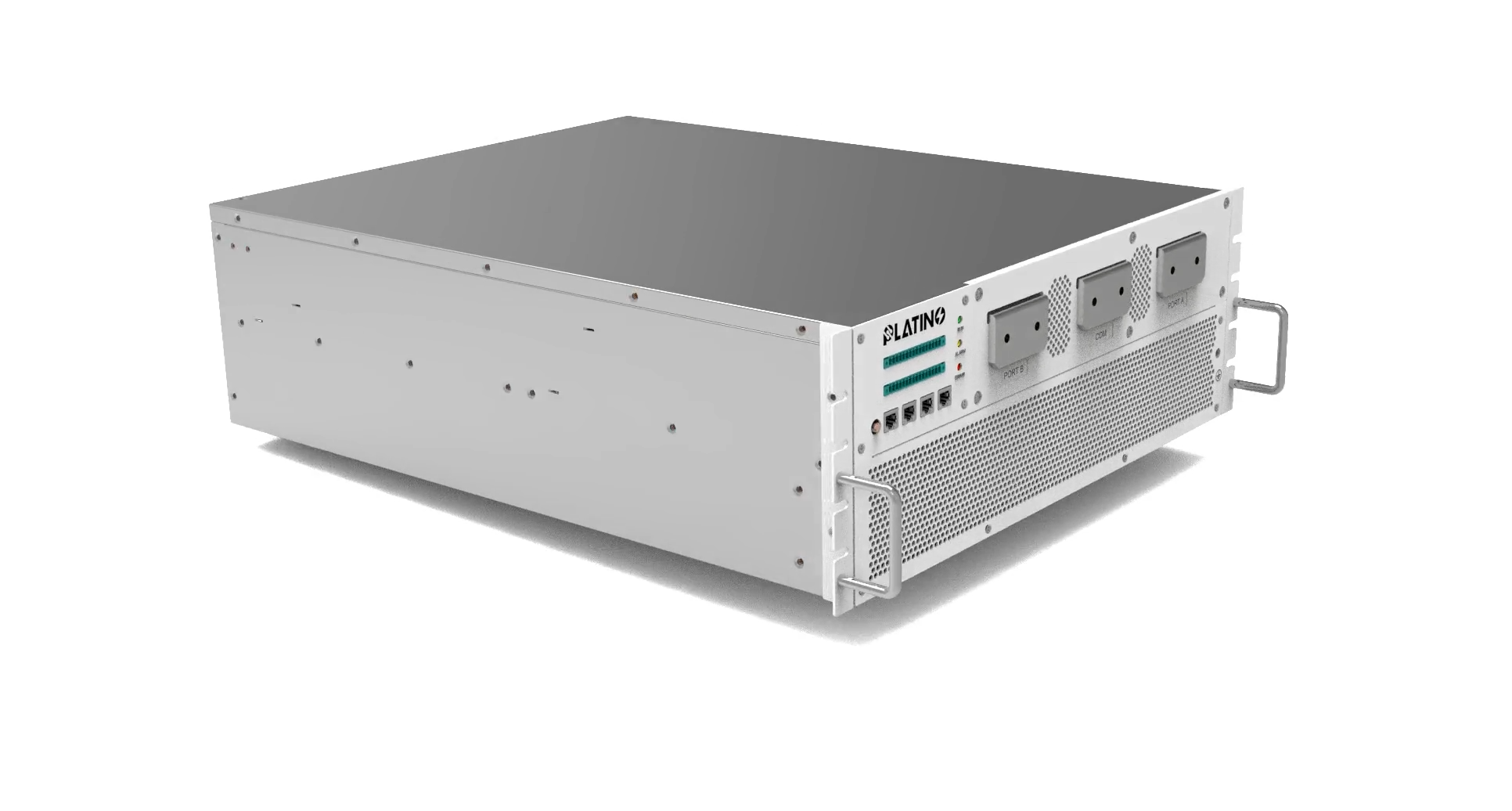
Choosing the right modular power conversion system is one of the most consequential decisions in designing a scalable energy storage project. A modular power conversion system connects the battery bank to the AC grid, managing bidirectional energy flow, grid synchronization, and protection functions. When the system is modular, it also allows engineers to expand capacity incrementally, reduce single-point failure risk, and simplify maintenance cycles. Getting this selection right from the beginning determines whether the storage asset will perform reliably across its entire operational life.
Selecting a modular power conversion system involves evaluating far more than rated power output. Factors such as scalability architecture, grid code compliance, thermal management, communication protocol support, and control flexibility all shape the long-term suitability of a modular power conversion system for a given application. This guide walks through the critical selection criteria that engineering teams and procurement managers should apply when evaluating a modular power conversion system for battery energy storage deployments.
Understanding Scalability Architecture in a Modular Power Conversion System
Parallel Stacking and Capacity Expansion
The defining advantage of a modular power conversion system is its ability to scale capacity without replacing existing hardware. A well-designed modular power conversion system supports parallel stacking of individual power modules, enabling the total rated output to grow in discrete increments as project demand increases. Engineers should verify that each modular power conversion system supports hot-swappable or parallel-expandable modules without requiring full system shutdown during expansion. This capability is critical for projects where phased deployment is planned from the outset.
When evaluating the scalability of a modular power conversion system, confirm the maximum number of parallel modules the architecture supports. A modular power conversion system that limits parallel stacking to a small number of units will create a hard ceiling on future expansion. Projects targeting utility-scale storage may require a modular power conversion system that supports tens of parallel modules, while commercial and industrial applications may need only two to four. Matching the scalability ceiling of the modular power conversion system to the project growth plan prevents premature obsolescence.
Single-Point Failure Reduction
A modular power conversion system distributes load across multiple independent converters, which means that if one module experiences a fault, the remaining modules in the modular power conversion system continue to operate. This redundancy is not automatic in all designs. Engineers should confirm that the modular power conversion system uses independent power stages with isolated fault domains. A modular power conversion system that shares a common DC bus without module-level isolation may still propagate faults across the entire system, negating the redundancy benefit. True fault tolerance in a modular power conversion system requires that each module can be isolated and bypassed electronically during operation.
Grid Compatibility and Control Performance
Grid Code Compliance for a Modular Power Conversion System
Grid interconnection requirements vary significantly by region, and a modular power conversion system must satisfy the applicable grid codes for the installation site. Key capabilities to verify include reactive power support, low-voltage ride-through, frequency response, and islanding detection. A modular power conversion system that lacks adequate reactive power control may fail grid interconnection approval in markets with strict utility requirements. Before finalizing any modular power conversion system selection, confirm that the unit holds certifications such as UL 1741 SA, IEEE 1547, IEC 62109, or the relevant regional equivalent. These certifications demonstrate that the modular power conversion system has been independently tested against grid interconnection standards.
Control Flexibility and Communication Protocols
A modular power conversion system must integrate cleanly into the broader energy management system of the storage project. Evaluate the communication protocols supported by the modular power conversion system, including Modbus RTU, Modbus TCP, CANbus, and IEC 61850. A modular power conversion system that supports only one or two legacy protocols may create integration barriers when connecting to modern EMS platforms or SCADA systems. Advanced control features such as peak shaving, frequency regulation, and virtual inertia emulation require a modular power conversion system with fast response times and programmable control loops. Response time specifications of the modular power conversion system should be validated against the use case requirements rather than accepted at face value from datasheets.
Thermal Management and Deployment Environment Fit
Cooling Design in a Modular Power Conversion System
Thermal performance directly affects both efficiency and lifespan of a modular power conversion system. Liquid-cooled modular power conversion system designs offer higher power density and more consistent thermal regulation across load ranges, making them preferable for high-cycle applications such as frequency regulation. Air-cooled modular power conversion system designs are simpler to maintain and better suited to environments where liquid cooling infrastructure is not available. When selecting a modular power conversion system, match the cooling method to the site conditions, ambient temperature range, and expected duty cycle. A modular power conversion system that is thermally undersized for its operating environment will derate under peak load, reducing effective capacity and increasing wear on internal components.
Environmental Rating and Physical Form Factor
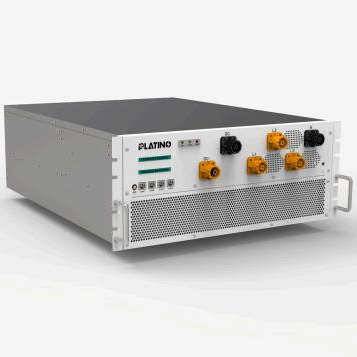
The physical enclosure of a modular power conversion system must match the deployment environment. Outdoor or containerized deployments require a modular power conversion system with an IP54 or higher ingress protection rating to resist dust and moisture. Indoor installations in temperature-controlled rooms may allow a modular power conversion system with a lower IP rating and a more compact rack-mount form factor. The physical dimensions and weight of a modular power conversion system also affect logistics, foundation design, and installation cost. Confirm that the footprint and mounting requirements of the modular power conversion system align with the available space before committing to a design.
FAQ
What power range should a modular power conversion system cover for commercial storage?
For commercial and industrial storage projects, a modular power conversion system typically ranges from 30 kW to 250 kW per module, with systems stacked to reach total capacities between 100 kW and several megawatts. The right sizing of a modular power conversion system depends on peak demand, battery capacity, and the desired charge and discharge rate for the specific application.
How does a modular power conversion system differ from a traditional central inverter?
A modular power conversion system uses multiple smaller, independently operating power modules rather than one large central unit. This architecture gives a modular power conversion system better fault tolerance, incremental scalability, and simpler field replacement compared to a monolithic central inverter. A modular power conversion system also tends to maintain higher efficiency at partial load because only the modules needed to meet current demand are active.
What certifications should a modular power conversion system hold for grid-tied storage?
A modular power conversion system intended for grid-tied energy storage should hold relevant certifications based on the installation region. Common certifications for a modular power conversion system include UL 1741 SA for North America, IEC 62109 for international markets, and CE marking for European deployments. Always verify that the specific modular power conversion system model you are evaluating has current, site-applicable certifications before finalizing the procurement decision.