
 EN
EN
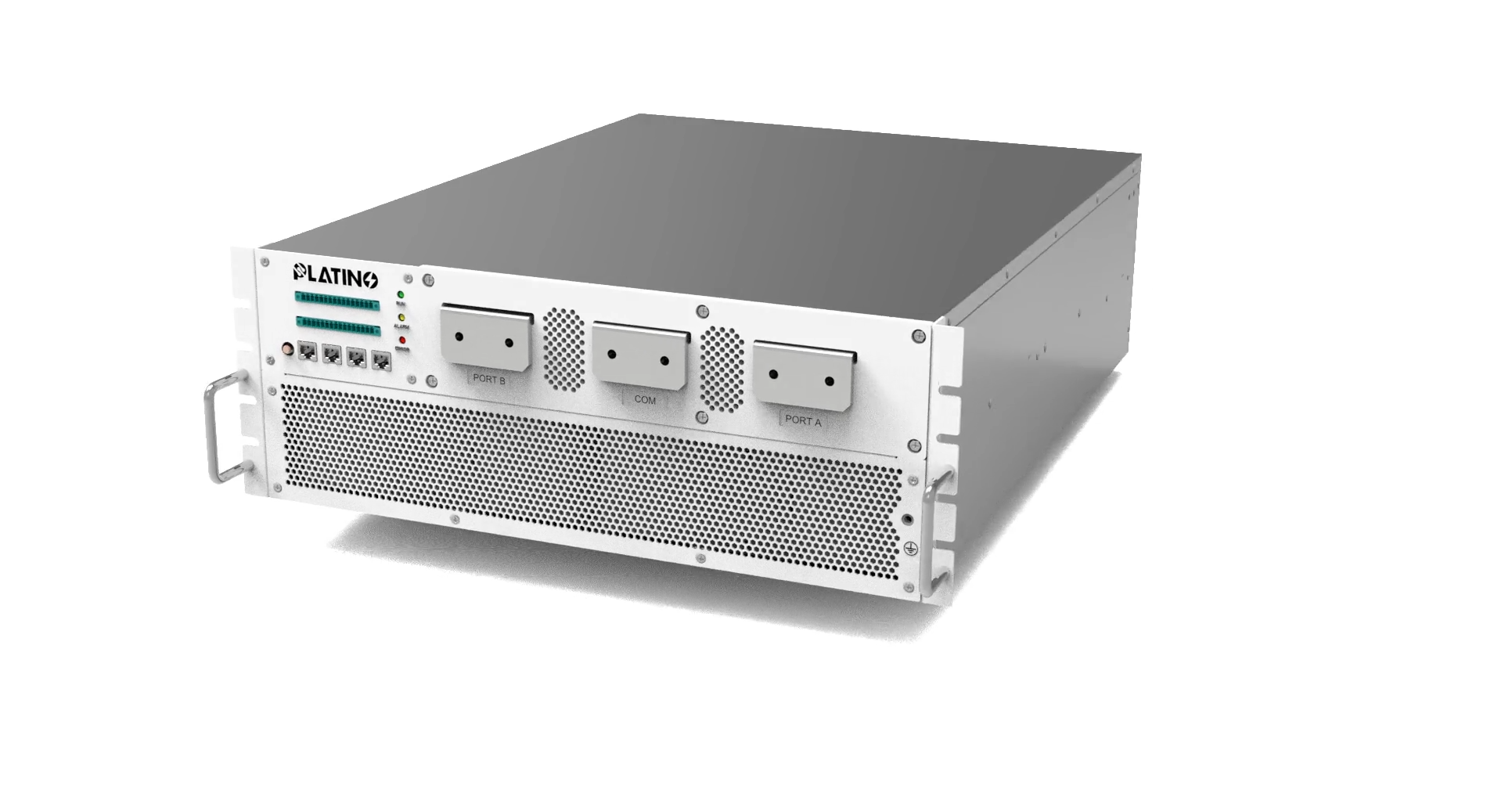
When utility-scale battery energy storage systems enter the design phase, the choice of power conversion technology becomes one of the most consequential decisions an integrator makes. High power PCS units have steadily become the preferred solution for large-scale deployments, and for good reason. A high power PCS delivers the electrical conversion performance, operational reliability, and system compatibility that utility-scale projects demand. Understanding why integrators consistently select high power PCS over lower-capacity alternatives reveals how deeply this technology shapes the economics and performance of modern energy storage.
BESS integrators working on utility-scale projects carry enormous responsibility. Every component they select must justify its place in a system designed to operate continuously for decades. High power PCS technology has matured significantly, offering integrators a dependable path to meeting grid operator expectations, reducing balance-of-system costs, and delivering projects on schedule. Each advantage of a high power PCS compounds across the entire project lifecycle, making the preference among integrators both rational and strategic.
Efficiency and Power Density Advantages
Why Power Density Matters at Scale
At the utility scale, every square meter of land and every kilogram of hardware has a cost. A high power PCS concentrates conversion capacity into a compact footprint, reducing the physical infrastructure needed to reach target power output. Integrators working with constrained site layouts or expensive real estate recognize immediately that a high power PCS reduces the number of units required per megawatt, which directly lowers installation labor, conduit runs, and civil works. The power density advantage of a high power PCS is not a marginal benefit; it is a fundamental contributor to project economics.
A high power PCS also tends to operate at superior conversion efficiency compared to smaller legacy units running in parallel. Higher efficiency means less energy wasted as heat, lower cooling requirements, and better overall round-trip efficiency for the storage system. When a utility-scale BESS is expected to cycle daily and deliver precise energy dispatch, the efficiency of each high power PCS directly influences annual revenue and performance guarantees. Integrators understand that even fractional efficiency improvements, sustained over years of operation, translate into significant financial value.
Thermal Management and System Reliability
A high power PCS is engineered to handle the thermal loads inherent in continuous, high-current operation. Advanced thermal management systems within a high power PCS maintain component temperatures within safe operating ranges during prolonged dispatch cycles. This engineering investment reduces the risk of derating events that would otherwise compromise BESS output during peak demand periods. Integrators building utility-scale projects cannot afford performance shortfalls during grid stress events, and a properly specified high power PCS provides the thermal robustness to meet contractual obligations reliably.
Scalability and Modular Architecture
Building Large Systems with High Power PCS
Utility-scale BESS projects rarely stay static. Grid operators and asset owners frequently request capacity expansions as demand profiles evolve. A high power PCS built on modular architecture allows integrators to scale systems incrementally without redesigning the entire power conversion layer. Each additional high power PCS module integrates into the existing control framework, preserving consistency in protection settings, communication protocols, and dispatch logic. This modularity is a decisive reason why integrators favor high power PCS when preparing bids for projects that include future expansion options.
The high power PCS modular approach also simplifies maintenance logistics. When a single module within a high power PCS requires service, the remaining units continue operating, preventing full system downtime. For utility-scale assets under strict availability guarantees, this redundancy is not optional — it is contractually necessary. Integrators know that a high power PCS with modular redundancy directly supports the uptime commitments written into power purchase agreements and grid interconnection contracts.
Grid Code Compliance and Control Flexibility
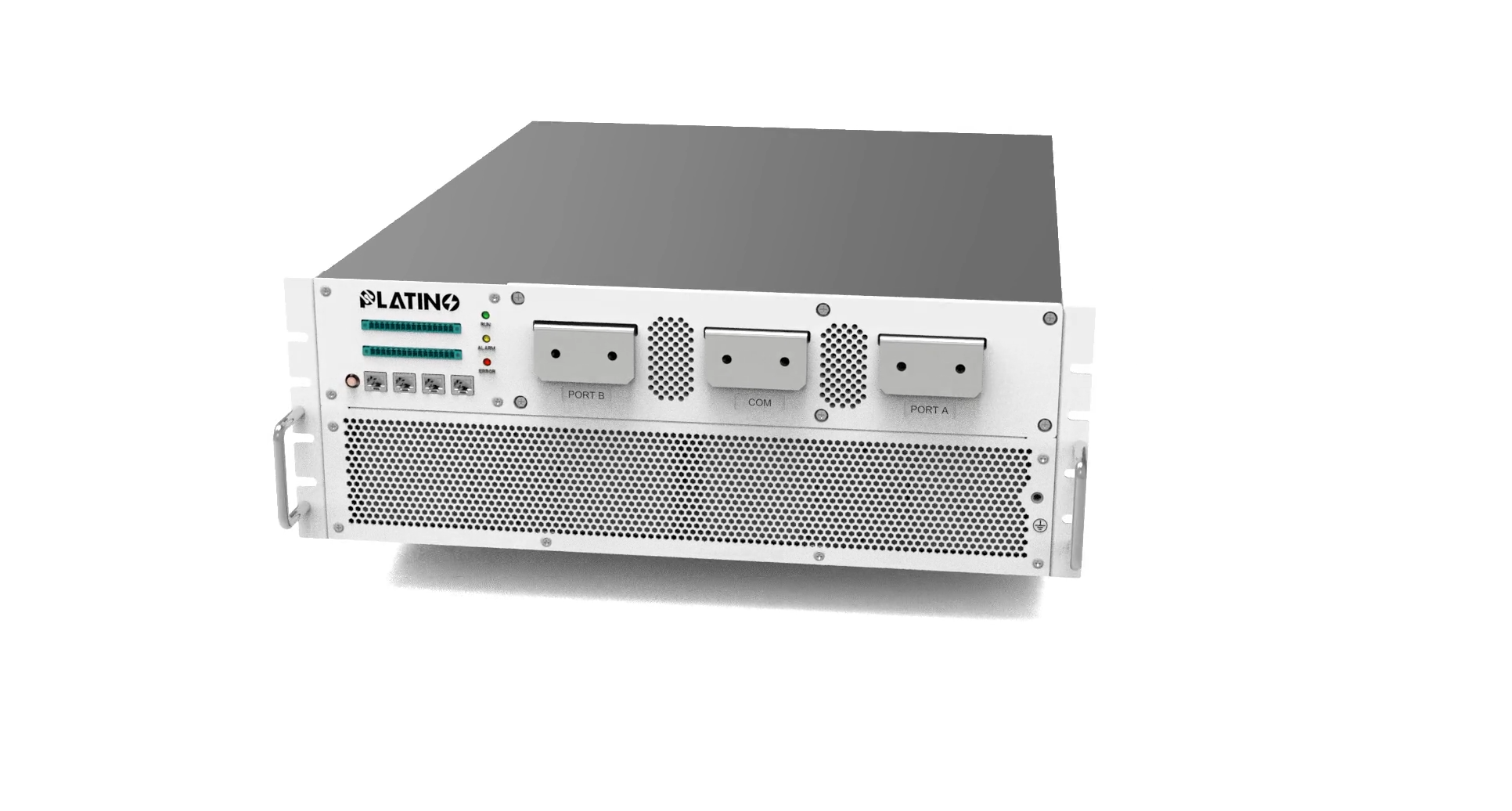
Modern utility-scale projects must satisfy demanding grid codes covering reactive power support, frequency response, voltage ride-through, and anti-islanding protection. A high power PCS designed for utility-scale applications incorporates the advanced control algorithms needed to meet these requirements without custom engineering on every project. Integrators value a high power PCS that arrives pre-certified and pre-tested against major grid interconnection standards, reducing commissioning time and minimizing the risk of grid acceptance delays. The control flexibility embedded in a high power PCS allows precise tuning of response characteristics to match specific grid operator specifications across different markets.
Lifecycle Cost and Project Returns
Reducing Total Cost of Ownership
BESS integrators evaluate high power PCS not only by upfront capital cost but also by the total cost of ownership across a twenty-year project life. A high power PCS with high efficiency, low maintenance frequency, and long component lifespan reduces operational expenditure significantly compared to deploying more numerous lower-power units. Fewer high power PCS units mean fewer preventive maintenance events, fewer spare parts inventory requirements, and simpler firmware management. Each reduction in ongoing cost improves the internal rate of return that integrators present to project developers and investors.
The warranty terms and mean time between failure metrics of a high power PCS designed for utility service reflect engineering confidence in the product. Integrators building 20-year BESS assets need assurance that the high power PCS at the core of their system will perform without major overhaul during the primary contract period. When a high power PCS demonstrates strong field reliability data, integrators can commit to performance guarantees with confidence, protecting their reputation and reducing risk exposure on large-value projects.
Faster Deployment and Reduced Complexity
Time-to-commission is a competitive differentiator for BESS integrators. A high power PCS that reduces the total unit count simplifies AC wiring design, transformer matching, and protection relay coordination. Integrators can complete electrical design faster when a single high power PCS replaces multiple smaller converters. Faster design cycles, shorter installation timelines, and streamlined commissioning all improve an integrator's ability to deliver projects on schedule and within budget. The operational simplicity of a high power PCS platform also reduces training requirements for site technicians, lowering long-term support costs.
FAQ
What makes high power PCS suitable for utility-scale BESS projects?
A high power PCS offers the power density, efficiency, and grid compliance features required at the utility scale. It reduces system complexity by minimizing unit count, supports advanced grid services through sophisticated control algorithms, and delivers the thermal robustness needed for continuous operation in demanding dispatch environments.
How does a high power PCS support future capacity expansion?
A modular high power PCS architecture allows additional units to be added to an existing installation without redesigning core system elements. Each new high power PCS module integrates into the established control and communication framework, enabling seamless capacity growth that preserves system consistency and minimizes recommissioning effort.
Can a high power PCS meet different grid code requirements across markets?
Yes. A high power PCS designed for utility-scale deployment incorporates programmable control parameters for reactive power, frequency response, and fault ride-through. This flexibility allows a single high power PCS platform to be configured for compliance with different national or regional grid interconnection standards, reducing the need for custom hardware across diverse project locations.