
 EN
EN
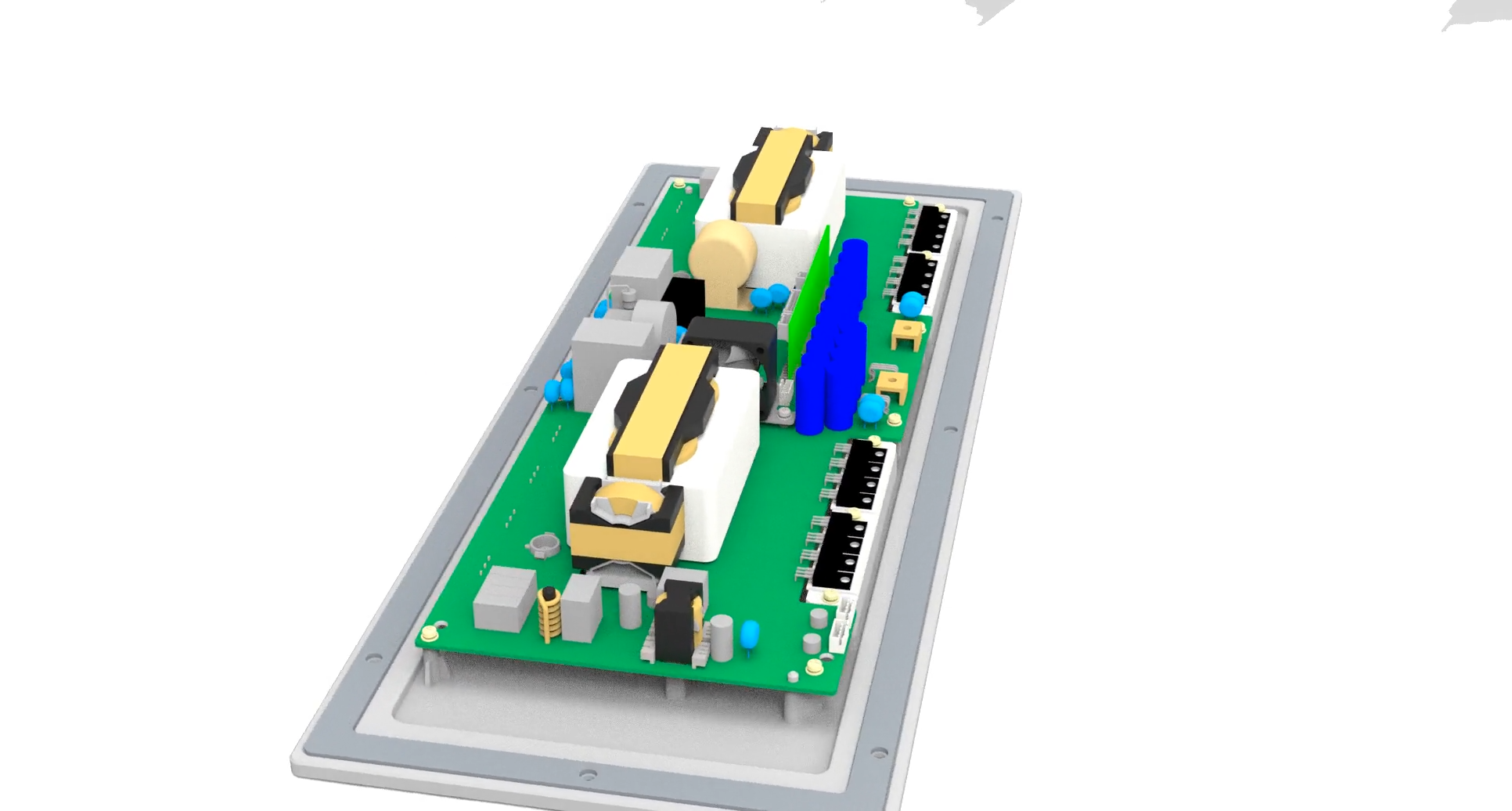
Solar photovoltaic installations have transformed how businesses and utilities generate renewable energy, yet many organizations leave significant revenue on the table by failing to optimize their system architecture. A 130kW energy storage PCS represents a critical infrastructure component that bridges the gap between solar generation variability and consistent grid or on-site demand, directly improving financial returns. This power conversion system manages the flow of energy from photovoltaic arrays into battery storage and back to loads or the grid, ensuring maximum utilization of every kilowatt generated. For solar operators focused on measurable return on investment, understanding how a 130kW energy storage PCS enhances profitability is essential to competitive energy asset management.
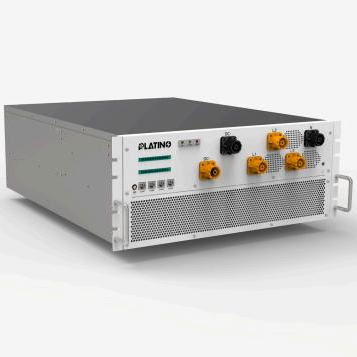
The economic case for a 130kW energy storage PCS rests on three fundamental mechanisms: shifting solar generation to peak-price periods, reducing demand charges during operational peaks, and minimizing energy waste through intelligent power conversion. When solar output naturally occurs during midday low-demand periods, a 130kW energy storage PCS captures that energy into battery storage, then releases it during high-price evening or morning hours when electricity demand and rates spike. This arbitrage capability transforms intermittent solar production into dispatchable revenue. Additionally, industrial and commercial facilities face crushing demand charges tied to their highest 15-minute power consumption window each month; a properly configured 130kW energy storage PCS flattens that peak, often reducing total electricity costs by 20 to 40 percent annually, a direct and measurable return component.
Energy Arbitrage and Peak Demand Response
Capturing and Monetizing Solar Generation Timing
Solar energy output follows a predictable but operationally inconvenient curve: highest generation at midday when electricity demand and prices are typically lowest. A 130kW energy storage PCS decouples solar generation timing from consumption timing, enabling the system to store abundant midday generation and discharge it during peak evening hours when wholesale electricity prices often triple or quadruple. This energy arbitrage mechanism directly increases revenue per kilowatt-hour of solar generation. For grid-connected systems, market operators pay premium rates during identified peak periods; a 130kW energy storage PCS maximizes these opportunities by ensuring stored solar energy flows exactly when prices peak, effectively multiplying the revenue generated from the same photovoltaic capacity.
Demand Charge Elimination Through Strategic Discharge
Industrial facilities, data centers, and manufacturing plants typically incur demand charges representing 30 to 70 percent of total electricity bills. These charges are triggered by the single highest 15-minute power consumption window each billing month. A 130kW energy storage PCS strategically discharges during anticipated peak consumption periods, reducing facility draw from the grid and capping the measured peak demand. Unlike solar generation variability, this demand peak mitigation is predictable and controllable, delivering consistent monthly savings. A 130kW energy storage PCS sized appropriately can reduce peak demand from 500 kW to 350 kW, directly saving the facility hundreds of dollars monthly and thousands annually, creating a hard-dollar return on the system investment within three to five years.
Efficiency Gains and Energy Loss Reduction
Minimizing Conversion Losses in Real-Time Power Management
Every energy conversion step introduces efficiency losses; DC solar current must be inverted to AC for use, then potentially stored as DC in batteries, then inverted again for grid or load connection. A poorly designed system wastes 15 to 20 percent of generation through cascading conversion steps. A 130kW energy storage PCS engineered for bidirectional efficiency minimizes these losses through advanced power electronics, maintaining conversion efficiency above 95 percent in both charging and discharging directions. This efficiency improvement compounds over twenty-five-year system lifetimes, recovering thousands of kilowatt-hours that would otherwise be dissipated as heat. The cumulative financial impact of a 130kW energy storage PCS efficiency advantage alone justifies the investment in many medium-scale installations.
Power Quality and Grid Support Services Revenue
A 130kW energy storage PCS offers ancillary service capabilities that generate additional revenue streams beyond arbitrage and demand management. Grid operators compensate energy storage systems for reactive power support, frequency regulation, and voltage stabilization services. A 130kW energy storage PCS can simultaneously provide these grid support functions while managing behind-the-meter solar, creating dual revenue pathways. Depending on regional electricity market rules, grid operators may pay $40 to $120 per kilowatt-year for frequency regulation capability, meaning a 130kW energy storage PCS could generate $5,200 to $15,600 annually from this single service alone. These payments require no additional infrastructure investment beyond the base 130kW energy storage PCS installation.
Financial Impact Quantification and Payback Analysis
Comprehensive ROI Calculation Framework
A 130kW energy storage PCS investment ROI calculation combines multiple revenue streams: energy arbitrage (typically $15,000 to $35,000 annually depending on market), demand charge reduction ($8,000 to $22,000 annually), efficiency recovery ($2,000 to $5,000 annually), and grid services where applicable ($5,000 to $15,000 annually). Total annual financial benefit from a 130kW energy storage PCS typically ranges from $30,000 to $77,000 depending on facility characteristics, electricity market design, and system utilization patterns. Against a typical total installed cost of $120,000 to $180,000 for a complete 130kW energy storage PCS with battery storage, batteries, and installation, payback periods consistently fall within four to seven years. This payback window is attractive relative to 25-year system lifetimes, effectively providing 18 to 21 years of post-payback operational returns.
Scenario Analysis for Different Facility Types
A manufacturing facility with high baseline electricity demand and pronounced midday solar generation benefits maximally from a 130kW energy storage PCS, potentially achieving ROI in three to four years through aggressive demand charge mitigation. Commercial office buildings with moderate solar generation and moderate peak demand see longer payback periods of five to six years, primarily from energy arbitrage and reduced consumption-based demand response. Agricultural operations with seasonal demand patterns and strong solar alignment see accelerated returns during high-generation seasons. A 130kW energy storage PCS proves most economically justified in high-demand facilities within electricity markets featuring pronounced peak-period rate separation and aggressive demand charge structures. Understanding facility-specific characteristics ensures a 130kW energy storage PCS investment aligns with realistic financial expectations.
FAQ
What makes a 130kW energy storage PCS different from smaller power conversion systems?
A 130kW energy storage PCS operates at the threshold between small commercial and industrial-scale energy storage, offering meaningful ROI improvement for mid-size solar installations while maintaining relatively straightforward integration complexity. Systems smaller than 50 kW often cannot justify dedicated grid interconnection infrastructure or sophisticated control systems, limiting optimization opportunities. Systems larger than 250 kW begin requiring specialized grid approval processes and real-time operator management. A 130kW energy storage PCS occupies the 'sweet spot' where financial returns exceed implementation complexity and regulatory burden, making it economically attractive for facilities with $500,000 to $2 million annual electricity spend.
How does a 130kW energy storage PCS perform during grid outages or emergency situations?
A 130kW energy storage PCS configured with appropriate interconnection equipment can support critical facility loads during extended grid outages, provided battery storage capacity is adequate. Unlike diesel backup generators requiring fuel storage and maintenance, a charged 130kW energy storage PCS provides instant power restoration with zero fuel consumption or emissions. Backup duration depends on battery size; a 130kW energy storage PCS paired with 520 kWh battery storage typically sustains critical loads for four hours. This resilience feature provides intangible but valuable risk mitigation beyond pure financial ROI calculations, protecting sensitive operations from grid disruption losses.
Can a 130kW energy storage PCS improve environmental and sustainability metrics alongside financial returns?
A 130kW energy storage PCS dramatically increases effective solar utilization efficiency, meaning organizations generate more value from renewable capacity while simultaneously reducing grid-imported electricity from fossil fuel sources. For organizations with carbon reduction commitments or ESG disclosure requirements, a 130kW energy storage PCS demonstrates measurable progress toward sustainability goals while simultaneously improving financial performance. Annual carbon reduction from a 130kW energy storage PCS system typically reaches 100 to 200 metric tons of CO2-equivalent through enhanced solar utilization, grid support services, and demand reduction. This dual benefit—simultaneous financial improvement and environmental impact—makes the 130kW energy storage PCS investment philosophically aligned with contemporary business values.