
 EN
EN
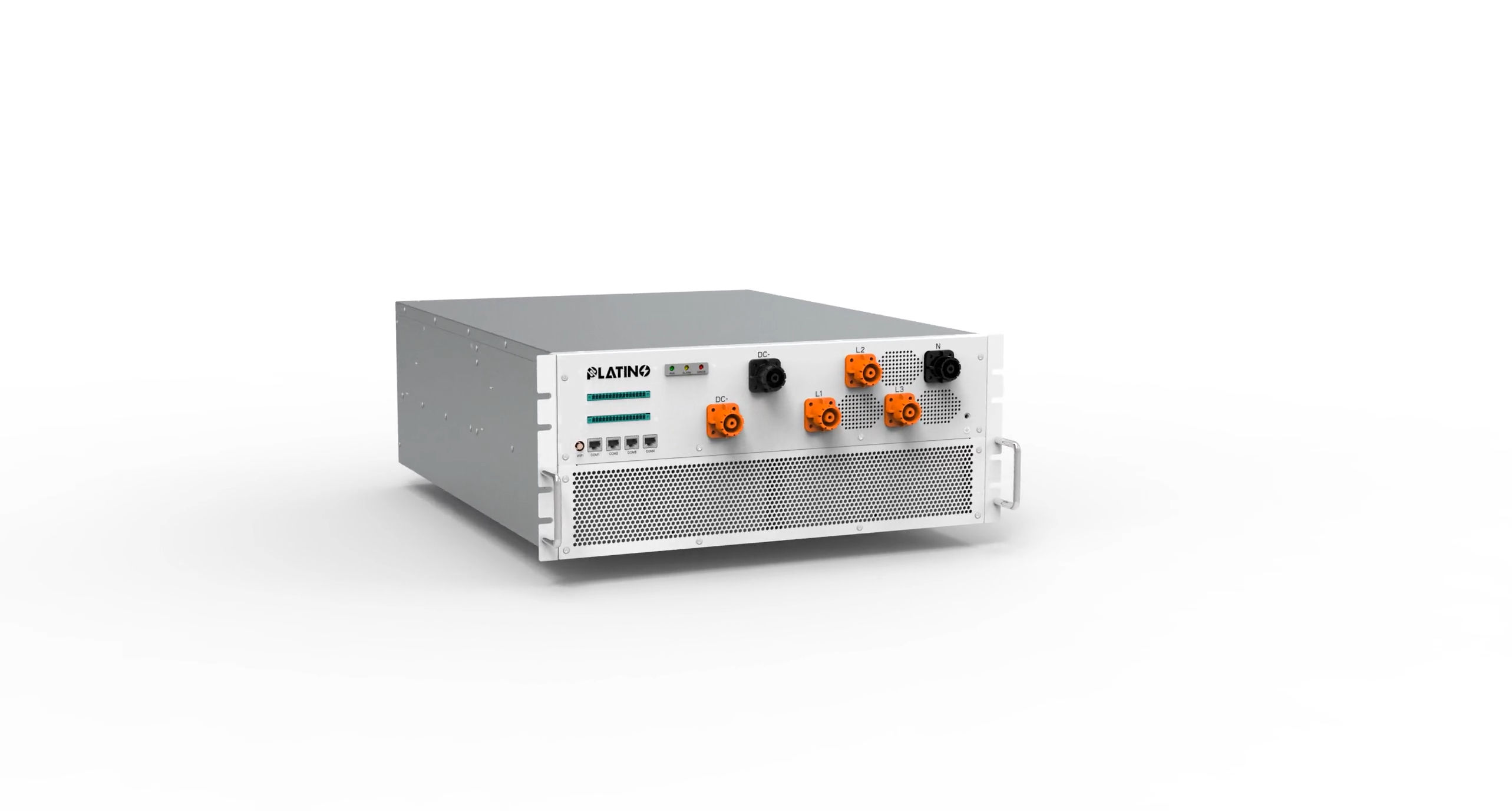
Large-scale enterprises face unprecedented challenges when managing energy infrastructure across distributed operations, data centers, manufacturing facilities, and critical infrastructure. A dedicated power conversion system has become an essential investment for organizations that cannot afford operational downtime or power inefficiencies. Modern enterprises recognize that a power conversion system directly impacts productivity, cost management, and business continuity in ways that generic electrical solutions cannot address.
The decision to invest in a dedicated power conversion system reflects strategic business thinking rather than a simple operational expense. Enterprise leaders understand that energy reliability, scalability, and efficiency directly correlate with profitability, customer satisfaction, and competitive advantage. This investment protects mission-critical systems, reduces unplanned maintenance costs, and enables organizations to scale operations without electrical infrastructure becoming a bottleneck.
Operational Reliability and Mission-Critical Protection
Preventing Costly Downtime
Enterprise operations depend on continuous, uninterrupted power delivery to thousands of devices and systems simultaneously. A power conversion system engineered specifically for large-scale use provides redundant pathways, failover mechanisms, and voltage regulation that consumer-grade electrical infrastructure cannot deliver. When a manufacturing facility, data center, or telecommunications hub experiences power fluctuation or failure, losses mount rapidly. Industries report that unexpected downtime costs between $5,600 and $540,000 per minute depending on sector. A dedicated power conversion system protects against these catastrophic scenarios through advanced monitoring, automatic load balancing, and isolation capabilities that prevent cascading failures across connected equipment.
Ensuring Equipment Longevity and Reduced Maintenance
Power quality directly influences equipment lifespan and maintenance frequency. A power conversion system stabilizes voltage, frequency, and current delivery, which extends the operational life of servers, motors, transformers, and control systems. Large enterprises deploy a power conversion system to reduce unexpected equipment failures that trigger emergency repairs, spare parts procurement, and labor costs. Over a decade, this investment pays measurable dividends through decreased replacement cycles and predictable maintenance scheduling. Enterprise IT and operations teams have documented that quality power conversion infrastructure reduces emergency service calls by 40 to 60 percent compared to facilities relying on standard electrical distribution alone.
Scalability and Future-Ready Infrastructure
Supporting Organizational Growth Without Electrical Bottlenecks
Large enterprises plan for expansion, facility additions, and increased computational or manufacturing demands. A modular power conversion system allows organizations to scale capacity incrementally without replacing the entire electrical foundation. When a company opens a new production line, expands server capacity, or integrates acquired operations, a properly designed power conversion system accommodates this growth through modular additions and intelligent distribution. Rather than undertaking costly rewiring or complete infrastructure overhauls, enterprises leverage their existing power conversion system investment to enable seamless expansion. This flexibility becomes critical in competitive industries where time-to-market and operational agility determine market share.
Adapting to Changing Energy Sources and Technologies
Modern enterprises increasingly integrate renewable energy sources, battery storage systems, and microgrids into their operations. A sophisticated power conversion system bridges the gap between diverse energy sources and standardized internal power requirements. Organizations investing in solar installations, wind power, or energy storage solutions require a power conversion system to convert variable renewable power into stable, usable electricity. This capability positions enterprises to leverage green energy investments, meet sustainability commitments, and reduce long-term energy costs. A power conversion system acts as the technological intermediary that unlocks the business value of renewable and alternative energy infrastructure.
Cost Optimization and Strategic Business Value
Minimizing Energy Losses and Operating Expenses
Inefficient power distribution wastes significant energy across large enterprises. A power conversion system engineered for high efficiency can reduce energy losses from seven to ten percent down to two to three percent in optimized configurations. For enterprises consuming megawatts of power daily, these efficiency gains translate to substantial annual savings. Consider a large manufacturing facility using five megawatts continuously; improving conversion efficiency by five percent saves approximately 438,000 kilowatt-hours annually. At typical industrial electricity rates, this single efficiency improvement generates $40,000 to $60,000 in annual savings. Over the system's lifespan, these savings vastly exceed the initial investment in a dedicated power conversion system.
Gaining Visibility and Control Over Energy Operations
Enterprise decision-makers need real-time visibility into energy consumption, distribution patterns, and system performance. A modern power conversion system includes sophisticated monitoring, metering, and reporting capabilities that provide actionable intelligence about power usage across the organization. Facilities managers and energy teams use this data to identify inefficiencies, optimize load distribution, and make informed decisions about capacity allocation. This level of operational visibility enables enterprises to implement demand response programs, shift loads to off-peak hours, and negotiate better rates with utility providers. Organizations that understand their power conversion system performance can identify specific areas consuming disproportionate energy and address root causes systematically.
FAQ
What specific industries benefit most from a dedicated power conversion system?
Data centers, pharmaceutical manufacturing, semiconductor fabrication, financial services operations, telecommunications infrastructure, and advanced medical facilities represent sectors where a power conversion system delivers exceptional return on investment. Any industry requiring consistent power quality, mission-critical reliability, or significant electrical loads benefits substantially. Healthcare providers cannot afford patient monitoring or surgical system interruptions. Financial institutions face regulatory requirements for backup power and system redundancy. Manufacturers of precision products require stable power to maintain quality standards. A power conversion system addresses these sector-specific demands comprehensively.
How does a power conversion system differ from standard electrical infrastructure?
Standard electrical infrastructure distributes power from the utility to connected loads with minimal intervention. A power conversion system actively manages, stabilizes, and optimizes power delivery through advanced electronics and control systems. Standard infrastructure cannot accommodate multiple power sources simultaneously, lacks granular load balancing, and provides no intelligent failover capabilities. A power conversion system can integrate renewable energy, battery storage, and backup generation while maintaining perfect voltage and frequency standards across all outputs. The distinction resembles the difference between a simple distribution network and an intelligent, adaptive system.
What financial metrics should enterprises use to evaluate power conversion system investments?
Enterprises should calculate total cost of ownership across ten to fifteen years, including capital expenditure, installation, maintenance, energy savings, and avoided downtime costs. Return on investment timelines typically range from three to seven years depending on facility size, current power costs, and existing reliability issues. Payback period analysis, levelized cost per kilowatt, and avoided loss calculations all provide relevant evaluation frameworks. Decision-makers should also consider strategic factors like sustainability goals, regulatory compliance, and operational flexibility beyond simple financial metrics. Organizations viewing a power conversion system as pure cost center often undervalue the business continuity, expansion capability, and competitive advantages it enables.