
 EN
EN
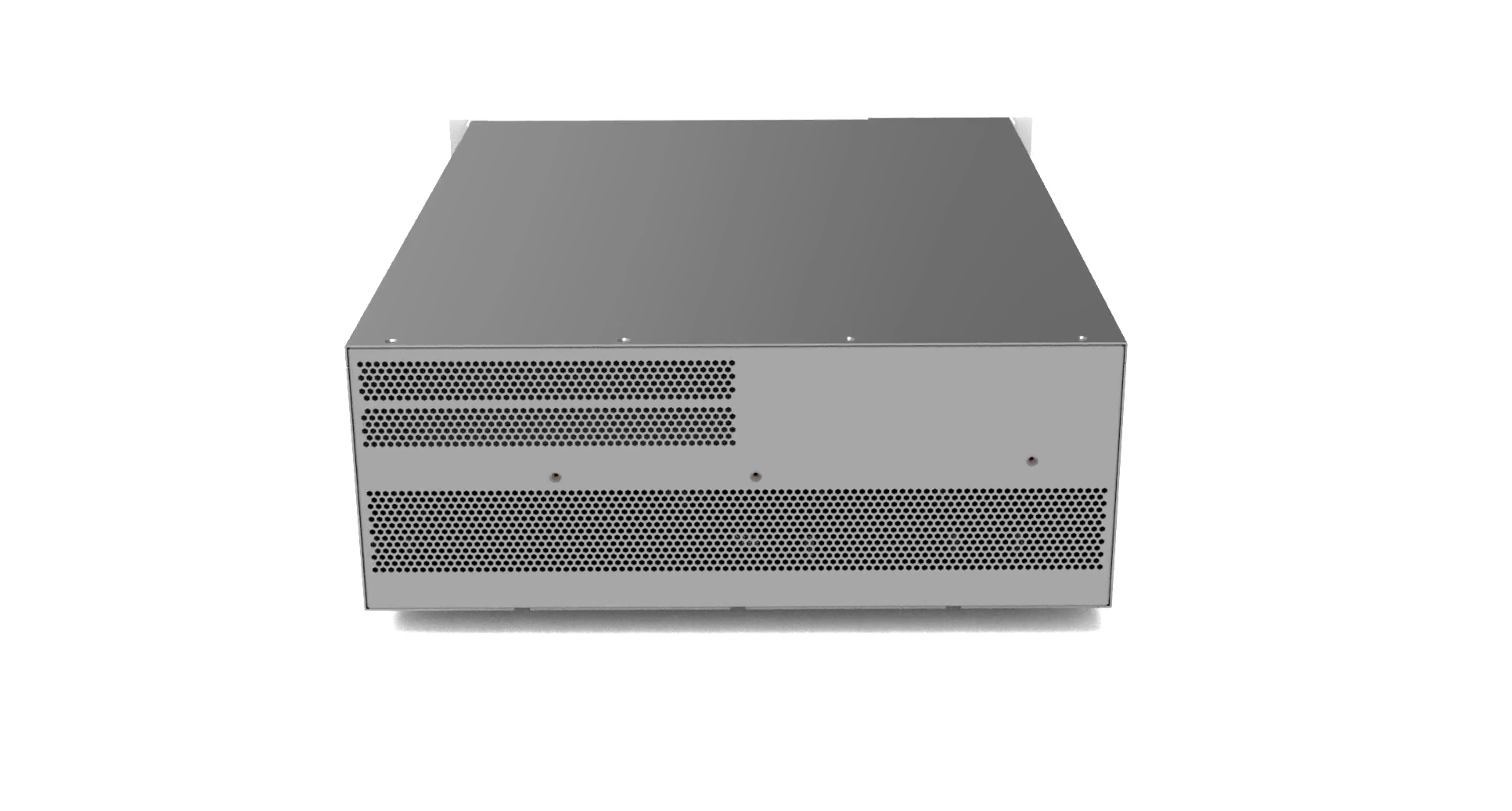
Government green energy tenders represent a significant opportunity for organizations seeking to deploy renewable infrastructure at scale. Selecting the right energy storage solutions for government green energy tenders requires careful evaluation of technical capabilities, regulatory compliance, financial viability, and long-term operational performance. The tender process demands comprehensive understanding of how energy storage solutions align with government objectives, grid requirements, and environmental mandates. This article guides procurement teams and project developers through the critical factors necessary to make informed decisions when selecting energy storage solutions for competitive government green energy tenders.
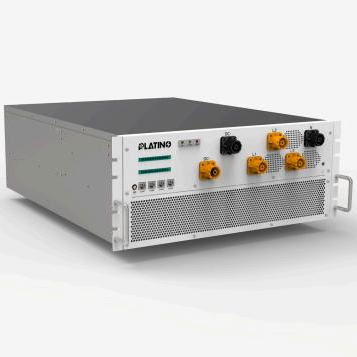
Energy storage solutions have become essential components of modern renewable energy projects, particularly within government procurement frameworks where reliability and sustainability are paramount. The selection process involves multiple technical and commercial dimensions that must be evaluated systematically to ensure successful tender submission and long-term project viability. Understanding the nuances of energy storage solutions for government green energy tenders will significantly improve your competitive positioning and project success rates.
Evaluating Core Technical Specifications for Energy Storage Solutions
Battery Chemistry and Performance Characteristics
The foundation of any energy storage solutions evaluation begins with understanding battery chemistry options and their performance characteristics. Lithium-ion technology dominates modern energy storage solutions for government tenders due to superior energy density, efficiency ratings, and declining costs. Energy storage solutions utilizing lithium-ion chemistry offer round-trip efficiency rates between 85 percent and 95 percent, meeting stringent government performance requirements. Alternative battery technologies, including flow batteries and solid-state systems, present distinct advantages for specific applications where energy storage solutions must deliver extended discharge durations or enhanced safety profiles. Government green energy tenders frequently specify minimum efficiency standards, making energy storage solutions comparison an essential preliminary step in tender preparation.
Capacity Scaling and Modular Architecture
Energy storage solutions must demonstrate scalability to accommodate varying project requirements across different government tender specifications. Modular energy storage solutions allow developers to customize total capacity by combining standardized units, reducing manufacturing costs and deployment complexity. The ability to scale energy storage solutions from megawatt-hour to multi-gigawatt-hour capacities without fundamental redesign addresses diverse government procurement needs. Many successful energy storage solutions employ containerized architectures that simplify transportation, installation, and maintenance in remote or challenging deployment environments. Government evaluators specifically assess whether proposed energy storage solutions can meet current capacity requirements while remaining expandable for future growth phases outlined in tender documentation.
Compliance, Regulatory Framework, and Grid Integration Alignment
Government Standards and Certification Requirements
Energy storage solutions submitted for government green energy tenders must comply with rigorous certification frameworks, safety standards, and interconnection requirements established by energy regulators. Most government tenders mandate that energy storage solutions achieve independent third-party certification confirming adherence to international standards including IEC 62619, IEC 62933, and IEEE 1547. Energy storage solutions providers must maintain documentation demonstrating compliance with fire safety, electrical safety, and thermal management protocols required by government procurement authorities. Certification delays or non-compliance issues frequently result in tender disqualification, making pre-qualification verification of energy storage solutions critical before submission. Government green energy tenders typically establish minimum performance certification thresholds that energy storage solutions must exceed to qualify for evaluation consideration.
Grid Integration and Interconnection Protocols
Energy storage solutions must integrate seamlessly with existing grid infrastructure while supporting government objectives for frequency regulation, voltage stability, and renewable energy smoothing. Modern energy storage solutions incorporate advanced power conversion systems enabling bidirectional energy flow aligned with grid operator requirements. Tender specifications for energy storage solutions typically detail interconnection voltage levels, fault ride-through capabilities, and remote control interface standards that solutions must accommodate. Government evaluators assess whether energy storage solutions can respond rapidly to dispatch signals, maintain stability during grid disturbances, and transition smoothly between charging and discharging modes. Energy storage solutions demonstrating superior grid integration capabilities significantly strengthen competitive tender submissions by reducing implementation risks and operational uncertainties for government stakeholders.
Financial Analysis and Long-Term Value Assessment
Total Cost of Ownership Evaluation
Successful energy storage solutions selections for government tenders require comprehensive total cost of ownership analysis encompassing capital expenditure, installation costs, operational maintenance, and end-of-life management. Government green energy tenders frequently employ levelized cost of storage metrics to compare competing energy storage solutions proposals objectively. Energy storage solutions with lower upfront capital costs but higher degradation rates may appear initially attractive but represent poor long-term value within government procurement frameworks prioritizing 20 to 25-year operational horizons. Warranty provisions, performance guarantees, and manufacturer support commitments directly influence total cost calculations for energy storage solutions throughout extended government project lifecycles. Tender responses must clearly document energy storage solutions cost structures, justifying price points through superior efficiency, extended cycle life, or enhanced safety features that government evaluators recognize as value-drivers.
Financing Mechanisms and Government Incentive Alignment
Energy storage solutions selection must account for available government financing mechanisms, tax incentives, and investment credits that reduce effective deployment costs. Many government green energy tenders operate within budgetary frameworks where energy storage solutions costs significantly impact project financial feasibility and competitive positioning. Energy storage solutions providers should quantify how their offerings qualify for applicable government subsidies, accelerated depreciation schedules, or investment tax credits that enhance project returns. Public procurement rules often restrict energy storage solutions selections to solutions meeting specific domestic content requirements or supply chain localization criteria established by government tenders. Understanding how energy storage solutions pricing and financing interact with government incentive structures enables more competitive tender submissions that resonate with government procurement objectives and budget constraints.
Risk Management and Operational Reliability Considerations
Performance Warranty and Degradation Protection
Energy storage solutions warranties significantly influence government tender evaluation scores, particularly regarding capacity retention guarantees and energy throughput commitments. Government green energy tenders demand long-term performance assurance from energy storage solutions providers, typically requiring capacity maintenance above 80 percent through 10-year or longer warranty periods. Energy storage solutions offering enhanced degradation protection through warranty extensions or manufacturer-backed performance guarantees reduce government project risks and improve financial return certainty. Transparent warranty documentation for energy storage solutions must clearly specify performance metrics, degradation curves, and remediation procedures that government operators will implement. Tender responses highlighting superior energy storage solutions warranty terms, particularly extended capacity guarantees or throughput commitments, create competitive differentiation in government procurement processes where reliability directly impacts project viability.
Maintenance Requirements and Operational Support
Energy storage solutions maintenance demands and operational support requirements significantly influence government tender implementation success and long-term cost structures. Government green energy tenders typically involve remote deployment sites where energy storage solutions requiring intensive maintenance create operational challenges and cost escalations. Energy storage solutions designed for minimal active cooling, simplified thermal management, and remote monitoring capabilities align with government operational preferences and reduce ongoing staffing requirements. Manufacturers providing energy storage solutions must demonstrate robust technical support infrastructure, spare parts availability, and training capabilities supporting government operator teams. Tender submissions for energy storage solutions should emphasize maintenance simplicity, predictive monitoring features, and scalable support models that government operators can efficiently manage throughout extended project lifecycles.
FAQ
What battery chemistry offers the best value for government green energy tenders?
Lithium-ion chemistry represents the dominant choice for energy storage solutions in government green energy tenders due to superior efficiency, declining costs, and established supply chains. Energy storage solutions using lithium-ion technology deliver 85 to 95 percent round-trip efficiency while maintaining cost competitiveness across diverse capacity ranges. Alternative battery chemistries, including lithium iron phosphate variants and flow batteries, serve specialized applications where energy storage solutions require ultra-long duration discharge or enhanced safety characteristics. Government tenders increasingly accept multiple battery chemistry options for energy storage solutions, provided solutions meet specified performance, safety, and certification thresholds. Your energy storage solutions selection should prioritize chemistry options offering optimal performance for your specific government tender requirements while demonstrating manufacturer credibility and long-term viability.
How do government tenders evaluate energy storage solutions compliance and certifications?
Government green energy tenders employ rigorous compliance verification processes requiring independent third-party certifications confirming energy storage solutions adherence to international safety, electrical, and thermal management standards. Energy storage solutions must achieve certification through recognized testing organizations confirming compliance with IEC 62619, IEC 62933, IEEE 1547, and additional government-specific standards established in tender documentation. Government evaluators verify that energy storage solutions providers maintain current certifications throughout project lifecycles, with procurement contracts frequently requiring recertification following significant system modifications. Non-compliance or incomplete energy storage solutions certifications typically result in tender disqualification regardless of technical superiority or cost advantages. Tender responses must include comprehensive compliance documentation for energy storage solutions, demonstrating third-party verification of all safety, performance, and interconnection requirements established by government procurement authorities.
What financing options reduce energy storage solutions costs for government tenders?
Government green energy tenders access diverse financing mechanisms and incentive structures that substantially reduce energy storage solutions deployment costs while improving project financial returns. Investment tax credits, accelerated depreciation schedules, and government subsidies specifically targeting energy storage solutions significantly decrease effective capital requirements for government-funded renewable projects. Energy storage solutions providers should identify applicable government incentives applicable to your jurisdiction and project classification, quantifying financial benefits within tender responses. Public-private partnership structures increasingly emerge as viable mechanisms for deploying energy storage solutions in government tenders, distributing costs and risks across multiple stakeholders. Understanding how energy storage solutions costs interact with available financing mechanisms, government support programs, and incentive structures enables more competitive tender submissions that align with government budget constraints and financial return expectations.