
 EN
EN
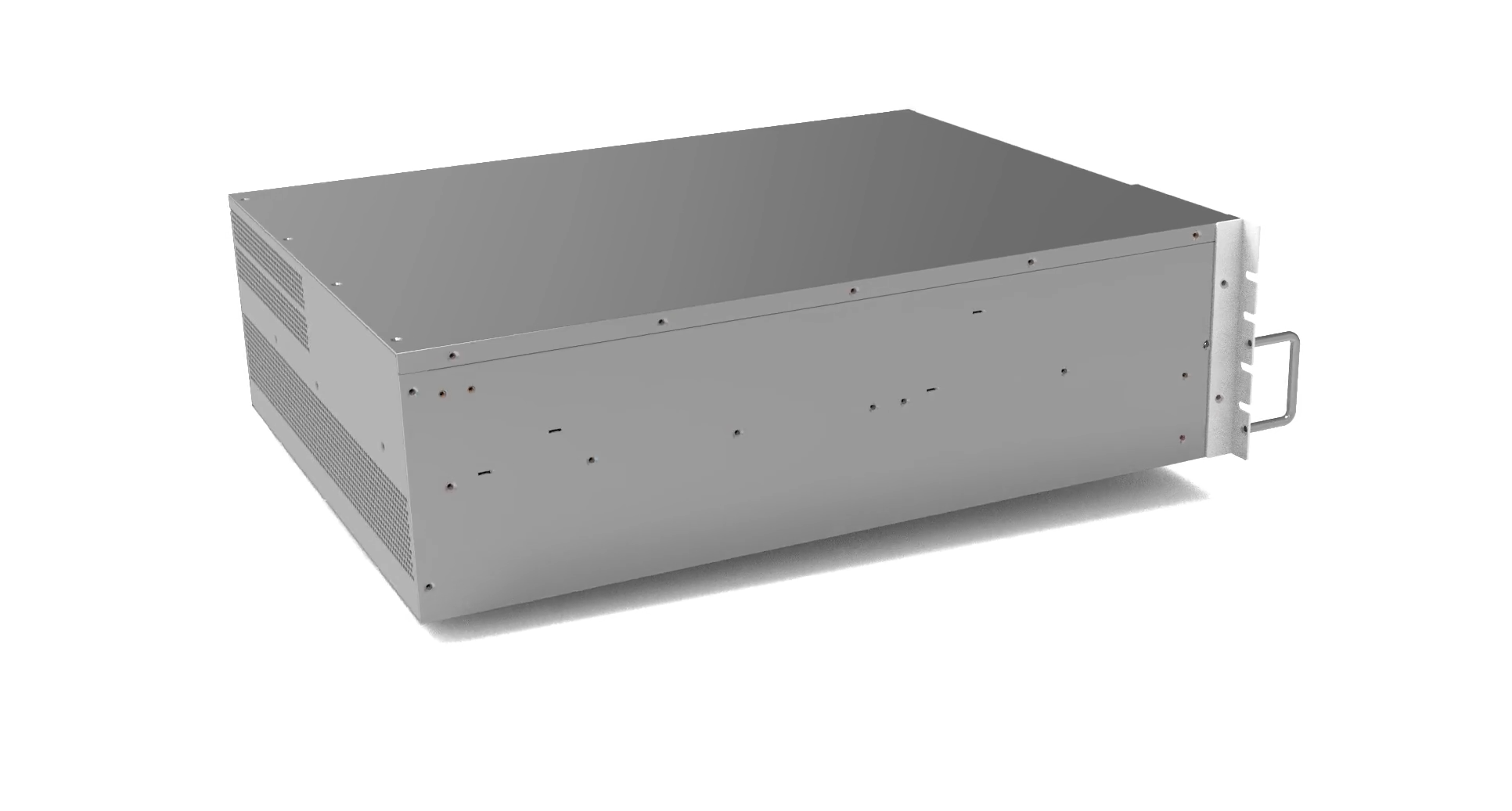
Hospital operations depend on continuous, reliable electrical power. Patient monitoring equipment, surgical suites, intensive care units, and life support systems cannot tolerate interruptions. When grid power fails or becomes unstable, a high power PCS for BESS provides the critical bridge between energy storage and facility demands. A high power PCS for BESS is a power conversion system that transforms stored battery energy into usable electricity instantly, ensuring that hospitals maintain full operational capacity during emergencies without risking patient safety or treatment continuity.
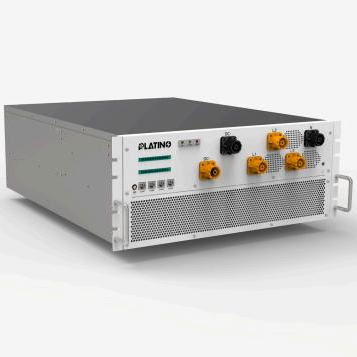
The challenge hospitals face is not storage capacity alone—it is the speed and reliability of power delivery when seconds matter. A high power PCS for BESS bridges this gap by converting DC energy from battery systems into stable, hospital-grade AC power. This conversion happens in milliseconds, with virtually no perceptible lag. For hospitals managing power quality standards, patient safety regulations, and equipment sensitivity, a high power PCS for BESS represents the difference between a controlled backup response and a dangerous shutdown scenario.
Why Hospital Systems Require Advanced Power Conversion
Critical Load Protection During Grid Failures
Hospital critical loads—operating rooms, emergency departments, ICUs, and imaging systems—cannot accept power interruptions. Even a brief voltage sag or frequency deviation can disrupt patient care and equipment function. A high power PCS for BESS responds instantly to grid disturbances, seamlessly switching to battery backup or supporting grid voltage through active power conditioning. This responsiveness prevents cascading equipment failures and maintains the continuous power supply that medical staff depend on during emergency procedures. Hospitals operating a high power PCS for BESS gain protection against brownouts, blackouts, and voltage anomalies simultaneously.
Regulatory and Safety Compliance
Hospital accreditation bodies, patient safety standards, and local electrical codes mandate specific backup power requirements. A high power PCS for BESS must integrate with emergency diesel generators, uninterruptible power supply systems, and switchgear to meet Joint Commission and CMS standards. The power conversion equipment must support automatic transfer switches, voltage regulation within tight tolerances, and seamless load transitions. A high power PCS for BESS designed for hospital environments meets these compliance requirements by offering redundancy, monitoring, and automatic failover capabilities that align with medical facility regulations and best practices.
How High Power PCS for BESS Supports Emergency Operations
Instantaneous Energy Availability and Load Shifting
During peak demand or grid stress, a high power PCS for BESS can discharge stored battery energy to supply non-critical hospital functions—HVAC systems, lighting in corridors and administrative areas, or equipment charging stations. This load-shifting capability reduces demand charges and provides a natural buffer before emergency generators activate. When the grid experiences an outage, a high power PCS for BESS instantly supplies battery power to critical circuits while generators start up. This overlap period—typically 10 to 30 seconds—is crucial for maintaining patient care continuity and preventing equipment restarts that could disrupt surgical procedures or diagnostic imaging.
Integration with Hospital Microgrids and Energy Management
Modern hospitals increasingly adopt microgrid architectures that combine renewable generation, battery storage, and smart electrical controls. A high power PCS for BESS serves as the core converter in these systems, enabling hospitals to islanding from the main grid during emergencies and operate independently. This functionality is particularly valuable in regions prone to extended outages or in facilities pursuing energy resilience goals. A high power PCS for BESS in a microgrid allows hospitals to optimize on-site solar or wind generation, manage demand pricing, and maintain power quality during isolated operation—all while ensuring that critical patient care systems remain unaffected.
Technical Requirements and Performance Considerations
Power Rating and Response Time Specifications
Hospital applications demand a high power PCS for BESS with power ratings typically ranging from 100 kW to several megawatts, depending on facility size and critical load scope. Response time—the interval between a grid event and full power delivery from battery—must be under 5 milliseconds for most applications. A high power PCS for BESS must also support bidirectional power flow, allowing simultaneous charging from grid or generation sources while discharging to hospital loads. Efficiency ratings above 95% are standard, ensuring minimal energy loss during conversion. Temperature performance and environmental resilience are also essential, as a high power PCS for BESS may operate in mechanical rooms, parking structures, or outdoor installations where conditions vary seasonally.
Monitoring, Control, and Predictive Maintenance
A high power PCS for BESS integrated into hospital systems must include remote monitoring, real-time diagnostics, and predictive maintenance alerts. Hospital facilities managers need dashboard visibility into battery state-of-charge, power output, fault events, and maintenance scheduling. A high power PCS for BESS with embedded cybersecurity protocols protects patient data networks and ensures that backup power systems cannot become attack vectors. Firmware updates, secure communication protocols, and role-based access control are non-negotiable features for medical facility adoption. Redundancy in cooling, control communications, and power electronics within the system architecture further protects against component failures that could compromise backup capability.
Practical Implementation and Deployment Timeline
System Design and Capacity Planning
Implementing a high power PCS for BESS in hospitals requires detailed load analysis, battery sizing calculations, and electrical integration design. Engineers must identify which hospital circuits constitute critical loads and which can tolerate brief interruptions. A high power PCS for BESS sized too small cannot support peak emergency demand; oversized systems waste capital and floor space. Hospital administrators typically work with integrators to model scenarios: grid outage duration, generator startup time, critical load sequencing, and battery depth-of-discharge. This planning ensures that a high power PCS for BESS delivers exactly the power duration and responsiveness needed without overinvestment.
Installation, Testing, and Operational Readiness
Once designed, a high power PCS for BESS must be installed without disrupting hospital operations. This typically requires staged installation, testing of automatic transfer logic, and validation of power quality under load. Hospital staff receive training on system operation, alarm response, and maintenance requirements. A high power PCS for BESS undergoes rigorous testing including load transfer tests, fault injection tests, and extended operation simulations. Before full commissioning, hospitals verify that backup power activation does not interfere with medical imaging equipment, patient monitors, or critical IT systems. Post-deployment, a high power PCS for BESS becomes part of regular emergency preparedness drills and preventive maintenance schedules.
FAQ
Can a high power PCS for BESS replace a hospital's emergency generator entirely?
A high power PCS for BESS provides minutes to hours of backup power depending on battery capacity and load, but most hospitals retain emergency generators for extended outages. A high power PCS for BESS excels at bridging the startup gap, eliminating voltage dips during transfer, and supplying non-critical loads while generators run. For maximum resilience, hospitals deploy both technologies in a layered architecture where a high power PCS for BESS handles immediate response and generators provide sustained backup power.
What maintenance does a high power PCS for BESS require?
A high power PCS for BESS typically requires annual inspections, thermal imaging of power electronics, battery state-of-health checks, and firmware updates. Modern systems offer predictive maintenance features that alert facility managers before component failures occur. Most manufacturers recommend battery replacement every 10 to 15 years. A high power PCS for BESS with integrated cooling systems may need filter changes seasonally. Preventive maintenance costs are modest compared to the critical function a high power PCS for BESS provides to hospital operations.
How does a high power PCS for BESS improve hospital energy efficiency?
A high power PCS for BESS enables hospitals to participate in grid demand response programs, shifting peak loads and reducing demand charges during high-price periods. By supplying non-critical loads during peak hours, a high power PCS for BESS reduces stress on aging hospital electrical infrastructure and defers costly upgrades. Some hospitals use a high power PCS for BESS to integrate renewable generation, optimizing the use of solar power and minimizing reliance on expensive peak-rate grid electricity. Over time, the operational savings and resilience value of a high power PCS for BESS often offset its capital cost.