
 EN
EN
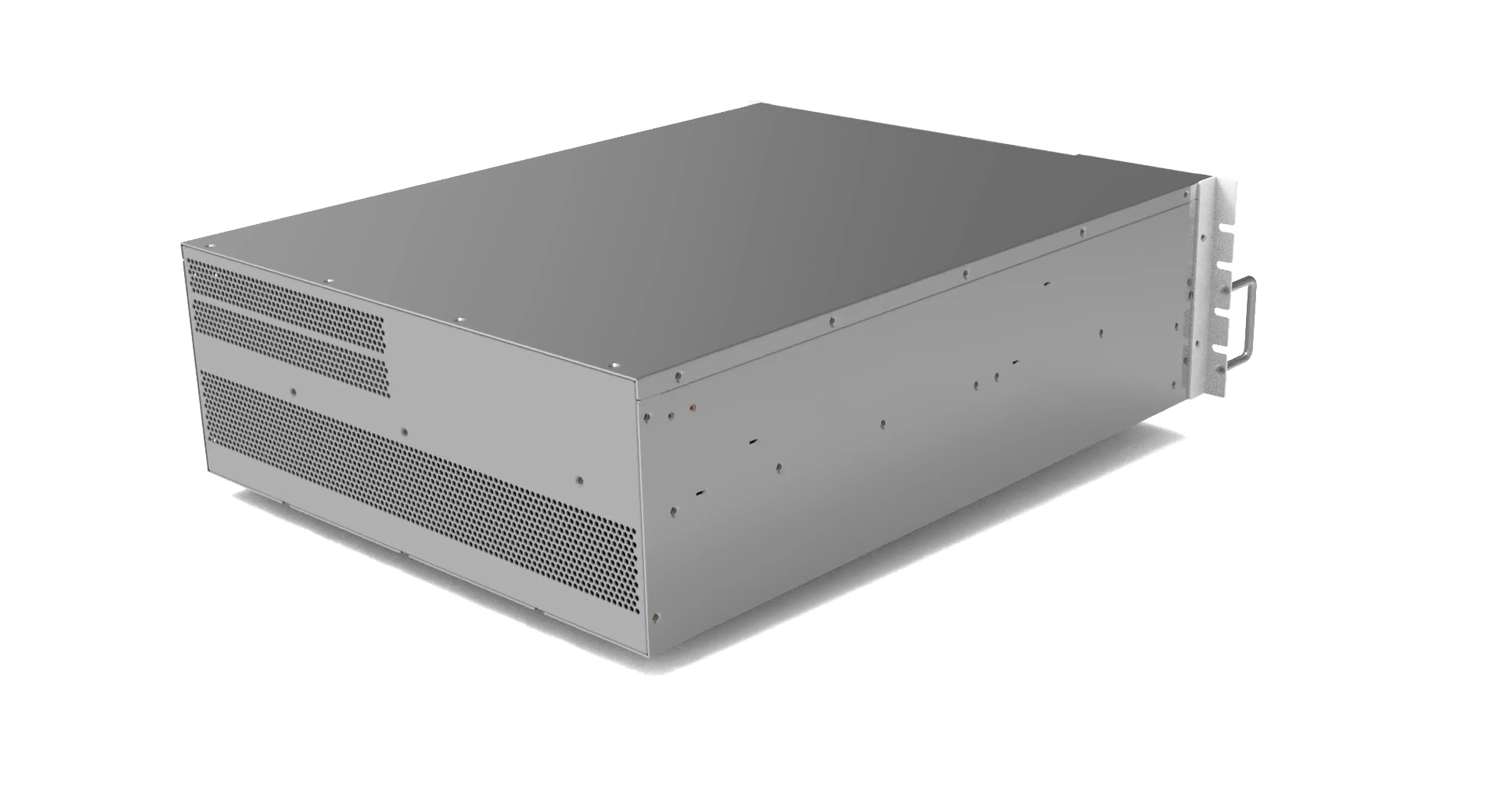
Electric vehicle adoption continues to accelerate globally, driven by environmental concerns and technological advancement. However, the infrastructure supporting these vehicles must evolve to meet growing demand. A bidirectional DC-DC converter plays a crucial role in modern EV charging systems, enabling smarter energy management, vehicle-to-grid capabilities, and improved charging efficiency. Understanding why organizations choose bidirectional DC-DC converter technology is essential for fleet managers, charging station operators, and automotive engineers planning scalable EV solutions.
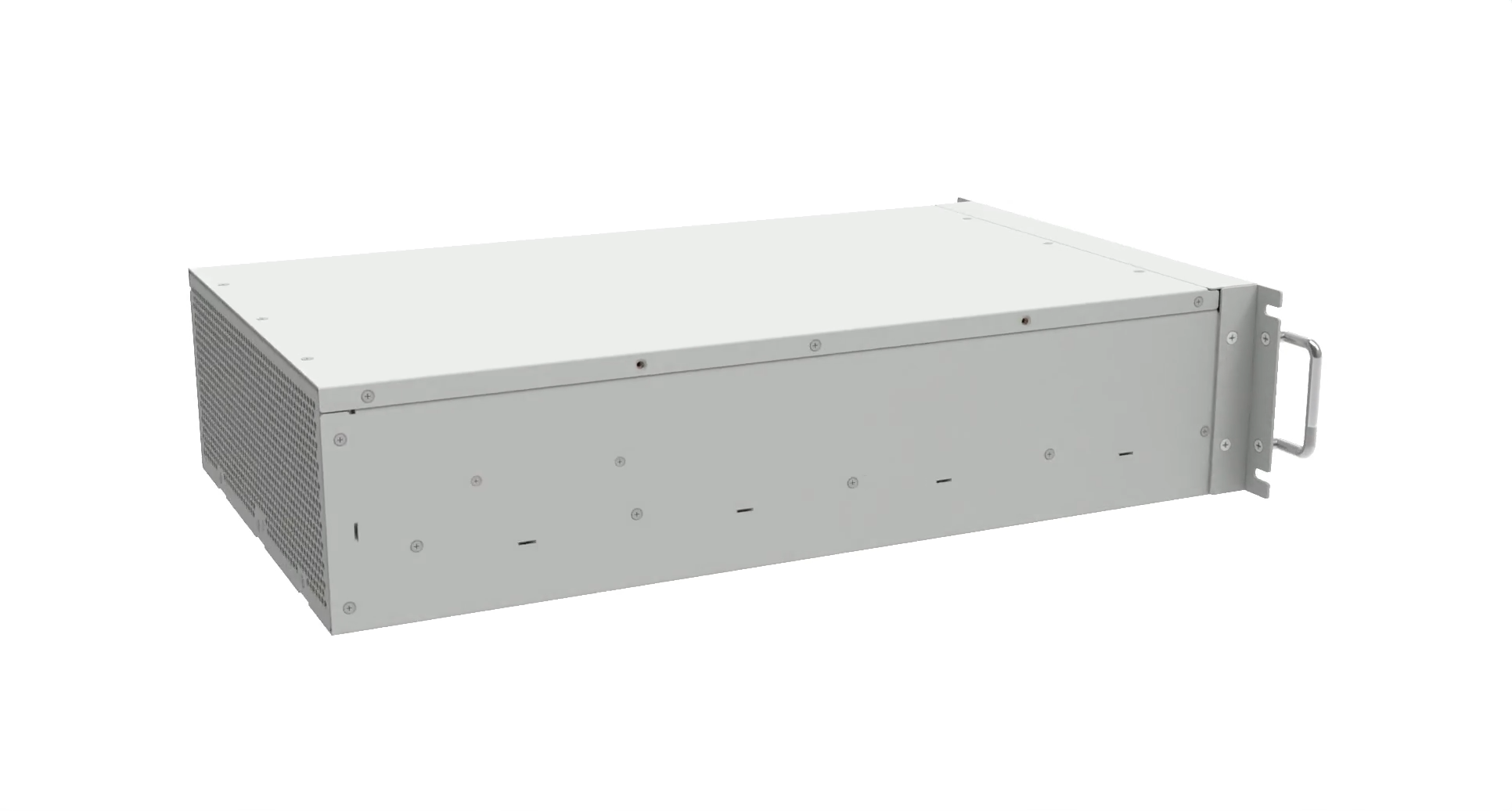
A bidirectional DC-DC converter facilitates power flow in both directions, allowing energy to move from the grid to the vehicle battery and from the vehicle battery back to the grid or load. This dual functionality transforms how EV charging stations operate, creating opportunities for energy arbitrage, grid stabilization, and emergency backup power. The strategic adoption of bidirectional DC-DC converter systems addresses multiple operational and environmental objectives simultaneously.
Enhanced Energy Efficiency and Power Management
Optimizing Charging Speed and Battery Health
A bidirectional DC-DC converter regulates voltage and current with precision, ensuring optimal charging profiles that extend battery lifespan. When charging rates exceed battery tolerance, the bidirectional DC-DC converter dynamically adjusts power delivery, preventing thermal stress and degradation. This intelligent management reduces replacement cycles and maximizes the total cost of ownership for fleet operators managing hundreds of vehicles.
Modern lithium-ion batteries degrade faster under rapid charging conditions. A bidirectional DC-DC converter implements adaptive charging algorithms that monitor battery state and adjust power flow accordingly. The result is faster overall charging when batteries are healthy and protective charging when conditions warrant caution. Operators using bidirectional DC-DC converter technology report reduced warranty claims and extended vehicle service life by 15 to 25 percent.
Reducing Energy Losses in High-Power Scenarios
Traditional unidirectional charging systems waste energy as heat during power conversion. A bidirectional DC-DC converter employs advanced switching topologies and semiconductor materials that minimize conversion losses. At industrial charging stations where multiple vehicles charge simultaneously, the bidirectional DC-DC converter's efficiency gains compound across thousands of charging cycles annually.
Energy loss reduction directly impacts operational costs. For a facility charging 50 vehicles daily, switching to bidirectional DC-DC converter systems can reduce energy consumption by 8 to 12 percent, translating to substantial monthly savings. The bidirectional DC-DC converter achieves this through synchronized rectification, active power factor correction, and resonant switching techniques unavailable in simpler charging architectures.
Vehicle-to-Grid and Emergency Power Capabilities
Enabling Grid Support and Peak Load Management
A bidirectional DC-DC converter unlocks vehicle-to-grid functionality, allowing EV batteries to discharge power back to the electrical grid during peak demand periods. Utilities benefit from distributed energy resources that help stabilize the grid and reduce reliance on expensive peaking power plants. The bidirectional DC-DC converter transforms parked vehicles into flexible energy assets that generate revenue for owners while supporting grid reliability.
Grid operators increasingly value this flexibility. A bidirectional DC-DC converter enables coordinated charging and discharging that flattens demand peaks and fills demand valleys. This demand-response capability is particularly valuable in regions with high renewable energy penetration, where solar and wind variability creates grid stress. The bidirectional DC-DC converter acts as an intelligent buffer, absorbing excess renewable generation and releasing power when renewables underperform.
Providing Backup Power for Critical Operations
Businesses operating critical infrastructure increasingly recognize the value of mobile energy storage. A bidirectional DC-DC converter enables EV batteries to power essential loads during grid outages or emergencies. Hospitals, data centers, and manufacturing facilities can leverage parked vehicles as uninterruptible power supplies, maintaining operations during unexpected disruptions. The bidirectional DC-DC converter seamlessly manages the transition from grid to battery power and back.
This capability creates substantial business resilience. Organizations implementing bidirectional DC-DC converter technology report reduced downtime risk and lower insurance premiums. The bidirectional DC-DC converter ensures that critical equipment receives stable power during transitions, preventing damage and data loss. For remote locations or facilities facing frequent outages, a bidirectional DC-DC converter investment pays dividends through improved operational continuity and reduced emergency costs.
Future-Proofing EV Infrastructure and Grid Integration
Adapting to Evolving Energy Markets
Energy markets continue evolving toward decentralized generation and dynamic pricing. A bidirectional DC-DC converter positions charging infrastructure to participate in emerging markets like frequency regulation, capacity markets, and real-time energy trading. Infrastructure operators deploying bidirectional DC-DC converter systems today can monetize capabilities that become standard tomorrow, protecting capital investments against technological obsolescence.
Regulatory frameworks increasingly mandate bidirectional capabilities. The bidirectional DC-DC converter ensures compliance with emerging standards in Europe, Asia, and North America that require vehicle-to-grid functionality in new charging installations. Early adoption of bidirectional DC-DC converter technology avoids costly retrofits and positions operators as technology leaders in competitive markets.
Scalability and Smart Grid Integration
Large-scale EV deployments require sophisticated energy management. A bidirectional DC-DC converter integrates seamlessly with smart grid controllers and microgrid systems that optimize renewable energy utilization. The bidirectional DC-DC converter communicates grid status to vehicles, coordinating charging to maximize benefits from solar, wind, and other distributed sources. This integration capability transforms charging networks into intelligent energy ecosystems rather than static infrastructure.
Facilities with bidirectional DC-DC converter infrastructure can scale operations without proportional grid upgrades. By managing vehicle charging strategically, a bidirectional DC-DC converter system reduces peak demand, allowing more vehicles to charge at existing facilities. bidirectional DC-DC converter technology enables operational expansion through software and coordination rather than expensive infrastructure expansion.
FAQ
What distinguishes a bidirectional DC-DC converter from standard DC-DC converters?
A bidirectional DC-DC converter enables power flow in both directions, allowing energy to move from source to load and from load back to source. Standard unidirectional converters only allow one-way power flow. This dual capability enables vehicle-to-grid functionality, emergency backup power, and dynamic load management that unidirectional systems cannot provide. The bidirectional DC-DC converter's additional complexity and control sophistication justify the investment in applications requiring flexibility and energy optimization.
How does a bidirectional DC-DC converter improve charging station economics?
A bidirectional DC-DC converter improves economics through multiple pathways: reduced energy losses lower operational costs, vehicle-to-grid capabilities generate revenue, and grid support services create additional income streams. The bidirectional DC-DC converter extends battery life through intelligent management, reducing replacement costs for fleet operators. Over five to ten years, these accumulated benefits typically exceed the initial premium paid for bidirectional DC-DC converter systems compared to basic alternatives.
Is bidirectional DC-DC converter technology ready for widespread deployment?
Yes, bidirectional DC-DC converter technology is mature and commercially available from multiple suppliers. The bidirectional DC-DC converter has been deployed successfully in thousands of charging stations worldwide, with proven reliability and performance. Regulatory frameworks increasingly mandate bidirectional capabilities, confirming that bidirectional DC-DC converter technology represents the future of EV infrastructure. Organizations planning new charging installations should prioritize bidirectional DC-DC converter solutions to ensure compliance and competitive advantage.