
 EN
EN
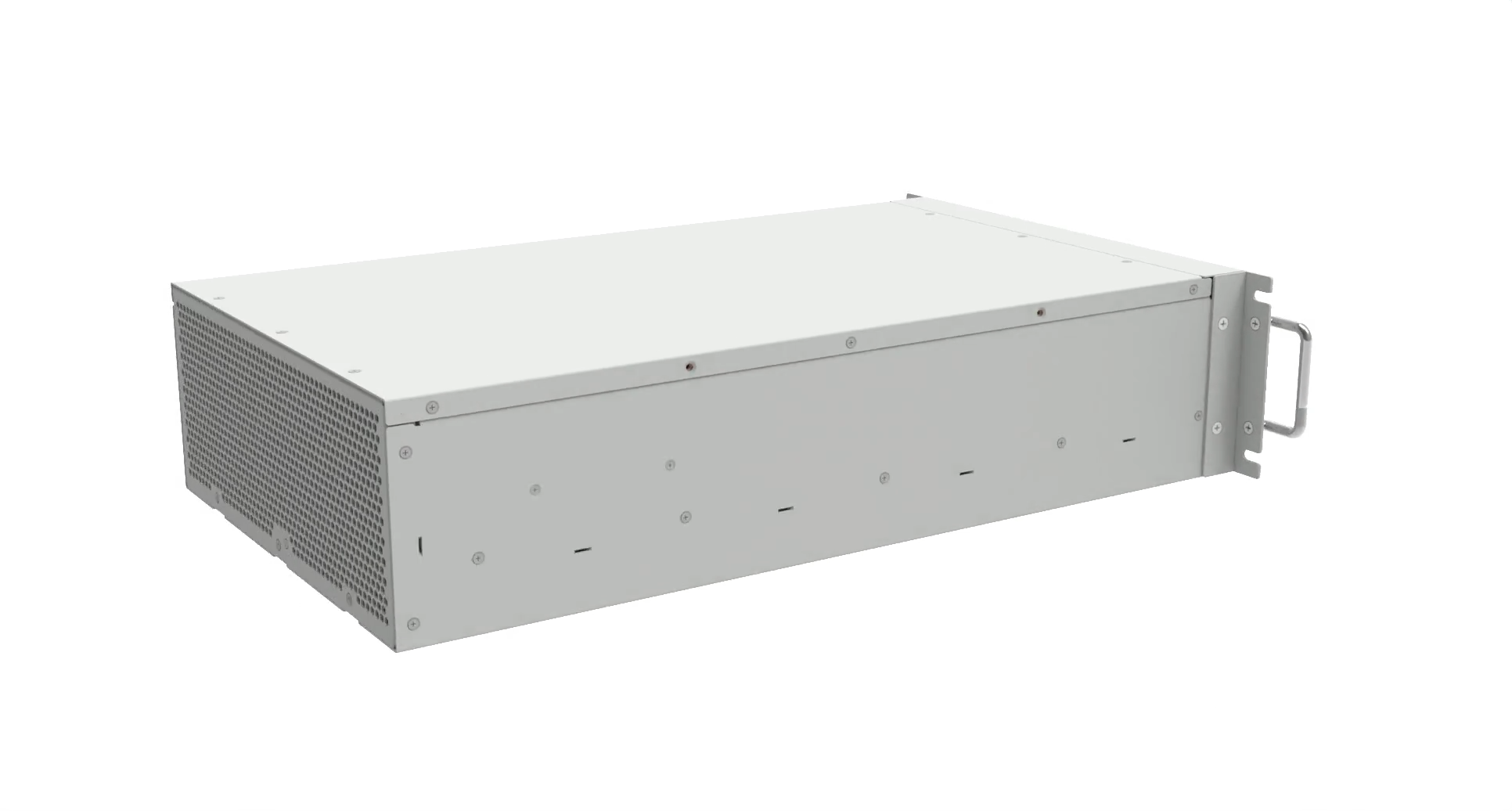
Battery energy storage systems (BESS) represent a critical infrastructure component for renewable energy integration, grid stabilization, and backup power applications. At the heart of every modern BESS deployment lies a high efficiency DC-DC converter, a sophisticated power electronics device that manages energy flow between battery packs and the electrical system. Understanding the benefits of a high efficiency DC-DC converter helps operators, engineers, and decision-makers optimize system performance and realize measurable economic returns on their energy storage investments.
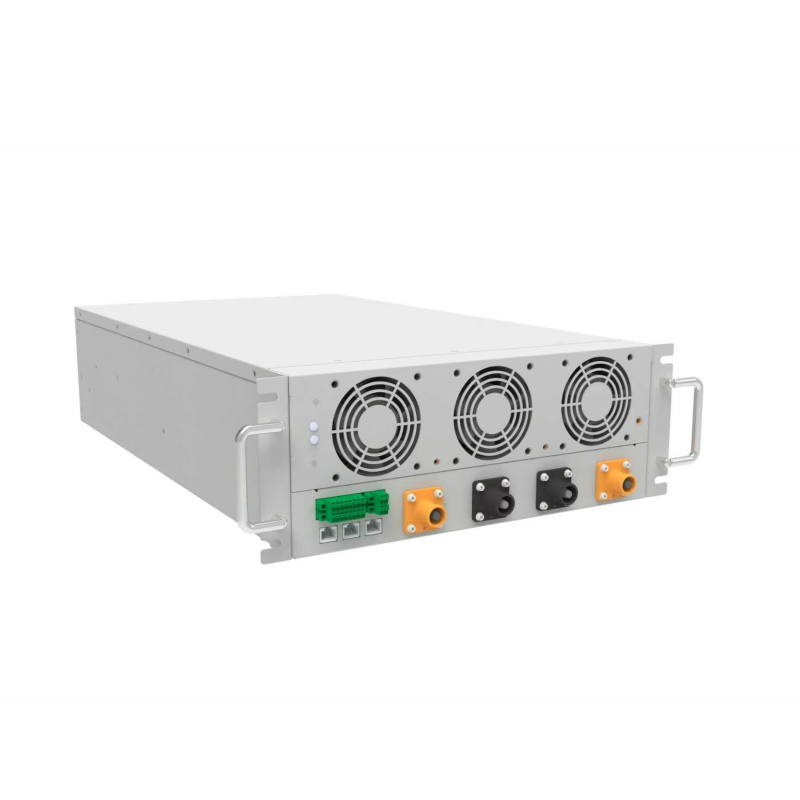
A high efficiency DC-DC converter delivers voltage regulation, power loss minimization, and seamless bidirectional energy transfer within battery storage installations. These converters operate at efficiency levels frequently exceeding 98 percent, which translates directly into reduced thermal stress, extended equipment lifespan, and lower operational costs. The technology fundamentally shapes whether a BESS investment achieves its intended financial and performance targets.
Maximizing Energy Throughput and System Efficiency
Energy Loss Reduction Through Advanced Converter Design
Every percentage point of efficiency improvement in a high efficiency DC-DC converter directly impacts the total energy available for delivery or charge cycles. When a BESS operates with a lower-efficiency converter, resistive losses accumulate rapidly, dissipating energy as wasted heat rather than delivering it to the grid or load. A high efficiency DC-DC converter minimizes these parasitic losses by employing advanced semiconductor topologies, including synchronous switching and soft-switching techniques that reduce switching losses and conduction losses simultaneously.
For large-scale BESS installations rated at megawatt scales, the cumulative energy savings become substantial. A 2 percent efficiency improvement translates into millions of additional kilowatt-hours delivered annually, which directly increases revenue from energy arbitrage and ancillary services. The high efficiency DC-DC converter thus functions as a revenue multiplier, allowing storage operators to extract greater commercial value from the same installed battery capacity.
Thermal Management and Operational Reliability
Lower power losses mean lower heat generation within the converter housing. A high efficiency DC-DC converter generates minimal thermal stress on internal components, reducing cooling requirements and extending component service intervals. This thermal advantage extends the operational life of power semiconductors, capacitors, and magnetic elements, creating a direct pathway to reduced maintenance costs and improved asset reliability.
Facilities with constrained cooling infrastructure benefit especially from high efficiency DC-DC converter adoption. By reducing heat output, operators can deploy BESS in environments where traditional lower-efficiency converters would trigger thermal throttling or require expensive augmented cooling systems. The high efficiency DC-DC converter enables flexible facility design and faster project deployment timelines.
Financial and Economic Benefits
Return on Investment Through Operational Savings
The investment premium associated with premium high efficiency DC-DC converter technology typically returns through operational savings within 3 to 5 years. Energy losses avoided accumulate month after month, year after year, producing quantifiable cost reductions that cascade across the battery system's 10 to 20 year operational horizon. A high efficiency DC-DC converter rated at 250 kilowatts, for example, can save tens of thousands of dollars in electricity losses over its operational lifetime compared to baseline converter options.
Grid operators and renewable energy integrators increasingly prioritize high efficiency DC-DC converter specifications during BESS procurement. The financial modeling explicitly accounts for efficiency-driven operational cost reductions, recognizing that efficiency represents a form of capital multiplier within battery storage economics. Premium efficiency becomes justifiable because the high efficiency DC-DC converter delivers measurable, quantifiable returns.
Extended Battery Pack Longevity
Battery cell cycling stress correlates directly with energy conversion efficiency. When a high efficiency DC-DC converter minimizes energy losses, battery cells experience reduced stress and lower thermal exposure during charge and discharge events. This gentler operational environment extends battery calendar life and cycle life, delaying expensive battery replacement and maximizing the return on the entire BESS capital investment.
The combined effect of a high efficiency DC-DC converter and extended battery life produces compounding economic benefits. Operators reduce both electrical losses and battery replacement frequency, creating a dual cost advantage that strengthens the BESS project economics and improves long-term profitability metrics.
Grid Support and Advanced Control Capabilities
Bidirectional Power Flow and Grid Services
Modern BESS applications require bidirectional power flow, where energy moves smoothly from battery to grid during discharge and from grid to battery during charging phases. A high efficiency DC-DC converter excels at managing this bidirectional energy transfer with minimal losses in both directions, enabling consistent performance whether the BESS is supplying power or absorbing it. This symmetrical efficiency characteristic ensures reliable frequency support, voltage regulation, and rapid response to grid events.
Grid operators value BESS installations equipped with high efficiency DC-DC converter technology because these systems can provide ancillary services at higher reliability levels. Frequency response performance, reactive power support, and voltage stabilization all benefit from the reduced latency and improved signal fidelity that premium high efficiency DC-DC converter designs deliver. The converter's efficiency advantage translates into superior grid support capability.
Integration with Renewable Energy and Microgrid Systems
Renewable energy sources like solar and wind produce variable output that requires intelligent buffering through BESS installations. A high efficiency DC-DC converter matches the dynamic nature of renewable generation by enabling rapid ramping and precise power level control without sacrificing efficiency during transient operations. Microgrid systems particularly benefit from high efficiency DC-DC converter technology, as microgrids demand repeated charge-discharge cycling that quickly reveals efficiency advantages or disadvantages.
The seamless integration enabled by a high efficiency DC-DC converter allows renewable energy sources to displace fossil fuel generation more effectively. By minimizing conversion losses, the high efficiency DC-DC converter preserves the full economic value of renewable energy resources and accelerates the transition toward cleaner electrical infrastructure. This environmental and economic alignment strengthens the business case for BESS deployment.
FAQ
What efficiency level should I target when selecting a high efficiency DC-DC converter for BESS applications?
Leading high efficiency DC-DC converter designs consistently achieve efficiency ratings of 98 percent or higher under rated load conditions. For mission-critical BESS installations, target converters that maintain efficiency above 97 percent across at least 50 to 100 percent of rated power output. This performance envelope ensures minimal energy loss throughout typical operational duty cycles and maximizes the financial benefits across the asset lifetime.
How does a high efficiency DC-DC converter improve BESS response time to grid requests?
A high efficiency DC-DC converter with advanced control architectures responds to grid command signals faster than conventional converter designs. Reduced power dissipation allows the converter control circuitry to operate with lower latency, and the stable thermal environment enables more aggressive control parameters without triggering protective shutdowns. Grid operators value this responsive behavior because rapid BESS response strengthens frequency stability and voltage support capabilities.
Can a high efficiency DC-DC converter retrofit into existing BESS installations?
Retrofit feasibility depends on the existing system architecture and connector interfaces. Many BESS installations can accommodate high efficiency DC-DC converter upgrades when electrical compatibility and mechanical mounting specifications align with the original equipment design. Consulting with the BESS manufacturer and the converter supplier ensures compatibility assessment before retrofit commitment, allowing operators to capture efficiency improvements and cost savings through strategic equipment upgrades.