
 EN
EN
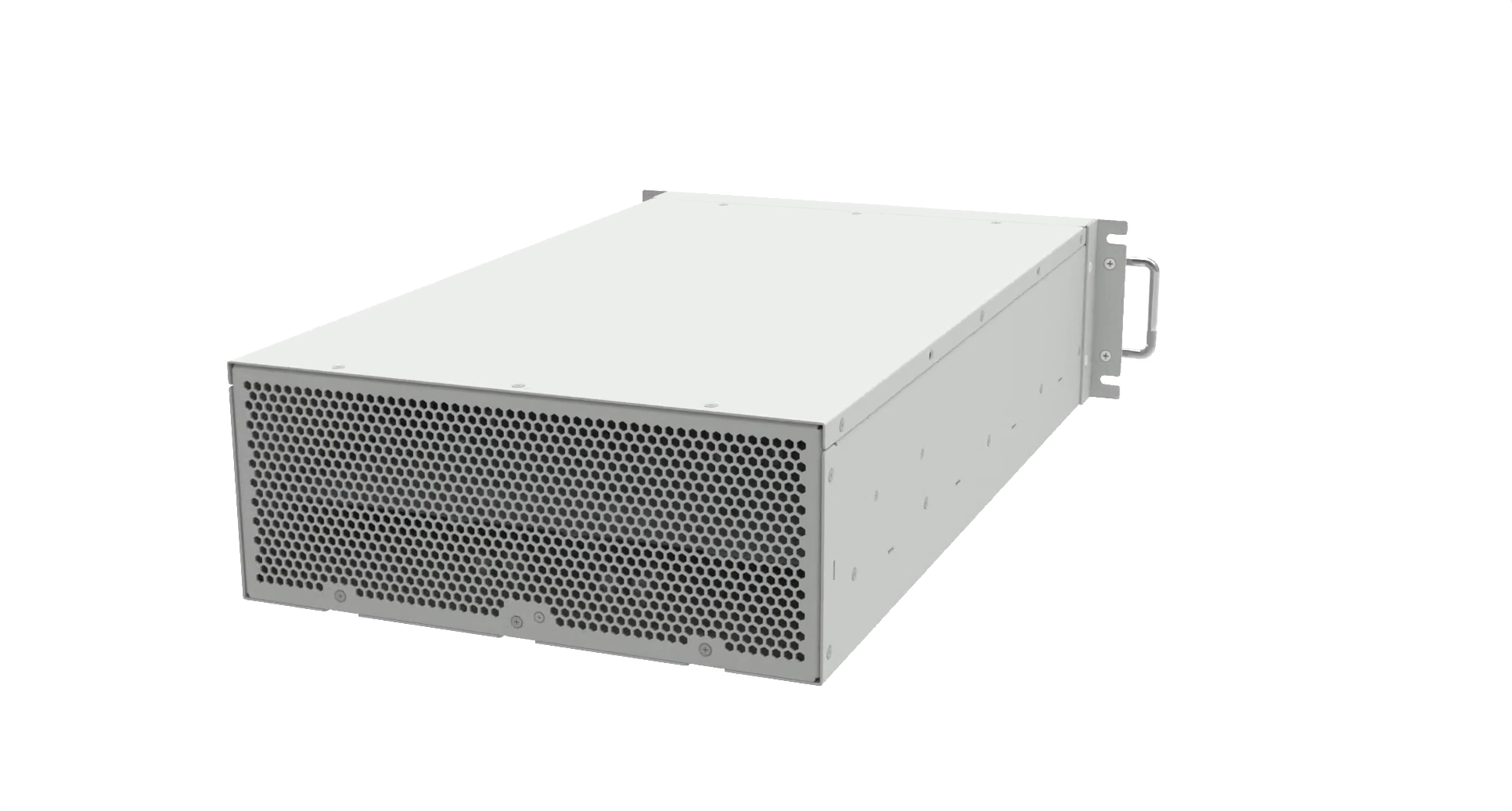
Battery management systems demand precise power conversion technology to maintain safety, efficiency, and longevity. An isolated bidirectional DC-DC converter serves as a critical component in modern energy storage applications, enabling seamless power flow between battery banks and load circuits while providing galvanic isolation for fault protection. Whether you are designing a solar backup system, electric vehicle charging infrastructure, or industrial uninterruptible power supply, selecting the right isolated bidirectional DC-DC converter directly impacts system reliability, cost-effectiveness, and thermal performance.
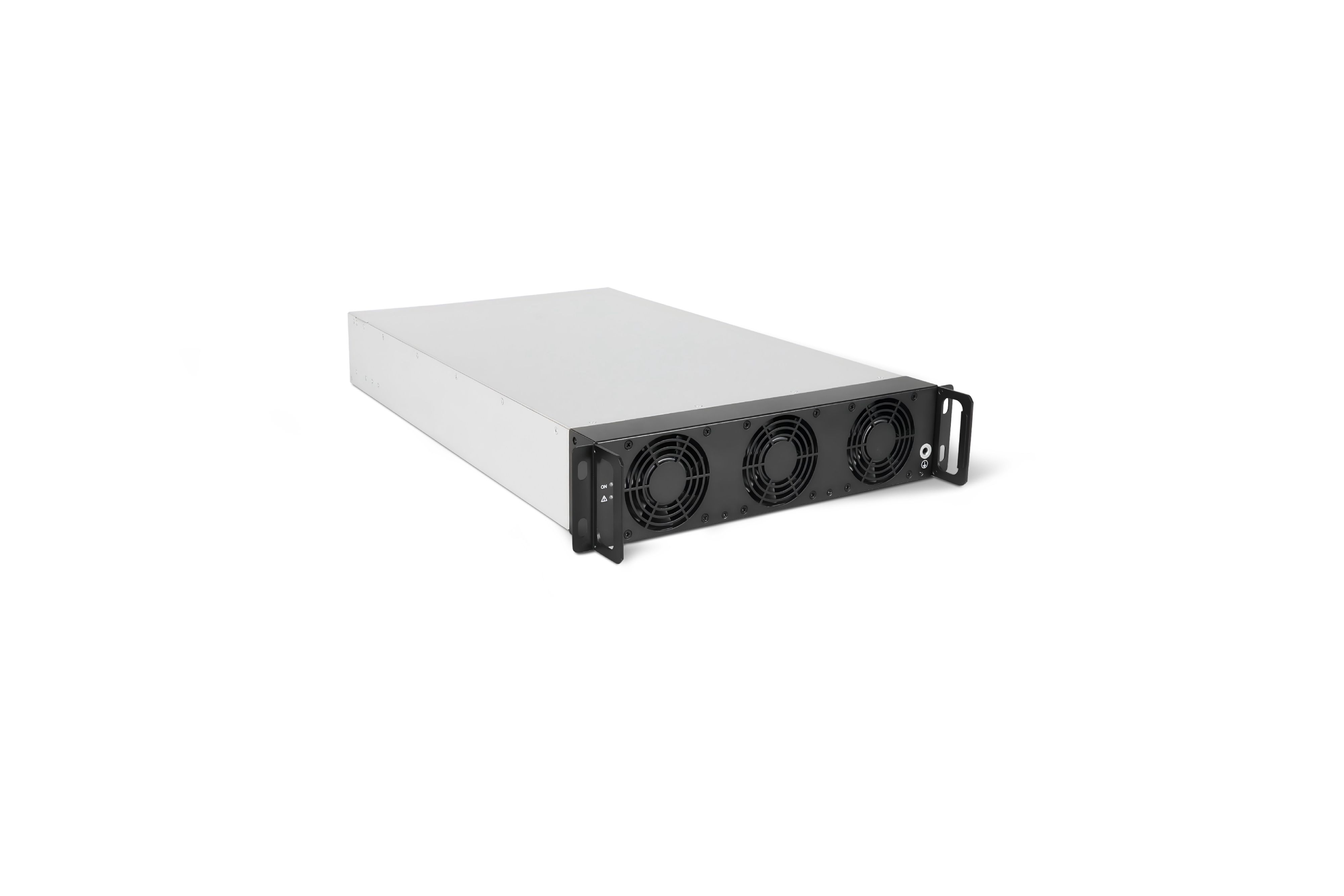
The process of selecting an isolated bidirectional DC-DC converter requires understanding fundamental electrical specifications, isolation requirements, thermal limits, and application-specific constraints. This guide walks you through the essential criteria and decision-making framework to ensure your chosen converter meets safety standards, operational demands, and budget considerations for your unique battery management scenario.
Understanding Core Specifications and Isolation Ratings
Input and Output Voltage Requirements
Every isolated bidirectional DC-DC converter must match your system's voltage levels precisely. The input voltage range defines the battery bank configuration, while the output voltage determines load compatibility. An isolated bidirectional DC-DC converter rated for 48V input might serve a typical industrial battery stack, while 400V models support higher-power applications. Verify that the converter's nominal input and output ratings accommodate your specific voltage range, including transient overvoltage conditions that occur during charge-discharge transitions. Undersizing voltage margins increases stress on semiconductor components and reduces converter lifespan.
Isolation Voltage and Safety Standards
Galvanic isolation in an isolated bidirectional DC-DC converter protects personnel and equipment from fault currents and ground loop disturbances. Isolation voltage ratings typically range from 1500V to 4000V, depending on safety classification and application environment. Select an isolated bidirectional DC-DC converter with isolation ratings that exceed your system's worst-case fault voltage scenario. IEC 61010 and UL standards define isolation categories for medical and industrial applications; renewable energy systems often require reinforced isolation for ground-fault protection. The isolation transformer inside an isolated bidirectional DC-DC converter must withstand both continuous voltage and transient surges without dielectric breakdown.
Power Capacity, Efficiency, and Thermal Performance
Rated Power and Bidirectional Current Rating
An isolated bidirectional DC-DC converter must handle your peak charge and discharge current without exceeding thermal limits. Power rating directly influences converter size, cost, and thermal footprint. A 5 kW isolated bidirectional DC-DC converter suits residential solar systems, while industrial applications may demand 10 kW to 50 kW units. Bidirectional converters operate in both buck mode (charging) and boost mode (discharging), so the rated current must apply equally in both directions. Oversizing the converter reduces thermal stress and extends operational life, but increases capital cost; undersizing forces the converter to run at full capacity continuously, degrading efficiency and reliability.
Efficiency Curves and Operating Windows
Efficiency of an isolated bidirectional DC-DC converter varies across the power range and operating temperature. Examine efficiency curves at 25% load, 50% load, and 100% load to understand real-world performance. Most converters achieve peak efficiency between 50% and 75% of rated power; operating below 20% load often triggers efficiency collapse. An isolated bidirectional DC-DC converter with 95% peak efficiency may drop to 85% efficiency at 10% load, significantly affecting energy costs over time. Thermal management becomes critical in confined installations; converters with active cooling maintain performance during extended high-power cycles, while passive cooling limits sustained power delivery.
Temperature Rise and Derating Factors
Temperature rise determines how much power an isolated bidirectional DC-DC converter can deliver in your specific environment. Ambient temperature, enclosure ventilation, and component density all influence thermal behavior. An isolated bidirectional DC-DC converter rated for 50°C ambient may require 25% power derating in 40°C tropical climates due to reduced heat dissipation. Read the thermal derating curve carefully; some converters lose 2–3% of rated power for every 10°C temperature increase above reference conditions. Junction temperature limits inside the converter's semiconductor switch es typically range from 125°C to 150°C; ensuring adequate thermal margin prevents thermal runaway and extends MTBF (mean time between failures).
Protection Features and Control Integration
Overcurrent, Overvoltage, and Fault Response
Battery safety depends critically on fault protection within an isolated bidirectional DC-DC converter. Current limiting protects the converter and battery from short-circuit damage; soft-start circuitry reduces inrush current during startup. Overvoltage protection prevents converter damage if the output voltage exceeds safe limits; some converters incorporate clamping circuits that dissipate energy safely. An isolated bidirectional DC-DC converter should also feature under-voltage lockout to prevent operation at insufficient input voltage, and temperature shutdown to halt operation if internal sensors detect thermal overstress. Fast response times—typically 1–10 microseconds—minimize damage when faults occur.
Communication Protocol and Control Interface
Modern isolated bidirectional DC-DC converters integrate digital control via CAN bus, ModBus, or proprietary interfaces for battery management system integration. CAN-based isolated bidirectional DC-DC converters enable real-time state monitoring, dynamic power flow control, and remote diagnostics from a central energy management computer. Analog input options allow simple voltage-based load control in legacy systems. Ensure your chosen isolated bidirectional DC-DC converter supports the communication standard already deployed in your facility infrastructure. Converters with programmable control logic allow customization of charge profiles, discharge limits, and fault thresholds without hardware modification, reducing commissioning time and enabling adaptive energy management strategies.
Sizing Strategy and Application Context
Matching Load Profile and Battery Chemistry
Application-specific factors influence isolated bidirectional DC-DC converter selection significantly. Lithium iron phosphate batteries tolerate faster charge rates than lead-acid systems, requiring converters with higher current capacity and responsive charge control. An isolated bidirectional DC-DC converter for a solar hybrid system must handle rapid transients when clouds block sunlight, necessitating converters with stable output regulation and fast voltage response. Grid-tie applications demand converters with synchronized switching to maintain phase coherence with line voltage. The duty cycle—percentage of time the converter operates at full power—affects thermal design; intermittent-duty converters can be smaller than continuous-duty units serving the same peak power.
Redundancy, Modularity, and Future Expansion
Some mission-critical systems deploy parallel isolated bidirectional DC-DC converters for fault tolerance and load sharing. Modular architectures allow starting with a single isolated bidirectional DC-DC converter and adding identical units as system capacity expands. Verify that your chosen isolated bidirectional DC-DC converter supports parallel operation and features appropriate current sharing logic to prevent one unit from carrying disproportionate load. Standardizing on a single converter model across multiple installations reduces spare parts inventory and simplifies maintenance training. Consider whether expansion from 10 kW to 20 kW requires replacing the existing unit or adding a second identical converter; modular designs offer greater operational flexibility and lower long-term cost of ownership.
FAQ
What isolation voltage rating should an isolated bidirectional DC-DC converter have for residential solar backup systems?
Residential installations typically require an isolated bidirectional DC-DC converter with 1500V to 2000V isolation rating, meeting UL and IEC standards for fault protection. This isolation level prevents dangerous ground faults if battery terminals contact earth ground during failure. Consult your local electrical code and system designer to confirm the specific isolation requirement for your climate zone and installation method.
Can an isolated bidirectional DC-DC converter designed for 48V operation safely handle transient voltage spikes above 60V?
An isolated bidirectional DC-DC converter includes overvoltage protection circuits rated for specific transient limits, typically 120–150% of nominal voltage for brief durations. If your system experiences severe voltage spikes exceeding the converter's design margin, install external surge protection or specify a converter with higher voltage rating. Always review the absolute maximum voltage specification in the converter datasheet before finalizing your selection.
How does temperature affect the power rating of an isolated bidirectional DC-DC converter in tropical climates?
An isolated bidirectional DC-DC converter typically experiences 2–4% power derating for every 10°C above 25°C reference temperature. In 45°C tropical climates, a 10 kW converter might deliver only 8–8.5 kW safely due to thermal derating. Verify the thermal derating curve for your specific converter model and add 20–30% power margin to the calculated requirement when designing systems for high-temperature environments.
Table of Contents
- Understanding Core Specifications and Isolation Ratings
- Power Capacity, Efficiency, and Thermal Performance
- Protection Features and Control Integration
- Sizing Strategy and Application Context
-
FAQ
- What isolation voltage rating should an isolated bidirectional DC-DC converter have for residential solar backup systems?
- Can an isolated bidirectional DC-DC converter designed for 48V operation safely handle transient voltage spikes above 60V?
- How does temperature affect the power rating of an isolated bidirectional DC-DC converter in tropical climates?