
 EN
EN
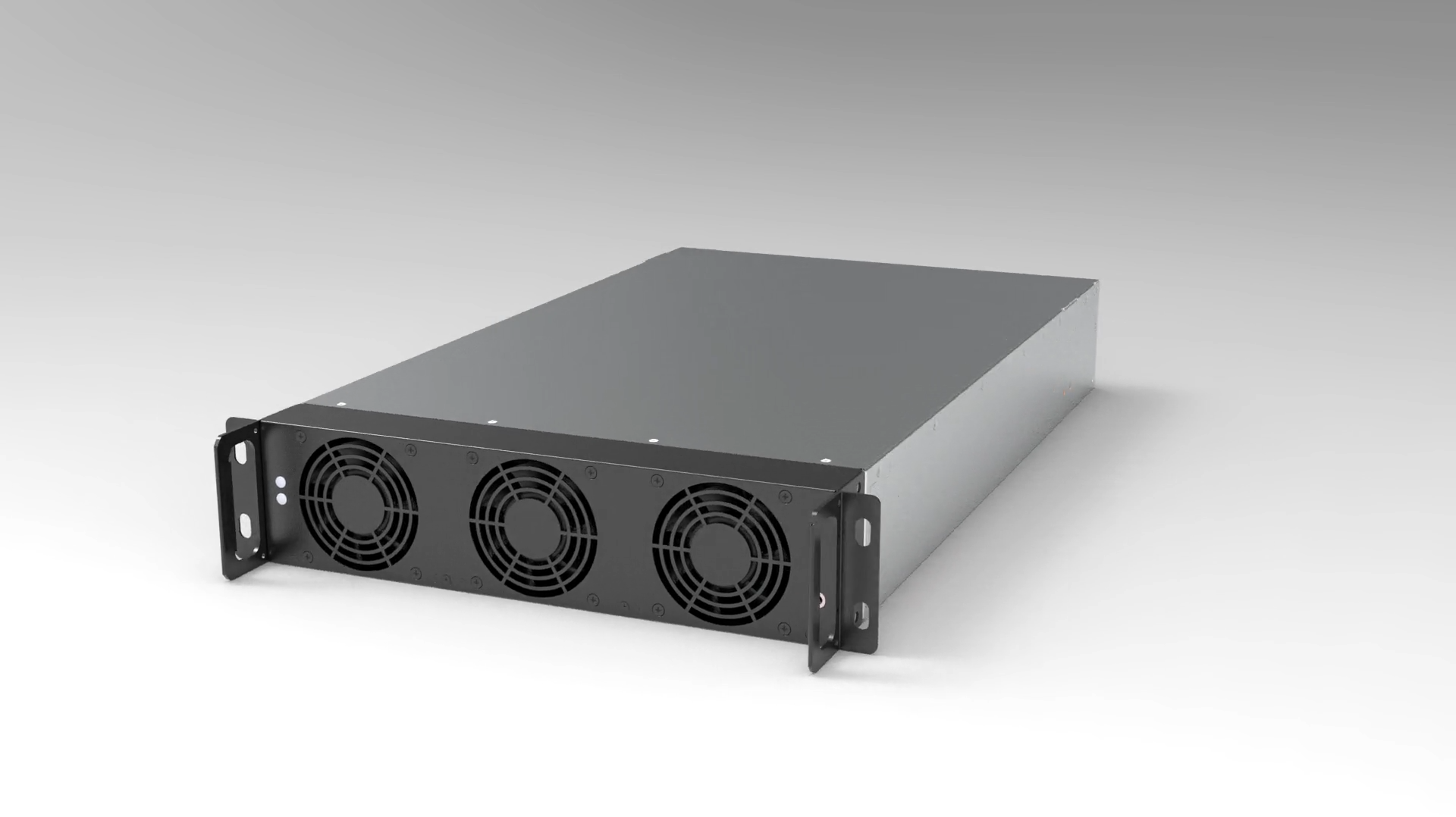
Maintaining PSU stability in continuous high-load computing environments represents one of the most critical challenges facing data centers, cryptocurrency mining operations, and industrial computing facilities today. When systems operate around the clock under maximum load conditions, power supply units experience extreme thermal stress, electrical demands, and component degradation that can lead to catastrophic failures and costly downtime. Understanding the fundamental principles of PSU stability ensures reliable operation while protecting valuable computing assets from power-related damage.
Understanding Power Supply Fundamentals in High-Load Environments
Critical Components Affecting PSU Performance
Power supply units consist of multiple interconnected components that work together to deliver stable DC power from AC mains electricity. The primary transformer handles voltage conversion while capacitors smooth ripple voltages and provide energy storage during brief power interruptions. Switching transistors control power flow with precision timing, and cooling systems prevent thermal damage to sensitive semiconductor components. Each element contributes to overall PSU stability and requires careful consideration when designing 24/7 operation protocols.
Temperature management becomes increasingly critical as load duration extends beyond normal operating periods. Electrolytic capacitors experience accelerated aging under continuous high-temperature conditions, while power MOSFETs generate substantial heat that must be efficiently dissipated. The relationship between component temperature and reliability follows exponential curves, meaning small increases in operating temperature can dramatically reduce component lifespan and compromise PSU stability over extended periods.
Load Distribution and Power Factor Considerations
Proper load distribution across multiple power rails prevents individual components from experiencing excessive stress while maintaining optimal PSU stability. Modern computing systems draw power from 12V, 5V, and 3.3V rails simultaneously, creating complex load patterns that vary with computational workload intensity. Unbalanced loading can cause voltage regulation problems, increased ripple, and thermal hotspots that threaten long-term reliability in continuous operation scenarios.
Power factor correction circuits play an essential role in maintaining grid compliance and reducing harmonic distortion that can affect PSU stability. Active PFC circuits adjust input current waveforms to match voltage patterns, improving efficiency and reducing reactive power consumption. This becomes particularly important in high-load environments where multiple units operate simultaneously and can create cumulative harmonic distortion affecting the entire electrical infrastructure.
Environmental Control Systems for Maximum Reliability
Temperature Management Strategies
Implementing comprehensive temperature management systems is fundamental to preserving PSU stability during continuous high-load operation. Ambient temperature control through HVAC systems maintains optimal operating conditions, while targeted cooling solutions address specific thermal challenges within power supply enclosures. Variable-speed fans respond dynamically to thermal loads, providing efficient cooling while minimizing acoustic noise and power consumption overhead.
Thermal monitoring systems provide real-time feedback on component temperatures and enable proactive intervention before critical thresholds are reached. Temperature sensors placed at strategic locations within PSU assemblies detect thermal anomalies that could indicate failing components or inadequate cooling performance. Advanced thermal management includes predictive algorithms that adjust cooling intensity based on workload patterns and historical thermal behavior to maintain consistent PSU stability.
Humidity and Contamination Control
Maintaining proper humidity levels prevents condensation formation that can cause short circuits and corrosion within power supply components. Relative humidity between 40-60% provides optimal conditions for electronic components while preventing static electricity buildup that can damage sensitive semiconductor devices. Dehumidification systems remove excess moisture during high-humidity periods, while humidification prevents overly dry conditions that increase static discharge risks.
Air filtration systems protect PSU internals from dust accumulation and chemical contamination that can degrade insulation properties and create conductive paths between components. HEPA filtration removes particulates that could obstruct cooling airflow or create thermal barriers on component surfaces. Regular filter maintenance ensures consistent air quality and prevents gradual degradation of PSU stability through environmental contamination over extended operating periods.
Electrical Infrastructure and Power Quality Management
Input Power Conditioning
High-quality input power forms the foundation for maintaining PSU stability in demanding applications. Voltage regulators and power conditioners eliminate fluctuations from utility power that can stress internal components and cause regulation problems. Surge protection devices prevent transient overvoltages from damaging sensitive power supply circuits, while EMI filters reduce electromagnetic interference that can affect control circuitry and measurement accuracy.
Uninterruptible power supply systems provide seamless power transfer during utility outages and condition incoming power to remove common power quality problems. Battery backup systems maintain operation during brief interruptions, while line-interactive UPS units correct voltage variations and frequency deviations automatically. This infrastructure investment significantly improves PSU stability by providing clean, consistent power under all operating conditions.
Redundancy and Load Sharing Configuration
Implementing redundant power supply configurations distributes thermal and electrical stress across multiple units while providing backup capability if individual units fail. N+1 redundancy configurations allow continued operation even when one PSU requires maintenance or experiences failure. Load sharing circuits ensure equal current distribution between parallel-connected units, preventing one unit from carrying disproportionate load that could compromise PSU stability.
Hot-swap capability enables PSU replacement without shutting down critical systems, essential for maintaining 24/7 operation requirements. Proper load sharing algorithms monitor individual unit performance and automatically redistribute loads when necessary. This approach maximizes overall system reliability while providing flexibility for maintenance activities and component upgrades without compromising continuous operation requirements.
Preventive Maintenance and Monitoring Protocols
Regular Inspection and Component Testing
Scheduled preventive maintenance programs identify potential problems before they affect PSU stability and system reliability. Visual inspections detect obvious problems like capacitor bulging, connector corrosion, or fan bearing wear that indicate impending component failure. Electrical testing verifies voltage regulation accuracy, ripple levels, and efficiency measurements that may gradually drift from specifications over time.
Thermal imaging inspections reveal hotspots and temperature variations that indicate cooling problems or component stress conditions. Regular cleaning removes dust accumulation from cooling components and electrical connections, maintaining optimal heat transfer and preventing insulation breakdown. Documentation of inspection results enables trend analysis and predictive maintenance scheduling based on actual component condition rather than arbitrary time intervals.
Real-Time Monitoring and Alert Systems
Advanced monitoring systems continuously track critical parameters that affect PSU stability including input and output voltages, current levels, temperature readings, and efficiency measurements. Digital communication interfaces enable remote monitoring and control capabilities essential for unmanned facility operations. Alert systems provide immediate notification when parameters exceed safe operating ranges or show concerning trends that require attention.
Data logging capabilities enable detailed analysis of operating patterns and help identify optimization opportunities for improved PSU stability. Historical data reveals seasonal variations, load cycle effects, and gradual performance changes that inform maintenance scheduling and replacement planning. Integration with facility management systems provides comprehensive oversight of all power-related systems and their interactions with computing loads.
Advanced Technologies for Enhanced Reliability
Digital Power Management Features
Modern power supplies incorporate digital control technologies that provide precise regulation and advanced monitoring capabilities essential for maintaining PSU stability in challenging applications. Digital feedback loops respond faster to load transients while providing more accurate voltage regulation across varying operating conditions. Programmable parameters enable optimization for specific applications and load characteristics.
Telemetry capabilities provide detailed operational data including efficiency measurements, thermal status, and fault condition reporting through standard communication protocols. This information enables proactive maintenance scheduling and helps identify optimization opportunities for improved performance. Digital control also enables advanced features like soft-start sequences and controlled shutdown procedures that reduce component stress during power transitions.
Water-Cooled and Specialized Cooling Solutions
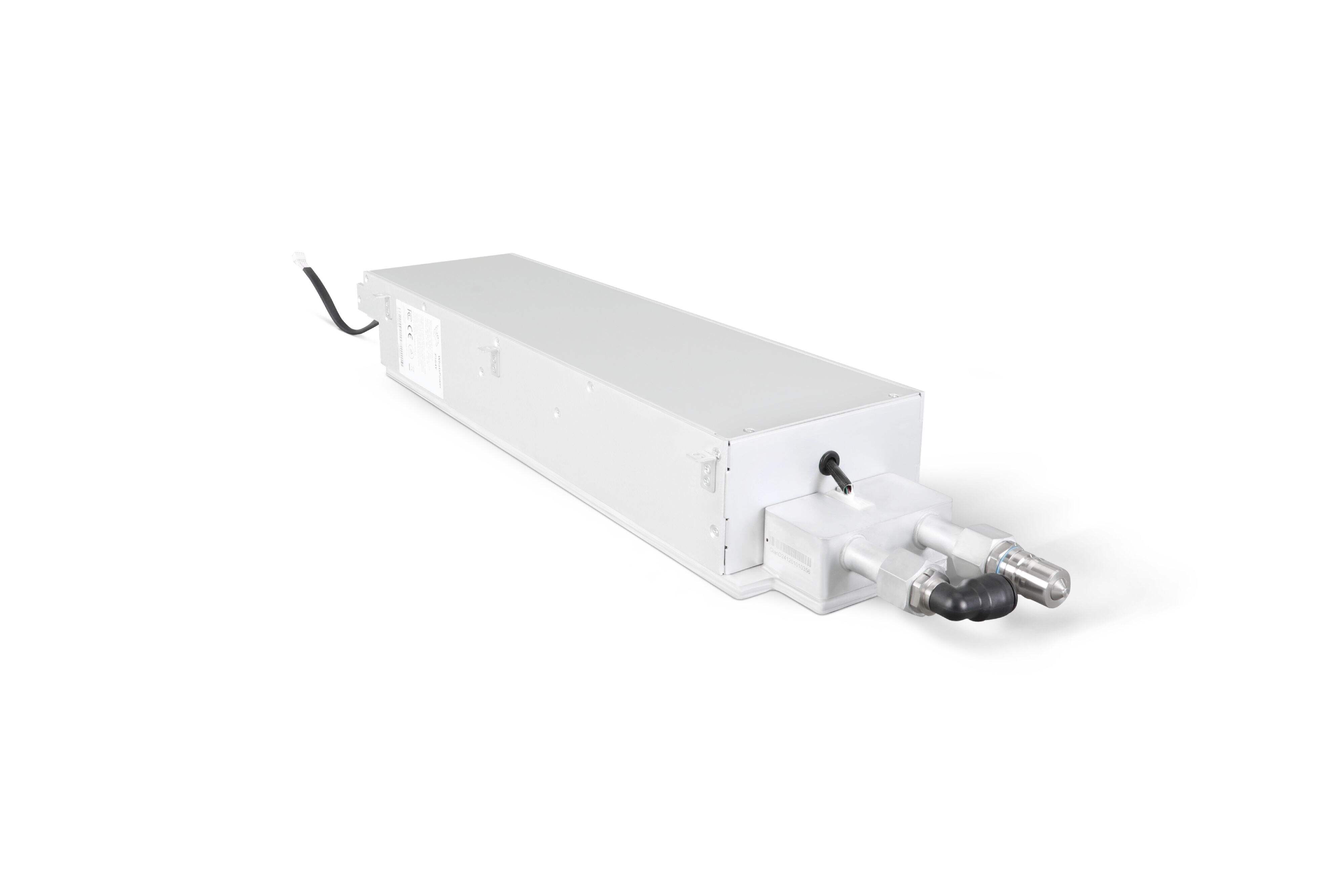
Water-cooled power supplies offer superior thermal management capabilities for extreme high-load applications where air cooling becomes inadequate for maintaining proper PSU stability. Liquid cooling systems remove heat more efficiently than air-based solutions while enabling higher power densities in compact installations. The PSU stability provided by water-cooled systems allows sustained high-power operation without thermal limitations.
Specialized cooling solutions include heat pipe technology, vapor chambers, and direct-contact cooling methods that improve thermal transfer efficiency. These advanced cooling approaches enable higher reliability and longer component life by maintaining lower operating temperatures under continuous high-load conditions. Integration with facility cooling systems provides additional thermal capacity and redundancy for critical applications.
Troubleshooting Common Stability Issues
Voltage Regulation Problems
Voltage regulation issues represent one of the most common threats to PSU stability in high-load environments. Output voltage drift can result from component aging, thermal stress, or feedback circuit problems that develop over extended operating periods. Regular voltage measurements at the load terminals verify regulation accuracy and detect gradual changes that may indicate developing problems.
Ripple voltage increases often indicate failing filter capacitors or inadequate EMI suppression that can affect sensitive electronic loads. Oscilloscope measurements reveal ripple characteristics and help identify specific component problems. Addressing regulation issues promptly prevents secondary problems and maintains the stable power delivery essential for continuous computing operations.
Thermal Management Failures
Thermal management failures quickly compromise PSU stability and can lead to catastrophic component damage if not addressed immediately. Fan failures represent the most common thermal management problem and require immediate replacement to prevent overheating damage. Temperature monitoring systems should trigger automatic shutdown procedures when safe operating temperatures are exceeded.
Heat sink effectiveness can degrade over time due to dust accumulation or thermal interface material aging. Regular cleaning and thermal compound replacement maintain optimal heat transfer characteristics. Thermal camera inspections identify developing thermal problems before component damage occurs, enabling proactive maintenance that preserves PSU stability and prevents costly failures.
FAQ
What factors most significantly impact PSU stability in 24/7 operations
Temperature management represents the most critical factor affecting PSU stability during continuous operation. Excessive heat accelerates component aging and can cause immediate failures, while proper cooling extends component life significantly. Environmental factors like humidity, dust contamination, and power quality also play important roles in maintaining long-term reliability under continuous high-load conditions.
How often should preventive maintenance be performed on high-load power supplies
Preventive maintenance frequency depends on operating conditions and environmental factors, but monthly visual inspections and quarterly detailed maintenance provide good baseline schedules for most applications. High-dust environments or extreme temperature conditions may require more frequent attention. Real-time monitoring systems help optimize maintenance intervals based on actual operating conditions rather than arbitrary schedules.
What are the warning signs of declining PSU performance
Early warning signs include gradual increases in operating temperature, declining efficiency measurements, increased output ripple, and voltage regulation drift from nominal values. Fan noise changes, visual component damage, or intermittent operation also indicate developing problems. Monitoring these parameters enables proactive intervention before complete failure occurs.
Can water-cooled power supplies improve stability in extreme applications
Water-cooled power supplies provide superior thermal management capabilities that significantly improve PSU stability in extreme high-load applications. Lower operating temperatures reduce component stress and extend service life while enabling higher power densities. The improved thermal management allows sustained operation at maximum ratings without thermal limitations that affect air-cooled units.
Table of Contents
- Understanding Power Supply Fundamentals in High-Load Environments
- Environmental Control Systems for Maximum Reliability
- Electrical Infrastructure and Power Quality Management
- Preventive Maintenance and Monitoring Protocols
- Advanced Technologies for Enhanced Reliability
- Troubleshooting Common Stability Issues
- FAQ