
 EN
EN
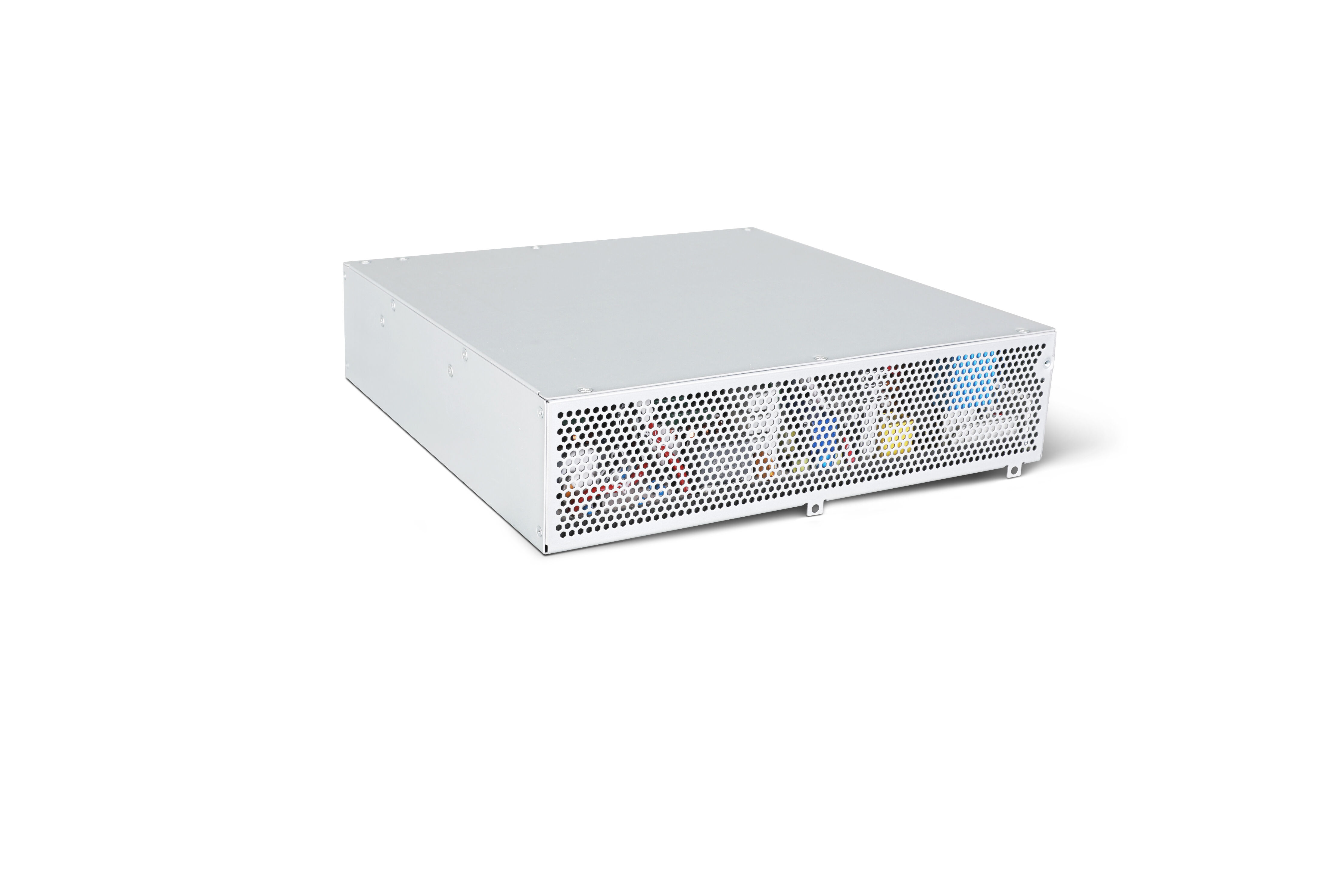
Enterprise sustainability initiatives have become a critical priority as organizations worldwide face mounting pressure to reduce their environmental impact. One often overlooked yet significant contributor to carbon emissions in commercial operations is inefficient electrical infrastructure, particularly power supply systems that waste substantial amounts of energy through heat generation and poor conversion rates. High-efficiency power supply units represent a transformative solution that can dramatically reduce energy consumption while simultaneously lowering operational costs and supporting corporate environmental goals.
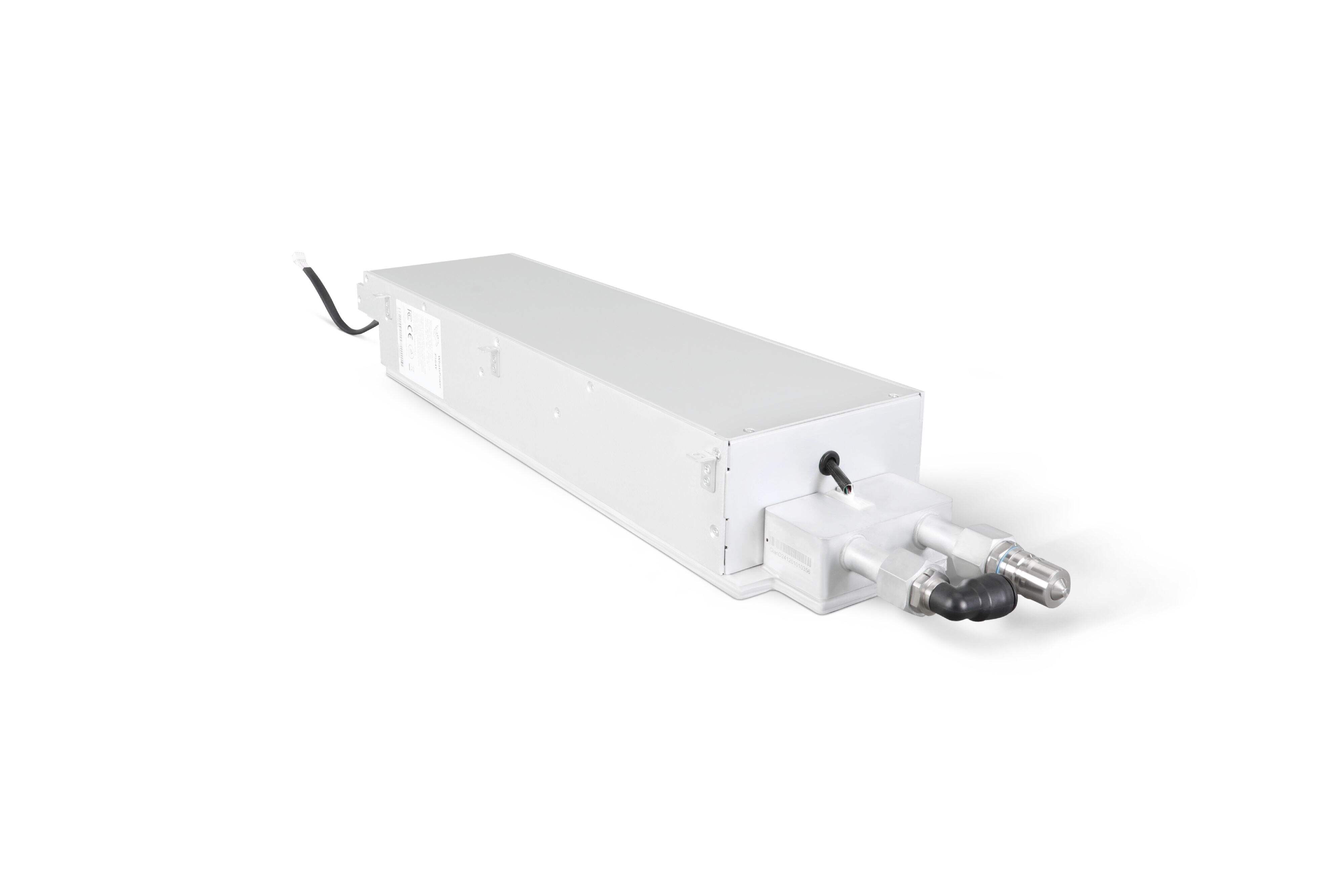
The relationship between electrical efficiency and carbon footprint reduction extends far beyond simple energy savings. Modern enterprises consume vast amounts of electricity to power everything from data centers to manufacturing equipment, and traditional power supplies often operate at efficiency levels between 70-85 percent. This means that for every dollar spent on electricity, 15-30 cents are literally converted to waste heat rather than useful work. High-efficiency power supply units, which can achieve efficiency ratings of 90-98 percent, represent a fundamental shift in how organizations can approach energy management and environmental responsibility.
Understanding the true impact of power supply efficiency requires examining the entire energy conversion chain from grid electricity to end-use applications. When enterprises implement comprehensive efficiency upgrades across their electrical infrastructure, the cumulative effect on carbon emissions can be substantial, often reducing overall facility energy consumption by 10-25 percent while providing measurable improvements in equipment reliability and operational performance.
Understanding Power Supply Efficiency and Environmental Impact
The Science Behind Efficiency Ratings
Power supply efficiency is measured as the ratio of output power to input power, expressed as a percentage. Traditional linear power supplies typically achieve efficiency ratings between 30-60 percent, while older switching power supplies might reach 70-85 percent efficiency under optimal conditions. High-efficiency power supply units utilize advanced switching topologies, superior magnetic components, and intelligent control systems to minimize energy losses during the AC-to-DC conversion process.
The efficiency rating of a power supply directly correlates with its carbon footprint impact because every watt of energy lost as heat represents electricity that must be generated at the power plant level. When considering the full energy generation chain, including transmission losses and power plant efficiency, each watt saved at the point of use prevents approximately 2-3 watts of primary energy consumption and associated carbon emissions at the generation source.
Quantifying Carbon Footprint Reduction
The carbon footprint reduction potential of high-efficiency power supply units can be calculated using regional electricity grid emission factors, which vary significantly based on the local energy generation mix. In regions where coal-fired power plants dominate the electricity grid, each kilowatt-hour of energy savings can prevent 0.8-1.2 pounds of carbon dioxide emissions. Areas with cleaner electricity grids may see lower absolute carbon reductions per kilowatt-hour saved, but the cumulative impact across large enterprise installations remains substantial.
Enterprise facilities typically operate power supplies at varying load levels throughout the day, making efficiency curves particularly important for real-world carbon footprint calculations. High-efficiency power supply units maintain superior performance across a wide range of operating conditions, ensuring consistent environmental benefits regardless of demand fluctuations or seasonal variations in facility operations.
Enterprise Applications and Implementation Strategies
Data Center and IT Infrastructure Optimization
Data centers represent one of the most energy-intensive enterprise applications, with power supply efficiency playing a crucial role in overall facility energy consumption. Modern data centers can house thousands of servers, each requiring reliable DC power conversion from the facility's AC distribution system. Implementing high-efficiency power supply units in server applications can reduce data center power consumption by 15-25 percent while simultaneously reducing cooling requirements due to lower heat generation.
The compounding effect of efficiency improvements in data center environments extends beyond the direct energy savings from the power supplies themselves. Reduced heat generation means lower cooling loads, which can account for an additional 30-40 percent reduction in HVAC energy consumption. This creates a multiplier effect where each watt saved in power conversion prevents 1.3-1.5 watts of total facility energy consumption when cooling efficiency gains are included.
Manufacturing and Industrial Process Integration
Manufacturing facilities present unique opportunities for carbon footprint reduction through strategic deployment of high-efficiency power supply units across diverse industrial applications. Production equipment, automated systems, and process control infrastructure all require reliable DC power, often with specific voltage and current requirements that traditional power supplies struggle to deliver efficiently.
Industrial environments also benefit from the improved reliability and reduced maintenance requirements associated with high-efficiency power supply units. These systems generate less heat stress on internal components, leading to longer operational lifespans and reduced replacement frequency. The environmental benefits extend beyond operational efficiency to include reduced manufacturing impact from fewer replacement units and decreased electronic waste generation over the facility's operational lifetime.
Technology Advancements and Performance Characteristics
Advanced Switching Topologies and Control Systems
Modern high-efficiency power supply units incorporate sophisticated switching topologies such as LLC resonant converters, phase-shifted full-bridge designs, and active clamp forward converters that minimize switching losses and improve overall energy conversion efficiency. These advanced topologies allow power supplies to maintain high efficiency across wide load ranges, ensuring optimal performance regardless of demand variations throughout the operating cycle.
Intelligent control systems integrated into high-efficiency power supply units provide real-time optimization of switching frequencies, dead time intervals, and magnetic component utilization to maximize efficiency under varying load and environmental conditions. This adaptive approach ensures that carbon footprint reduction benefits are maintained across diverse operating scenarios, from peak demand periods to low-load standby operations.
Thermal Management and Component Optimization
Superior thermal management in high-efficiency power supply units not only improves reliability and lifespan but also contributes to overall facility energy efficiency by reducing ambient heat loads. Advanced heat sink designs, optimized airflow patterns, and strategic component placement minimize thermal stress while maximizing heat dissipation efficiency. Some specialized applications utilize water-cooled designs that can achieve even higher efficiency levels while integrating with facility-wide thermal management systems.
Component optimization in high-efficiency power supply units focuses on utilizing premium materials and advanced manufacturing techniques to minimize energy losses at every stage of the power conversion process. High-frequency magnetic materials, low-resistance switching devices, and precision-wound transformers all contribute to the superior efficiency characteristics that enable meaningful carbon footprint reduction in enterprise applications.
Economic Benefits and Return on Investment Analysis
Energy Cost Reduction and Operational Savings
The economic benefits of implementing high-efficiency power supply units extend far beyond simple energy cost savings, although these direct savings often provide compelling justification for efficiency upgrades. Enterprise facilities can typically expect 10-25 percent reduction in electrical costs directly attributable to improved power supply efficiency, with additional savings from reduced cooling loads and decreased maintenance requirements.
Operational cost savings from high-efficiency power supply units include reduced facility maintenance expenses due to lower component stress, decreased cooling system energy consumption, and extended equipment lifespans. These cumulative savings often result in payback periods of 12-36 months for efficiency upgrade projects, making them attractive investments from both financial and environmental perspectives.
Regulatory Compliance and Carbon Credit Opportunities
Many jurisdictions now require large enterprises to report and reduce their carbon emissions, making efficiency improvements in high-efficiency power supply units a strategic necessity rather than optional sustainability initiative. Documented energy savings from power supply efficiency upgrades can contribute to regulatory compliance while potentially qualifying for carbon credit programs or utility efficiency incentives that provide additional economic value.
Corporate sustainability reporting increasingly emphasizes measurable emissions reductions, and high-efficiency power supply units provide quantifiable environmental improvements that can be accurately tracked and verified. This documentation capability supports corporate environmental goals while providing concrete data for stakeholder reporting and sustainability certification programs.
Implementation Best Practices and Selection Criteria
System Sizing and Load Analysis
Proper sizing of high-efficiency power supply units requires comprehensive analysis of load profiles, peak demand characteristics, and future expansion plans to ensure optimal efficiency across the expected operating range. Oversized power supplies may operate at low load levels where efficiency drops significantly, while undersized units may struggle to maintain efficiency under peak demand conditions.
Load analysis should include consideration of seasonal variations, equipment cycling patterns, and potential future equipment additions to ensure that high-efficiency power supply units maintain optimal performance throughout their operational lifespan. This forward-looking approach maximizes both carbon footprint reduction and economic benefits while avoiding premature replacement or performance degradation.
Integration with Existing Infrastructure
Successful implementation of high-efficiency power supply units requires careful integration with existing electrical infrastructure, including consideration of voltage compatibility, grounding requirements, and electromagnetic interference characteristics. Modern facilities may require phased implementation approaches that minimize operational disruption while maximizing efficiency improvements across critical systems.
Infrastructure integration planning should also consider opportunities for system-wide optimization, such as power factor correction, harmonic mitigation, and demand response capabilities that can enhance the overall efficiency and environmental benefits of high-efficiency power supply units. These comprehensive approaches often yield superior results compared to isolated efficiency upgrades.
Future Trends and Technological Developments
Emerging Efficiency Technologies
Emerging technologies in high-efficiency power supply units include wide bandgap semiconductors such as gallium nitride and silicon carbide devices that enable higher switching frequencies and reduced switching losses. These advanced materials allow power supplies to achieve efficiency levels approaching 99 percent while reducing size and weight compared to traditional silicon-based designs.
Digital control systems and artificial intelligence integration represent another frontier in power supply efficiency optimization, enabling real-time adaptation to load conditions and predictive efficiency optimization based on historical usage patterns. These intelligent systems can maximize carbon footprint reduction while extending component lifespans and improving system reliability.
Grid Integration and Smart Building Technologies
Future developments in high-efficiency power supply units will likely include enhanced grid integration capabilities, allowing these systems to participate in demand response programs and grid stabilization efforts. Bidirectional power flow capabilities and energy storage integration can further enhance the environmental benefits of efficient power conversion while providing additional value streams for enterprise facilities.
Smart building integration enables high-efficiency power supply units to communicate with facility management systems, providing real-time efficiency monitoring and optimization opportunities. This connectivity supports predictive maintenance strategies and enables dynamic load management that maximizes both efficiency and carbon footprint reduction across diverse enterprise applications.
FAQ
How much can enterprises expect to reduce their carbon footprint by implementing high-efficiency power supply units
Enterprises can typically expect carbon footprint reductions of 10-25 percent from their electrical systems when implementing comprehensive high-efficiency power supply upgrades. The exact reduction depends on the existing infrastructure efficiency, facility load profiles, and regional electricity grid emission factors. Data centers and manufacturing facilities often see the most significant improvements due to their high power density and continuous operation patterns.
What is the typical return on investment timeframe for high-efficiency power supply unit upgrades
Most enterprise high-efficiency power supply unit upgrades achieve payback periods between 12-36 months through combined energy cost savings, reduced cooling requirements, and decreased maintenance expenses. Facilities with high electricity rates, continuous operation, or significant cooling loads typically experience faster payback periods, while the long-term benefits continue to accumulate over the 10-15 year operational lifespan of quality power supply systems.
Are high-efficiency power supply units suitable for all types of enterprise applications
High-efficiency power supply units are suitable for most enterprise applications, but proper sizing and specification are critical for optimal performance. Applications with highly variable loads, extreme environmental conditions, or specialized voltage requirements may need customized solutions to achieve maximum efficiency benefits. A comprehensive load analysis and application review can determine the most appropriate high-efficiency power supply configuration for specific enterprise needs.
What maintenance considerations apply to high-efficiency power supply units compared to traditional systems
High-efficiency power supply units typically require less maintenance than traditional systems due to reduced thermal stress and improved component reliability. However, maintaining peak efficiency may require periodic cleaning of heat sinks, verification of cooling system performance, and monitoring of efficiency metrics to detect any performance degradation. Preventive maintenance programs should include efficiency testing and thermal monitoring to ensure continued carbon footprint reduction benefits throughout the system lifespan.
Table of Contents
- Understanding Power Supply Efficiency and Environmental Impact
- Enterprise Applications and Implementation Strategies
- Technology Advancements and Performance Characteristics
- Economic Benefits and Return on Investment Analysis
- Implementation Best Practices and Selection Criteria
- Future Trends and Technological Developments
-
FAQ
- How much can enterprises expect to reduce their carbon footprint by implementing high-efficiency power supply units
- What is the typical return on investment timeframe for high-efficiency power supply unit upgrades
- Are high-efficiency power supply units suitable for all types of enterprise applications
- What maintenance considerations apply to high-efficiency power supply units compared to traditional systems