
 EN
EN
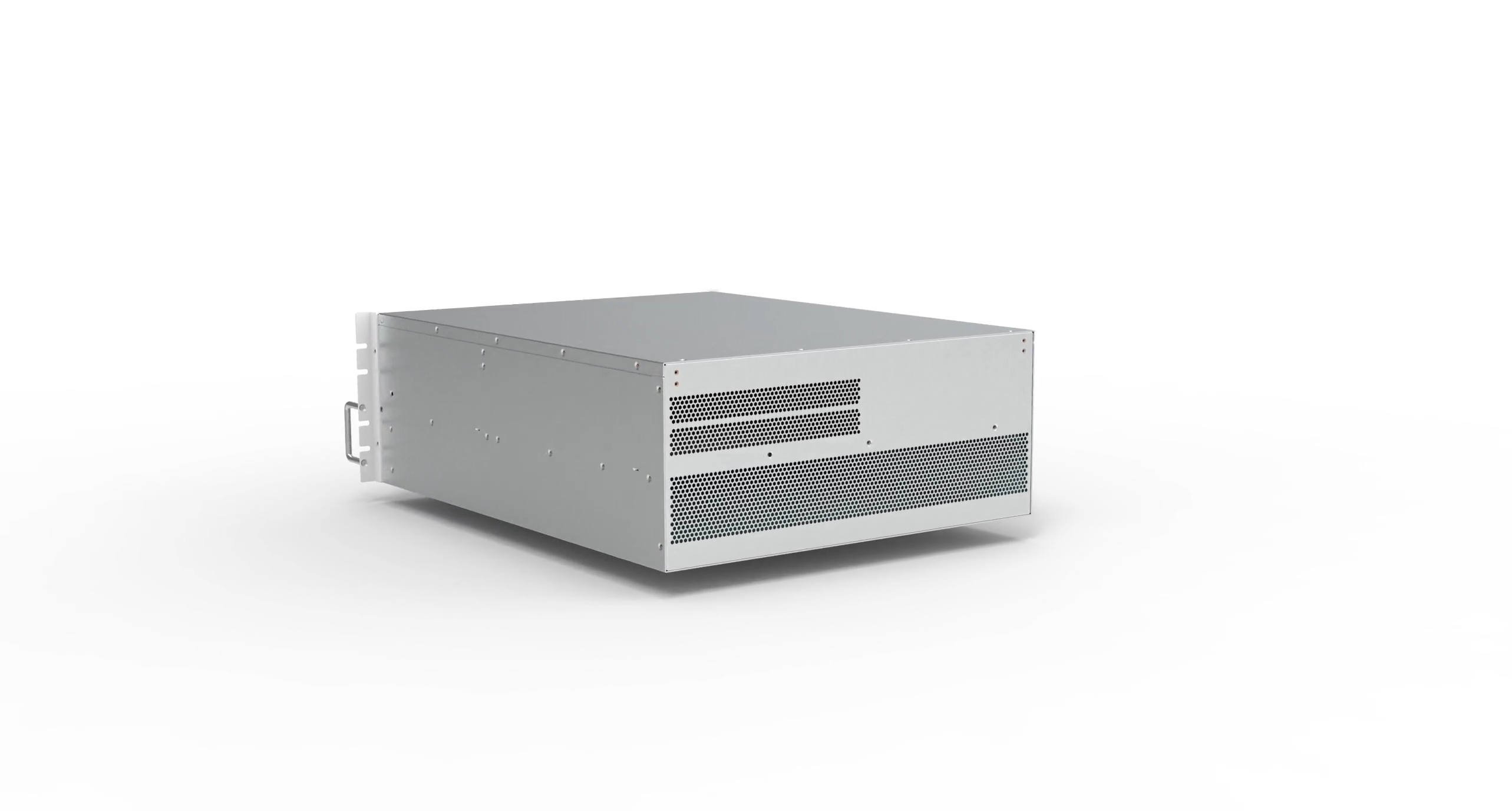
In demanding industrial environments, where operations never cease and downtime costs millions, the reliability of power supply units becomes absolutely critical. Industrial facilities face unique challenges that can destroy standard commercial power supplies within months or even weeks. Understanding the key factors that determine industrial power supply reliability is essential for engineers, facility managers, and procurement specialists who need to ensure continuous operation in harsh conditions. From extreme temperatures to electromagnetic interference, industrial settings present a complex array of challenges that require specialized power solutions designed with durability and longevity in mind.
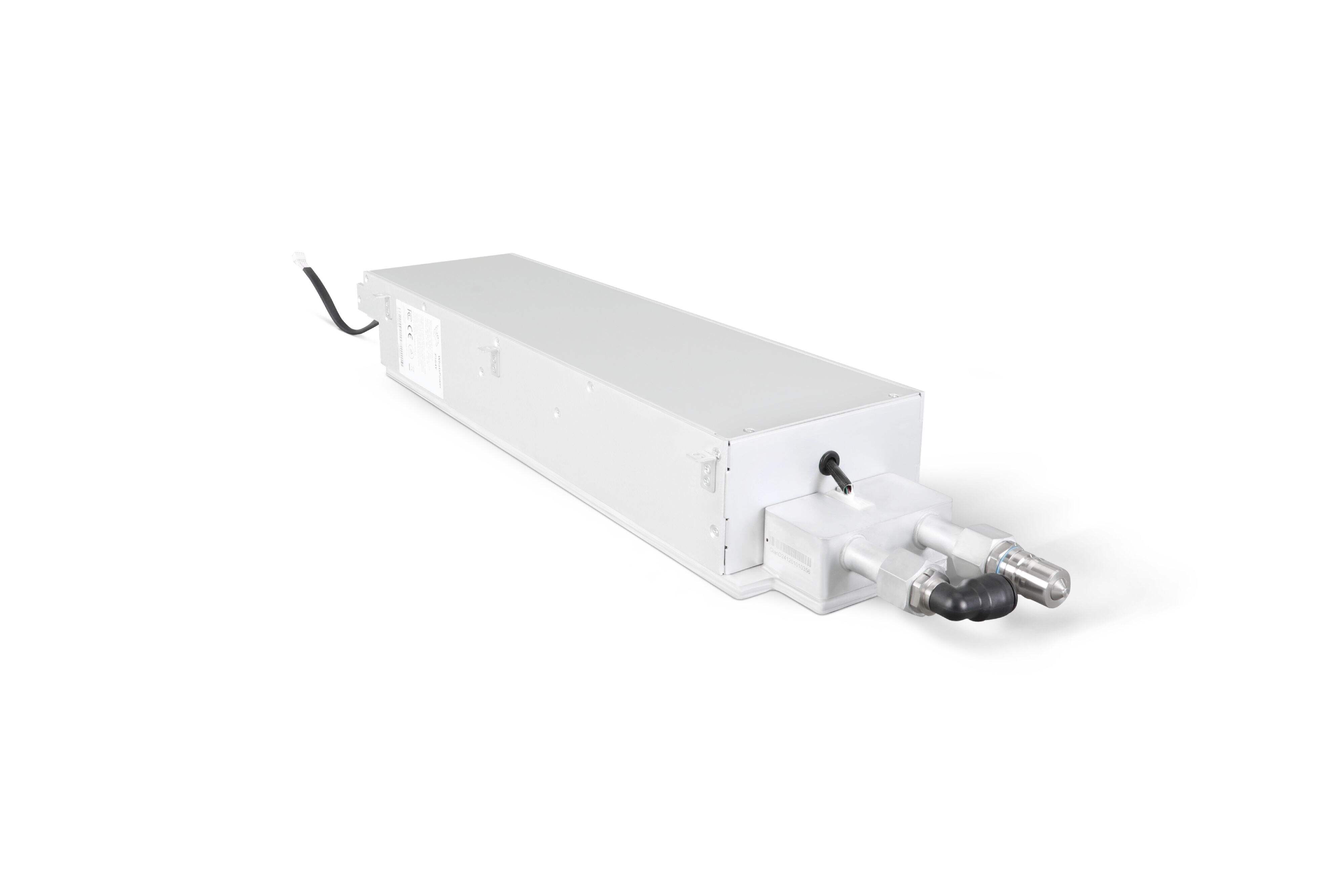
Environmental Stress Factors in Industrial Settings
Temperature Extremes and Thermal Management
Temperature variations represent one of the most significant threats to industrial power supply reliability in harsh environments. Industrial facilities often experience temperature swings from sub-zero conditions to extreme heat, sometimes within the same day. Power supplies must withstand continuous operation in temperatures ranging from -40°C to 85°C while maintaining stable output voltage and current. Effective thermal management through advanced cooling systems, heat sinks, and temperature-compensated components ensures that internal temperatures remain within safe operating limits.
High-quality industrial power supplies incorporate thermal protection circuits that monitor internal temperatures and adjust performance accordingly. These systems prevent thermal runaway conditions that can permanently damage semiconductors and other sensitive components. The selection of components with appropriate temperature ratings and derating factors directly impacts the overall industrial power supply reliability under thermal stress conditions.
Humidity and Moisture Protection
Moisture infiltration poses another critical challenge to industrial power supply reliability, particularly in facilities with high humidity levels or exposure to water-based processes. Condensation can cause corrosion of metal components, short circuits, and insulation breakdown. Industrial power supplies must feature robust sealing mechanisms, conformal coatings, and moisture-resistant materials to maintain reliable operation in humid environments.
Advanced enclosure designs with appropriate IP ratings ensure that sensitive electronic components remain protected from moisture ingress. The use of desiccants, vapor barriers, and specialized gaskets further enhances protection against humidity-related failures. Regular maintenance protocols should include humidity monitoring and inspection of sealing integrity to preserve long-term industrial power supply reliability.
Electromagnetic Compatibility and Interference Management
EMI Sources in Industrial Environments
Industrial facilities generate significant electromagnetic interference from motors, welders, variable frequency drives, and other high-power equipment. This EMI can disrupt power supply operation, causing voltage regulation issues, output instability, and premature component failure. Industrial power supply reliability depends heavily on effective EMI filtering and shielding techniques that prevent interference from entering or exiting the power supply unit.
Comprehensive EMI protection requires careful attention to input and output filtering, grounding schemes, and cable routing practices. High-frequency noise filters, common-mode chokes, and differential-mode capacitors work together to suppress interference across a wide frequency spectrum. Proper implementation of these measures ensures that the power supply maintains stable operation even in electrically noisy industrial environments.
Grounding and Isolation Techniques
Effective grounding systems play a crucial role in maintaining industrial power supply reliability by providing stable reference points and protection against electrical faults. Industrial environments often feature complex grounding networks that can create ground loops and potential differences between equipment. Isolated power supplies with transformer-based designs provide galvanic isolation that prevents ground-related issues from affecting sensitive loads.
Multiple grounding strategies, including single-point grounding, star grounding, and equipotential bonding, help minimize ground noise and protect against electrical hazards. The selection of appropriate grounding techniques depends on the specific industrial application and the nature of connected equipment. Proper grounding implementation significantly enhances overall system reliability and safety.
Component Quality and Design Considerations
Military-Grade Components and Standards
The foundation of industrial power supply reliability lies in the selection of high-grade components that can withstand harsh operating conditions. Military-specification components undergo rigorous testing and qualification processes that ensure consistent performance under extreme stress. These components feature enhanced temperature ranges, improved shock and vibration resistance, and extended operational lifespans compared to commercial-grade alternatives.
Component derating practices involve operating semiconductors, capacitors, and other critical parts well below their maximum ratings to improve reliability and extend service life. This conservative approach to component utilization provides safety margins that accommodate unexpected stress conditions and aging effects. The use of proven component technologies with established reliability track records further enhances overall industrial power supply reliability in demanding applications.
Redundancy and Fault Tolerance
Critical industrial applications require power supplies with built-in redundancy to maintain operation even when individual components fail. Parallel redundant configurations allow multiple power supplies to share the load, with automatic failover capabilities that ensure continuous operation. This approach to industrial power supply reliability provides graceful degradation rather than catastrophic failure when problems occur.
Internal redundancy within power supply units includes duplicate control circuits, monitoring systems, and protection mechanisms. Fault-tolerant designs can continue operating at reduced capacity even when primary systems fail, providing time for maintenance and repair without shutting down critical processes. The implementation of comprehensive diagnostic systems enables predictive maintenance that prevents failures before they occur.
Power Quality and Regulation Performance
Voltage Regulation Under Load Variations
Industrial loads often exhibit highly dynamic characteristics with sudden changes in power demand that can stress power supply regulation circuits. Maintaining stable output voltage and current under these conditions requires sophisticated control algorithms and fast-responding regulation systems. Industrial power supply reliability depends on the ability to maintain tight voltage tolerances regardless of load variations, input voltage fluctuations, or environmental changes.
Advanced power supplies incorporate digital control systems with predictive algorithms that anticipate load changes and adjust regulation parameters accordingly. These systems provide superior transient response compared to traditional analog controllers, maintaining stable output even during rapid load transitions. The use of high-bandwidth feedback loops and adaptive control strategies enhances regulation performance across the full operating range.
Input Power Conditioning
Industrial facilities often experience poor power quality conditions including voltage sags, surges, harmonics, and frequency variations. Power supplies must incorporate comprehensive input conditioning to maintain reliable operation despite these power quality issues. Input voltage ranges, power factor correction, and surge protection capabilities directly impact industrial power supply reliability under adverse grid conditions.
Wide input voltage ranges allow power supplies to operate reliably even when facility voltages deviate significantly from nominal values. Active power factor correction reduces harmonic distortion and improves overall system efficiency while complying with power quality standards. Integrated surge protection devices safeguard against transient overvoltages that can damage sensitive components and compromise long-term reliability.
Mechanical Design and Construction
Shock and Vibration Resistance
Industrial environments subject equipment to continuous mechanical stress from machinery vibration, transportation, and handling. Power supplies must withstand these mechanical forces without degradation of performance or reliability. Robust mechanical construction using appropriate materials, fastening methods, and structural designs ensures industrial power supply reliability under challenging physical conditions.
Component mounting techniques play a critical role in vibration resistance, with considerations for thermal expansion, stress relief, and mechanical coupling. The use of flexible connections, shock absorbers, and vibration-isolating mounting systems helps protect sensitive components from mechanical damage. Testing standards such as MIL-STD-810 provide guidelines for evaluating mechanical reliability under various stress conditions.
Enclosure Design and Protection
The physical enclosure design significantly impacts industrial power supply reliability by providing protection against environmental hazards while enabling proper cooling and maintenance access. Enclosures must balance protection requirements with thermal management needs, incorporating features such as filtered ventilation, removable panels, and corrosion-resistant materials.
IP rating requirements vary depending on the specific industrial application, with higher ratings needed for harsh environments exposed to dust, water, or chemical vapors. Modular enclosure designs facilitate field servicing and component replacement while maintaining environmental protection. The selection of appropriate enclosure materials and coatings ensures long-term durability against chemical attack and environmental degradation.
Testing and Validation Protocols
Accelerated Life Testing
Comprehensive testing protocols ensure that power supplies meet industrial power supply reliability requirements before deployment in critical applications. Accelerated life testing subjects units to elevated stress conditions including high temperatures, voltage stress, and thermal cycling to identify potential failure modes and estimate operational lifespans. These tests provide valuable data for reliability predictions and warranty determinations.
Environmental stress screening eliminates infant mortality failures by exercising power supplies under controlled stress conditions that precipitate latent defects. This process improves field reliability by removing units that would otherwise fail early in their operational life. Statistical analysis of test results enables continuous improvement of design and manufacturing processes.
Field Testing and Validation
Real-world validation through field testing provides the ultimate verification of industrial power supply reliability under actual operating conditions. Beta testing programs deploy pre-production units in representative industrial environments to gather performance data and identify potential issues before full-scale production. This approach ensures that power supplies meet the specific requirements of their intended applications.
Long-term field monitoring systems collect operational data including temperature profiles, load variations, and failure rates to support reliability analysis and improvement efforts. This feedback enables manufacturers to refine designs and identify opportunities for enhanced reliability. Customer feedback and application-specific testing results drive continuous improvement in industrial power supply reliability standards.
Maintenance and Lifecycle Management
Preventive Maintenance Strategies
Proactive maintenance programs significantly extend the operational life of industrial power supplies and maintain high reliability throughout their service life. Regular inspection of cooling systems, connection integrity, and component condition helps identify potential problems before they cause failures. Scheduled replacement of wear items such as fans, filters, and electrolytic capacitors prevents age-related failures that could compromise industrial power supply reliability.
Condition monitoring systems provide real-time assessment of power supply health through measurement of key parameters including temperature, efficiency, and output quality. Trending analysis of these parameters enables predictive maintenance that addresses issues before they impact system reliability. Remote monitoring capabilities allow maintenance teams to assess power supply condition without physical inspection, reducing maintenance costs while improving reliability.
Spare Parts and Service Support
Comprehensive service support infrastructure ensures that industrial power supplies can be maintained and repaired throughout their operational life. Availability of spare parts, technical documentation, and qualified service personnel directly impacts long-term industrial power supply reliability. Manufacturers that provide extensive service networks and parts availability offer significant advantages for critical industrial applications.
Service agreements and warranty programs provide additional assurance of continued reliability and support. These programs typically include regular maintenance visits, priority parts availability, and rapid response for emergency repairs. The selection of power supply manufacturers with strong service capabilities ensures that reliability can be maintained throughout the entire product lifecycle.
FAQ
What temperature range should industrial power supplies handle reliably
Industrial power supplies should typically operate reliably across temperatures from -40°C to 85°C, with some specialized units capable of even wider ranges. The key factors include proper thermal management, component derating, and temperature compensation circuits. High-quality units incorporate thermal protection and may reduce output power at extreme temperatures to maintain safe operation and preserve long-term industrial power supply reliability.
How does electromagnetic interference affect power supply performance in industrial settings
EMI in industrial environments can cause voltage regulation instability, output noise, and premature component failure in power supplies. Effective EMI protection requires comprehensive filtering, proper grounding, and shielded enclosures. Industrial power supply reliability depends on robust EMI immunity design that prevents interference from motors, welders, and other high-power equipment from disrupting normal operation.
What role does component quality play in industrial power supply reliability
Component quality is fundamental to industrial power supply reliability, with military-grade components offering superior performance under harsh conditions. High-quality components feature extended temperature ranges, improved shock resistance, and longer operational lifespans. Component derating practices and the use of proven technologies with established reliability records significantly enhance overall power supply durability and performance consistency.
How important is redundancy for critical industrial power applications
Redundancy is essential for critical industrial applications where power interruption could cause significant losses or safety hazards. Parallel redundant configurations and internal backup systems ensure continued operation even when individual components fail. This approach to industrial power supply reliability provides graceful degradation rather than catastrophic failure, allowing time for maintenance while maintaining essential operations.
Table of Contents
- Environmental Stress Factors in Industrial Settings
- Electromagnetic Compatibility and Interference Management
- Component Quality and Design Considerations
- Power Quality and Regulation Performance
- Mechanical Design and Construction
- Testing and Validation Protocols
- Maintenance and Lifecycle Management
-
FAQ
- What temperature range should industrial power supplies handle reliably
- How does electromagnetic interference affect power supply performance in industrial settings
- What role does component quality play in industrial power supply reliability
- How important is redundancy for critical industrial power applications