
 EN
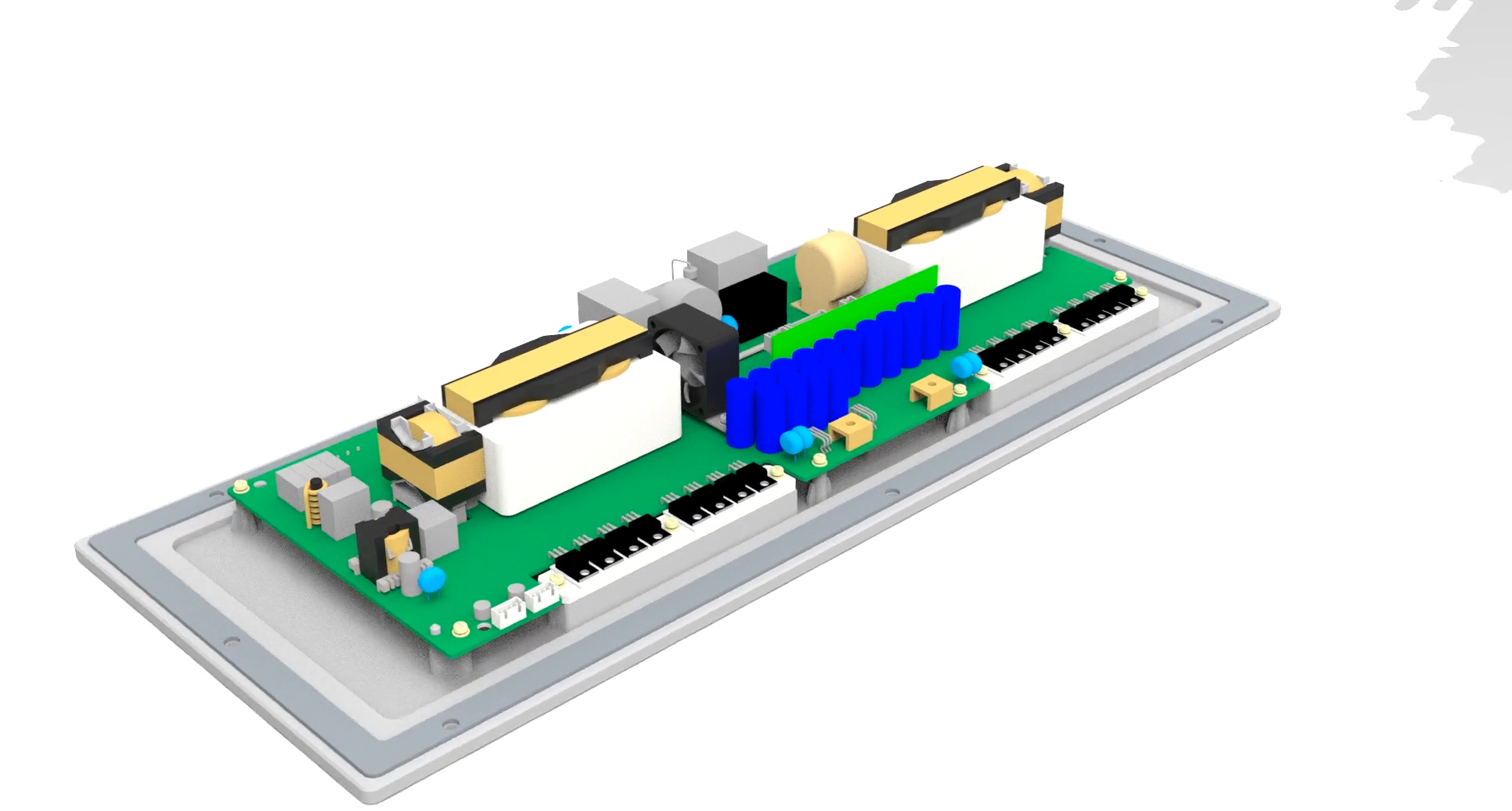
A high-density rack concentrates more computing equipment, heat, and electrical demand into limited floor space. A server power supply unit supports that arrangement by delivering stable power in a compact, serviceable design. The right approach is not simply choosing the highest-wattage unit: capacity, redundancy, efficiency, cooling, and rack-level infrastructure must work together.
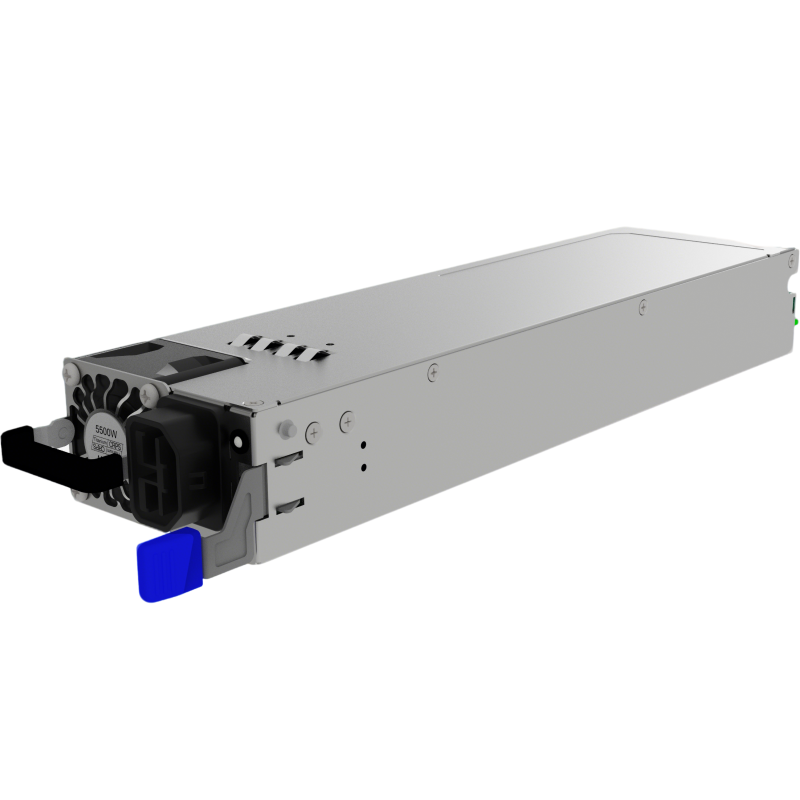
In practice, power design helps determine how many servers can operate safely in a rack without exceeding electrical or thermal limits. Hot-swappable redundant power supplies can protect availability during a component failure or planned replacement, while 80 PLUS efficiency ratings for data centers help teams evaluate conversion losses. These choices matter only when aligned with actual workload demand, facility capacity, and operating policies.
Rack density begins with realistic power capacity
Estimate demand before selecting supply capacity
Start with the expected configuration of each server, including processors, memory, accelerators, storage, fans, and network cards. A server PSU wattage calculator can organize component estimates and reveal whether planned demand fits the intended supply. Use realistic workload assumptions rather than treating a brief peak as continuous consumption, and verify estimates against system documentation or measured data where available.
Then calculate demand across the full rack, not just one chassis. Include the number of servers, their supply configuration, and the rack’s power distribution limits. A server PSU wattage calculator is useful for comparing deployment scenarios, but it cannot replace checks on branch circuits, connectors, distribution units, or facility-level capacity. Hot-swappable redundant power supplies also need to be included in the calculation because installed capacity and usable capacity are not always the same.
Account for redundancy and usable output
Redundant operation typically means that remaining supplies must carry the required load if one supply becomes unavailable. Hot-swappable redundant power supplies make replacement possible without shutting down the server when the platform supports that operation, but redundancy does not automatically increase the safe load limit. Confirm the system’s supported operating mode, power-sharing behavior, and derating guidance before assigning a rack budget.
For a dense rack, this distinction prevents an overly optimistic capacity plan. A server PSU wattage calculator should reflect the intended failure scenario, including whether the design must tolerate one supply loss or another defined event. Review hot-swappable redundant power supplies as part of the complete server architecture, then confirm that upstream feeds can sustain the planned configuration. Spare capacity should be deliberate, documented, and consistent with operational risk.
Redundancy and efficiency shape dependable operation
Plan serviceability without overstating protection
Hot-swappable redundant power supplies can reduce disruption during maintenance because a qualified technician may replace a failed module while the server remains powered by its partner supply. That benefit depends on compatible hardware, correct cabling, supported firmware, and sufficient remaining capacity. Hot-swappable redundant power supplies do not eliminate the need for monitoring, replacement stock, or procedures that prevent accidental removal of multiple modules.
Consider how technicians will access modules in tightly packed racks. Cable routing, airflow direction, labeling, and safe working clearance can affect how quickly a component is identified and serviced. Hot-swappable redundant power supplies are most useful when maintenance procedures are clear and the load remains within the permitted envelope during a service event. Document alarms and escalation steps so the team can respond before a second fault compounds the first.
Interpret efficiency in the real operating range
80 PLUS efficiency ratings for data centers indicate tested conversion efficiency at specified load points, helping buyers compare power-supply performance under defined conditions. The rating is informative, not a promise of identical results at every workload. Evaluate the supply’s efficiency curve across the loads the server is expected to experience, since many systems spend substantial time below peak demand.
In a dense installation, conversion losses become heat that the cooling system must remove. 80 PLUS efficiency ratings for data centers therefore belong in both electrical and thermal planning. Compare documented ratings with expected utilization, input conditions, and the facility’s cooling strategy. Do not assume that a higher rating alone guarantees lower total operating cost; actual consumption, workload patterns, electricity rates, and cooling overhead all influence the result.
Efficiency decisions also interact with redundancy. When hot-swappable redundant power supplies share a load, each module may operate at a different point on its efficiency curve than a single supply carrying that same demand. A server PSU wattage calculator can help model load scenarios, while published efficiency data can inform the likely conversion losses. Validate assumptions against equipment specifications rather than inferring system performance from a rating label alone.
Integrate the power supply with rack design
Coordinate electrical limits, cooling, and deployment
A power plan should connect server-level sizing to rack-level limits and facility conditions. Use a server PSU wattage calculator to compare configurations before deployment, then review the result against power distribution equipment and available circuits. 80 PLUS efficiency ratings for data centers can help estimate conversion behavior, but the rack still needs an appropriate thermal plan for both server heat and supply losses.
Airflow compatibility deserves special attention when equipment is installed at high density. Confirm the supply’s cooling method and airflow direction match the server chassis and aisle design. Blocked inlets, recirculated exhaust, or poorly routed cables can undermine cooling even when electrical capacity is adequate. Hot-swappable redundant power supplies should be accessible without obstructing neighboring equipment or disrupting the intended airflow path.
Use staged commissioning to compare planned demand with observed behavior. Record rack input, server utilization, temperatures, and supply alarms under representative workloads. A server PSU wattage calculator provides a planning baseline, while operational measurements show whether assumptions remain valid after deployment. Revisit the plan when adding accelerators, increasing server counts, or changing workload patterns; density is a continuing engineering decision, not a one-time rating.
Set practical criteria for a high-density configuration
A sound configuration balances available output, failure tolerance, service access, and heat removal. Hot-swappable redundant power supplies are appropriate when uptime requirements and platform support justify the added redundancy, but the organization must also provision upstream capacity for the intended failure mode. Choose the capacity margin using documented requirements, not a blanket percentage that ignores the workload or facility.
Finally, make the decision traceable. Keep load assumptions, configuration details, circuit limits, efficiency information, and service procedures together so engineering and operations teams work from the same plan. 80 PLUS efficiency ratings for data centers offer one useful input, and a server PSU wattage calculator can clarify capacity scenarios. Together with measured rack conditions, these tools help teams expand density while preserving maintainability and electrical discipline.
FAQ
How do hot-swappable redundant power supplies help a dense rack?
Hot-swappable redundant power supplies can allow a supported server to keep operating while a failed module is replaced. Their value depends on adequate remaining capacity, compatible equipment, and a clear service process; they do not remove upstream power constraints.
What should a server PSU wattage calculator include?
Include the server’s components, expected workload, supply configuration, and the failure scenario the design must tolerate. Use the result as a planning estimate, then check it against documented system limits and rack distribution capacity.
How should teams use 80 PLUS efficiency ratings for data centers?
Use 80 PLUS efficiency ratings for data centers to compare tested conversion efficiency, then consider expected load, heat removal, and actual operating conditions. The rating informs selection but does not predict total facility energy use by itself.