
 EN
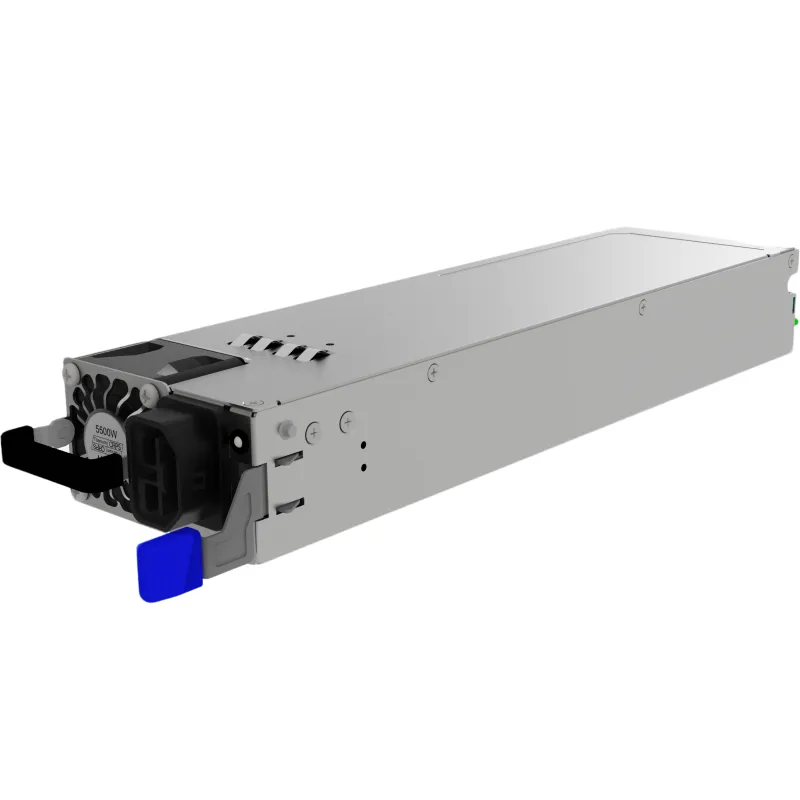
For OEM procurement, choosing a server power supply unit is a platform decision, not a component swap. The right specification must support the system’s electrical load, thermal envelope, service model, and uptime goals while fitting the chassis and planned production lifecycle. Reviewing these requirements together helps prevent late redesigns and mismatched configurations.
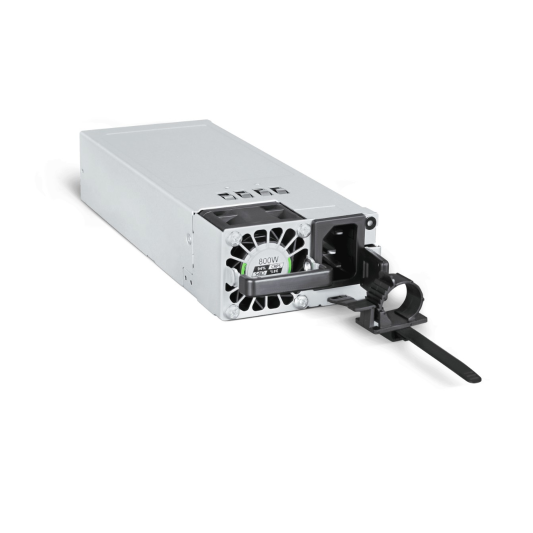
Start with the workload and the conditions in which the equipment will run. A hot-swappable server power supply can simplify field service, while 80 Plus efficiency ratings for server power supplies help frame energy trade-offs. A redundant power supply configuration for servers addresses continuity, but only when the system, cabling, and operating plan support it.
Electrical capacity and platform fit
Size output for real operating conditions
Estimate the system’s maximum credible draw from processors, accelerators, memory, storage, fans, and add-in cards, then allow for startup behavior and future configuration changes. A hot-swappable server power supply should deliver the required output across the expected input voltage and ambient temperature range, not just under a favorable test condition. Confirm continuous output, peak limits, and derating details in the specification.
Avoid selecting capacity solely from a nameplate total or a lightly loaded prototype. Ask engineering to model the intended component population and its sustained workload, then validate the result against the unit’s thermal and electrical limits. A hot-swappable server power supply that fits today’s build but lacks planned expansion headroom can force an avoidable redesign.
Check mechanical and electrical interfaces
Confirm dimensions, connector types, pin assignments, airflow direction, mounting, and cable reach against the chassis design. These details determine whether a hot-swappable server power supply can be replaced without obstructing neighboring parts or interrupting the service workflow. Also review input requirements and protection behavior for the sites where the finished system will be installed.
Document the approved configuration so procurement, manufacturing, and service teams work from the same revision. Include any limits on cable routing, inlet clearance, and supported input conditions. This turns a server power supply unit specification into a usable release requirement rather than a broad purchasing description.
Efficiency and thermal trade-offs
Interpret efficiency ratings in context
80 Plus efficiency ratings for server power supplies provide a useful comparison point, but a rating alone does not describe energy use at every load. Compare the rating level with the system’s typical operating range, since the supply may spend much of its life below peak demand. The practical question is how the selected model performs where the deployed server is expected to run.
Review test conditions and supporting documentation before using a rating in a total-cost estimate. 80 Plus efficiency ratings for server power supplies can help narrow options, but confirm that the evaluated input and load conditions are relevant to the target market. Treat verified data, rather than assumptions based on a label, as the basis for modeling.
Connect power loss to cooling design
Energy not delivered to system components becomes heat that the enclosure must manage. Consider this relationship alongside fan curves, inlet temperature, rack density, and acoustic constraints. 80 Plus efficiency ratings for server power supplies may inform that assessment, but system-level thermal validation remains necessary because airflow paths and neighboring components affect the result.
Ask for efficiency information at several load points and evaluate it against expected utilization. Include thermal behavior in qualification testing, particularly when the product will operate in compact enclosures or warm environments. Comparing 80 Plus efficiency ratings for server power supplies with actual use profiles makes the procurement decision more grounded than choosing a rating in isolation.
Availability, service, and qualification
Define redundancy around the failure plan
A redundant power supply configuration for servers should reflect the required operating state after a module or feed fails. Establish whether the system must continue at full load, reduce performance, or shut down safely, then size each supply and circuit accordingly. A redundant power supply configuration for servers is not meaningful unless the remaining capacity and upstream distribution meet the defined objective.
Check whether supplies share separate power feeds and whether the server can detect, report, and respond to a fault. A redundant power supply configuration for servers may improve service continuity, but it does not remove risks from shared cabling, breakers, or cooling failures. Validate the full power path, including facility connections and system behavior during a loss event.
Qualify replacement and lifecycle needs
A hot-swappable server power supply is valuable when maintenance must occur without taking the complete system offline, but confirm that the chassis and firmware support the intended replacement procedure. Define indicators, fault reporting, module access, and any limits on replacing units under load. A documented service process makes the feature useful in real deployment conditions.
For release approval, test representative loads, input variation, thermal conditions, and fault transitions. Confirm component compatibility and record approved revisions, certifications required for target markets, and lifecycle availability expectations. A hot-swappable server power supply, the chosen 80 Plus efficiency ratings for server power supplies, and a redundant power supply configuration for servers should all be assessed against the same system-level acceptance plan.
Procurement should also clarify change notification and replacement compatibility requirements with the project’s sourcing and engineering teams. Those controls help manage revisions over a product’s service life without assuming that a later unit is automatically interchangeable. A server power supply unit can be technically suitable at qualification and still create operational friction if documentation and revision control are weak.
FAQ
How should OEMs size supply capacity?
Base capacity on the validated maximum configuration, workload behavior, input conditions, and planned growth. Confirm continuous and peak limits, then test the selected server power supply unit in the assembled platform rather than relying only on component estimates.
Do efficiency ratings determine the best choice?
No. 80 Plus efficiency ratings for server power supplies are a comparison input, not a complete selection rule. Match documented performance to expected load, cooling needs, target markets, and the system’s qualification results.
When is redundancy appropriate?
Use a redundant power supply configuration for servers when the availability target and system architecture justify continued operation after a defined power fault. Verify remaining capacity, independent feeds, monitoring, and recovery procedures before specifying it.