
 EN
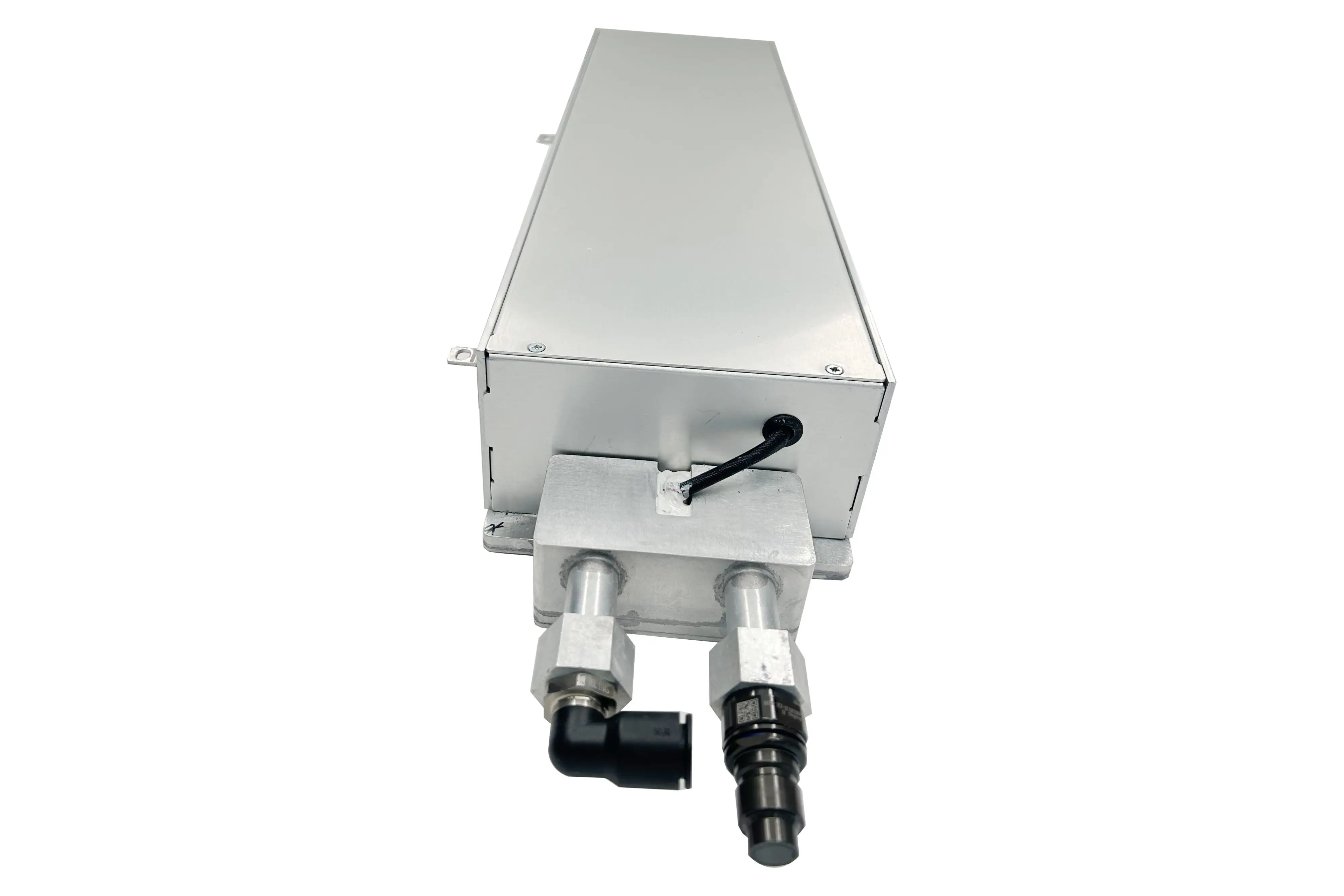
A water cooled psu can support high-density industrial power demands when conventional airflow is constrained by heat, space, or contamination concerns. The key is not simply adding coolant: engineers must match the supply’s thermal interface, cooling capacity, electrical load, and service plan to the installation. Careful power supply liquid cooling installation turns these factors into a reliable system design.
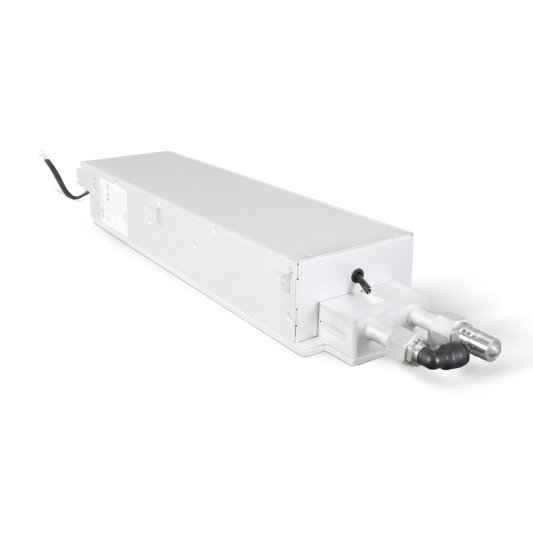
This approach is most useful where several kilowatts must be delivered from a compact enclosure, or where moving air would carry dust across sensitive electronics. A design review should compare expected load and ambient conditions with the supply’s cooling requirements. It should also distinguish industrial liquid cooling loop compatibility from liquid cooling loop compatibility with PC builds, since industrial equipment brings different flow, coolant, and maintenance demands.
Match the Cooling Method to the Power Demand
Start with load, heat, and enclosure constraints
High power density concentrates heat in a small volume. A designer should map continuous and peak demand, conversion losses, ambient temperature, and nearby heat sources before choosing a cooling method. Power supply liquid cooling installation can help move heat away from a crowded cabinet, but the design still needs a defined heat-rejection path and adequate capacity at the actual operating point.
Check the supply’s rated conditions against the load profile rather than relying on a nominal wattage alone. Include start-up behavior, overload duration, and expected duty cycle in the review. Fanless PSU thermal performance depends on the complete thermal path, including the mounting surface and coolant conditions; removing a fan does not remove the need to control heat. Liquid cooling loop compatibility with PC builds is a useful comparison only for basic interface concepts, not proof of industrial suitability.
Account for airflow limits and thermal interfaces
A sealed or tightly packed enclosure may restrict airflow, while airborne dust or fibers can make fan-driven cooling harder to maintain. In those cases, a water cooled psu may provide a practical route to transferring heat to a remote radiator or facility loop. Fanless PSU thermal performance should be assessed using specified temperatures and mounting details, because heat must still pass from internal components to the cooled plate.
Confirm where the supply releases heat and how it couples to the cooling circuit. Power supply liquid cooling installation should preserve the intended contact pressure, sealing method, and service clearance. A cabinet layout that blocks fittings or traps warm air around adjacent components can undermine the benefit. Liquid cooling loop compatibility with PC builds does not settle questions about industrial coolant chemistry, pressure limits, or long-term operating conditions.
Plan Installation Around the Cooling Loop
Verify interfaces before connecting equipment
Review the supply documentation for port size, allowable pressure, flow direction, temperature range, and coolant requirements. Compare these details with the existing loop before ordering hoses or fittings. Power supply liquid cooling installation is simpler to manage when the designer confirms connection standards and service access early, rather than adapting the circuit after the cabinet is assembled. Document the selected fittings and sealing approach.
Treat liquid cooling loop compatibility with PC builds as a limited reference: familiar tubing concepts may help a team discuss routing, but industrial systems need validation against their own pressure, flow, material, and duty requirements. Fanless PSU thermal performance also relies on flow remaining within the supply’s specified range. Too little flow can limit heat transfer, while unnecessary restriction can affect the wider circuit.
Integrate controls, plumbing, and electrical protection
Plan the route to avoid sharp bends, vibration points, hot surfaces, and interference with electrical connections. Power supply liquid cooling installation should include a safe method for filling, bleeding, isolating, and draining the circuit. Consider leak detection and the consequences of coolant reaching nearby equipment. A water cooled psu should be installed so that routine inspection does not require disturbing high-voltage wiring.
Coordinate pump operation and alarms with the equipment’s control strategy where appropriate. Define what happens if flow or coolant temperature moves outside acceptable limits, and establish a controlled response for the powered load. Liquid cooling loop compatibility with PC builds may suggest general routing ideas, but industrial loop behavior and protective interlocks require system-level review. Record baseline flow and temperature readings for commissioning and later troubleshooting.
Validate Performance and Maintainability
Commission against realistic operating conditions
Commissioning should verify electrical output and thermal behavior together. Test representative loads, confirm coolant temperature and flow, and check for leaks after the loop reaches normal operating conditions. Fanless PSU thermal performance is best judged against the manufacturer’s specified limits and the actual installation, not by assuming that a quiet enclosure is a cool one. Keep recorded results with the system documentation.
Include warm ambient conditions and the expected duty cycle in the test plan where practical. A water cooled psu may behave differently as loop temperature rises or other equipment shares the same circuit. Power supply liquid cooling installation is not complete until operators know how to identify abnormal readings and respond without creating a new electrical or thermal hazard.
Build service access into the operating plan
Cooling systems need inspection as well as initial setup. Specify who checks fittings, coolant condition, filters, and flow indicators, and how often those checks follow the site’s risk and maintenance policy. Liquid cooling loop compatibility with PC builds is not a substitute for this plan: industrial uptime depends on accessible components, documented isolation, and a clear path to service.
A practical design also accounts for replacement work. Leave room to isolate the supply, disconnect its lines, and restore the loop without draining unrelated equipment when the system permits. Fanless PSU thermal performance depends on maintaining the designed heat-transfer conditions over time, so deposits, loose connections, or changed flow can matter. Power supply liquid cooling installation should therefore include baseline readings, inspection access, and clear records for future technicians.
FAQ
When is liquid cooling worth evaluating for an industrial PSU?
Evaluate it when power density, restricted airflow, or contamination exposure makes air cooling difficult to manage. Confirm that the load and enclosure justify the added plumbing and maintenance. Power supply liquid cooling installation is appropriate only when the loop and supply specifications can be matched and verified.
Does a fanless design mean the supply needs no thermal checks?
No. Fanless PSU thermal performance still depends on effective heat transfer and acceptable coolant conditions. Monitor the relevant temperatures and flow, and investigate changes rather than treating the absence of a fan as evidence that cooling is automatic.
Can PC cooling experience guide an industrial loop design?
It can offer general familiarity with routing and liquid circuits, but liquid cooling loop compatibility with PC builds does not establish industrial pressure, material, coolant, or safety suitability. Validate every interface against the equipment documentation. For a water cooled psu, keep power supply liquid cooling installation records and a defined service procedure so operators can maintain the intended conditions safely.