
 EN
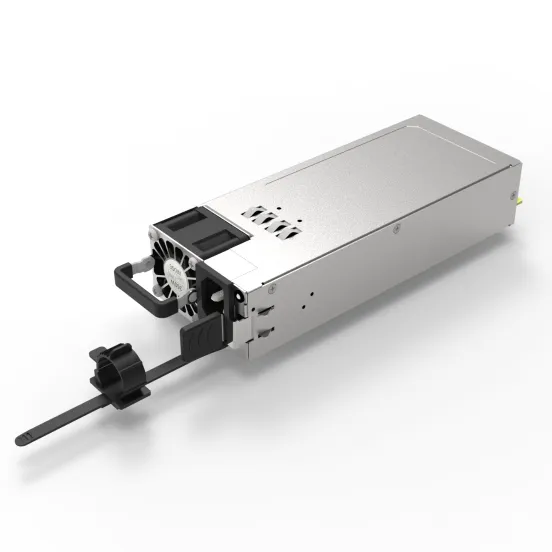
Bulk sourcing a server power supply unit is not simply a matter of ordering more of the same component. Data center operators need to match electrical capacity, redundancy, physical compatibility, and delivery schedules to actual deployment plans. A sound process begins with a clear technical specification and a forecast that accounts for both new racks and replacement demand. Early checks help avoid purchasing units that fit a server model but cannot support the intended operating load.
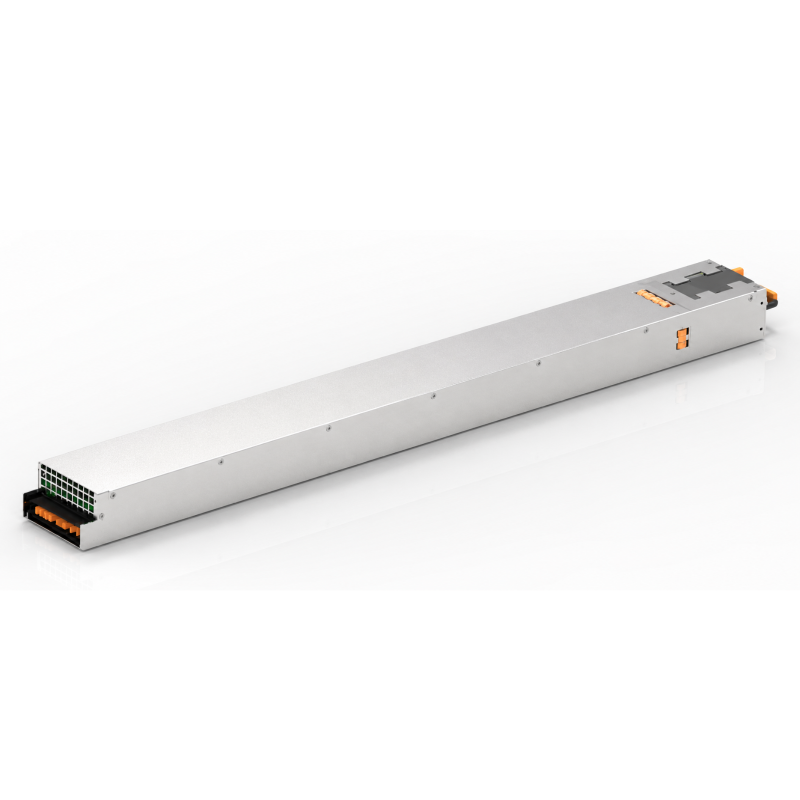
Operators can source bulk quantities through qualified manufacturers, authorized distribution channels, or established procurement partners, depending on internal purchasing policy and the product’s availability. Before requesting quotations, define compatibility and service expectations alongside volume. Include hot-swap server power supply needs for maintenance planning, and compare 80 Plus efficiency ratings for server power supplies using consistent operating assumptions. This preparation makes quotations easier to assess on technical fit, not only unit price.
Prepare a specification before sourcing
Confirm platform fit and serviceability
Start with server model, chassis dimensions, connector layout, airflow direction, input voltage, and supported firmware or monitoring features where applicable. A hot-swap server power supply must match the bay and latching design, while its connectors must serve the target platform without adapters that introduce uncertainty. For mixed fleets, document approved configurations separately rather than assuming that visually similar units are interchangeable. This compatibility record gives procurement teams a reliable basis for a bulk request.
Decide whether the deployment requires a single module, paired modules, or a specific redundancy configuration. A hot-swap server power supply can support replacement without taking a server offline when the platform and operating procedure are designed for that capability; the module alone does not guarantee uninterrupted service. Record the replacement workflow, access constraints, and spare policy. These details help the sourcing team confirm that each quoted unit supports the maintenance model, not merely the physical bay.
Set capacity and efficiency criteria
Calculate server PSU wattage requirements from the system’s expected peak draw, component configuration, and planned headroom. Processor and accelerator choices, memory population, storage devices, and peripheral cards can change demand, so use validated platform data rather than a broad chassis estimate. Server PSU wattage requirements should also reflect whether the installation will operate one supply near its limit or distribute load across redundant modules. A documented load assumption lets buyers compare quoted capacities consistently.
Assess 80 Plus efficiency ratings for server power supplies alongside the operating load range, input conditions, and thermal environment. A rating provides a useful standardized reference, but actual energy use depends on how the supply is loaded in the deployed system. Review certification evidence and confirm the exact model designation, since adjacent variants can differ. Consider whether the expected duty profile supports the efficiency target without paying for specifications that do not fit the workload.
Evaluate bulk sources and quotations
Verify supply continuity and traceability
For bulk orders, ask the proposed source to identify the exact manufacturer part number, revision, packaging, and available lot information. Confirm whether the quoted volume is on hand or dependent on future production, and request a delivery schedule that matches rack commissioning milestones. When a hot-swap server power supply is a critical spare, distinguish immediate stock from replenishment capacity. Clear commitments reduce the risk of receiving a partial shipment that cannot support a planned installation.
Request documentation appropriate to your organization, such as product specifications, compliance records, warranty terms, and procedures for handling defective units. Compare 80 Plus efficiency ratings for server power supplies against the precise model offered, rather than relying on a general product-family claim. Confirm that packaging and serial or lot identification support receiving inspection and asset tracking. These checks create a verifiable record for quality teams and make future repeat orders more consistent.
Compare total procurement fit
A useful quotation comparison considers unit cost, freight, payment terms, lead time, warranty coverage, and the cost of holding spares. Server PSU wattage requirements should be fixed before comparing prices, because a lower-capacity alternative may not meet the intended configuration. Also account for regional electrical input and connector compatibility where equipment moves between facilities. Keep commercial review separate from technical approval so that price does not obscure a mismatch in function.
Ask how the source will handle substitutions if the specified model becomes unavailable. A hot-swap server power supply replacement should not be accepted solely because its output rating appears similar; confirm dimensions, connectors, cooling direction, signals, and platform approval. If a substitute is proposed, route it through engineering review before purchase authorization. This control is especially useful when bulk demand spans multiple server generations or sites with different rack standards.
Plan ordering around deployment and operations
Align quantities with rollout stages
Build the order forecast from installation phases, existing inventory, expected failure replacements, and an approved spare level. Server PSU wattage requirements may vary between configurations, so map quantities to each platform rather than using one fleet-wide estimate. A staged purchase can reduce the risk of excess stock when deployments shift, while a reserved production allocation may help coordinate later batches. Review the forecast with operations and finance before finalizing the purchase schedule.
Check that planned delivery dates leave time for receiving inspection, configuration validation, and deployment testing. Keep a defined contingency for damaged shipments or a discrepancy between the purchase order and delivered part numbers. The same review should verify 80 Plus efficiency ratings for server power supplies for each batch, especially when a program permits more than one approved model. Record acceptance criteria in advance, so the receiving team can identify issues before equipment enters service.
Protect long-term supportability
Before closing a bulk purchase, establish how spare inventory will be stored, tracked, and replenished. A hot-swap server power supply stored for an extended period should remain identifiable by model and revision, with handling practices aligned to the product documentation. Track installed units and spares against the same approved part record. This makes a later replenishment easier to validate and limits confusion when teams support several generations of equipment.
Review the sourcing decision when workloads, server configurations, or facility power conditions change. Updated server PSU wattage requirements can affect capacity choices, while revised operating profiles may change how 80 Plus efficiency ratings for server power supplies matter to energy planning. Retain test results, approvals, and purchase records so a repeat order can be based on evidence rather than memory. This disciplined cycle connects bulk buying to operational readiness and lifecycle control.
FAQ
What should operators verify before ordering a hot-swap server power supply in bulk?
Confirm server compatibility, bay dimensions, connectors, airflow, input range, and redundancy behavior. Compare the proposed part number with the platform record, then verify available quantities and delivery timing. Also check whether server PSU wattage requirements align with the intended system load, and define acceptance checks for every shipment.
How should server PSU wattage requirements be calculated?
Use the configured server’s expected peak demand, validated platform data, and a suitable operating margin. Include installed processors, accelerators, memory, storage, and expansion cards. Avoid selecting capacity from chassis labels alone, and confirm that the load assumptions match the deployment and redundancy design.
Do 80 Plus efficiency ratings for server power supplies determine the best bulk purchase?
No. Use 80 Plus efficiency ratings for server power supplies as one comparable data point, then consider operating load, compatibility, delivery, support, and total cost. Verify the rating for the exact offered model. A suitable decision balances efficiency evidence with the technical and operational requirements of the fleet.