
 EN
EN
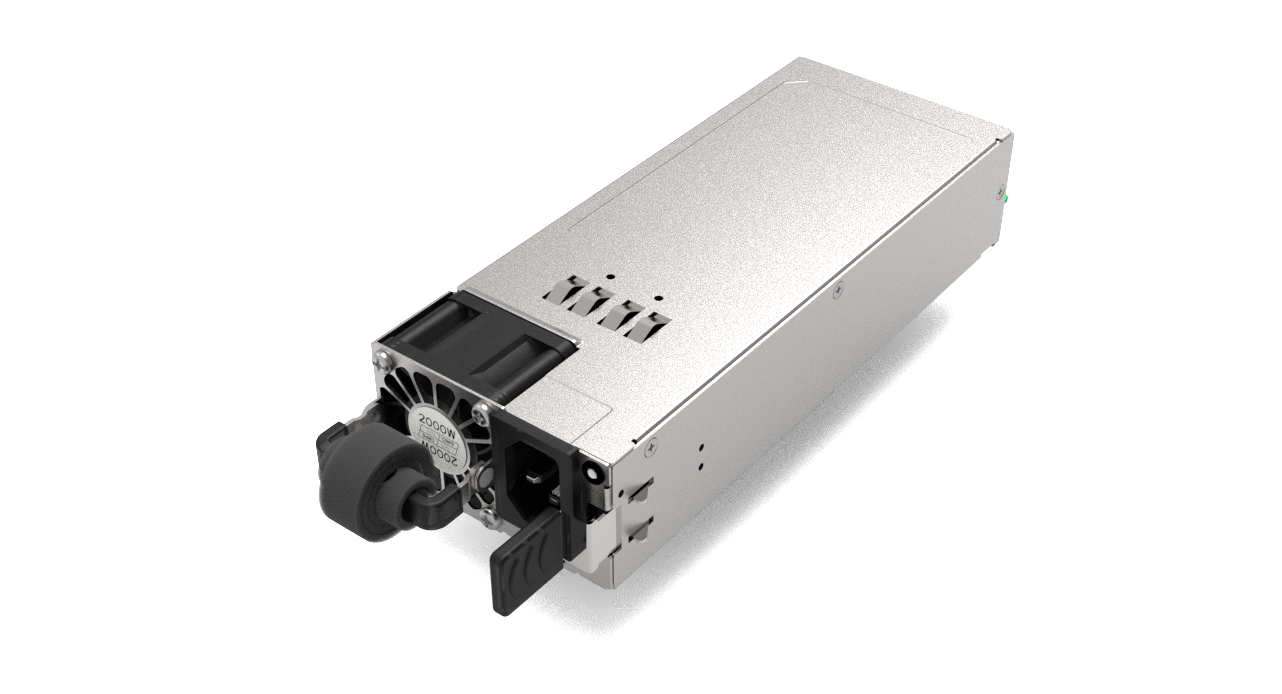
Implementing liquid cooled power supply systems in existing server racks represents a critical infrastructure upgrade that addresses mounting challenges in data center thermal management and energy efficiency. As server densities continue to increase and processing demands escalate, traditional air-cooled power systems often reach their thermal limits, creating bottlenecks that impact overall system performance and reliability. The transition to liquid cooled power supply solutions offers a pathway to enhanced cooling capacity, reduced energy consumption, and improved operational stability within existing rack infrastructures.
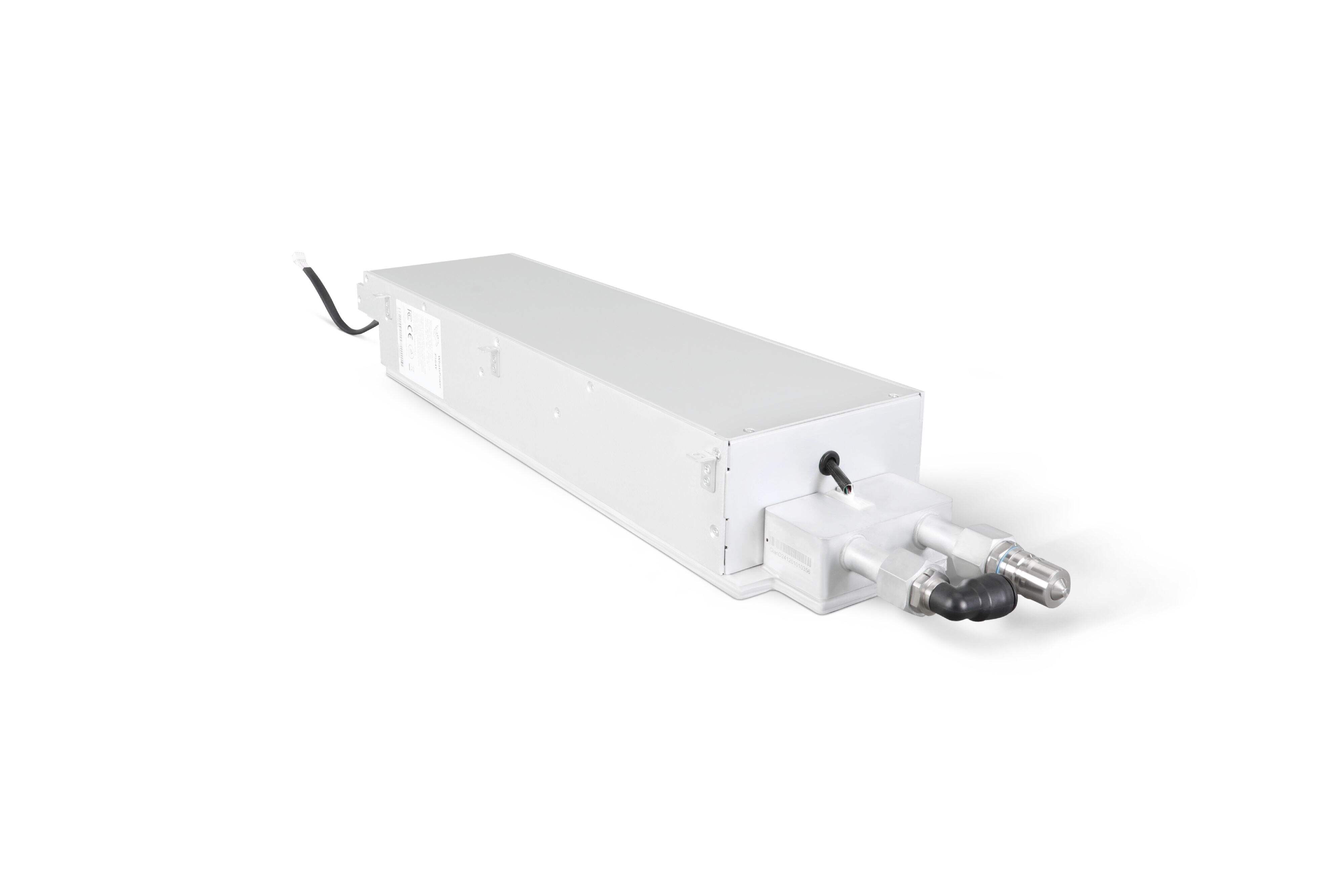
The implementation process requires careful planning and systematic execution to ensure seamless integration with existing rack systems while maintaining operational continuity. Modern liquid cooled power supply technologies provide sophisticated cooling mechanisms that can significantly reduce operating temperatures compared to conventional air-cooled alternatives. Understanding the specific requirements, compatibility factors, and installation procedures becomes essential for successful deployment in established server environments where downtime must be minimized and performance optimization is paramount.
Pre-Implementation Assessment and Planning
Rack Infrastructure Evaluation
Before installing any liquid cooled power supply system, conducting a comprehensive assessment of existing rack infrastructure forms the foundation of successful implementation. This evaluation must examine current power distribution units, cooling pathways, cable management systems, and available space configurations within each rack. The assessment should identify potential interference points, structural limitations, and compatibility requirements that may impact the liquid cooled power supply integration process.
Physical measurements become critical during this phase, as liquid cooled power supply units often have different dimensional requirements compared to traditional air-cooled systems. Rack depth, height clearances, and lateral space availability must be documented to ensure proper fit and adequate service access. Additionally, the existing rack cooling architecture should be analyzed to determine how the new liquid cooled power supply will interact with current thermal management systems and whether modifications to airflow patterns will be necessary.
The evaluation process should also include an analysis of current power loads and future scaling requirements. Understanding peak power demands, load distribution patterns, and anticipated growth helps in selecting appropriately sized liquid cooled power supply systems that can accommodate both present needs and future expansion. This forward-looking approach prevents the need for premature system replacements and ensures optimal return on investment.
Cooling Infrastructure Requirements
Successful liquid cooled power supply implementation depends heavily on establishing adequate cooling infrastructure to support the liquid cooling loops. This infrastructure typically includes coolant distribution networks, heat exchangers, pumps, and monitoring systems that must integrate with existing data center cooling architecture. The design of these systems requires careful consideration of coolant flow rates, pressure requirements, and thermal capacity to ensure effective heat removal from the power supply units.
Coolant selection plays a crucial role in system performance and compatibility. Different liquid cooled power supply systems may require specific coolant types, such as deionized water, glycol-based solutions, or specialized dielectric fluids. The chosen coolant must be compatible with existing cooling infrastructure materials and provide appropriate thermal properties while meeting safety and environmental requirements. Coolant quality monitoring and maintenance procedures should be established to prevent system degradation and ensure long-term reliability.
The cooling infrastructure must also incorporate redundancy and fail-safe mechanisms to prevent system failures that could compromise server operations. Backup cooling circuits, emergency shutdown procedures, and leak detection systems should be integrated into the overall design. These safety measures become particularly important in existing server racks where equipment protection and operational continuity are critical business requirements.
System Selection and Compatibility Analysis
Power Supply Specification Matching
Selecting the appropriate liquid cooled power supply for existing rack systems requires detailed analysis of electrical specifications, form factors, and interface compatibility. The power output capacity must match or exceed current requirements while providing headroom for future expansion. Voltage levels, current ratings, and power factor characteristics should align with existing server equipment specifications to ensure optimal performance and compatibility.
Form factor compatibility extends beyond simple dimensional considerations to include connector types, mounting mechanisms, and cable routing requirements. Many liquid cooled power supply units feature different mounting configurations compared to traditional systems, which may require rack modifications or adapter brackets. The integration process should maintain standard rack unit spacing and preserve access to adjacent equipment while accommodating the additional cooling connections required by the liquid cooled power supply.
Electrical interface compatibility involves ensuring that the liquid cooled power supply can integrate seamlessly with existing power distribution infrastructure. This includes verifying input connection types, monitoring interfaces, and communication protocols used for power management and status reporting. Modern liquid cooled power supply systems often include advanced monitoring capabilities that can enhance overall rack power management when properly integrated with existing systems.
Thermal Performance Considerations
The thermal performance characteristics of liquid cooled power supply systems differ significantly from air-cooled alternatives, requiring careful analysis of how these differences will impact overall rack thermal management. Liquid cooling typically provides superior heat removal capacity and more consistent temperature control, which can improve the operating environment for adjacent server equipment. However, the implementation must consider how reduced heat output from the power supply will affect existing airflow patterns and cooling strategies.
Temperature gradient analysis becomes important when implementing liquid cooled power supply systems in racks with mixed cooling technologies. The improved thermal performance may create localized cool zones that could affect the operation of air-cooled equipment in the same rack. Understanding these thermal interactions helps in optimizing the placement of the liquid cooled power supply and adjusting existing cooling configurations to maintain balanced thermal conditions throughout the rack.
The efficiency improvements typically achieved with liquid cooled power supply systems can significantly reduce waste heat generation, potentially allowing for higher power densities or improved energy efficiency in existing racks. This thermal benefit should be quantified and incorporated into overall data center thermal management strategies to maximize the advantages of the liquid cooling implementation.
Installation Process and Integration
Physical Installation Procedures
The physical installation of liquid cooled power supply systems in existing racks requires systematic procedures to minimize downtime and ensure proper integration. The installation process typically begins with powering down affected equipment and preparing the rack for modifications. This preparation may include removing existing power supplies, adjusting cable management systems, and creating access routes for coolant connections.
Mounting the liquid cooled power supply requires precise positioning to ensure proper alignment with cooling connections and electrical interfaces. The installation must maintain appropriate clearances for service access while maximizing space efficiency within the rack. Securing mechanisms should be properly torqued and verified to prevent vibration or movement that could stress cooling connections or electrical interfaces.
Coolant connection procedures require particular attention to prevent leaks and ensure proper flow rates. Quick-disconnect fittings are commonly used to facilitate installation and future maintenance, but these connections must be properly seated and tested for integrity. The installation process should include pressure testing of cooling circuits and verification of coolant flow before energizing the liquid cooled power supply system.
Electrical Integration and Testing
Electrical integration of the liquid cooled power supply involves connecting input power feeds, output distribution circuits, and monitoring interfaces. Input connections must be properly sized and protected according to electrical codes and manufacturer specifications. The integration should maintain existing safety features such as emergency shutdown capabilities and overcurrent protection while adding any new safety functions specific to the liquid cooled power supply.
Output circuit integration requires careful attention to load balancing and distribution topology. The liquid cooled power supply may provide different output characteristics compared to previous systems, potentially requiring adjustments to load distribution or power quality filtering. Testing procedures should verify proper voltage regulation, load sharing, and protection coordination under various operating conditions.
Monitoring system integration enables remote oversight of liquid cooled power supply performance and status. This integration typically involves connecting communication interfaces to existing data center management systems and configuring appropriate alarm thresholds and reporting parameters. The monitoring capabilities should include both electrical parameters and cooling system status to provide comprehensive operational visibility.
Optimization and Performance Validation
System Performance Testing
After installation, comprehensive performance testing validates the proper operation of the liquid cooled power supply system under various load conditions. Testing protocols should include steady-state operation at different load levels, transient response characteristics, and thermal performance verification. These tests ensure that the system meets performance specifications and integrates properly with existing rack equipment.
Thermal performance testing involves monitoring temperatures at various points throughout the cooling circuit and verifying that heat removal capacity meets design requirements. Temperature measurements should be taken at the liquid cooled power supply inlet and outlet, as well as at critical points in the cooling distribution system. This data validates proper coolant flow rates and heat transfer effectiveness.
Electrical performance testing verifies proper voltage regulation, efficiency, and power quality under realistic operating conditions. Load testing should simulate actual server operation patterns to ensure stable performance during typical data center operations. Efficiency measurements help quantify the energy savings achieved through the liquid cooled power supply implementation and validate projected operational cost improvements.
Long-term Optimization Strategies
Optimizing liquid cooled power supply performance requires ongoing monitoring and adjustment of system parameters based on actual operating experience. Coolant temperature optimization can improve efficiency by adjusting supply temperatures to match thermal loads while maintaining adequate cooling capacity. This optimization may involve coordinating with facility cooling systems to establish optimal operating points that minimize overall energy consumption.
Load balancing optimization ensures that the liquid cooled power supply operates at optimal efficiency points while maintaining proper distribution of electrical loads. This may involve adjusting output settings or reconfiguring load connections to achieve better utilization of the system's capabilities. Regular performance monitoring helps identify opportunities for further optimization as operating patterns evolve.
Preventive maintenance scheduling becomes crucial for maintaining optimal liquid cooled power supply performance over time. Regular coolant quality checks, filter replacements, and system cleaning help prevent performance degradation and extend equipment life. Establishing proper maintenance procedures and schedules ensures continued reliable operation and preserves the performance benefits achieved through the initial implementation.
FAQ
What are the main challenges when installing liquid cooled power supply systems in existing racks?
The primary challenges include space constraints, cooling infrastructure compatibility, and minimizing downtime during installation. Existing racks may have limited space for additional cooling connections and equipment, requiring careful planning and sometimes rack modifications. Integrating with existing cooling systems can be complex, particularly when different coolant types or pressure requirements are involved. Additionally, the installation must be coordinated to minimize disruption to operational servers, often requiring staged implementation approaches.
How do I determine if my existing cooling infrastructure can support a liquid cooled power supply?
Assess your current cooling capacity, available coolant supply and return lines, and pressure capabilities. Calculate the additional thermal load that will be transferred to the liquid cooling system and verify that existing heat exchangers and pumps can handle the increased demand. Check coolant quality requirements and compatibility with existing fluids. Also evaluate available space for routing cooling connections and any necessary expansion of the cooling distribution network.
What safety considerations are important when implementing liquid cooling in server racks?
Key safety considerations include leak detection and prevention, electrical isolation from coolant systems, and emergency shutdown procedures. Install proper leak detection sensors and containment measures to protect sensitive electronic equipment. Ensure that all electrical connections are properly isolated and protected from potential coolant exposure. Establish clear emergency procedures for coolant system failures and train personnel on proper safety protocols for working around liquid cooled power supply systems.
How much improvement can I expect in power efficiency with liquid cooled power supply systems?
Efficiency improvements typically range from 2-5% compared to equivalent air-cooled systems, depending on operating conditions and system design. The improved cooling allows the liquid cooled power supply to operate at lower temperatures, which generally improves electrical efficiency and component longevity. Additional savings may be realized through reduced facility cooling loads, as less waste heat is generated and rejected into the data center environment. The overall energy savings depend on specific operating conditions and the efficiency of existing systems being replaced.
Table of Contents
- Pre-Implementation Assessment and Planning
- System Selection and Compatibility Analysis
- Installation Process and Integration
- Optimization and Performance Validation
-
FAQ
- What are the main challenges when installing liquid cooled power supply systems in existing racks?
- How do I determine if my existing cooling infrastructure can support a liquid cooled power supply?
- What safety considerations are important when implementing liquid cooling in server racks?
- How much improvement can I expect in power efficiency with liquid cooled power supply systems?