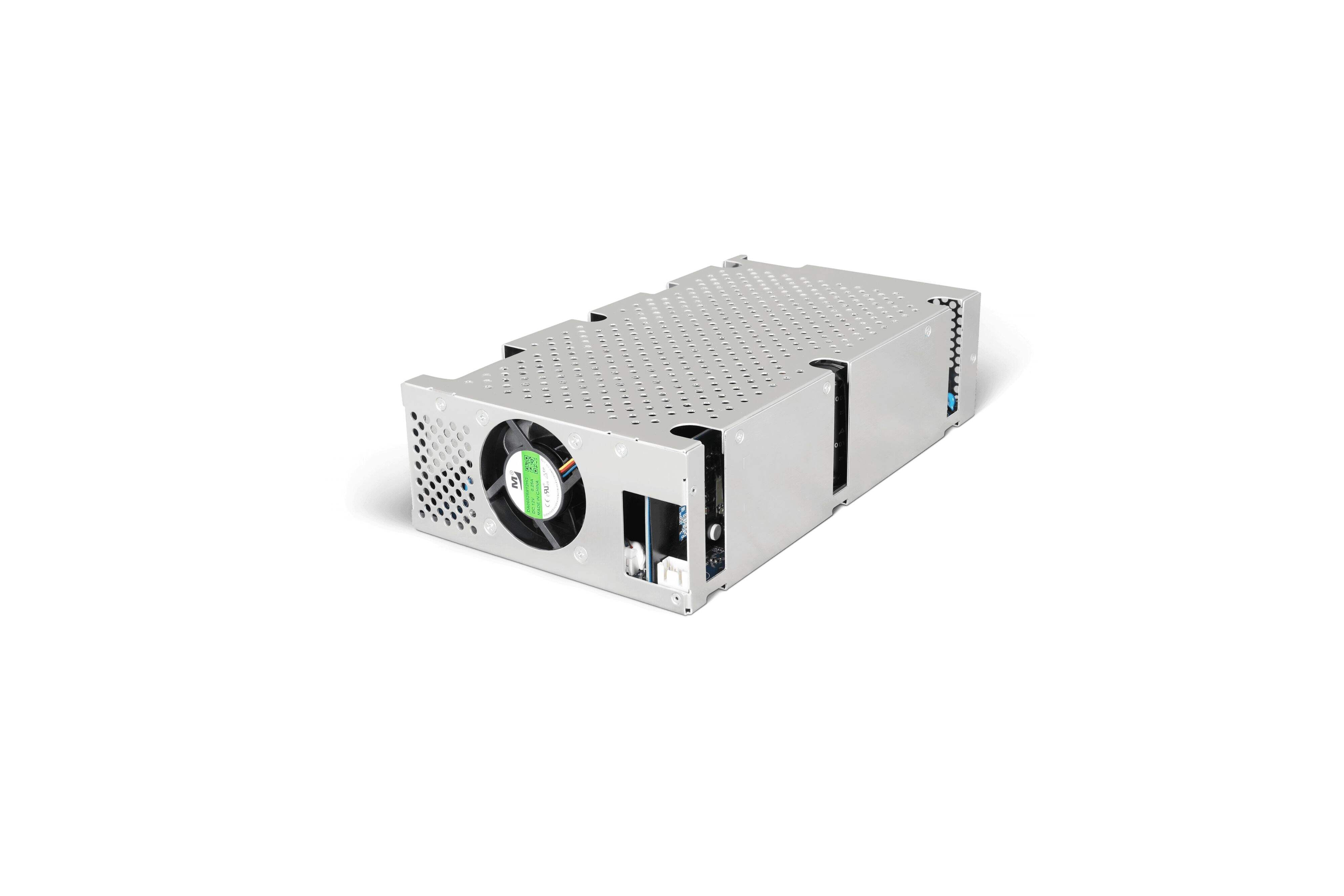
High-Efficiency DC-DC Converters: Advanced Power Solutions for Modern Electronics

All Categories

Get a Free Quote

Our representative will contact you soon.
Email
Name
Company Name
Message
0/1000

dc-dc converter

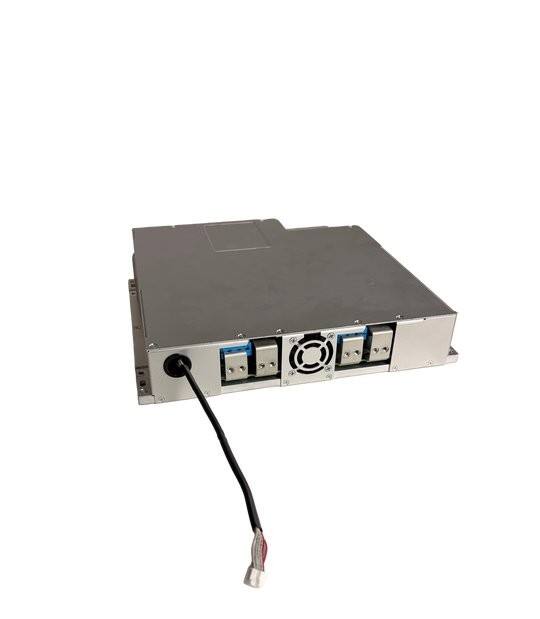
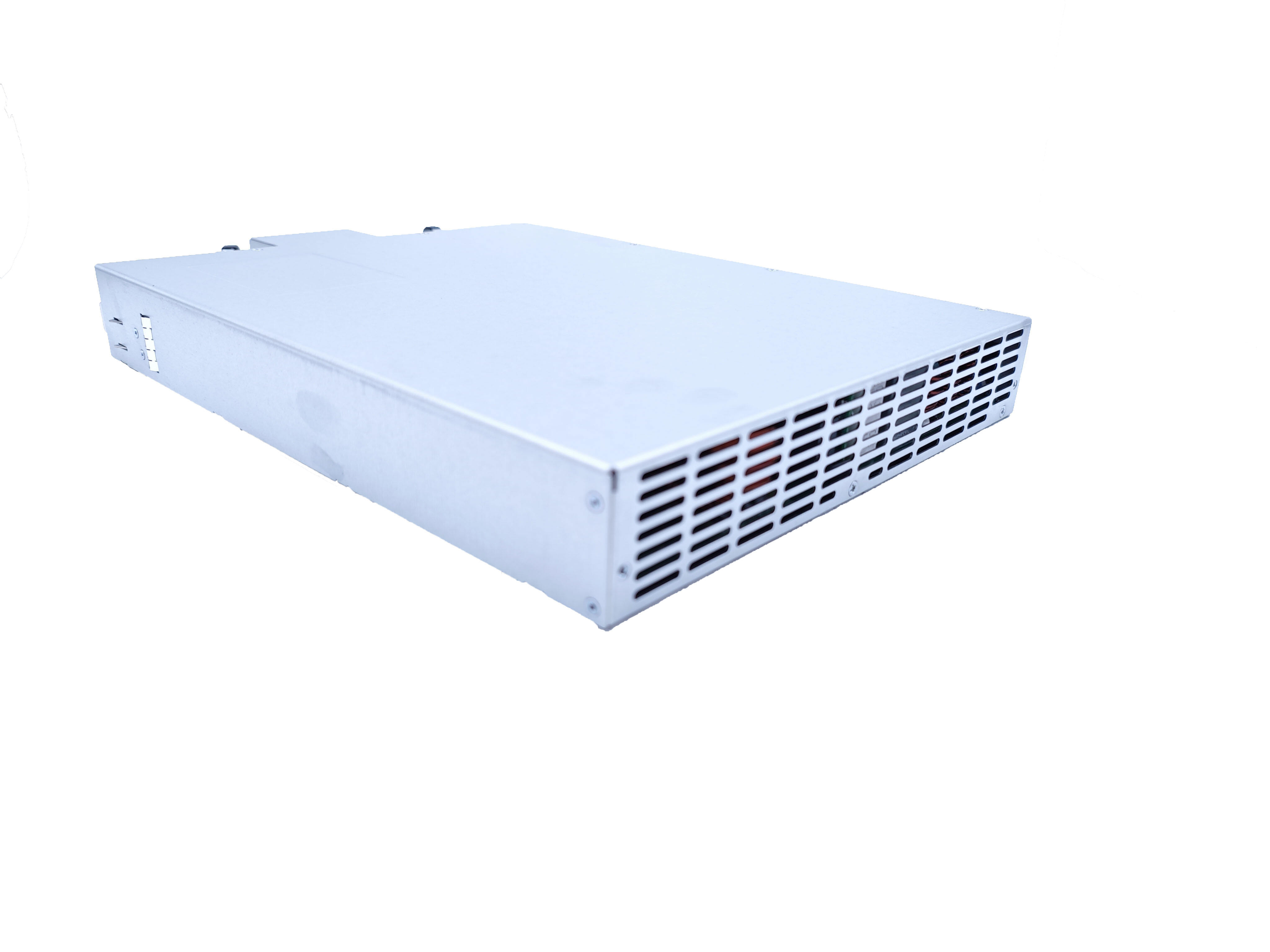
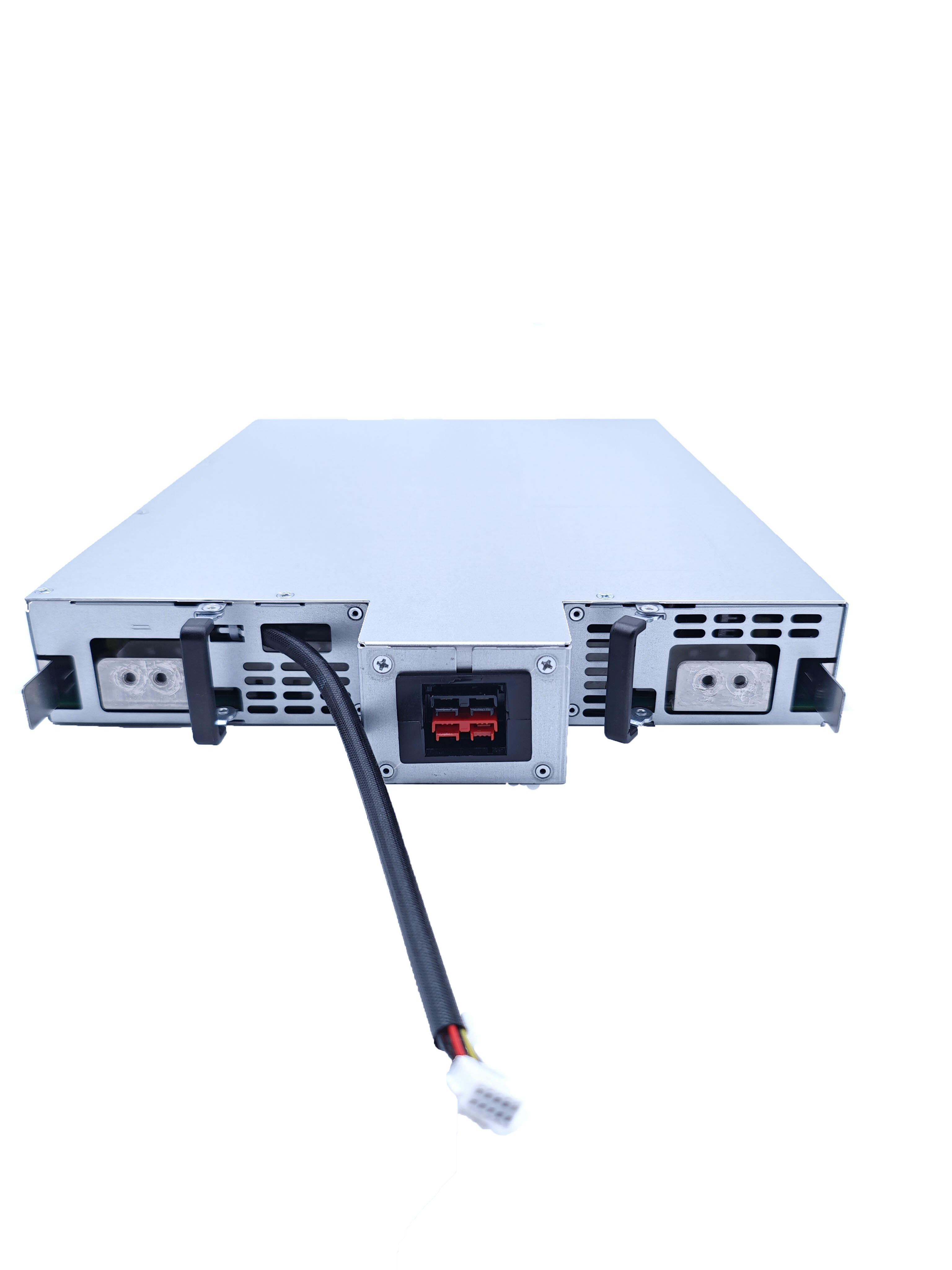
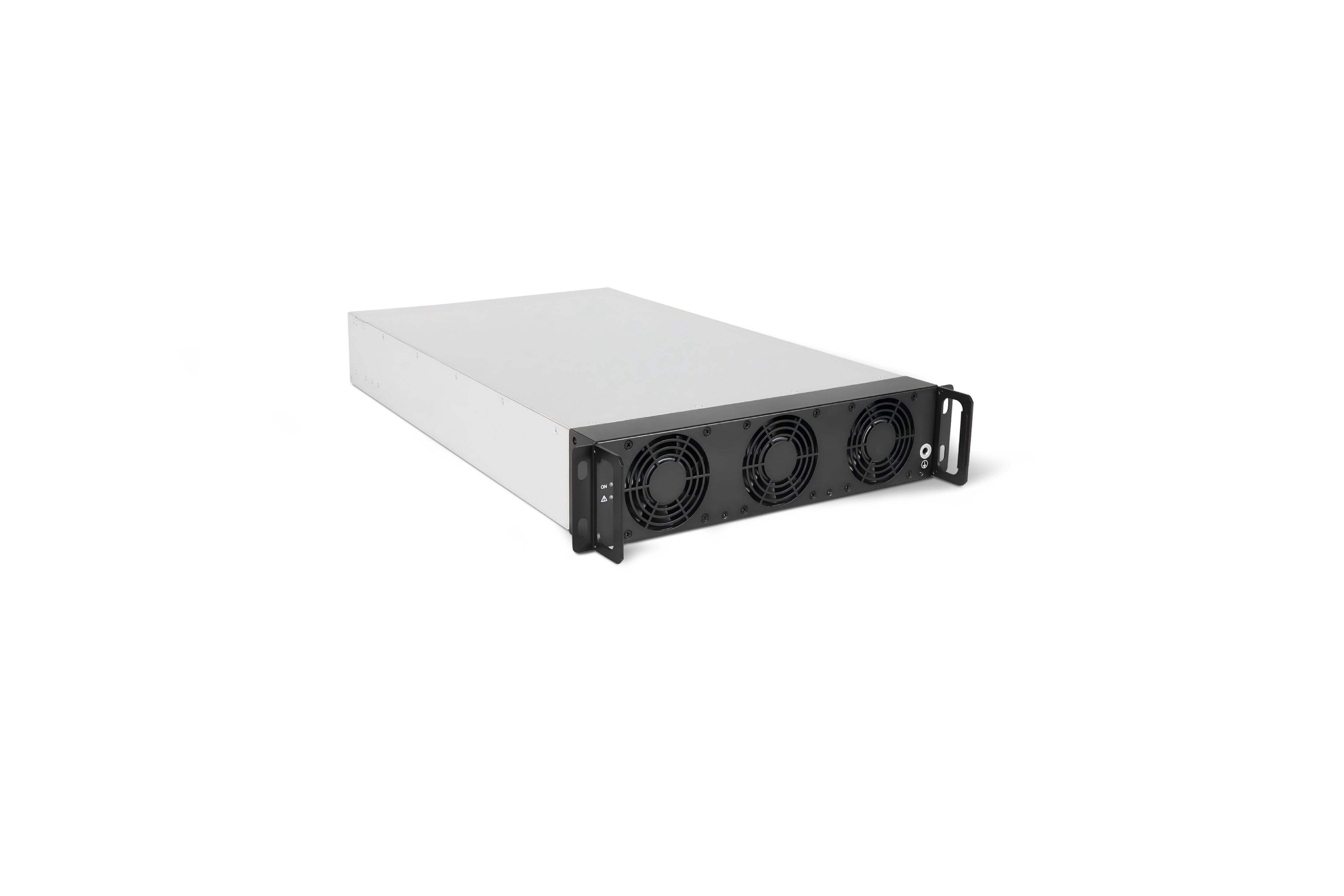
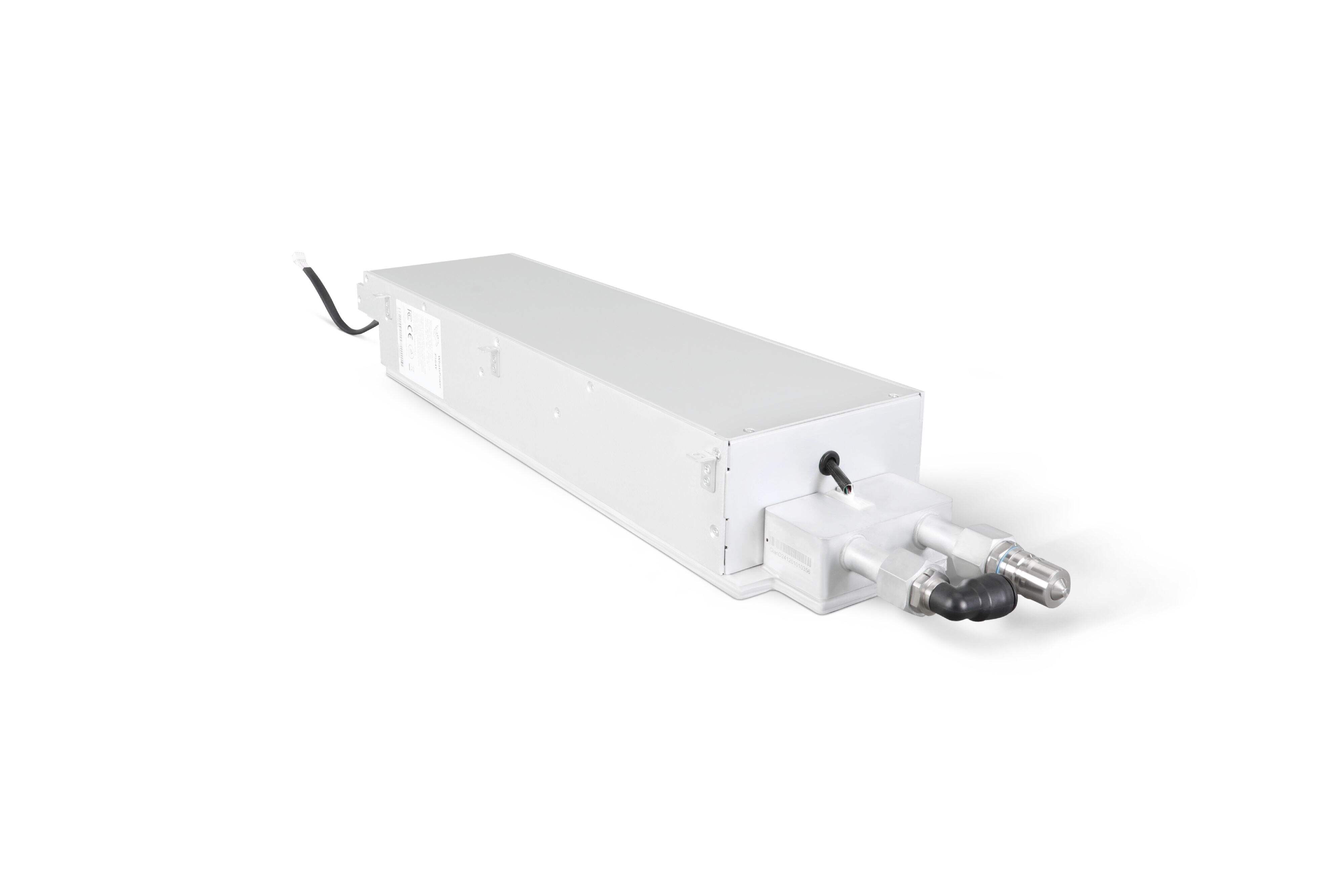
A dc-dc converter represents a fundamental power electronics device that transforms direct current from one voltage level to another with exceptional efficiency and precision. This sophisticated electronic component serves as the backbone of modern power management systems, enabling seamless voltage conversion across diverse applications ranging from consumer electronics to industrial machinery. The primary function of a dc-dc converter involves stepping up or stepping down input voltage while maintaining the direct current characteristics, making it indispensable for devices requiring specific voltage levels different from their power source. The technological architecture of dc-dc converters encompasses several key components including switching elements, energy storage devices like inductors and capacitors, control circuits, and feedback mechanisms. These elements work harmoniously to achieve precise voltage regulation through high-frequency switching operations. The switching topology allows the dc-dc converter to maintain high efficiency levels, typically exceeding 85-95 percent, significantly outperforming traditional linear regulators. Modern dc-dc converter designs incorporate advanced control algorithms such as pulse width modulation and frequency modulation techniques, ensuring stable output voltage regardless of input variations or load changes. The applications of dc-dc converters span numerous industries and sectors. In automotive systems, these devices regulate voltage for electronic control units, infotainment systems, and LED lighting. Telecommunications infrastructure relies heavily on dc-dc converters for powering base stations, routers, and communication equipment. Renewable energy systems utilize these converters to optimize power harvesting from solar panels and wind turbines. Consumer electronics including smartphones, laptops, and tablets depend on dc-dc converters for battery management and voltage regulation. Industrial automation systems employ these converters for motor drives, sensors, and control systems, while medical devices require their precision and reliability for critical applications.


Popular Products

The dc-dc converter delivers remarkable efficiency improvements compared to traditional voltage regulation methods, translating directly into reduced energy consumption and lower operating costs for businesses and consumers. This high efficiency stems from the switching operation principle, which minimizes power losses that typically plague linear regulators. When you implement a dc-dc converter in your system, you immediately notice decreased heat generation, reducing the need for extensive cooling solutions and extending component lifespan. The compact design of modern dc-dc converters provides significant space savings, allowing engineers to create smaller, more portable devices without compromising performance. This miniaturization advantage proves particularly valuable in applications where size constraints matter, such as mobile devices, automotive electronics, and aerospace systems. The dc-dc converter offers exceptional voltage regulation accuracy, maintaining stable output voltages even when input conditions fluctuate or load demands change rapidly. This precision ensures consistent performance of downstream components, reducing the risk of malfunction or premature failure. Cost savings represent another compelling advantage, as the improved efficiency of dc-dc converters reduces electricity bills and extends battery life in portable applications. The versatility of dc-dc converters allows them to handle wide input voltage ranges, making them suitable for diverse applications without requiring multiple specialized components. Their robust design provides excellent protection features including overcurrent protection, overvoltage protection, and thermal shutdown, safeguarding both the converter and connected equipment from damage. The fast transient response of dc-dc converters ensures quick adaptation to sudden load changes, maintaining system stability and performance. Modern dc-dc converters incorporate intelligent control features that optimize performance automatically, reducing the complexity of system design and maintenance requirements. The scalable nature of dc-dc converter technology allows easy parallel operation for higher power applications, providing flexibility as power requirements grow. Environmental benefits include reduced electromagnetic interference through proper design techniques, contributing to cleaner power systems. The reliability and longevity of dc-dc converters minimize maintenance costs and system downtime, providing exceptional value over the product lifecycle. These converters support various control interfaces, enabling seamless integration with digital control systems and remote monitoring capabilities.

Latest News

A Power Station That Doesn’t Generate Electricity — Yet Moves 120 Million kWh a Year

18

Dec

A Power Station That Doesn’t Generate Electricity — Yet Moves 120 Million kWh a Year

View More
BOCO Electronics Brings Hengyang Intelligent Manufacturing Base Online, Expanding Annual Production Beyond One Million Units

18

Dec

BOCO Electronics Brings Hengyang Intelligent Manufacturing Base Online, Expanding Annual Production Beyond One Million Units

View More
BOCO Electronics Demonstrates System-Level Power Conversion Innovation at SNEC 2025

18

Dec

BOCO Electronics Demonstrates System-Level Power Conversion Innovation at SNEC 2025

View More

Get a Free Quote

Our representative will contact you soon.
Email
Name
Company Name
Message
0/1000

dc-dc converter

Superior Energy Efficiency and Cost Reduction

Superior Energy Efficiency and Cost Reduction

The dc-dc converter stands out in the power electronics landscape through its exceptional energy efficiency, typically achieving conversion efficiencies between 85-98 percent depending on the specific topology and operating conditions. This remarkable efficiency stems from the fundamental switching operation principle that eliminates the continuous power dissipation associated with linear voltage regulators. When a linear regulator drops voltage from a higher level to a lower one, it dissipates the excess energy as heat, resulting in significant power waste and thermal management challenges. In contrast, a dc-dc converter utilizes controlled switching elements that alternate between fully on and fully off states, minimizing power losses during the conversion process. The energy storage components, primarily inductors and capacitors, temporarily store and release energy in a coordinated manner that maintains continuous power flow to the load while achieving the desired voltage transformation. This efficiency advantage translates into substantial cost savings across multiple dimensions. First, the reduced power consumption directly lowers electricity bills, particularly significant in high-power applications or systems operating continuously. Second, the minimal heat generation reduces cooling requirements, eliminating the need for expensive heat sinks, fans, or air conditioning systems that would otherwise be necessary to manage thermal loads. Third, the improved efficiency extends battery life in portable applications, reducing replacement costs and maintenance intervals. The dc-dc converter efficiency remains relatively stable across varying load conditions, unlike linear regulators whose efficiency decreases proportionally with the voltage drop ratio. This characteristic makes dc-dc converters particularly valuable in applications with fluctuating power demands or varying input voltages. The cumulative effect of these efficiency benefits creates a compelling return on investment that justifies the initial cost of implementing dc-dc converter technology. Furthermore, the enhanced efficiency contributes to environmental sustainability by reducing overall energy consumption and carbon footprint, aligning with corporate sustainability goals and regulatory requirements.
Precise Voltage Regulation and System Stability

Precise Voltage Regulation and System Stability

The dc-dc converter excels in delivering precise voltage regulation that maintains stable output voltages within tight tolerances, regardless of input voltage variations, load changes, or environmental conditions. This exceptional regulation capability results from sophisticated feedback control systems that continuously monitor output voltage and adjust switching parameters in real-time to compensate for any deviations. The control loop typically employs pulse-width modulation or frequency modulation techniques that rapidly respond to changes, ensuring output voltage remains within specified limits even during transient conditions. Advanced dc-dc converter designs incorporate multiple feedback loops that monitor not only output voltage but also current, temperature, and other critical parameters to optimize performance and protect against fault conditions. The fast transient response of dc-dc converters proves particularly valuable in applications where load current can change rapidly, such as digital processors that switch between sleep and active modes. Unlike linear regulators that suffer from poor transient response due to their inherent bandwidth limitations, dc-dc converters can respond to load changes within microseconds, maintaining voltage stability that prevents system malfunctions or data corruption. The precise regulation extends beyond steady-state conditions to include excellent line regulation, which maintains constant output voltage despite variations in input voltage, and load regulation, which keeps voltage stable as current demand fluctuates. This stability proves essential for sensitive electronic components that require consistent operating voltages to function properly and maintain their specified performance characteristics. The dc-dc converter regulation accuracy typically achieves tolerances within one to three percent of the nominal output voltage, significantly better than many alternative solutions. This precision enables system designers to reduce safety margins in downstream components, potentially allowing for cost optimization without compromising reliability. The voltage regulation capability also extends the operational range of systems by allowing them to function effectively across wider input voltage ranges while maintaining consistent performance levels for connected equipment.
Compact Design and Flexible Integration

Compact Design and Flexible Integration

The dc-dc converter offers remarkable compactness and integration flexibility that addresses the growing demand for miniaturization in modern electronic systems while maintaining high performance standards. The compact form factor results from the high-frequency switching operation that enables the use of smaller magnetic components compared to traditional low-frequency transformers or large linear regulators. As switching frequencies increase, typically ranging from hundreds of kilohertz to several megahertz, the required size of inductors and transformers decreases proportionally, leading to significant space savings. Modern dc-dc converter modules integrate multiple functions within single packages, including switching elements, control circuits, protection features, and sometimes even the magnetic components, creating complete power solutions in remarkably small footprints. This integration reduces component count, simplifies PCB layout requirements, and minimizes the potential for assembly errors or connection failures. The flexibility of dc-dc converter designs accommodates various mechanical and electrical integration requirements through multiple package options including surface-mount devices, through-hole components, and modular solutions that can be easily incorporated into existing systems. Many dc-dc converters offer adjustable output voltages through external programming resistors or digital interfaces, providing design flexibility that reduces inventory requirements and allows single converter types to serve multiple applications. The wide input voltage range capability of many dc-dc converters further enhances integration flexibility by allowing single designs to operate from various power sources including batteries, solar panels, automotive electrical systems, or universal AC adapters. Advanced dc-dc converters incorporate intelligent features such as power sequencing, soft-start capabilities, and programmable switching frequencies that simplify system integration and reduce external component requirements. The modular nature of dc-dc converter technology enables easy scaling for different power levels through parallel operation or by selecting appropriate converter ratings without requiring fundamental design changes. This scalability proves particularly valuable in applications where power requirements may change over time or where standardization across product lines provides manufacturing and support advantages.

Get a Free Quote

Our representative will contact you soon.
Email
Name
Company Name
Message
0/1000