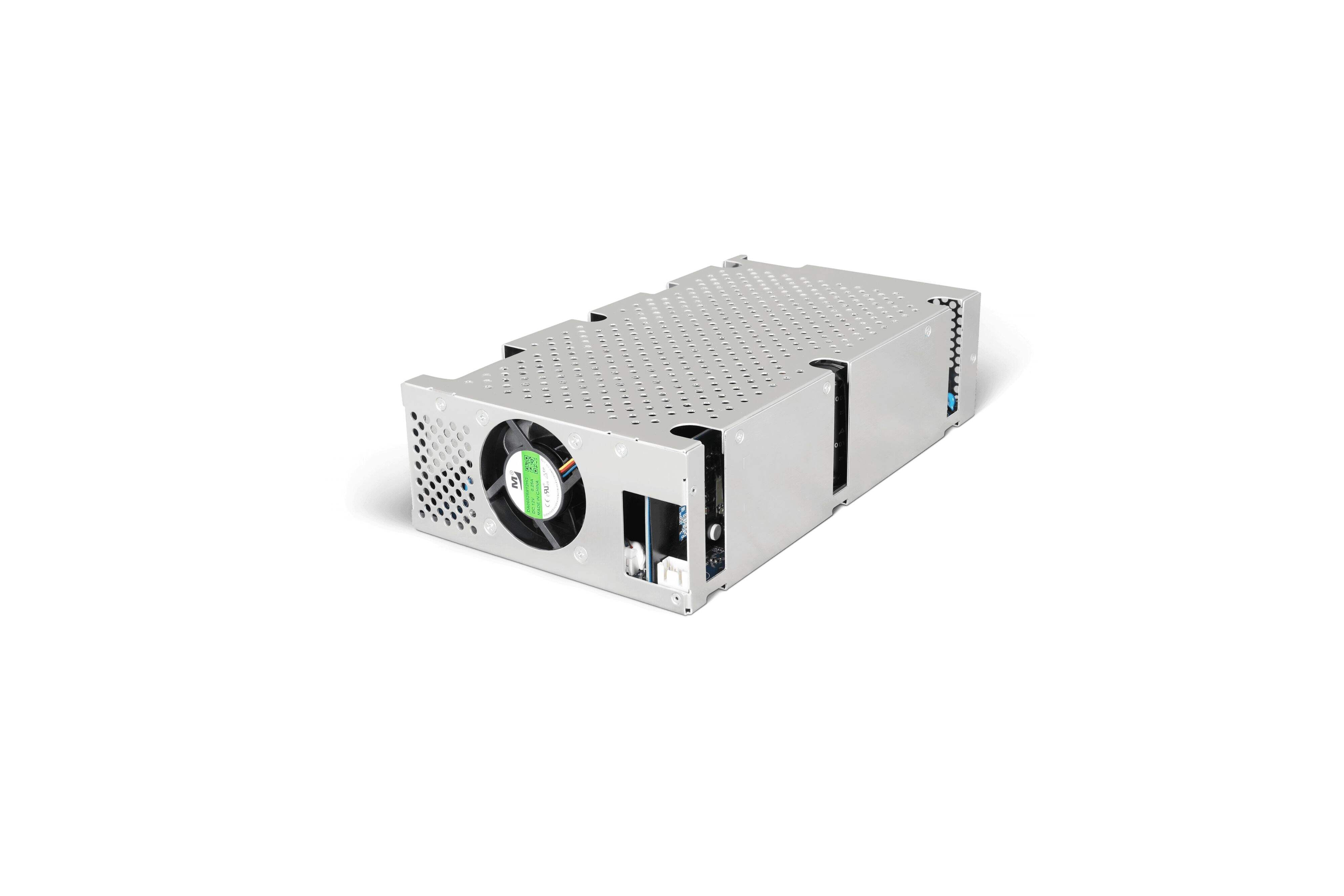
Enhanced Reliability Through Elimination of Moving Parts
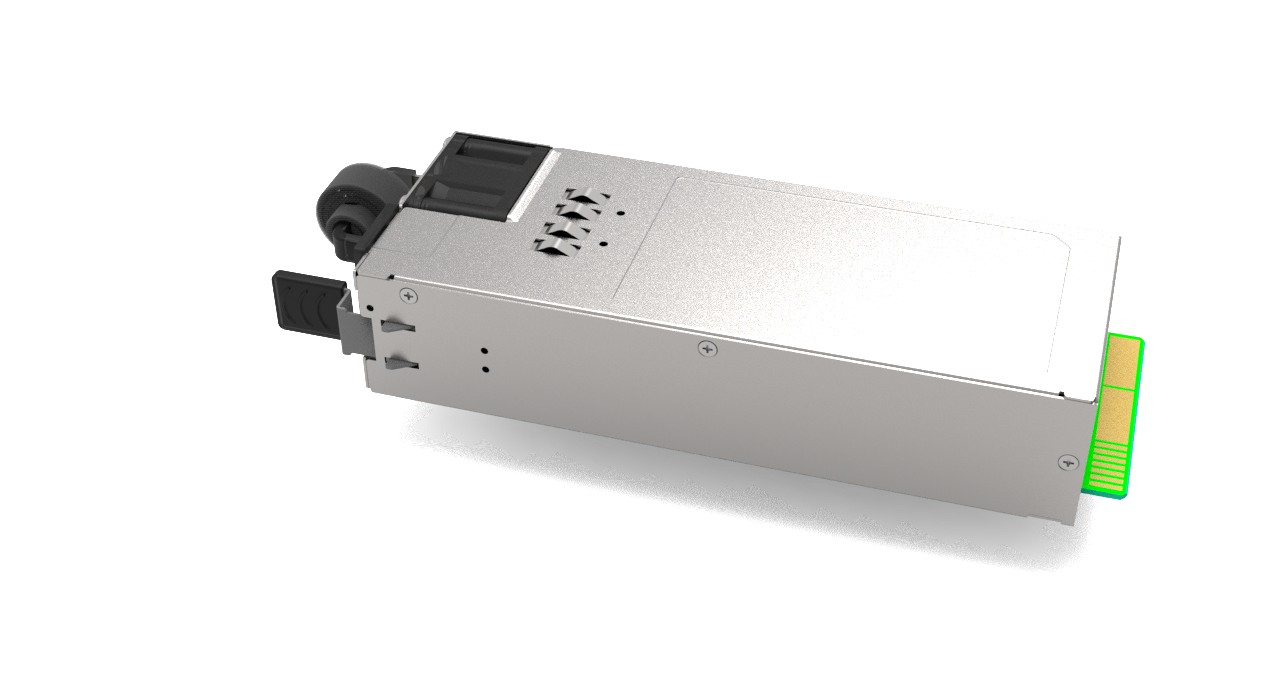
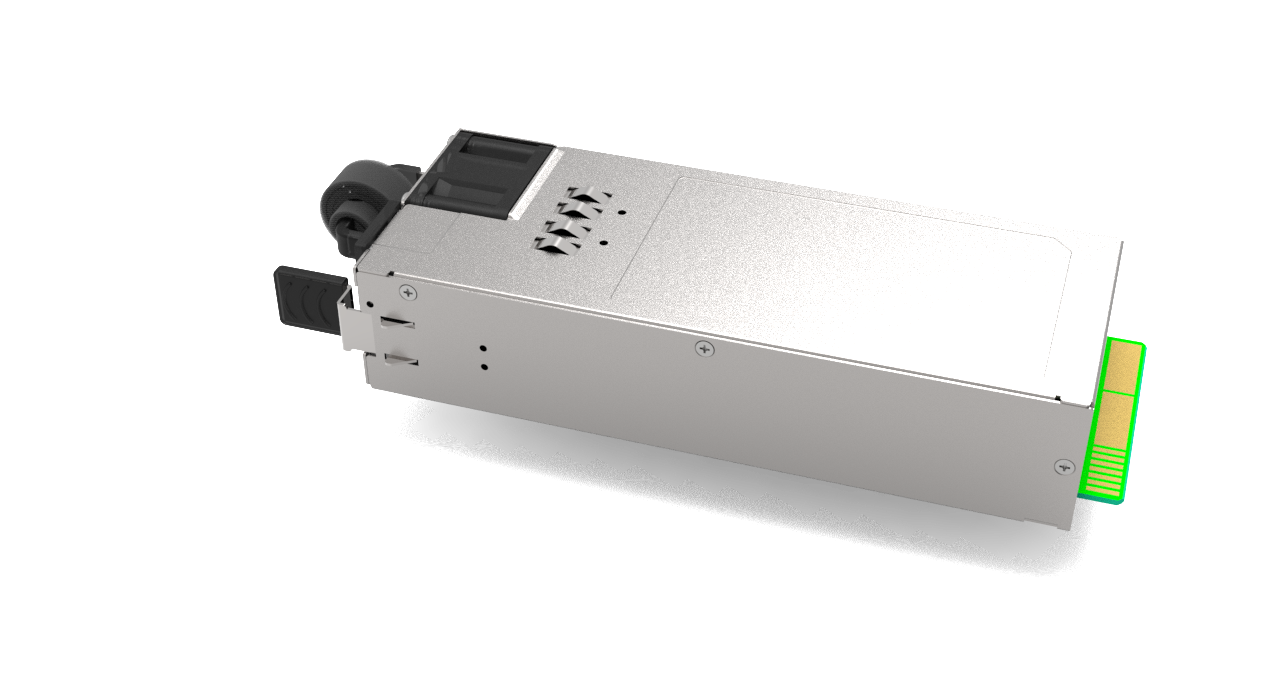
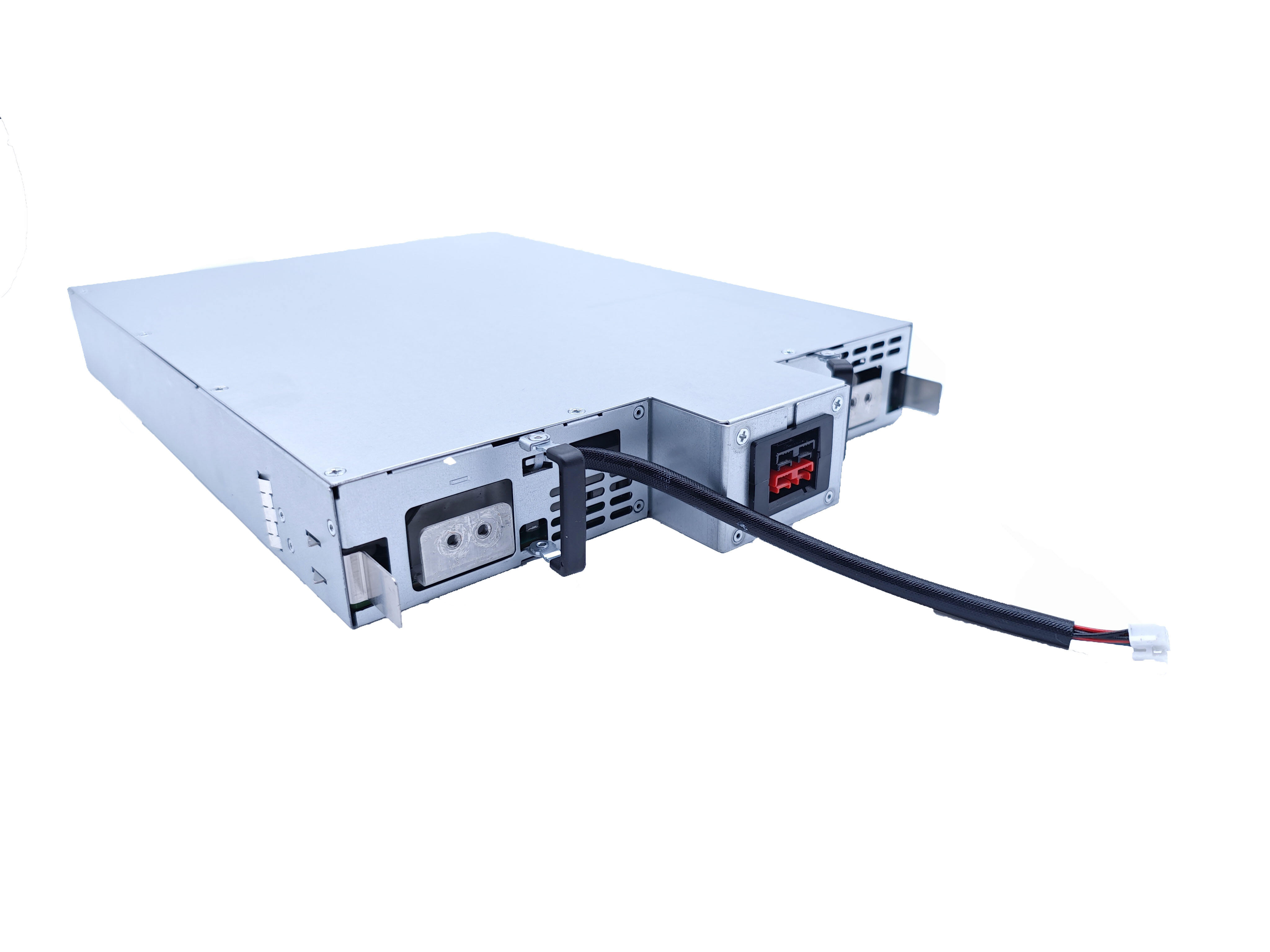
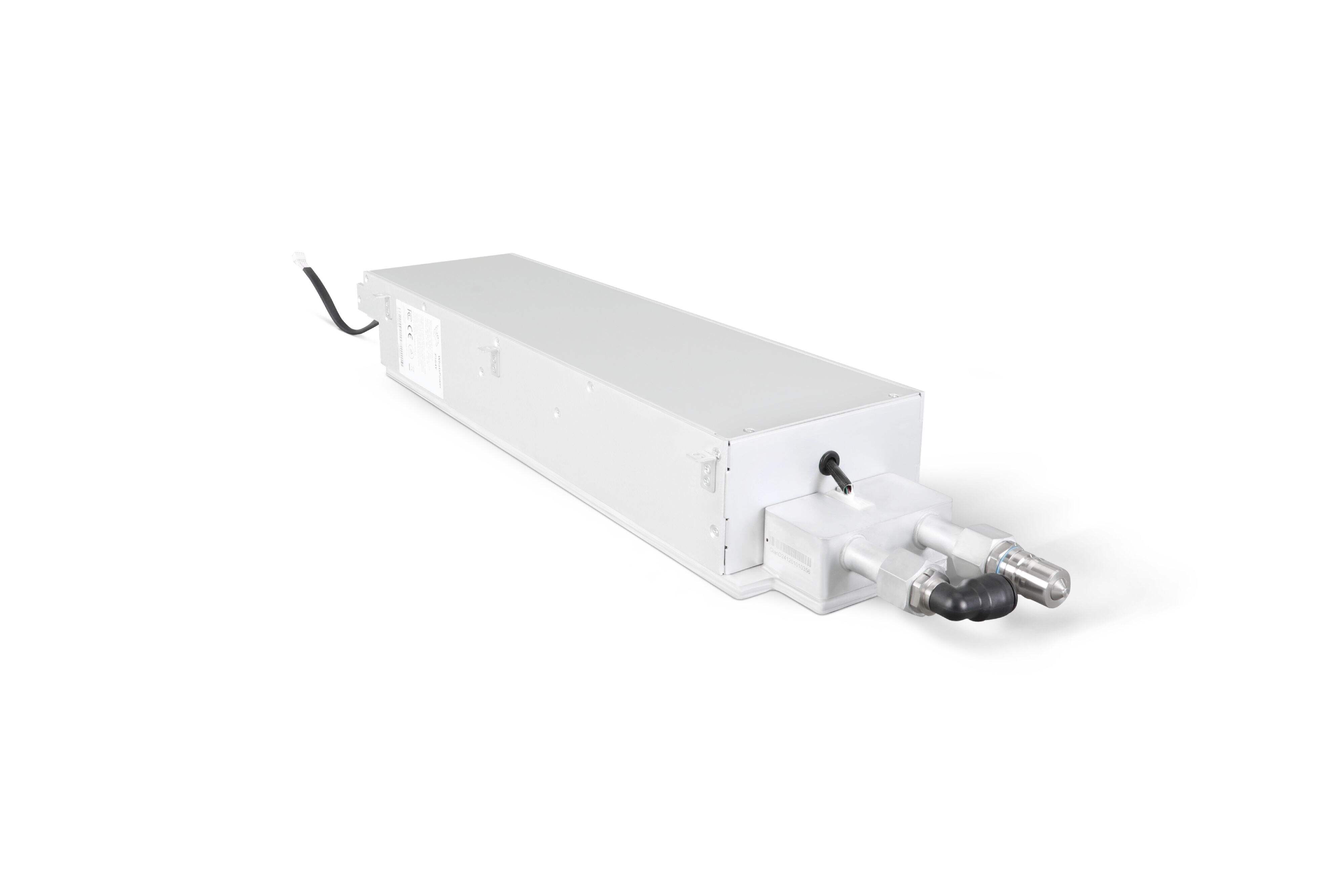
The fanless power supply achieves unprecedented reliability levels by completely eliminating mechanical components that traditionally represent the highest failure rates in power conversion systems. Statistical analysis of power supply failures consistently identifies cooling fans as the primary failure mechanism, typically occurring within three to five years of continuous operation due to bearing degradation, motor winding failures, and accumulated contamination. By removing these vulnerable mechanical elements, fanless power supply designs extend operational lifespans to fifteen years or more under normal operating conditions. The enhanced reliability stems from advanced solid-state thermal management that relies entirely on passive heat dissipation methods including conduction, convection, and radiation principles. These natural heat transfer mechanisms operate indefinitely without degradation, mechanical wear, or performance decline over time. The fanless power supply incorporates redundant thermal pathways ensuring continued operation even if individual heat dissipation elements experience reduced effectiveness. Component selection for fanless power supply units emphasizes premium materials including military-grade capacitors, high-temperature resistors, and automotive-qualified semiconductors that withstand extended thermal cycling without failure. The improved reliability translates directly into reduced system downtime, lower maintenance costs, and improved productivity for businesses relying on continuous power availability. Critical applications including medical equipment, industrial automation, telecommunications infrastructure, and data centers particularly benefit from fanless power supply reliability improvements. The elimination of scheduled maintenance requirements for fan replacement removes planned downtime events that disrupt operations and require technical intervention. Furthermore, the fanless power supply design reduces electromagnetic interference generated by cooling fan motors, improving system stability and reducing communication errors in sensitive electronic equipment. This enhanced reliability creates substantial long-term value through reduced total cost of ownership, improved system availability, and elimination of unexpected power-related failures that can cause data loss or equipment damage in mission-critical applications.

 EN
EN