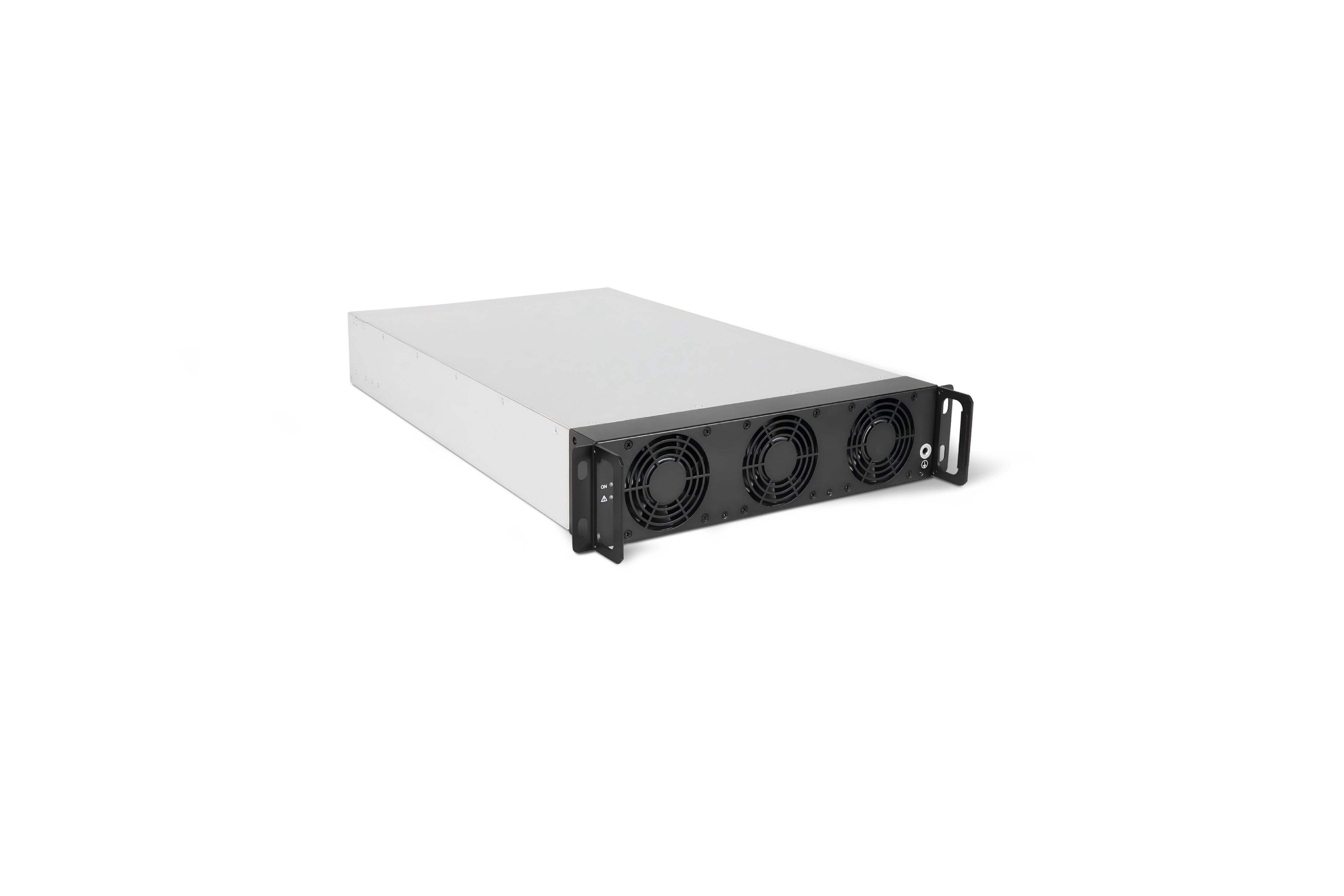
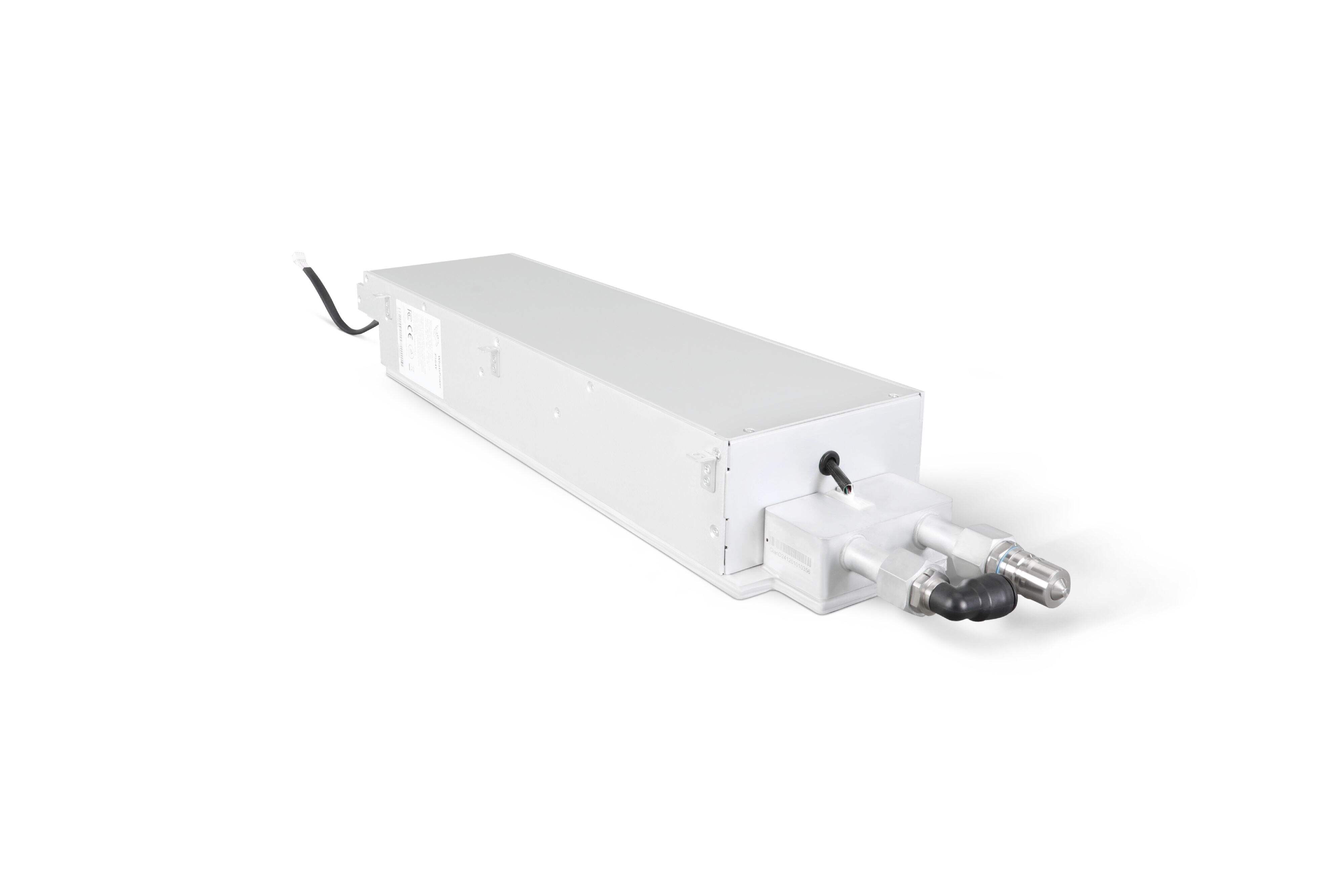
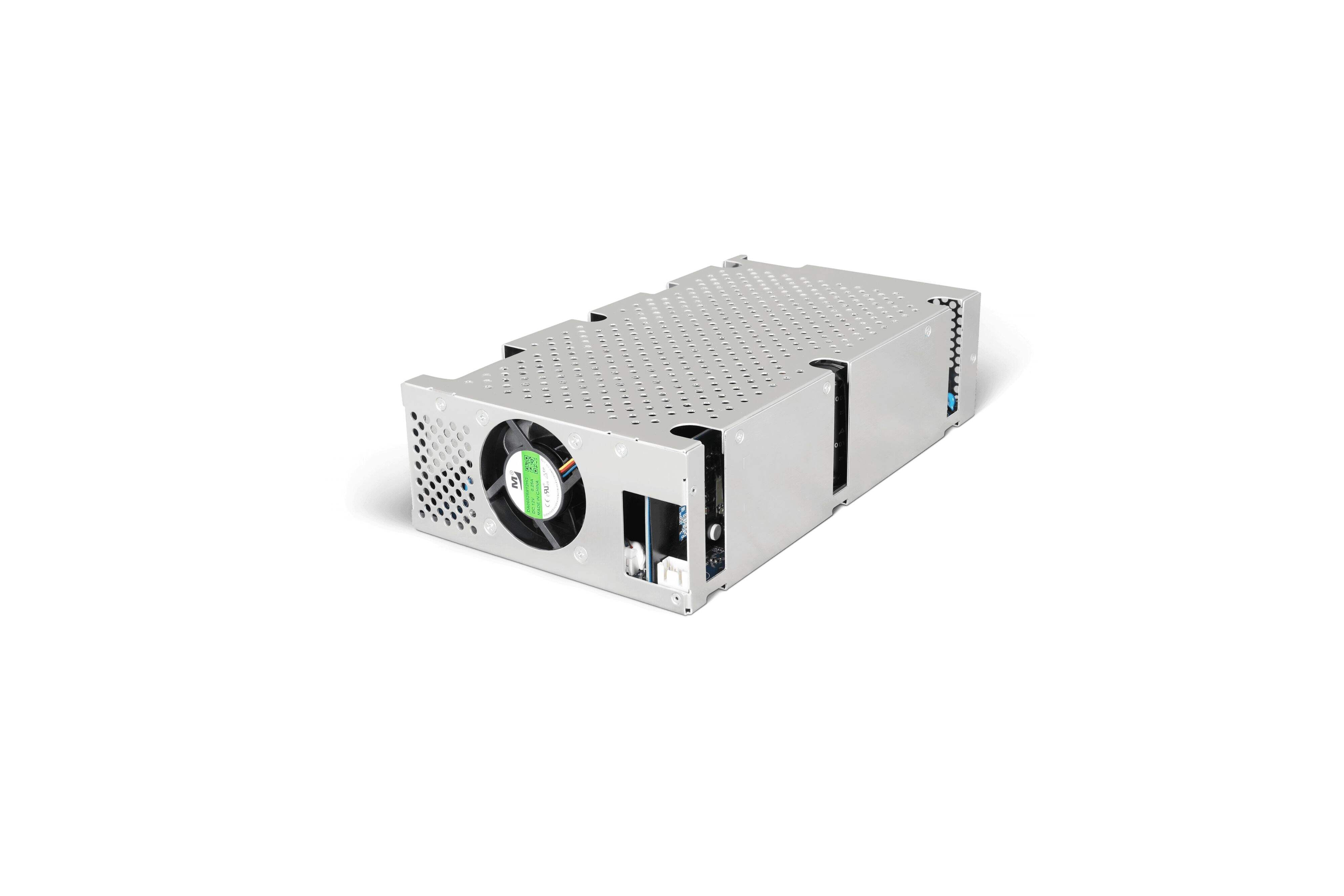
Advanced Power Storage Device Solutions: Reliable Energy Storage Technology

All Categories

Get a Free Quote

Our representative will contact you soon.
Email
Name
Company Name
Message
0/1000

power storage device

A power storage device represents a critical technological solution designed to capture, store, and distribute electrical energy efficiently when needed. These sophisticated systems serve as essential components in modern energy infrastructure, bridging the gap between energy generation and consumption periods. The fundamental purpose of any power storage device revolves around collecting excess electricity during low-demand periods and releasing it during peak usage times, creating a balanced and reliable energy supply chain. Modern power storage device technology encompasses various methodologies, including lithium-ion battery systems, compressed air energy storage, pumped hydroelectric storage, and emerging solid-state solutions. Each power storage device operates through electrochemical processes that convert electrical energy into stored chemical potential energy, which can be reconverted back to electricity on demand. The technological architecture of contemporary power storage device systems incorporates advanced battery management systems, intelligent monitoring capabilities, and sophisticated thermal regulation mechanisms. These features ensure optimal performance, safety, and longevity of the power storage device throughout its operational lifecycle. Applications for power storage device technology span residential, commercial, and industrial sectors, providing backup power solutions, grid stabilization services, and renewable energy integration capabilities. In residential settings, a power storage device enables homeowners to achieve energy independence, reduce electricity costs, and maintain power during outages. Commercial applications leverage power storage device systems for demand charge reduction, peak shaving, and uninterrupted power supply for critical operations. Industrial facilities utilize large-scale power storage device installations to manage energy costs, improve power quality, and support manufacturing processes that require consistent electrical supply. The integration of smart grid technology with power storage device systems creates opportunities for dynamic energy trading, load balancing, and enhanced grid resilience, making these devices increasingly valuable in modern energy management strategies.

New Product Recommendations

The primary advantage of implementing a power storage device lies in its ability to provide immediate energy independence and cost savings for users across all sectors. When you install a power storage device, you gain control over your electricity usage patterns and reduce dependence on traditional utility companies during peak pricing periods. This power storage device capability translates directly into lower monthly electricity bills, as you can store energy during off-peak hours when rates are lowest and use stored power when utility rates spike. The financial benefits of a power storage device extend beyond simple cost avoidance, creating long-term value through increased property values and potential revenue generation through energy trading programs. Reliability represents another compelling advantage of power storage device technology, ensuring uninterrupted power supply during grid outages, natural disasters, or maintenance periods. Your power storage device acts as an automatic backup system, seamlessly switching to stored energy when the main power supply fails, protecting sensitive equipment and maintaining critical operations. This reliability proves especially valuable for businesses where power interruptions can result in significant financial losses, data corruption, or safety concerns. Environmental benefits make power storage device adoption an attractive choice for environmentally conscious consumers and organizations seeking to reduce their carbon footprint. A power storage device enables maximum utilization of renewable energy sources like solar panels and wind turbines by storing excess clean energy for later use, reducing reliance on fossil fuel-generated electricity from the grid. The scalability advantage of modern power storage device systems allows users to start with smaller installations and expand capacity as needs grow, making these solutions accessible to various budgets and requirements. Installation flexibility ensures that power storage device systems can be adapted to existing electrical infrastructure without major modifications, reducing implementation costs and complexity. Smart connectivity features in contemporary power storage device units provide real-time monitoring, remote management capabilities, and predictive maintenance alerts, optimizing performance and extending system lifespan. The modular design of advanced power storage device technology facilitates easy maintenance, component replacement, and system upgrades, ensuring long-term operational efficiency and protecting your investment over decades of use.

Practical Tips

A Power Station That Doesn’t Generate Electricity — Yet Moves 120 Million kWh a Year

18

Dec

A Power Station That Doesn’t Generate Electricity — Yet Moves 120 Million kWh a Year

View More
BOCO Electronics Brings Hengyang Intelligent Manufacturing Base Online, Expanding Annual Production Beyond One Million Units

18

Dec

BOCO Electronics Brings Hengyang Intelligent Manufacturing Base Online, Expanding Annual Production Beyond One Million Units

View More
BOCO Electronics Demonstrates System-Level Power Conversion Innovation at SNEC 2025

18

Dec

BOCO Electronics Demonstrates System-Level Power Conversion Innovation at SNEC 2025

View More

Get a Free Quote

Our representative will contact you soon.
Email
Name
Company Name
Message
0/1000

power storage device

Advanced Energy Management and Grid Independence

Advanced Energy Management and Grid Independence

The sophisticated energy management capabilities of modern power storage device technology represent a revolutionary advancement in personal and commercial energy control. This power storage device feature enables users to achieve unprecedented levels of grid independence through intelligent energy scheduling and automated load management systems. When integrated with renewable energy sources, a power storage device creates a comprehensive energy ecosystem that maximizes self-consumption rates and minimizes grid dependency. The advanced algorithms within each power storage device continuously analyze energy usage patterns, weather forecasts, and utility pricing structures to optimize charging and discharging cycles automatically. This intelligent management ensures that your power storage device operates at peak efficiency, storing energy when it is most abundant and affordable while releasing power during high-demand periods. The grid independence aspect of a power storage device provides substantial protection against utility rate increases, rolling blackouts, and infrastructure failures that can disrupt traditional power supplies. Users benefit from predictable energy costs and reliable power availability, regardless of external grid conditions or utility company policies. The power storage device monitoring systems provide detailed insights into energy consumption patterns, helping users identify opportunities for additional savings and efficiency improvements. Real-time data from your power storage device enables informed decisions about energy usage, appliance operation timing, and future capacity expansion needs. The seamless integration capabilities of modern power storage device systems work with existing solar installations, smart home systems, and utility connections without requiring extensive modifications to current electrical infrastructure. This compatibility ensures that your power storage device investment enhances rather than replaces existing energy systems, maximizing overall value and functionality. The automated features of an advanced power storage device eliminate the need for manual intervention, providing set-and-forget convenience while maintaining optimal performance. Emergency backup functionality ensures that critical loads remain powered during outages, with the power storage device automatically prioritizing essential systems like refrigeration, lighting, and communication equipment.
Exceptional Safety and Durability Standards

Exceptional Safety and Durability Standards

Safety represents the cornerstone of modern power storage device design, with multiple redundant protection systems ensuring secure operation under all conditions. Each power storage device incorporates advanced battery management systems that continuously monitor cell voltage, temperature, current flow, and overall system health to prevent potentially dangerous situations. The thermal management system within every power storage device maintains optimal operating temperatures through sophisticated cooling mechanisms, preventing overheating and extending battery lifespan significantly. Fire suppression capabilities built into commercial-grade power storage device installations provide additional protection through automatic detection and suppression systems that activate in emergency situations. The robust construction of contemporary power storage device units features weather-resistant enclosures, corrosion-proof materials, and impact-resistant housing designed to withstand harsh environmental conditions. Each power storage device undergoes rigorous testing protocols that simulate extreme weather events, seismic activity, and electrical stress conditions to ensure reliable performance throughout its operational life. The fault detection systems in advanced power storage device technology identify potential issues before they become serious problems, automatically isolating affected components and alerting users to maintenance needs. Durability testing for each power storage device includes thousands of charge-discharge cycles, temperature cycling, humidity exposure, and vibration testing to guarantee long-term reliability. The modular architecture of modern power storage device systems enhances safety by isolating individual components, preventing cascading failures that could affect the entire system. Professional installation standards for power storage device systems ensure compliance with local electrical codes, safety regulations, and manufacturer specifications, minimizing risks associated with improper setup. The warranty coverage provided with quality power storage device installations reflects manufacturer confidence in safety and durability, typically offering comprehensive protection for ten to fifteen years. Continuous monitoring capabilities allow your power storage device to communicate system status, performance metrics, and maintenance requirements through secure internet connections, enabling proactive maintenance and immediate response to any safety concerns.
Versatile Applications and Scalable Solutions

Versatile Applications and Scalable Solutions

The remarkable versatility of modern power storage device technology enables deployment across diverse applications, from residential backup power to large-scale industrial energy management systems. This adaptability makes a power storage device suitable for virtually any energy storage requirement, regardless of scale, budget, or specific use case. Residential applications for power storage device systems include whole-home backup power, solar energy storage, time-of-use optimization, and electric vehicle charging support. The scalable nature of power storage device technology allows homeowners to begin with basic systems and expand capacity as energy needs grow or budgets allow. Commercial applications leverage power storage device capabilities for demand charge reduction, peak shaving, power quality improvement, and critical load protection. The modular design of commercial power storage device installations enables businesses to customize systems based on specific operational requirements and energy usage patterns. Industrial facilities benefit from large-scale power storage device deployments that provide grid services, renewable energy integration, and manufacturing process support. The flexibility of power storage device systems accommodates various installation environments, including indoor and outdoor locations, ground-mounted and roof-mounted configurations, and integration with existing electrical infrastructure. Agricultural applications utilize power storage device technology for irrigation systems, livestock facilities, and farm equipment charging, particularly in remote locations where grid connectivity may be unreliable or expensive. Emergency services and critical infrastructure facilities depend on power storage device systems for backup power during natural disasters, grid failures, and maintenance periods. The portable power storage device options serve recreational vehicles, camping applications, construction sites, and temporary power needs where traditional electrical connections are unavailable. Educational institutions implement power storage device systems for energy cost reduction, sustainability demonstrations, and research purposes, creating learning opportunities while improving operational efficiency. Healthcare facilities rely on power storage device backup systems to maintain life-support equipment, preserve medical supplies, and ensure continuous operation during power disruptions. The future expansion capabilities of power storage device technology include integration with smart city infrastructure, electric vehicle charging networks, and advanced grid management systems, positioning these solutions as foundational components of tomorrow's energy landscape.


Get a Free Quote

Our representative will contact you soon.
Email
Name
Company Name
Message
0/1000