
 EN
EN
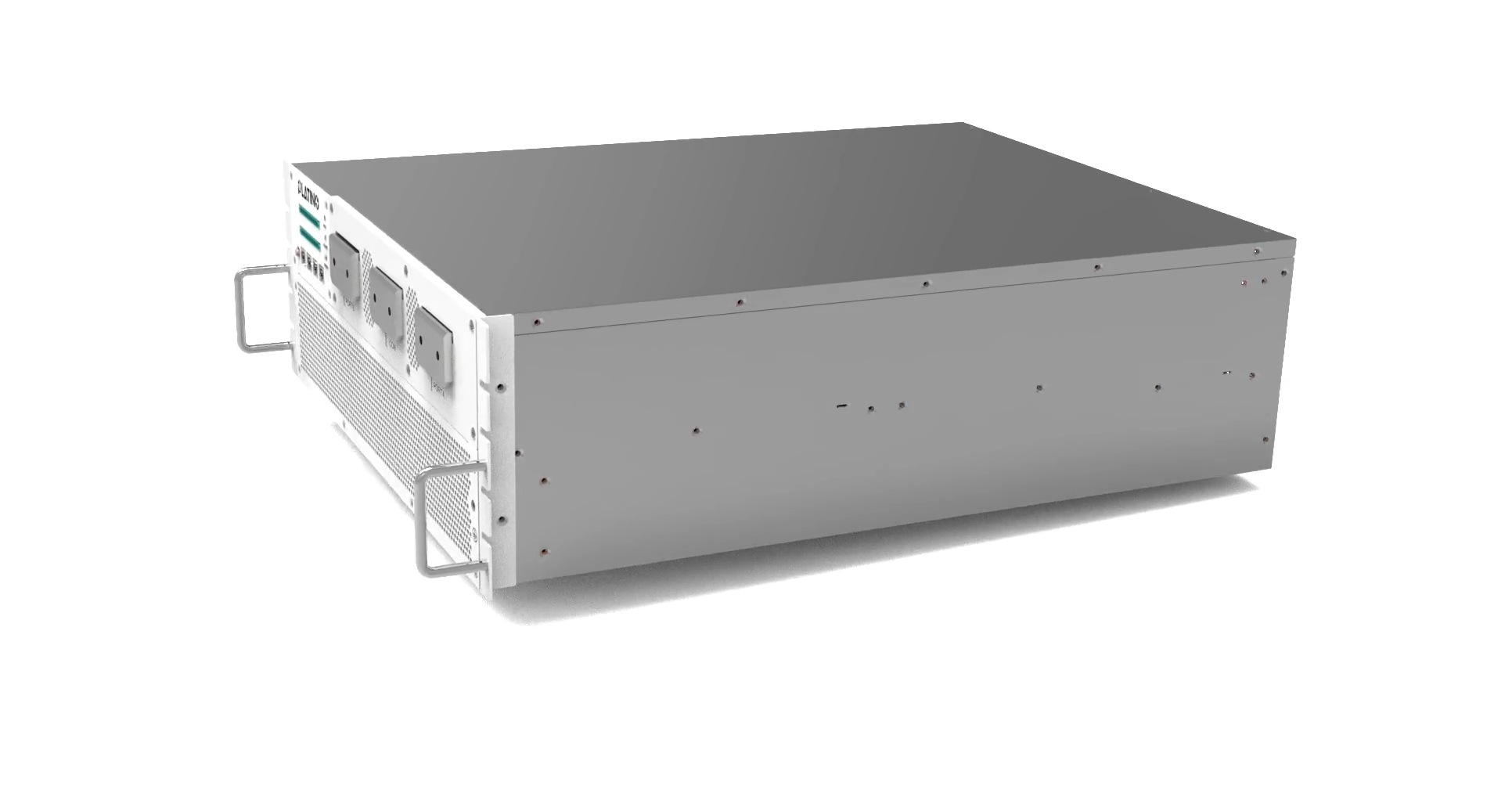
When evaluating a high power PCS for BESS, understanding efficiency benchmarks is not optional — it is the foundation of every sound investment decision. A high power PCS for BESS directly determines how much energy is retained through each charge and discharge cycle, and even small inefficiencies compound into significant financial losses over the lifetime of a battery energy storage system. Operators, developers, and procurement engineers all need reliable benchmark data to evaluate whether a high power PCS for BESS truly meets the demands of modern grid-scale or commercial energy storage projects.
A high power PCS for BESS operates as the critical conversion bridge between the battery pack and the AC grid. The efficiency of a high power PCS for BESS is measured across multiple dimensions, including peak conversion efficiency, weighted average efficiency, standby power consumption, and round-trip efficiency. Each of these metrics tells a different part of the story, and together they define whether a high power PCS for BESS is genuinely competitive for deployment in demanding energy storage environments. This article explains what efficiency benchmarks to look for, what the numbers mean in practice, and how a high power PCS for BESS should be evaluated against current industry standards.
Core Efficiency Metrics for a High Power PCS for BESS
Peak Conversion Efficiency
The most commonly cited figure for any high power PCS for BESS is its peak conversion efficiency. This number represents the highest ratio of output power to input power that the high power PCS for BESS can achieve under optimal load conditions. For a competitive high power PCS for BESS operating at the 100 kW level or above, peak conversion efficiency is typically expected to reach 98% or higher. A high power PCS for BESS that falls below 97% peak efficiency is generally considered below the current industry standard for grid-scale applications. Peak efficiency alone, however, does not capture the full picture of how a high power PCS for BESS performs across its entire operating range.
Weighted Average Efficiency
Because a high power PCS for BESS rarely operates at its peak load point throughout the day, weighted average efficiency is a more meaningful benchmark. This metric evaluates how a high power PCS for BESS performs across a range of load percentages — typically from 20% to 100% of rated capacity. A well-designed high power PCS for BESS should maintain efficiency above 96% even at 25% load. The European Efficiency standard and the CEC efficiency standard are two commonly used weighted frameworks that offer a realistic portrait of how a high power PCS for BESS behaves under variable load conditions. Specifying a high power PCS for BESS based only on peak efficiency while ignoring weighted average efficiency often leads to unexpected energy losses in real-world deployments.
Standby and No-Load Performance Benchmarks
Standby Power Consumption
Standby power consumption is a critical but often overlooked benchmark when assessing a high power PCS for BESS. When a high power PCS for BESS is not actively converting power — during off-peak hours or during grid outage standby modes — it still draws power to maintain its control systems, cooling, and communication interfaces. A high-quality high power PCS for BESS should have standby consumption below 200 W at the 100 kW class, and proportionally low figures at higher power ratings. Excessive standby loss from a high power PCS for BESS will erode the overall round-trip efficiency of the battery storage system, particularly in applications where the system experiences frequent idle periods.
No-Load Loss and Idle Efficiency
Beyond standby mode, no-load loss describes how much power a high power PCS for BESS dissipates when it is powered on but not converting any energy. A high power PCS for BESS with poor no-load efficiency characteristics will contribute to measurable annual energy waste. Modern designs for a high power PCS for BESS use advanced gate driver circuits, optimized magnetic components, and intelligent power management to minimize no-load losses. Benchmark data from well-engineered high power PCS for BESS units shows no-load loss below 0.15% of rated output power, which is an important threshold to verify during equipment evaluation.
Round-Trip Efficiency and Thermal Stability
Round-Trip Efficiency as a System-Level Benchmark
Round-trip efficiency is arguably the most important system-level benchmark for a high power PCS for BESS. It represents the percentage of energy recovered from the battery relative to the energy originally stored, accounting for the losses introduced by a high power PCS for BESS during both the charging and discharging cycles. A high power PCS for BESS with strong round-trip efficiency will typically achieve 96% or above at the system level when combined with a well-matched battery stack. Projects deploying a high power PCS for BESS for frequency regulation, peak shaving, or renewable energy storage should always request round-trip efficiency data at multiple state-of-charge levels, not just under ideal conditions. The round-trip performance of a high power PCS for BESS is the benchmark that most directly translates into levelized cost of storage outcomes.
Efficiency Under Thermal Stress
A high power PCS for BESS must maintain its efficiency benchmarks under real operating temperatures, not only in controlled laboratory conditions. Thermal derating, where a high power PCS for BESS reduces output capacity in high-ambient-temperature environments, can significantly impact efficiency and availability. Top-tier high power PCS for BESS products are rated for full-power operation at ambient temperatures up to 45°C or higher, with minimal derating effects below 50°C. Evaluating how a high power PCS for BESS manages heat through its cooling architecture — whether forced air, liquid-cooled, or a hybrid approach — is essential to confirming that efficiency benchmarks will hold in field conditions rather than only in factory test environments.
FAQ
What is considered a good peak efficiency for a high power PCS for BESS?
A high power PCS for BESS operating at 100 kW and above should achieve a peak conversion efficiency of at least 98%. Values below 97% are generally considered below the current benchmark for grid-scale and commercial high power PCS for BESS deployments.
Why does weighted average efficiency matter more than peak efficiency for a high power PCS for BESS?
A high power PCS for BESS spends most of its operational life cycling between partial and full load, not constantly at peak load. Weighted average efficiency gives a realistic picture of how a high power PCS for BESS performs across its actual operating range, making it a more accurate predictor of real-world energy losses and financial performance.
How does thermal performance affect the efficiency benchmarks of a high power PCS for BESS?
When ambient temperatures rise, a high power PCS for BESS may experience derating, which reduces its output and affects its efficiency profile. A high power PCS for BESS designed for full-rated operation up to 45°C or higher will maintain its efficiency benchmarks in demanding field environments, while a unit with poor thermal management may fall short of its published specifications under real operating conditions.