
 EN
EN
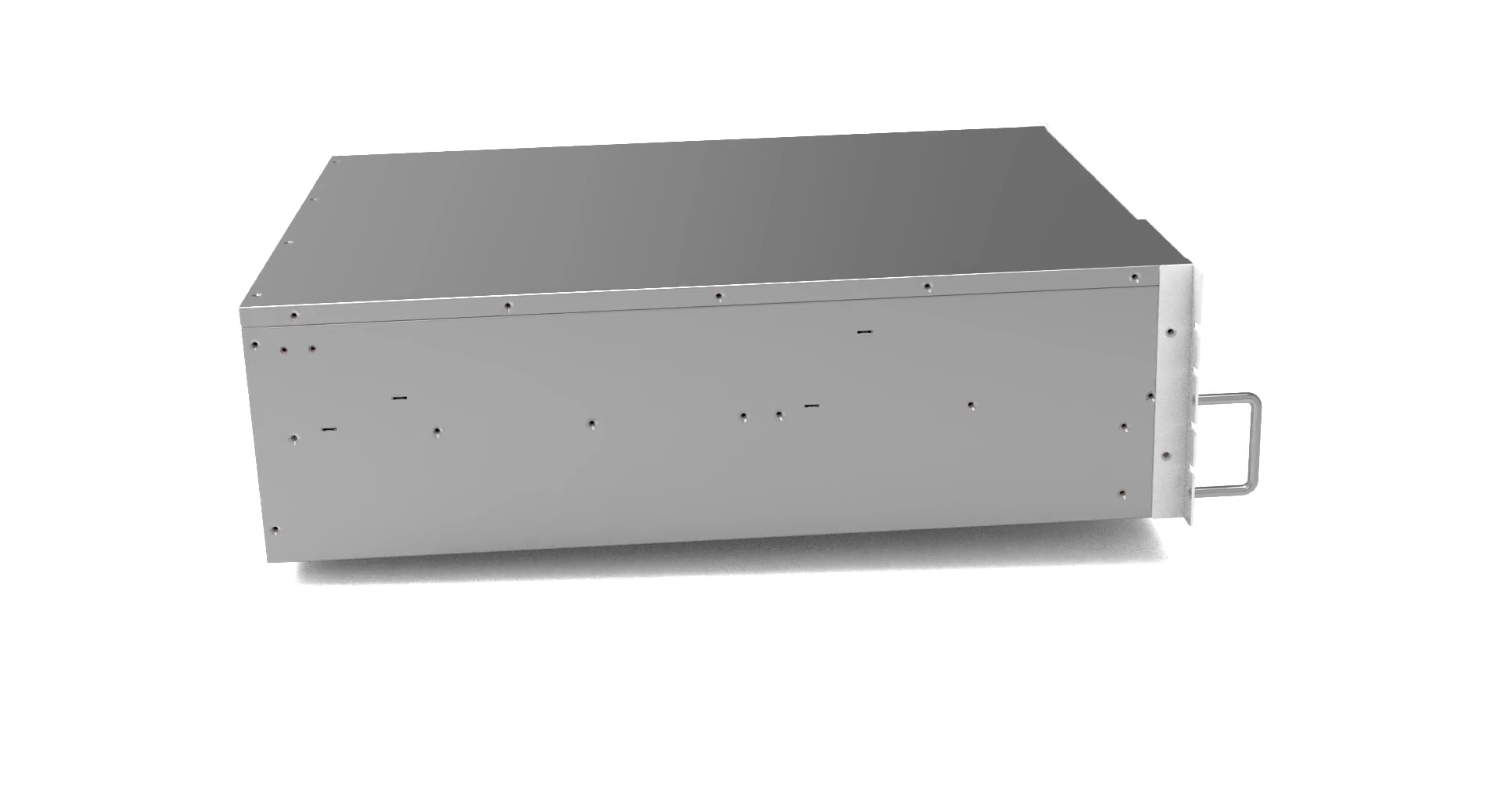
A high power PCS for BESS represents a critical infrastructure investment that demands rigorous maintenance attention to ensure reliable energy storage performance and system longevity. Battery energy storage systems depend entirely on power conversion systems to manage the bidirectional flow of electrical energy, making the high power PCS for BESS the operational backbone of modern renewable energy installations. Without structured maintenance protocols for a high power PCS for BESS, operators face escalating risks of unplanned downtime, reduced efficiency, and accelerated component degradation that can compromise entire energy storage deployments.
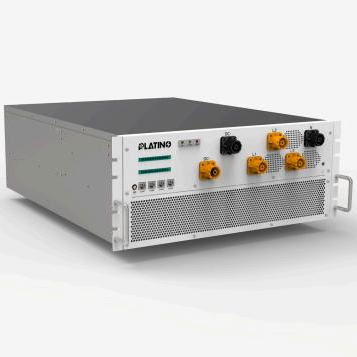
Developing and executing comprehensive maintenance protocols for a high power PCS for BESS is not optional—it is fundamental to protecting your energy storage investment and maintaining grid support capabilities. The high power PCS for BESS operates under continuous thermal, electrical, and mechanical stress, especially during rapid charge-discharge cycles. Proactive maintenance protocols transform reactive troubleshooting into predictable, controlled interventions that preserve system availability and extend operational lifespan significantly.
Understanding High Power PCS for BESS Core Components
Power Semiconductor Module Architecture
The high power PCS for BESS relies on advanced semiconductor components, including insulated-gate bipolar transistors and diodes, that control energy conversion at megawatt scales. These semiconductor modules generate substantial heat during operation, requiring dedicated thermal management systems. Maintenance protocols for a high power PCS for BESS must include regular thermal imaging of semiconductor stacks to detect hotspots indicative of degraded solder joints or thermal interface degradation. Temperature monitoring reveals early signs of cooling system failures before catastrophic component damage occurs.
Cooling System and Thermal Management
Liquid cooling systems integrated into a high power PCS for BESS dissipate megawatts of continuous heat generated by power conversion circuits. Maintenance protocols for a high power PCS for BESS demand quarterly coolant analysis to monitor pH levels, particle contamination, and corrosion inhibitor concentration. Clogged cooling channels reduce heat transfer efficiency and elevate junction temperatures to failure thresholds. Filter replacements, pump function verification, and coolant circulation tests must occur on scheduled intervals to prevent thermal runaway conditions that damage semiconductor modules irreversibly.
Electrical System Maintenance and Diagnostics
Insulation Resistance and Dielectric Testing
High-voltage electrical circuits within a high power PCS for BESS demand rigorous insulation health assessment through megohm resistance testing and dielectric breakdown analysis. Moisture ingress and partial discharge activity accelerate insulation degradation under high-frequency switching stress. Maintenance protocols for a high power PCS for BESS include biannual insulation resistance measurements on all primary power connections and transformer windings. Time-domain reflectometry detects conductor defects and moisture pockets in cable runs before insulation failure creates arc flash hazards or unplanned shutdowns.
Capacitor Bank and Filter Circuit Evaluation
The high power PCS for BESS incorporates bulk energy storage capacitors and harmonic filtering networks that experience ripple current stress and voltage transients continuously. Maintenance protocols for a high power PCS for BESS require quarterly capacitance and equivalent series resistance measurements to track aging signatures that precede catastrophic failure. Thermal stress and voltage cycling degrade capacitor electrolyte, reducing capacitance and increasing internal resistance exponentially. Predictive replacement of aging capacitors before electrical failures prevent cascading component damage and operational interruptions during critical grid support windows.
Mechanical Systems and Control Hardware Protocols
Transformer and Inductance Component Maintenance
Transformers and inductors within a high power PCS for BESS experience core saturation, winding resonance, and insulation stress during transient grid disturbances. Maintenance protocols for a high power PCS for BESS include vibration analysis of transformer cores to identify loosened laminations or mechanical resonance conditions. Dissolved gas analysis of transformer oil detects internal arcing or thermal degradation patterns years before catastrophic winding failure occurs. Annual oil sampling and moisture content analysis form essential elements of a high power PCS for BESS reliability program that extends component life and prevents emergency replacements.
Control Circuit and Signal Processing Diagnostics
Microprocessor-based control systems governing a high power PCS for BESS execute power flow algorithms millions of times per second under variable environmental conditions. Maintenance protocols for a high power PCS for BESS must include firmware update verification, sensor calibration validation, and communication protocol testing across all monitoring channels. Environmental dust infiltration compromises signal integrity on analog sensor circuits, introducing measurement errors that degrade energy conversion efficiency. Monthly visual inspections combined with annual component-level testing of input/output circuits ensure control system reliability throughout the high power PCS for BESS operational lifetime.
Preventive Maintenance Scheduling Framework
Daily and Weekly Operational Monitoring
Automated monitoring systems continuously track performance metrics from a high power PCS for BESS installation, providing early warning of emerging failures through algorithmic pattern recognition. Daily efficiency trending, temperature surveillance, and fault code logging establish baseline performance signatures unique to each high power PCS for BESS deployment. Weekly manual inspections of cooling system flow rates, electrical connection tightness, and cabinet environmental conditions detect problems before system alarms activate. Maintenance protocols for a high power PCS for BESS succeed only when operators respond rapidly to performance deviations by performing corrective actions within 48 hours of anomaly detection.
Quarterly, Semi-Annual, and Annual Maintenance Cycles
Quarterly maintenance intervals targeting high power PCS for BESS installations include thermal imaging surveys, coolant sampling, and control system calibration verification. Semi-annual procedures expand to insulation resistance testing, capacitor health assessment, and transformer oil analysis. Annual comprehensive maintenance of a high power PCS for BESS involves component-level replacements of wear items, complete electrical system diagnostics, and mechanical system re-certification. Maintenance protocols for a high power PCS for BESS organized around these intervals create predictable service windows that minimize unexpected outages while maximizing system availability during peak grid support demands.
FAQ
How often should coolant be replaced in a high power PCS for BESS?
Coolant should be completely replaced every two to three years, with quarterly sampling and analysis performed on intervals to track degradation. Maintenance protocols for a high power PCS for BESS extend coolant life through effective filtration systems that remove particulate contamination. Water content exceeding 500 parts per million indicates coolant degradation and necessitates immediate replacement to prevent thermal management system failures affecting a high power PCS for BESS reliability.
What are critical warning signs of failing components in a high power PCS for BESS?
Temperature excursions beyond design ranges, increasing THD distortion in AC output waveforms, and unexplained efficiency losses all signal developing faults within a high power PCS for BESS system architecture. Maintenance protocols for a high power PCS for BESS emphasize operator training to recognize these indicators immediately. Rising acoustic noise from transformer cores, visible moisture condensation on cabinet surfaces, and intermittent communication faults between control modules demand urgent investigation of potential high power PCS for BESS degradation before catastrophic failure occurs.
Can maintenance protocols for a high power PCS for BESS reduce operational costs?
Systematic maintenance protocols for a high power PCS for BESS prevent costly emergency repairs and warranty-voiding failures that multiply replacement expenses exponentially. Predictive maintenance intervals identify wear patterns allowing planned component replacements during scheduled service windows rather than unplanned emergencies. Maintaining optimal high power PCS for BESS performance through established protocols maximizes energy conversion efficiency, reducing operational waste and extending profitable asset lifespan significantly.