
 EN
EN
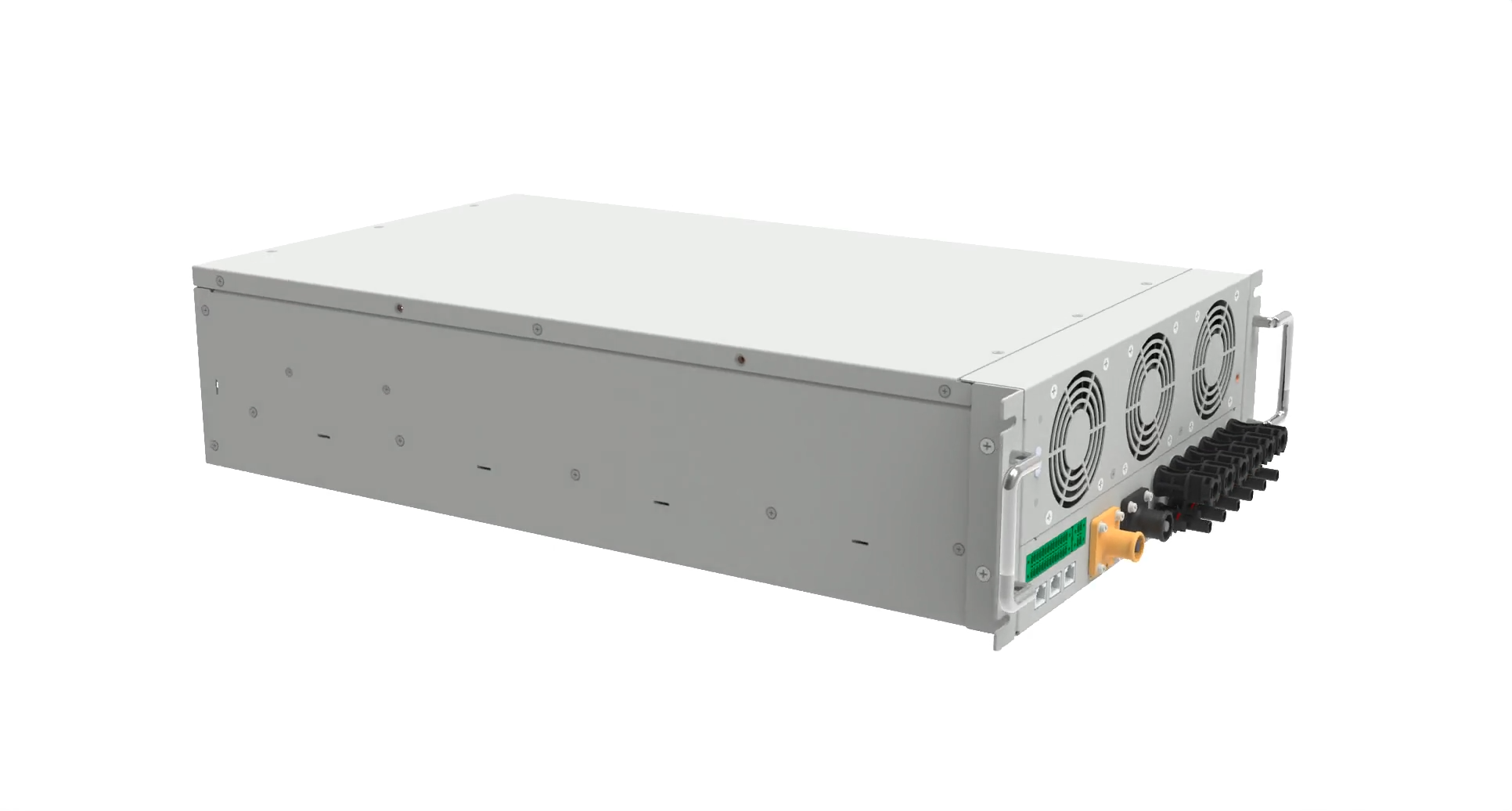
A bidirectional power conversion system has become one of the most critical components in modern microgrid design. Unlike a conventional one-way inverter, a bidirectional power conversion system can move energy both from the grid to a storage unit and from the storage unit back to the grid or local load. This dual-direction capability is not a luxury feature — it is the operational foundation that makes a microgrid genuinely functional and resilient. Understanding why a bidirectional power conversion system is vital requires examining what microgrids actually demand from their core power electronics.
A microgrid is a locally controlled energy system that integrates distributed generation, energy storage, and controllable loads. For such a system to operate effectively — whether connected to the utility grid or running in island mode — it needs a bidirectional power conversion system that can respond instantly to changes in generation output, load demand, and grid conditions. The bidirectional power conversion system serves as the intelligent gateway between DC energy sources, battery storage banks, and AC distribution networks, making it indispensable at every stage of microgrid operation.
The Core Role of a Bidirectional Power Conversion System in Microgrids
Enabling Seamless Energy Flow in Both Directions
The fundamental reason a bidirectional power conversion system is vital lies in its ability to manage energy flow without interruption in either direction. During periods of excess renewable generation, a bidirectional power conversion system converts AC surplus power into DC to charge battery storage systems. During peak demand or generation shortfalls, the same bidirectional power conversion system reverses operation, converting stored DC energy back into AC power to support the load. This seamless transition is what separates a true microgrid from a simple backup power setup.
A bidirectional power conversion system must execute this directional switching within milliseconds. Any delay in energy routing creates voltage instability, frequency deviation, or supply interruption. Modern bidirectional power conversion system designs use advanced pulse-width modulation control and real-time digital signal processors to achieve transition speeds that protect sensitive industrial and commercial loads. The precision of the bidirectional power conversion system directly determines the quality of power delivered within the microgrid.
Supporting Battery Storage Integration
Battery energy storage is central to nearly every microgrid architecture today, and a bidirectional power conversion system is the technology that makes storage genuinely usable. Without a bidirectional power conversion system, a battery bank can only charge or discharge through separate, inefficient hardware. With a bidirectional power conversion system, charging and discharging are managed through a single optimized power stage, reducing energy losses and simplifying system architecture. The bidirectional power conversion system also monitors battery state-of-charge in real time, preventing overcharge and deep discharge conditions that shorten battery life.
Why Microgrids Specifically Require Bidirectional Power Conversion
Grid-Connected and Island Mode Operation
A microgrid must switch between grid-connected mode and island mode depending on utility availability and local conditions. A bidirectional power conversion system manages both modes within a single device architecture. In grid-connected mode, the bidirectional power conversion system synchronizes with the utility frequency, absorbs or injects power as commanded, and supports grid stability services. In island mode, the bidirectional power conversion system takes over voltage and frequency regulation entirely, acting as the local reference for all connected generation and load equipment.
This dual-mode capability is not achievable with standard unidirectional inverters. A conventional inverter can only push power in one direction and relies entirely on the grid for voltage and frequency reference. The bidirectional power conversion system, by contrast, includes grid-forming control algorithms that generate a stable AC output independently. For remote or critical infrastructure microgrids, this capability provided by a bidirectional power conversion system is not optional — it is the technical requirement that keeps operations running when the main grid fails.
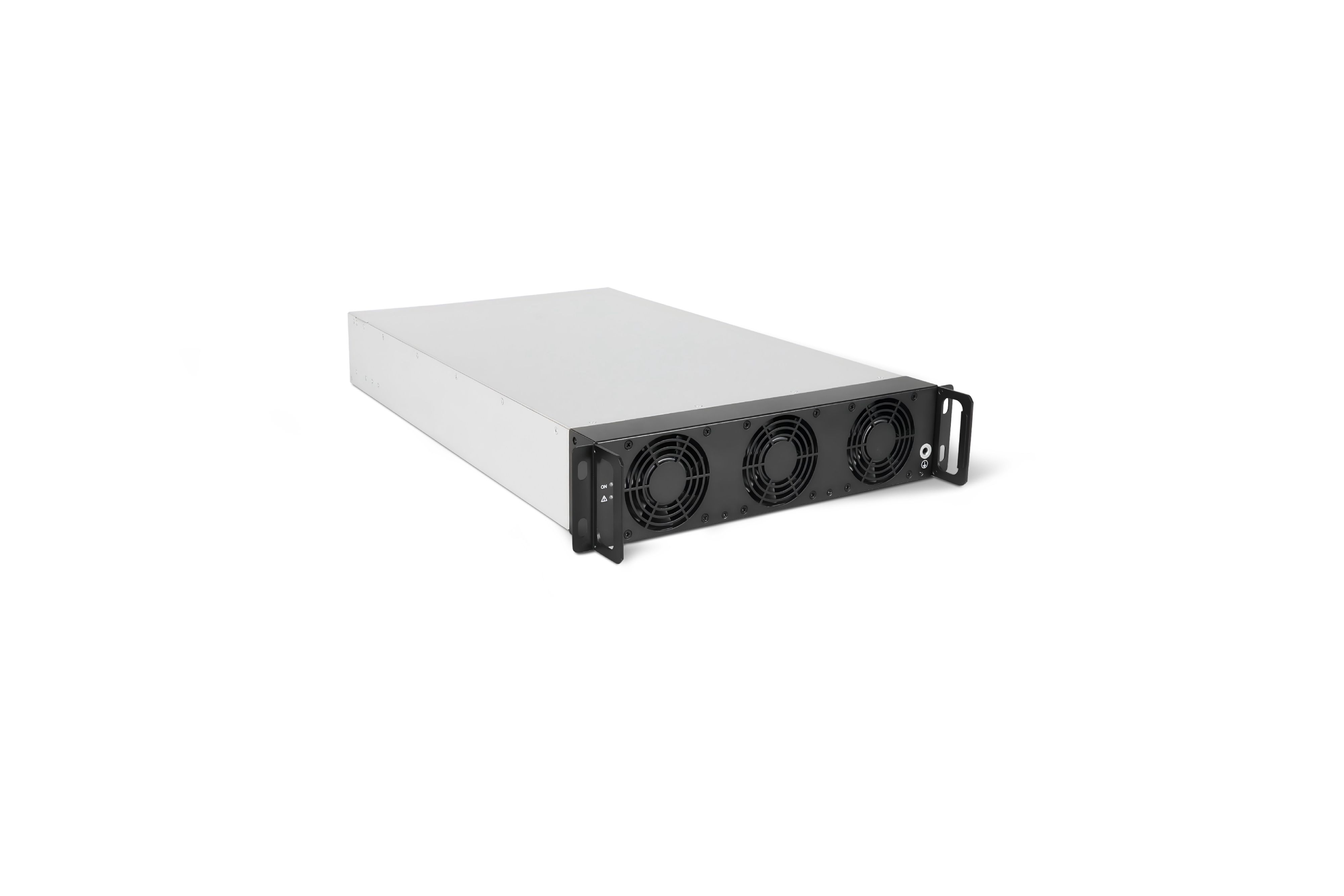
Enabling Grid Services and Revenue Generation
A bidirectional power conversion system also enables a microgrid to participate in grid services markets. Frequency regulation, demand response, peak shaving, and voltage support are all services that require rapid, controllable, bidirectional energy delivery. A bidirectional power conversion system can inject or absorb reactive and active power on command from a grid operator or energy management system. These capabilities allow microgrid owners to generate ancillary service revenue while contributing to broader grid stability, creating an economic justification that goes beyond simple backup power. The value of a bidirectional power conversion system in this context scales directly with grid market access and local utility tariff structures.
Technical Advantages That Make Bidirectional Power Conversion Essential
High Efficiency Across Variable Load Conditions
A well-designed bidirectional power conversion system maintains high efficiency across a wide range of operating points, from partial load to full rated power. This is critical in microgrid environments where renewable generation is variable and storage dispatch patterns shift throughout the day. A bidirectional power conversion system that degrades efficiency at partial load wastes stored energy and increases operating costs. Leading bidirectional power conversion system designs achieve conversion efficiencies above 96% at both rated and partial load by using wide-bandgap semiconductors and optimized magnetic components. This level of efficiency ensures that the energy invested in charging a battery bank is largely recovered during discharge.
Modular Scalability for Growing Microgrids
Microgrid capacity requirements often evolve over time as load demand grows or additional generation assets are added. A modular bidirectional power conversion system allows operators to scale system capacity by adding parallel converter units without replacing existing infrastructure. Each bidirectional power conversion system module shares the load proportionally, and control communication between modules maintains voltage and frequency balance across the expanded system. This modular approach to the bidirectional power conversion system reduces upfront capital investment and provides a clear upgrade path, making it the preferred architecture for commercial, industrial, and utility-scale microgrid projects.
FAQ
What distinguishes a bidirectional power conversion system from a standard inverter?
A standard inverter converts DC to AC in one direction only and relies on the utility grid for voltage and frequency reference. A bidirectional power conversion system converts power in both directions — charging storage from AC sources and discharging storage back to AC loads or the grid — while also providing independent voltage and frequency regulation in island mode. This makes the bidirectional power conversion system essential for any application requiring energy storage and autonomous grid operation.
How does a bidirectional power conversion system improve microgrid resilience?
When the utility grid fails, a bidirectional power conversion system transitions the microgrid to island mode, maintaining stable voltage and frequency from local storage and generation. The bidirectional power conversion system manages the charge and discharge of battery systems to extend operational autonomy during outages. Its fast response time prevents supply interruptions, protecting connected equipment and maintaining continuity of critical services. This resilience capability is the primary reason industrial and infrastructure operators deploy a bidirectional power conversion system in their microgrids.
What power ratings are typical for a bidirectional power conversion system in commercial microgrids?
Commercial microgrid applications commonly use a bidirectional power conversion system rated between 30 kW and 500 kW, with larger utility-scale projects using multiple bidirectional power conversion system modules in parallel to reach megawatt-scale capacity. The choice of bidirectional power conversion system rating depends on peak load demand, battery storage capacity, and the response time requirements of the application. Modular bidirectional power conversion system designs, such as 130 kW cabinet units, offer a practical balance between capacity, footprint, and scalability for most commercial and industrial microgrid deployments.