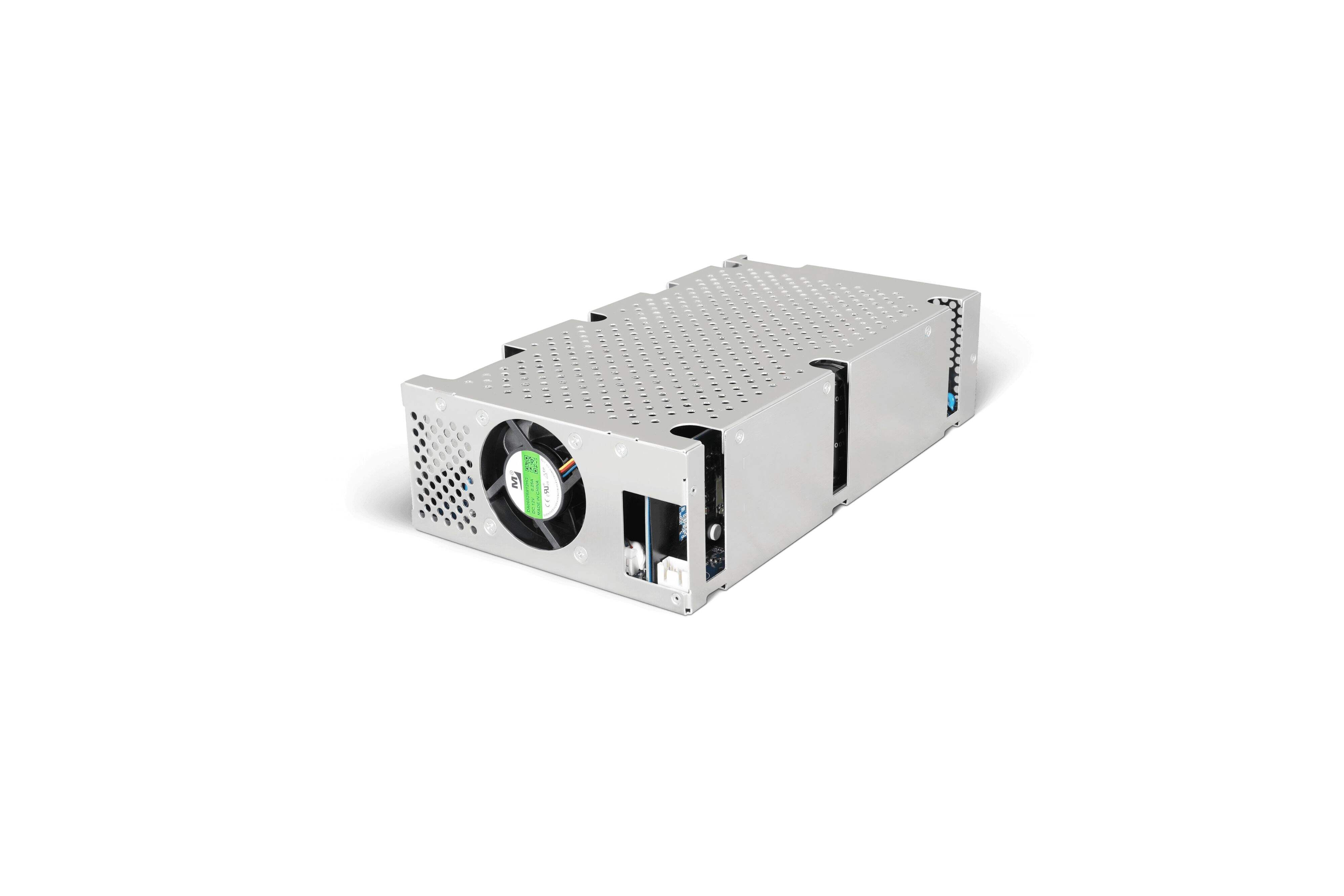
Advanced Protection Systems Safeguard Your Investment
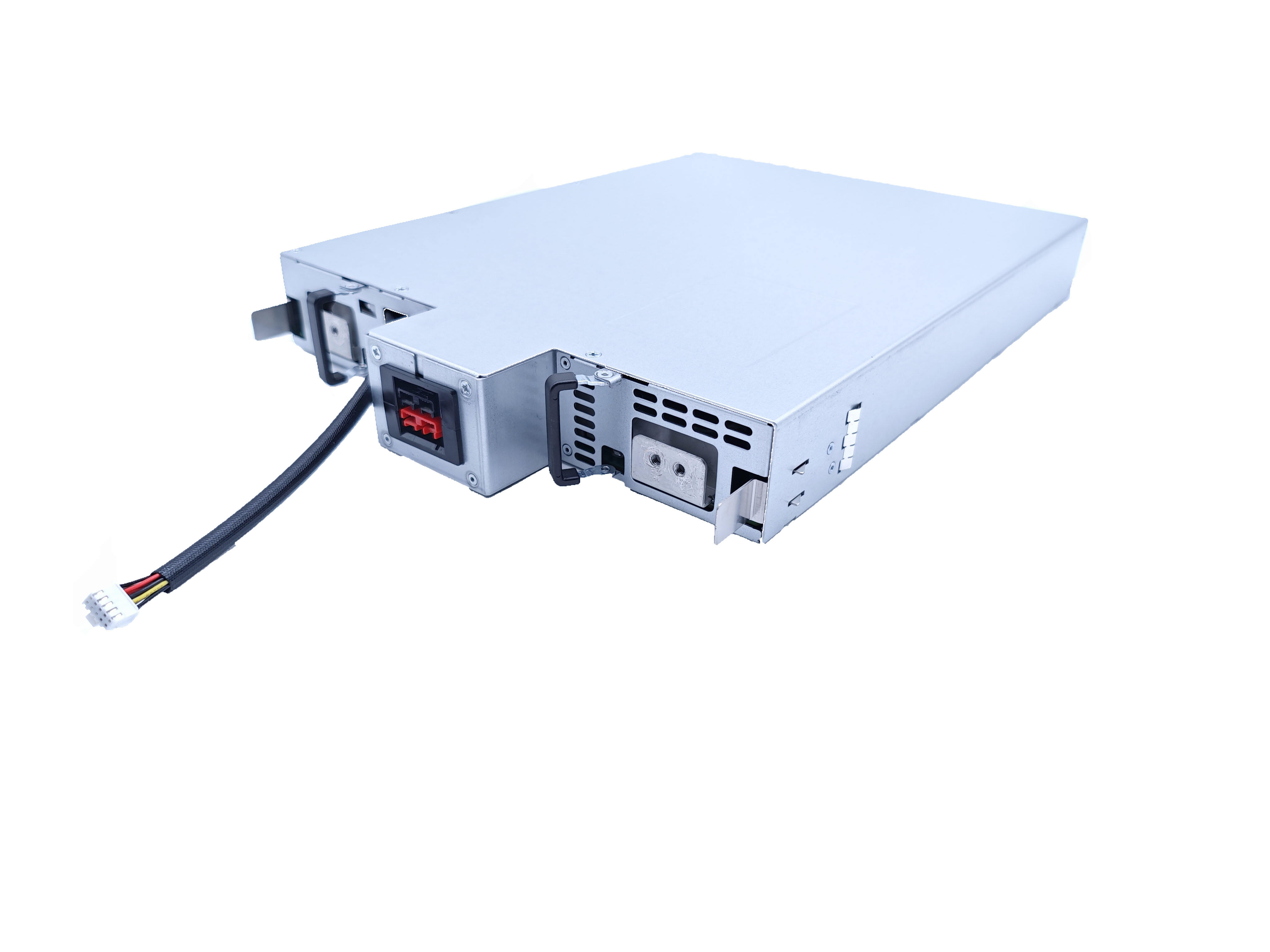
Modern computer power supply units incorporate multiple layers of sophisticated protection mechanisms designed to shield valuable computer components from electrical hazards and power-related failures. Over-voltage protection circuits continuously monitor output voltage levels, instantly shutting down the unit if voltages exceed safe thresholds, preventing permanent damage to sensitive processors, memory modules, and graphics cards that cost hundreds or thousands of dollars to replace. Under-voltage protection ensures components receive adequate power levels for stable operation, preventing system instability, data corruption, and unexpected shutdowns that can result in lost work or damaged files. Over-current protection monitors power consumption across all output rails, detecting when components draw excessive current that could indicate hardware failures or dangerous short circuits. Short-circuit protection provides instantaneous shutdown capabilities when electrical faults occur, preventing fires, component damage, and potential safety hazards in home or office environments. Thermal protection systems monitor internal temperatures, automatically reducing output or shutting down when excessive heat threatens component reliability or user safety. Power-good signals communicate with motherboards, ensuring proper startup sequences and preventing boot failures that can confuse users and waste valuable time troubleshooting. These protection features work continuously in the background, requiring no user intervention while providing comprehensive safety coverage for entire computer systems. Quality computer power supply units undergo rigorous testing procedures, including burn-in testing, voltage regulation testing, and protection circuit verification, ensuring reliable operation under real-world conditions. Independent safety certifications from organizations like UL, CE, and FCC validate compliance with international safety standards, providing additional assurance for consumers concerned about electrical safety. The cumulative benefit of these protection systems extends far beyond immediate component safety, providing long-term value through reduced maintenance costs, extended hardware lifespan, and improved system reliability that translates into increased productivity and reduced downtime.

 EN
EN