High-Efficiency Power Conversion Modules - Advanced Solutions for Industrial Applications

All Categories

Get a Free Quote

Our representative will contact you soon.
Email
Name
Company Name
Message
0/1000

power conversion module

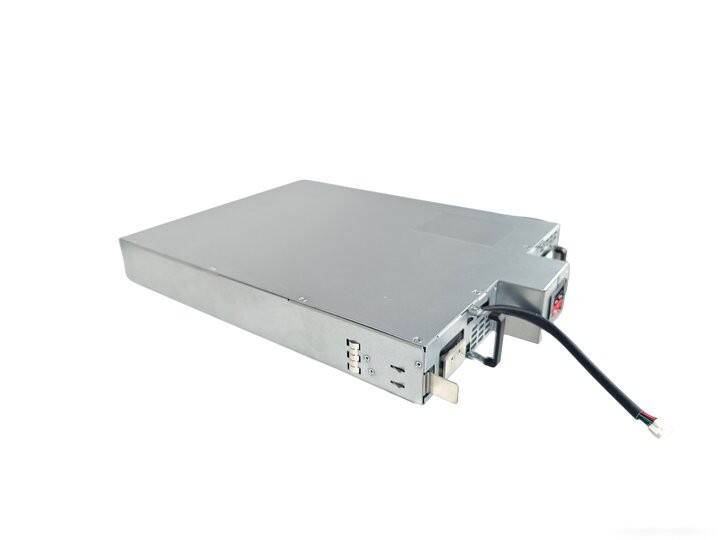
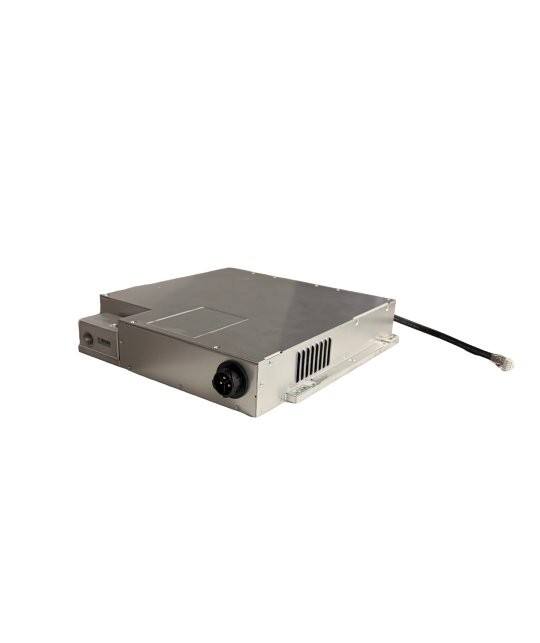
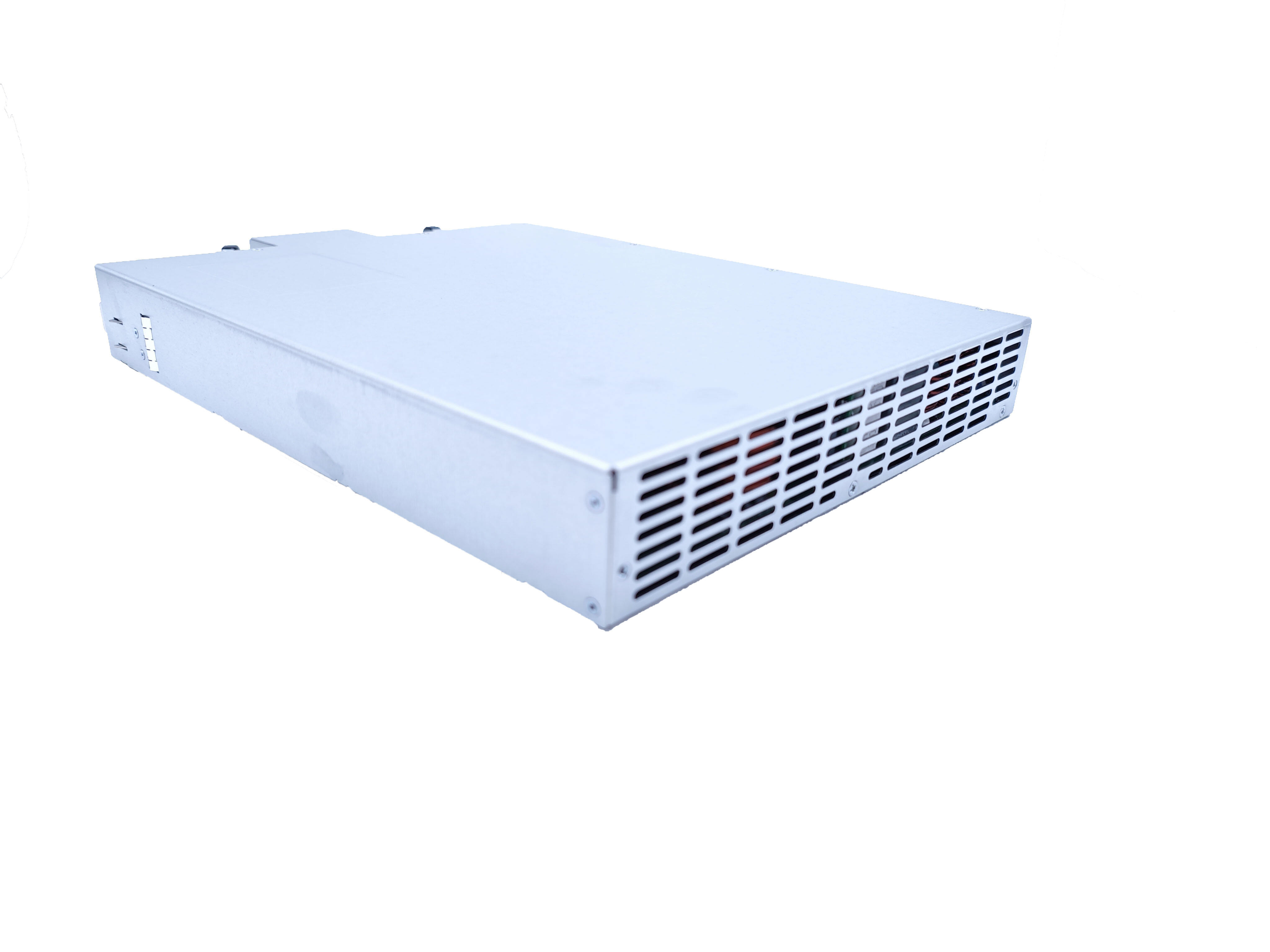
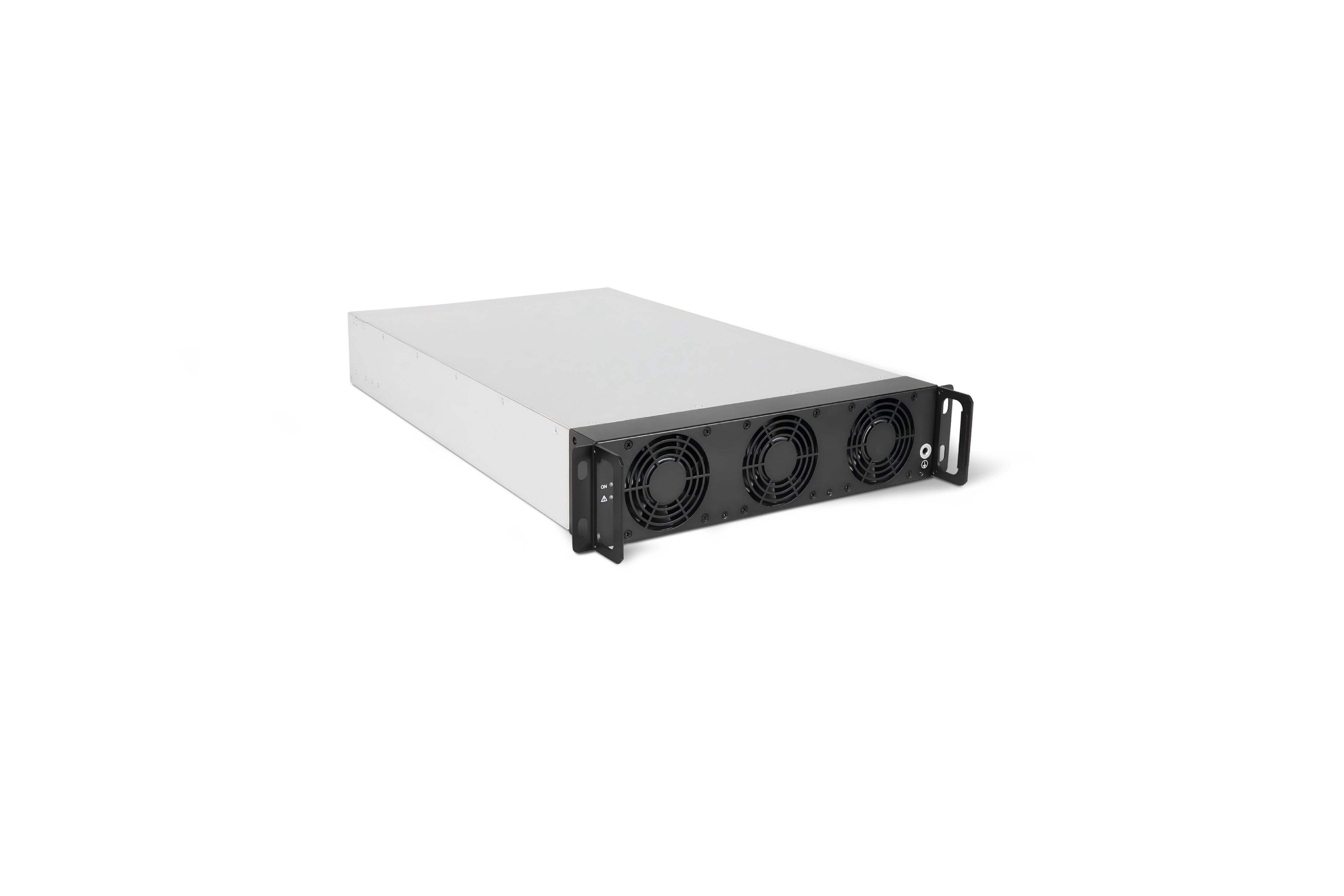
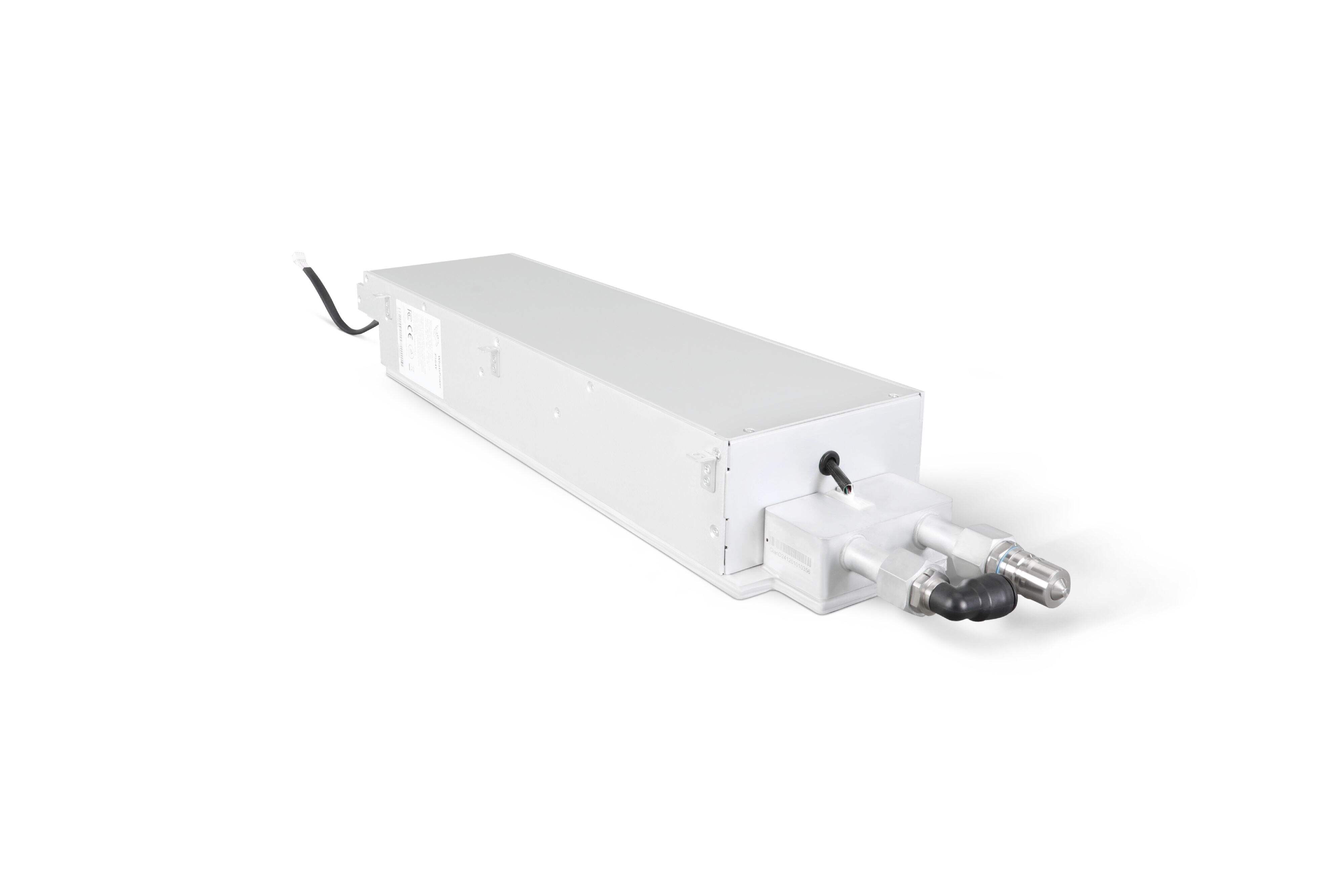
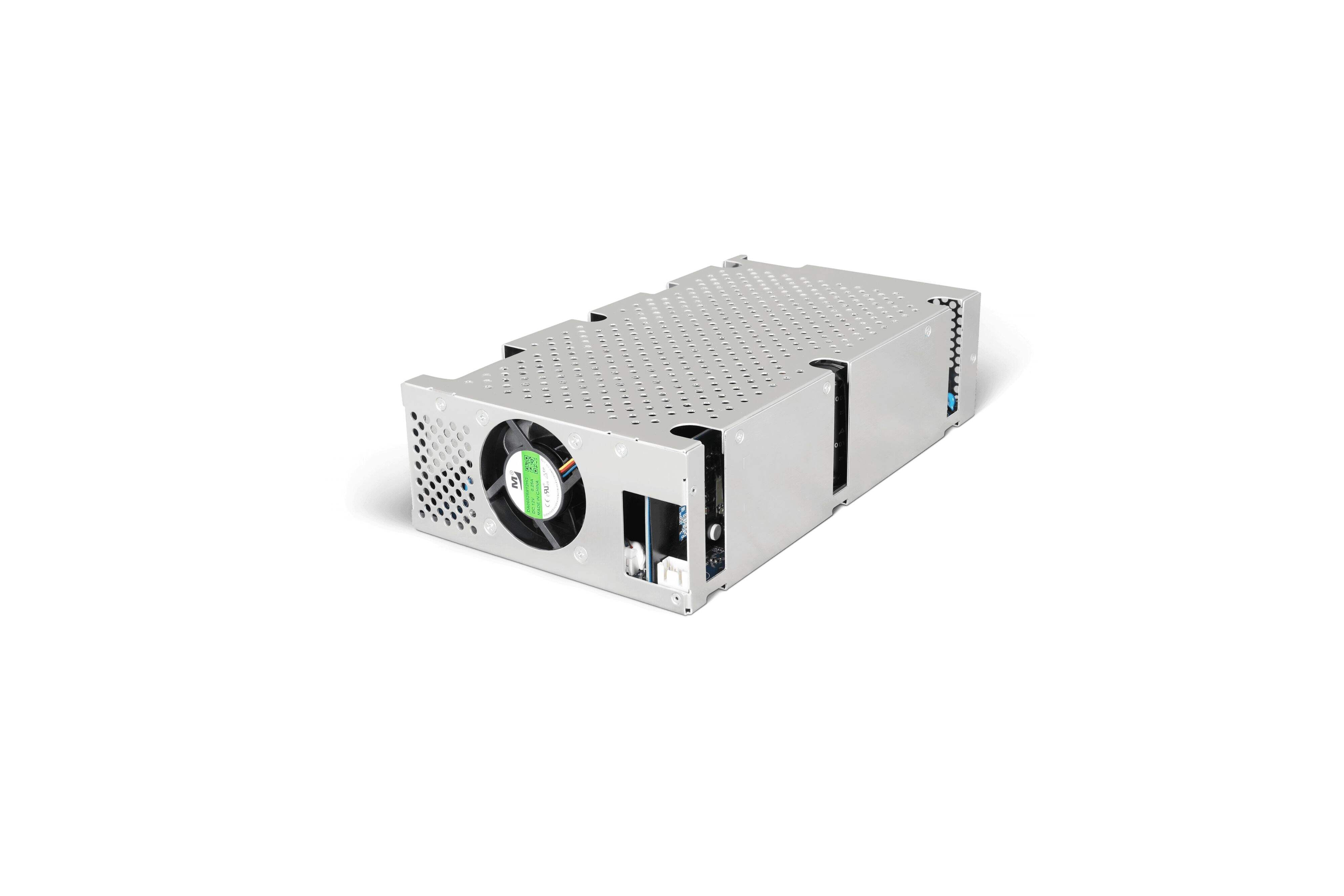
A power conversion module represents a critical electronic component designed to transform electrical energy from one form to another, enabling seamless integration between different power systems and devices. These sophisticated modules serve as the backbone of modern electrical infrastructure, converting alternating current to direct current, stepping voltage levels up or down, and ensuring stable power delivery across diverse applications. The primary function of a power conversion module revolves around electrical transformation while maintaining high efficiency and reliability standards. These modules incorporate advanced semiconductor technologies, including MOSFETs, IGBTs, and specialized control circuits that optimize power transfer and minimize energy losses. Modern power conversion modules feature intelligent switching mechanisms that automatically adjust to varying load conditions, ensuring consistent performance across different operating scenarios. The technological architecture of these modules includes input filtering systems, switching regulators, output conditioning circuits, and comprehensive protection mechanisms against overvoltage, overcurrent, and thermal stress. Applications for power conversion modules span across numerous industries, from renewable energy systems where they convert solar panel DC output to grid-compatible AC power, to electric vehicle charging stations that transform high-voltage AC input into appropriate DC levels for battery charging. Industrial automation systems rely heavily on power conversion modules to provide precise voltage regulation for sensitive equipment, while telecommunications infrastructure depends on these modules for reliable backup power systems and signal processing equipment. Data centers utilize power conversion modules extensively to ensure uninterrupted power supply and efficient energy distribution throughout server farms. The integration of digital control systems within modern power conversion modules enables remote monitoring, predictive maintenance capabilities, and real-time performance optimization, making them indispensable components in smart grid applications and Internet of Things ecosystems.


New Product Recommendations

Power conversion modules deliver exceptional energy efficiency that directly translates to reduced operational costs for businesses and individuals. These modules typically achieve efficiency ratings above 95 percent, meaning minimal energy waste during the conversion process, which significantly lowers electricity bills and reduces environmental impact. The compact design of modern power conversion modules saves valuable space in equipment installations while providing superior performance compared to traditional linear power supplies. Users benefit from reduced heat generation, which extends equipment lifespan and decreases cooling requirements, resulting in additional cost savings. The modular nature of these components simplifies maintenance procedures and allows for easy replacement or upgrading without extensive system downtime. Technical personnel can quickly diagnose issues and perform repairs, minimizing operational disruptions and maximizing productivity. Power conversion modules offer excellent voltage regulation capabilities, maintaining stable output levels even when input conditions fluctuate dramatically. This stability protects sensitive electronic equipment from damage caused by power surges or voltage variations, reducing repair costs and extending device lifespans. The built-in protection features of power conversion modules safeguard connected equipment against various electrical faults, including short circuits, overcurrent conditions, and thermal overload situations. These protective mechanisms prevent catastrophic failures that could result in expensive equipment replacement and costly downtime. Modern power conversion modules support wide input voltage ranges, making them compatible with different power systems worldwide and eliminating the need for multiple product versions. This versatility reduces inventory costs and simplifies procurement processes for international operations. The digital control interfaces found in advanced power conversion modules enable precise parameter adjustment and real-time monitoring, allowing users to optimize performance for specific applications. Remote monitoring capabilities provide valuable insights into system performance and enable proactive maintenance scheduling, preventing unexpected failures. The high power density of contemporary power conversion modules means more power handling capacity in smaller packages, reducing installation space requirements and associated infrastructure costs. These modules operate reliably across extended temperature ranges, making them suitable for harsh industrial environments where traditional power supplies might fail. The standardized form factors and connection interfaces of power conversion modules facilitate easy integration into existing systems, reducing installation time and labor costs while ensuring compatibility with various equipment types.

Latest News

A Power Station That Doesn’t Generate Electricity — Yet Moves 120 Million kWh a Year

18

Dec

A Power Station That Doesn’t Generate Electricity — Yet Moves 120 Million kWh a Year

View More
BOCO Electronics Brings Hengyang Intelligent Manufacturing Base Online, Expanding Annual Production Beyond One Million Units

18

Dec

BOCO Electronics Brings Hengyang Intelligent Manufacturing Base Online, Expanding Annual Production Beyond One Million Units

View More
BOCO Electronics Demonstrates System-Level Power Conversion Innovation at SNEC 2025

18

Dec

BOCO Electronics Demonstrates System-Level Power Conversion Innovation at SNEC 2025

View More

Get a Free Quote

Our representative will contact you soon.
Email
Name
Company Name
Message
0/1000

power conversion module

Advanced Efficiency Technology

Advanced Efficiency Technology

Power conversion modules incorporate cutting-edge efficiency technology that revolutionizes energy management across industrial and commercial applications. The core of this technology lies in sophisticated switching mechanisms that utilize advanced semiconductor materials such as silicon carbide and gallium nitride, which operate at higher frequencies with significantly reduced switching losses compared to traditional silicon-based components. This technological advancement enables power conversion modules to achieve efficiency ratings consistently above 96 percent, with premium models reaching up to 98 percent efficiency under optimal conditions. The economic impact of this high efficiency becomes immediately apparent when calculated across continuous operation periods, as businesses can realize substantial reductions in their electricity consumption and associated costs. The efficiency technology extends beyond basic power conversion to include intelligent load management systems that automatically adjust operating parameters based on real-time demand conditions. These smart systems prevent energy waste by scaling power delivery precisely to match load requirements, eliminating the inefficiencies associated with oversized or poorly matched power supplies. The advanced efficiency technology also incorporates sophisticated thermal management systems that dissipate heat more effectively, allowing the modules to maintain peak performance even under demanding operating conditions. This thermal optimization reduces the need for external cooling systems, further enhancing overall system efficiency and reducing operational costs. The ripple reduction technology integrated within these modules ensures clean power output with minimal harmonic distortion, protecting sensitive equipment and improving the performance of connected devices. Users benefit from reduced electromagnetic interference, which can improve the reliability of nearby electronic systems and comply with stringent regulatory standards. The efficiency gains delivered by modern power conversion modules contribute directly to sustainability goals by reducing carbon footprint and supporting green energy initiatives. Organizations implementing these modules can document measurable environmental benefits while simultaneously achieving cost reductions, creating a compelling business case for adoption across diverse applications.
Comprehensive Protection Systems

Comprehensive Protection Systems

Power conversion modules feature comprehensive protection systems that safeguard both the module itself and connected equipment against a wide spectrum of electrical faults and operating anomalies. These sophisticated protection mechanisms operate through multiple layers of monitoring and control circuits that continuously assess operating conditions and respond instantaneously to potential threats. Overcurrent protection systems utilize precision current sensing technology to detect abnormal current flow conditions and immediately limit or disconnect power to prevent damage to sensitive components. The overvoltage protection mechanisms monitor input and output voltage levels continuously, activating protective measures when voltages exceed predetermined safe operating ranges. Short circuit protection systems can detect and respond to fault conditions within microseconds, preventing catastrophic damage that could destroy expensive equipment and create safety hazards. Thermal protection systems incorporate multiple temperature sensors strategically positioned throughout the module to monitor critical components and activate thermal shutdown procedures before dangerous temperatures are reached. The under-voltage lockout protection prevents operation under insufficient input voltage conditions that could result in unstable output or component stress. Ground fault detection systems identify insulation failures and automatically isolate affected circuits to prevent electrical shock hazards and equipment damage. The protection systems include sophisticated diagnostics capabilities that not only detect faults but also provide detailed information about the nature and location of problems, enabling rapid troubleshooting and repair. Status indicator systems provide real-time feedback about protection system activity, allowing operators to monitor system health and identify potential issues before they develop into serious problems. The protection systems are designed with fail-safe principles, ensuring that any protection system failure defaults to a safe operating mode rather than compromising equipment safety. These comprehensive protection capabilities significantly reduce maintenance requirements and extend equipment lifespan by preventing damage from electrical faults and operating anomalies, resulting in lower total cost of ownership and improved system reliability for end users.
Flexible Integration Capabilities

Flexible Integration Capabilities

Power conversion modules excel in providing flexible integration capabilities that accommodate diverse system architectures and evolving technological requirements across multiple industries and applications. The modular design philosophy enables seamless integration into existing infrastructure without requiring extensive modifications or complete system redesigns, significantly reducing implementation costs and project timelines. Standard mounting configurations and connection interfaces ensure compatibility with a wide range of equipment types, from legacy systems to cutting-edge technology platforms. The modules support various communication protocols including CAN bus, Ethernet, and wireless interfaces, enabling integration into modern networked systems for remote monitoring and control applications. Programmable output characteristics allow users to customize voltage and current parameters to match specific application requirements, eliminating the need for multiple product variants and reducing inventory complexity. The wide input voltage range capability enables operation across different regional power standards and varying supply conditions, making these modules suitable for global deployments without modification. Parallel operation capabilities allow multiple modules to be connected together to increase power handling capacity or provide redundancy for critical applications, offering scalability options that grow with changing system demands. The compact form factors and efficient thermal design enable installation in space-constrained environments while maintaining full performance specifications, opening up application possibilities in mobile and portable equipment. Hot-swappable functionality in many power conversion modules allows maintenance and replacement activities to occur without system shutdown, minimizing downtime and maintaining operational continuity. The modules feature extensive input and output filtering capabilities that reduce electromagnetic interference and improve compatibility with sensitive electronic equipment in the same installation. Configuration flexibility extends to protection parameter adjustment, allowing users to optimize protective responses for specific operating environments and load characteristics. The integration capabilities include comprehensive diagnostic and monitoring features that provide valuable data for predictive maintenance programs and system optimization initiatives, enabling users to maximize performance and reliability while minimizing operational costs through proactive maintenance scheduling and performance monitoring.

Get a Free Quote

Our representative will contact you soon.
Email
Name
Company Name
Message
0/1000