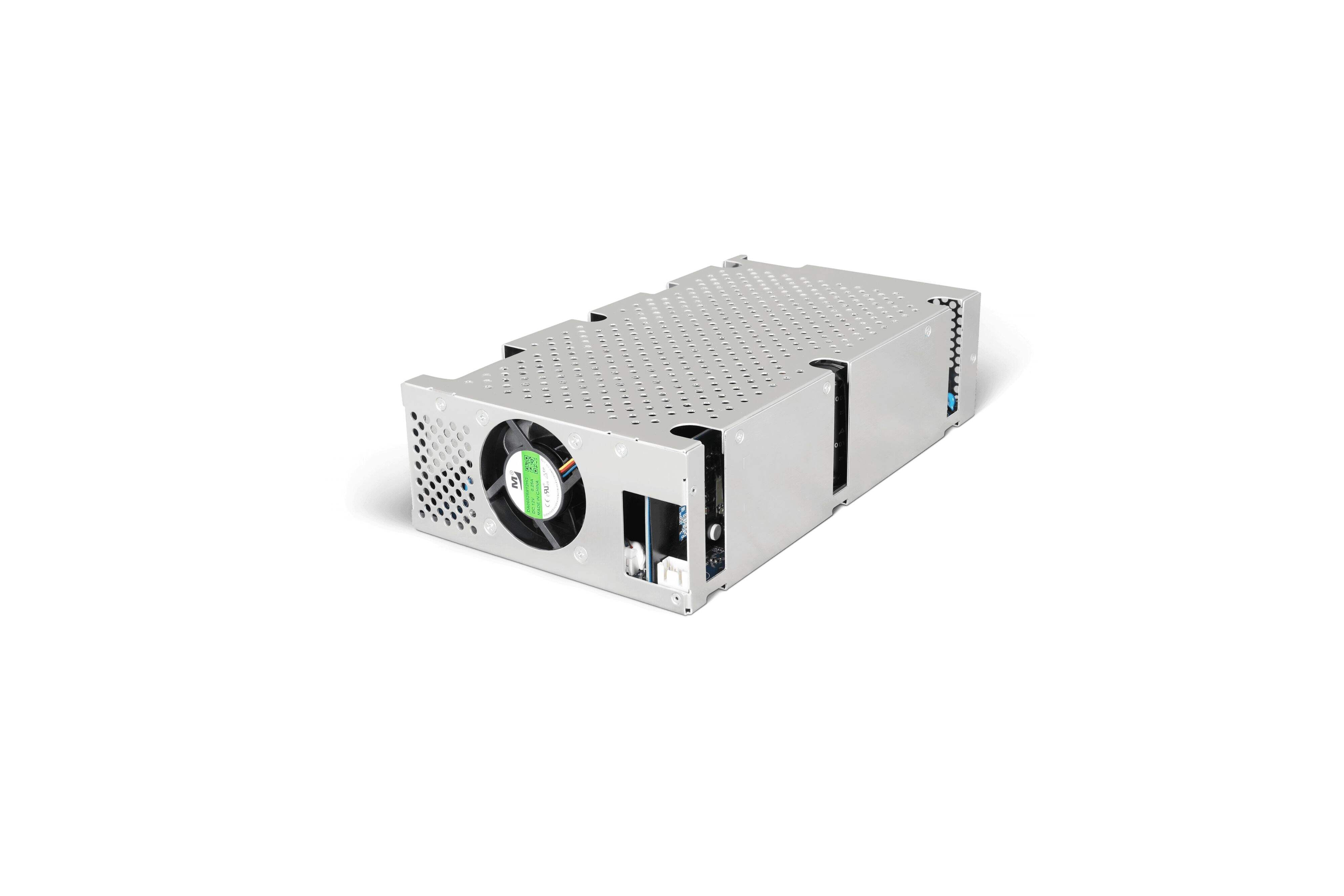
Maintenance-Free Operation and Longevity
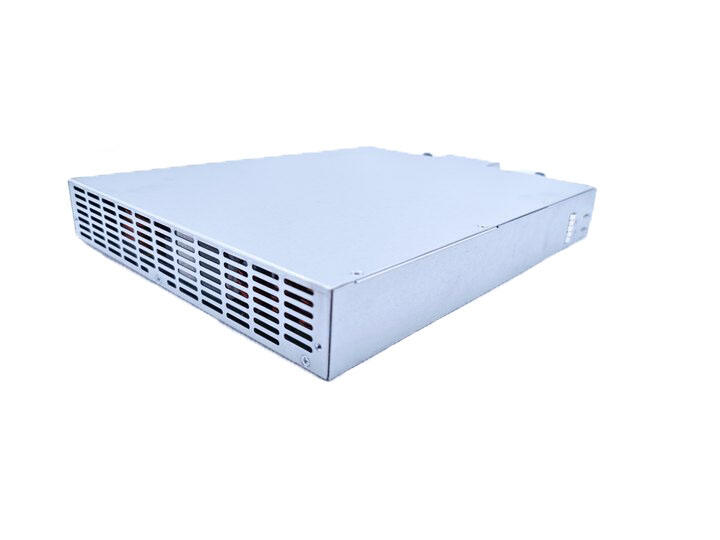
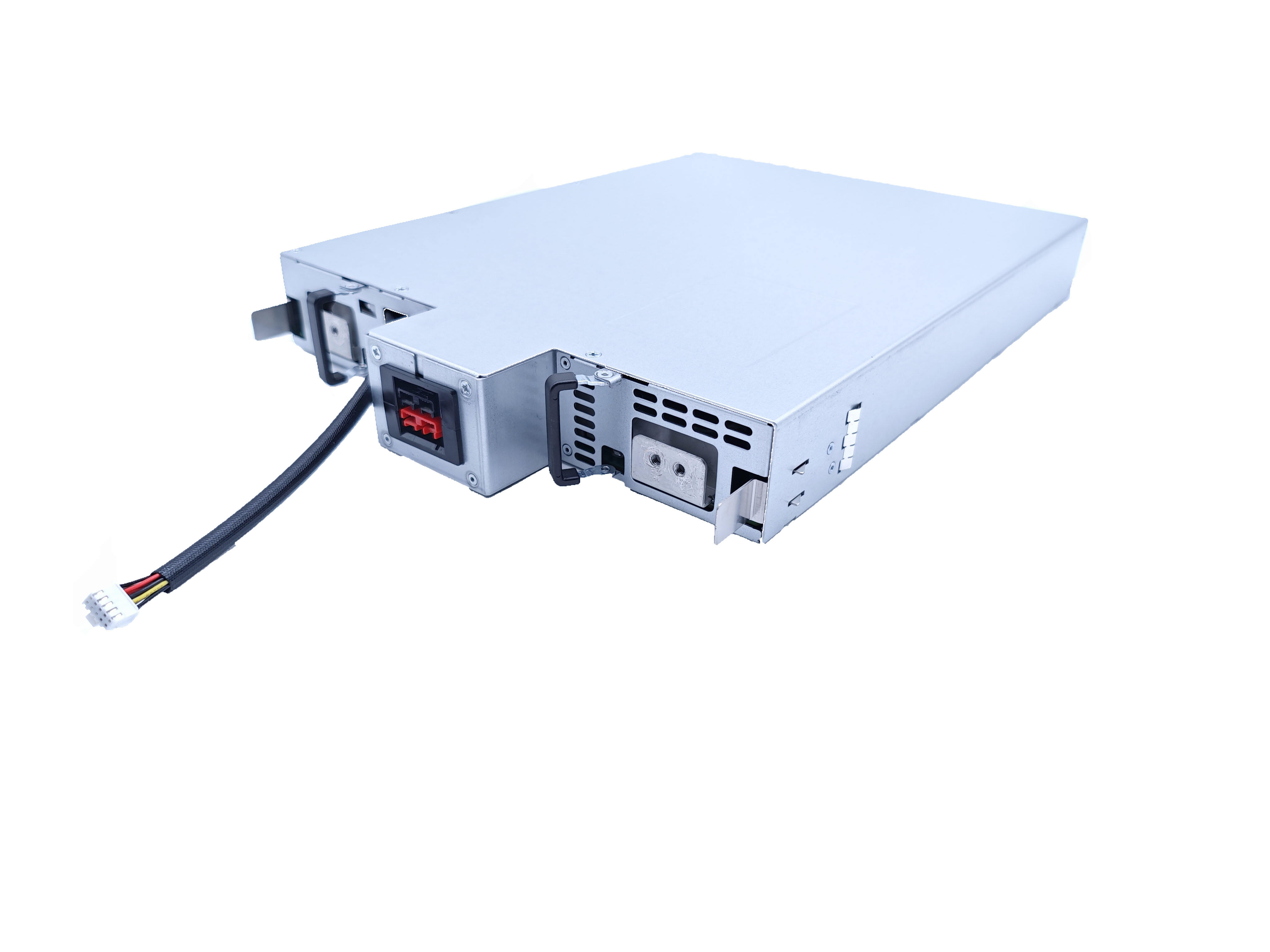
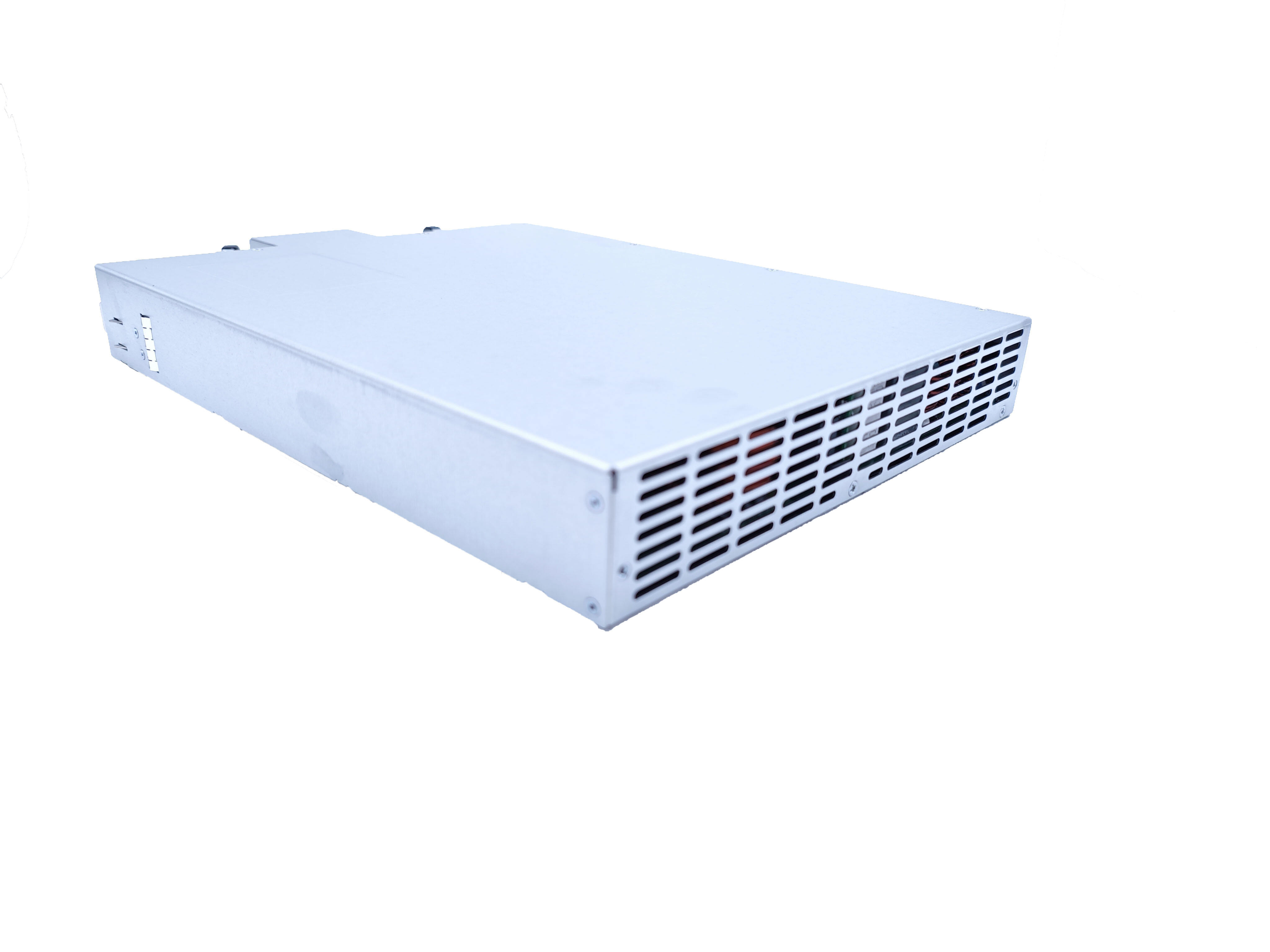
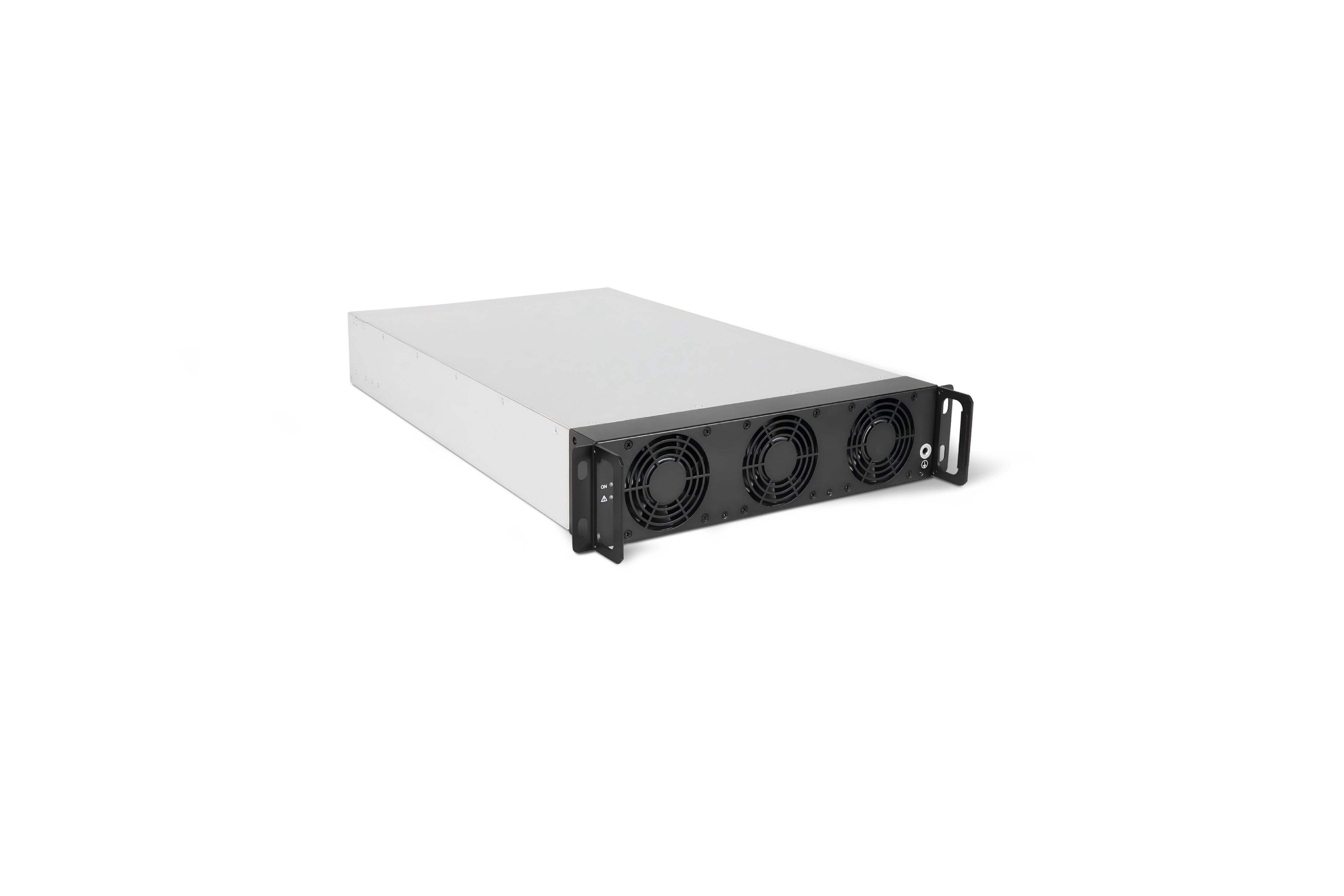
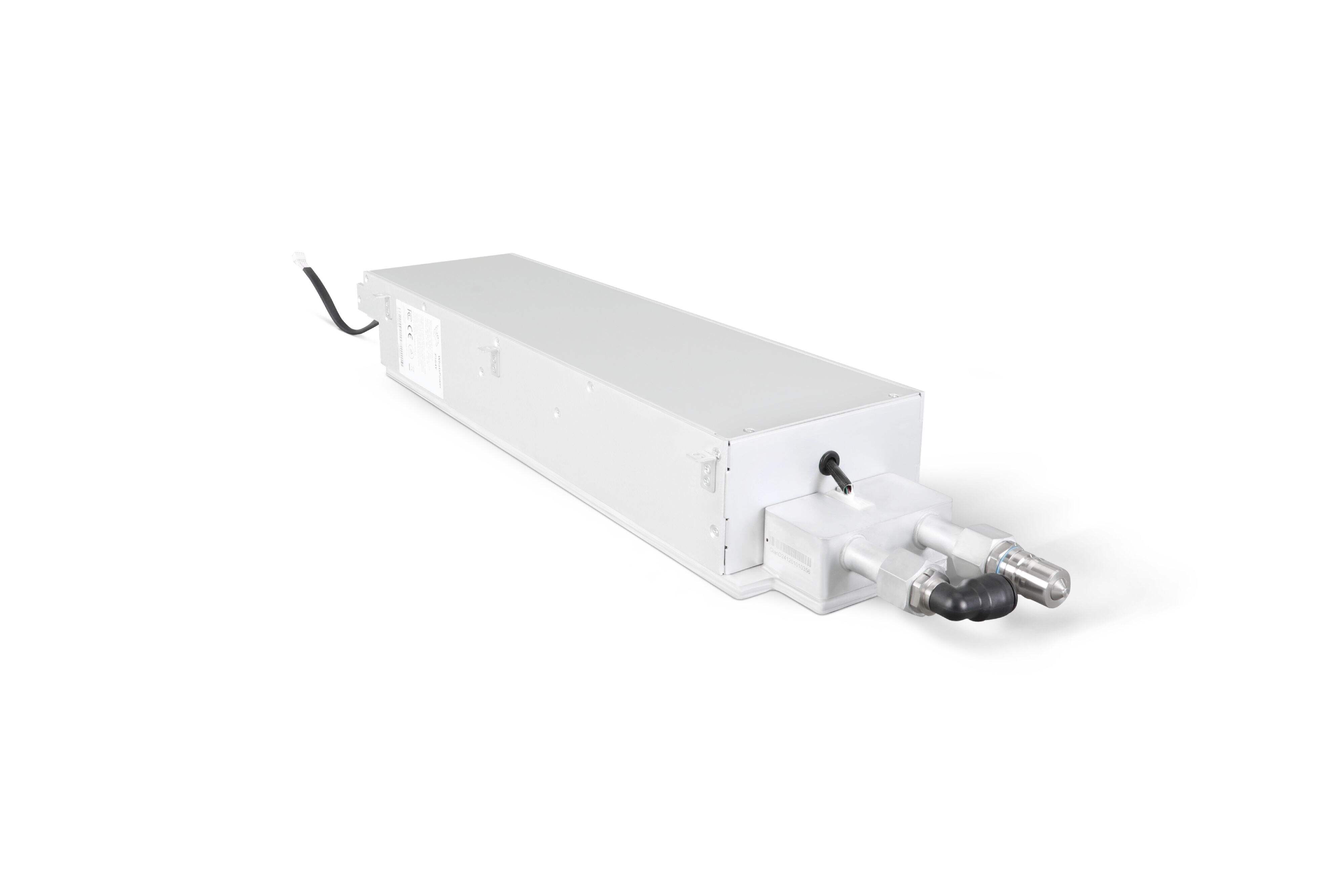
The maintenance-free operation characteristic of conduction-cooled plates represents a fundamental advantage that delivers long-term value through eliminated maintenance requirements and extended operational lifespan. This passive cooling approach removes all moving parts from the thermal management system, including fans, bearings, motors, and circulation pumps that typically require regular maintenance, replacement, and monitoring in active cooling systems. The absence of mechanical components eliminates wear-related failures, bearing degradation, motor burnout, and fan blade damage that plague conventional cooling solutions. Users benefit from decades of reliable operation without the need for scheduled maintenance, component replacement, or system downtime associated with cooling system servicing. The solid-state design provides inherent reliability that proves particularly valuable in remote installations, inaccessible locations, and critical applications where maintenance access may be limited or costly. Military and aerospace applications especially benefit from this maintenance-free characteristic, as field maintenance capabilities may be restricted or unavailable during mission-critical operations. The longevity aspect extends beyond elimination of mechanical wear to include resistance to environmental degradation factors such as dust accumulation, moisture ingress, and temperature cycling effects. Unlike fan-based systems that can become clogged with dust and debris, reducing cooling effectiveness over time, conduction-cooled plates maintain consistent thermal performance throughout their operational life. The corrosion resistance properties of properly treated plate surfaces ensure long-term thermal conductivity without degradation from oxidation or chemical attack. Surface treatments such as anodization, passivation, or specialized coatings provide additional protection against environmental factors that could compromise performance over time. The thermal cycling resistance allows these plates to withstand repeated heating and cooling cycles without structural fatigue or thermal performance degradation. This capability proves essential in applications with variable thermal loads or intermittent operation patterns. The total cost of ownership calculation demonstrates significant savings when maintenance-free operation is considered alongside reduced downtime, eliminated replacement costs, and improved system reliability. Industries such as telecommunications, where system uptime requirements exceed 99.9 percent, particularly value the maintenance-free characteristic of conduction-cooled plates for ensuring continuous operation without thermal management system failures.

 EN
EN